by Joel Blackstock LICSW-S MSW PIP no. 4135C-S | Jul 19, 2024 | History of Psychotherapy, Psychology of Modernism Post Modernism and the Meta Modern
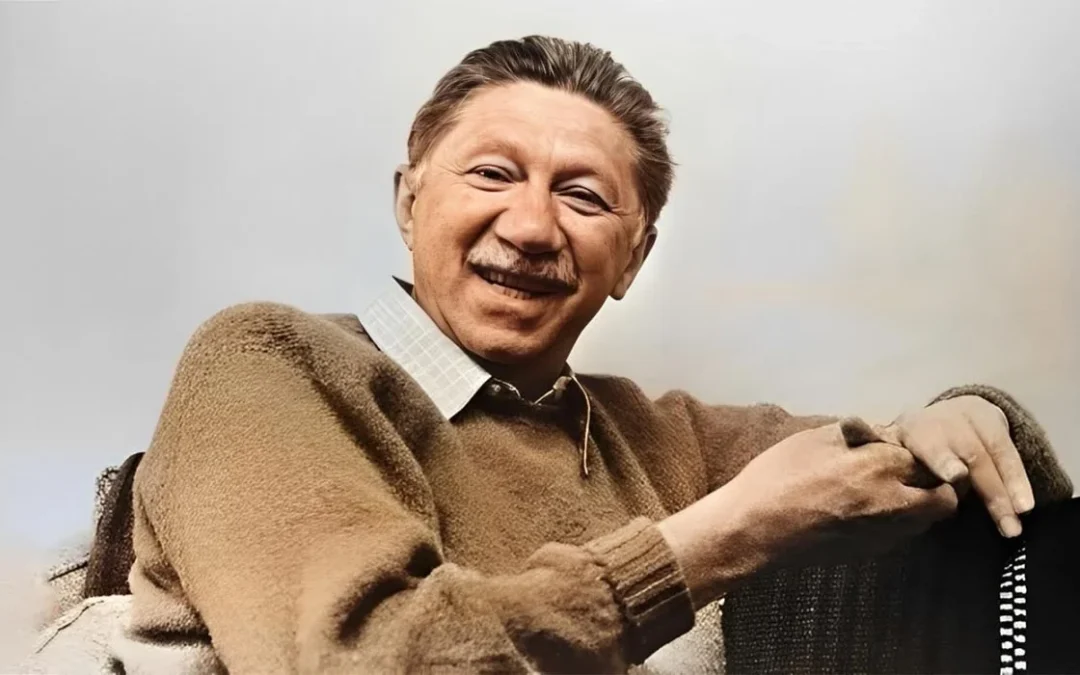
Who was Abraham Maslow? Abraham Maslow was one of the most influential psychologists of the 20th century, leaving an indelible mark on the field of psychology and shaping our understanding of human motivation, potential, and well-being. His groundbreaking theories,...

by Joel Blackstock LICSW-S MSW PIP no. 4135C-S | Jul 5, 2024 | Depth Psychology Approaches and Techniques, Psychology of Mystics, Gurus, and Spiritual Philosophers
The Everywhen and the Architecture of the Psyche In the Western psychological tradition, there is an obsession with linearity. Lives are viewed as straight lines moving irrevocably from birth to death, cause to effect, trauma to symptom. However, the oldest continuous...

by Joel Blackstock LICSW-S MSW PIP no. 4135C-S | Jul 5, 2024 | Psychology of Buildings and Architecture
“Dolmen de Menga entrance: Massive stone portal of 6,000-year-old Neolithic tomb in Antequera, Spain.” “La Peña de los Enamorados: Distinctive mountain face aligned with Dolmen de Menga, resembling human profile.” Adventure Time with My Daughter My daughter Violet...
by Joel Blackstock LICSW-S MSW PIP no. 4135C-S | Jun 14, 2024 | Depth Psychology Approaches and Techniques, Philosophy for Therapists
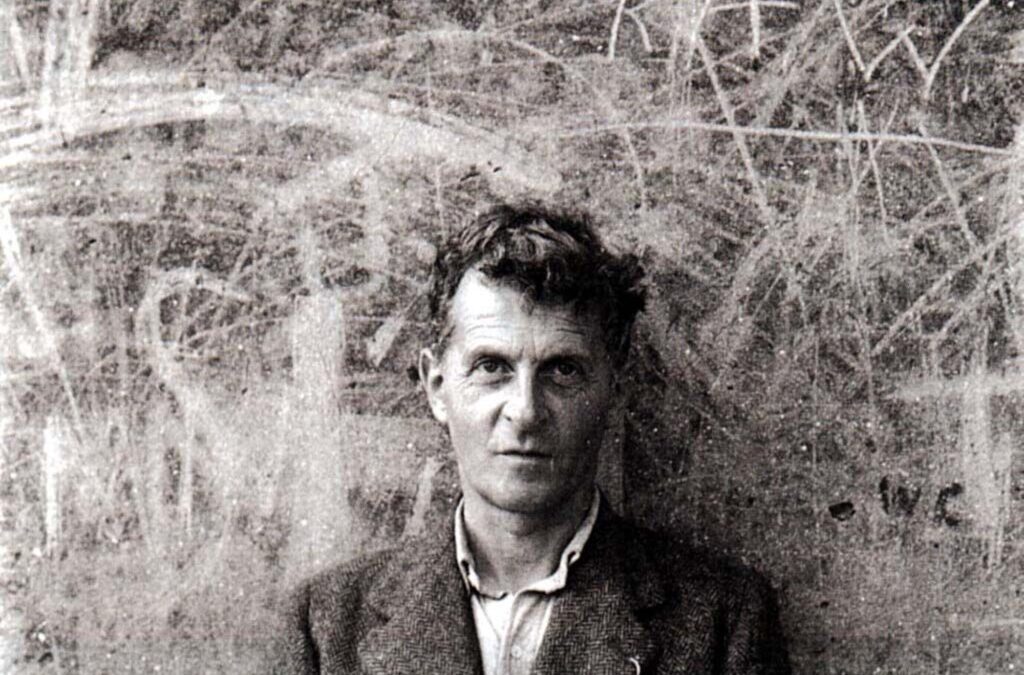
What does Ludwig Wittgenstein have to do with Psychology? Ludwig Wittgenstein, a towering figure in 20th-century philosophy, left a profound impact on our understanding of language, meaning, and the human experience. His groundbreaking ideas, particularly those...
by Joel Blackstock LICSW-S MSW PIP no. 4135C-S | May 16, 2024 | Phenomenology and Existential Psychology, Psychotherapy Biographies: Historical Figures in the History of Psychology, Ritual and Initiation, Spirituality and The Transcendent Function in Psychotherapy
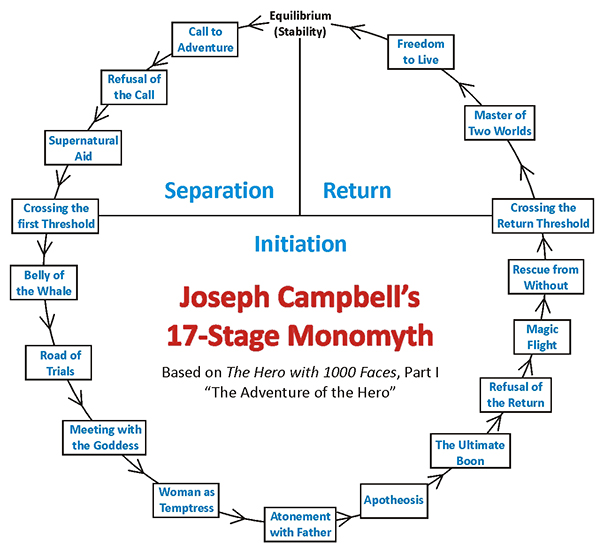
Confronting the Shadow of Mental Health Challenges The hero’s journey is a powerful narrative structure that has shaped storytelling across cultures and throughout history. First articulated by mythologist Joseph Campbell, the hero’s journey follows a...
by Joel Blackstock LICSW-S MSW PIP no. 4135C-S | Apr 21, 2024 | Phenomenology and Existential Psychology, Psychology of Mystics, Gurus, and Spiritual Philosophers
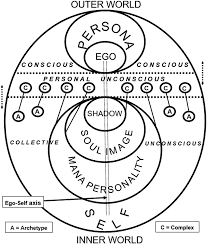
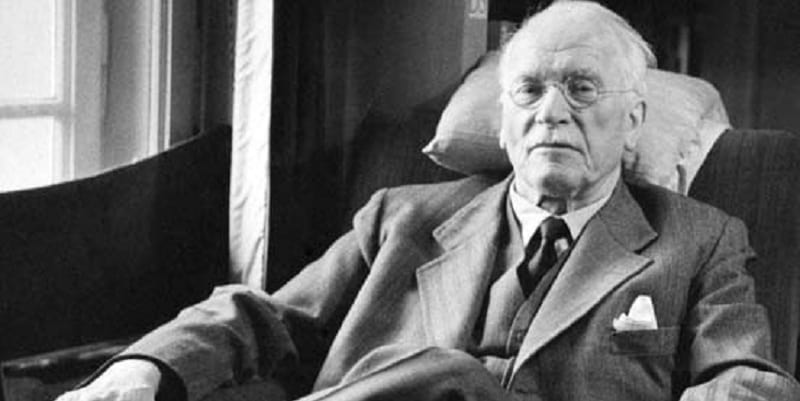
Read Part 1, Part 2, Part 3 and Part 4 Harnessing the Power of Jungian Archetypes in Psychotherapy: A Practical Guide for Patients and Therapists Read More on Jung here: Carl Jung’s Major Influences Jungian Analysis Archetypes Jung’s Method Jungian Thought Main...
by Joel Blackstock LICSW-S MSW PIP no. 4135C-S | Apr 21, 2024 | Christian Mysticism in Therapy, Depth Psychology Approaches and Techniques, Jungian Therapy and Depth Psychology, Phenomenology and Existential Psychology
Read Part 1, Part 2, Part 3 and Part 4 Read More on Jung here: Carl Jung’s Major Influences Jungian Analysis Archetypes Jung’s Method Jungian Thought Part 1: What was Jung’s Method to Discover Reality? Jung’s Empirical Phenomenology: Uniting...
by Joel Blackstock LICSW-S MSW PIP no. 4135C-S | Apr 15, 2024 | Anthropology and Evolutionary Psychology for Therapy, Comparative Religion for Therapy
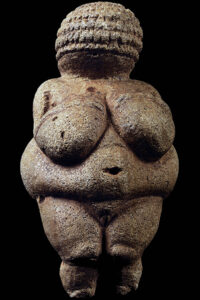
What did Prehistoric Religion Look Like: Main Ideas and Key Points: The Venus of Willendorf, a Paleolithic figurine, suggests the existence of prehistoric “Venus cults” that venerated female deities associated with fertility and the earth. Prehistoric...
by Joel Blackstock LICSW-S MSW PIP no. 4135C-S | Apr 7, 2024 | Psychology of Buildings and Architecture, Psychology of Mystics, Gurus, and Spiritual Philosophers, Psychotherapy Biographies: Historical Figures in the History of Psychology
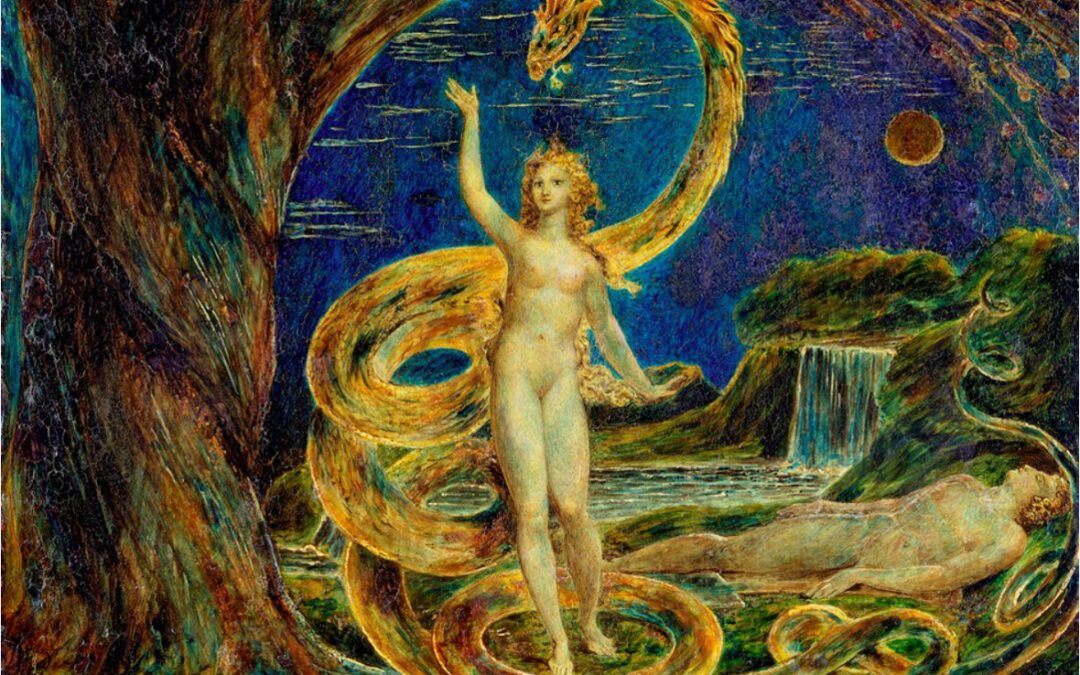
“To see a World in a Grain of Sand And a Heaven in a Wild Flower, Hold Infinity in the palm of your hand And Eternity in an hour.” – William Blake, Auguries of Innocence Who was William Blake? William Blake (1757-1827) was an English poet, painter,...
by Joel Blackstock LICSW-S MSW PIP no. 4135C-S | Apr 6, 2024 | Christian Mysticism in Therapy, Phenomenology and Existential Psychology, Philosophy for Therapists, Psychology of Mystics, Gurus, and Spiritual Philosophers, Psychotherapy Biographies: Historical Figures in the History of Psychology, Spirituality and The Transcendent Function in Psychotherapy
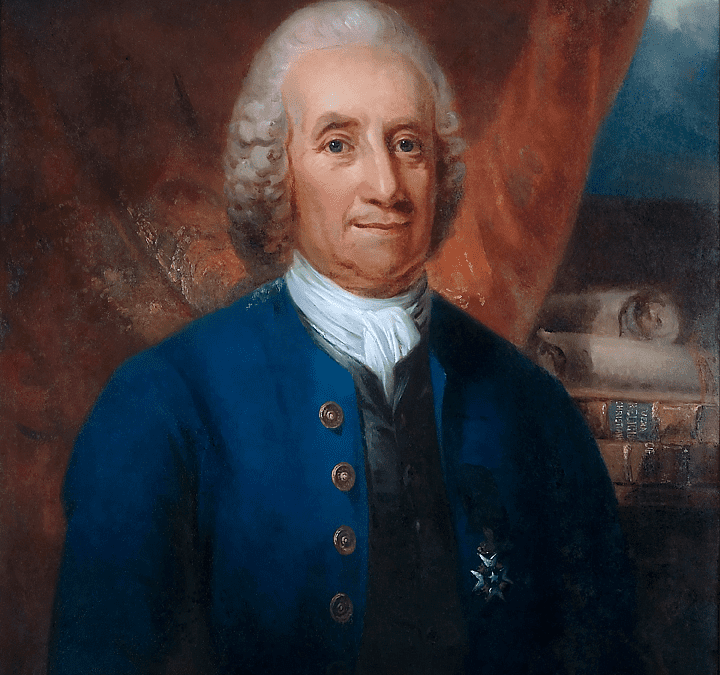
Who was Emanuel Swedenborg? Emanuel Swedenborg, a Swedish philosopher, scientist, and mystic who lived from 1688 to 1772, had a profound impact on the development of Western spirituality and psychology. His visionary experiences and ideas about the nature of the...
