The Benefits of Meditation: A Beginner’s Guide to Starting a Meditative Practice

by | Aug 9, 2024 | 0 comments

What is Meditation?

Meditation has gained widespread popularity in recent years as a powerful tool for promoting mental health, reducing stress, and enhancing overall well-being. This beginner’s guide explores the numerous benefits of meditation and provides practical tips for starting your own practice.

Benefits of Meditation

Stress Reduction:

Meditation has been shown to reduce stress and anxiety by promoting relaxation and decreasing levels of cortisol, the primary stress hormone.

Emotional Well-being:

Regular meditation practice can help improve mood, increase self-awareness, and foster a greater sense of inner peace and contentment.

Improved Focus and Concentration:

Meditation trains the mind to be more present and focused, enhancing cognitive function and mental clarity.

Better Sleep:

Meditation can help alleviate sleep disturbances and promote more restful, restorative sleep.

Physical Health Benefits:

Meditation has been linked to various physical health benefits, such as lowering blood pressure, boosting immune function, and reducing chronic pain.

Getting Started with Meditation

Find a Quiet Space:

Choose a quiet, comfortable spot where you can sit undisturbed for the duration of your meditation practice.

Set a Time Limit:

Begin with short sessions, even just 5-10 minutes, and gradually increase the duration as you become more comfortable with the practice.

Maintain a Comfortable Posture:

Sit comfortably with your back straight, either on a cushion on the floor or in a chair with your feet planted firmly on the ground.

Focus on Your Breath:

Bring your attention to your breath, observing the sensation of the air moving in and out of your nostrils or the rise and fall of your chest.

Be Kind to Your Wandering Mind:

It’s natural for the mind to wander during meditation. When you notice your thoughts drifting, gently redirect your focus back to your breath without judgment.

Types of Meditation

There are various types of meditation practices, each with its own unique focus and techniques. Some popular types include:

  • Mindfulness Meditation: Involves observing thoughts, feelings, and sensations without judgment, fostering a greater sense of present-moment awareness.
  • Loving-Kindness Meditation: Focuses on cultivating feelings of love, compassion, and goodwill towards oneself and others.
  • Transcendental Meditation: Involves the repetition of a personalized mantra to promote deep relaxation and inner peace.
  • Guided Meditation: Utilizes verbal cues and visualizations to guide the mind into a meditative state, often focusing on specific themes or goals.

While the benefits of meditation are well-documented, it’s important to acknowledge that establishing a consistent practice can be challenging. Some common obstacles include restlessness, discomfort, and difficulty quieting the mind. However, with patience and persistence, these challenges can be overcome.

It’s also worth noting that meditation should not be viewed as a panacea for all mental health concerns. While it can be a valuable complementary practice, it should not replace professional treatment for individuals dealing with serious mental health issues.

In conclusion, meditation offers a wide range of benefits for both mental and physical well-being. By starting with a simple, consistent practice and exploring different types of meditation, beginners can unlock the transformative power of this ancient tradition and cultivate a greater sense of inner peace and resilience.

Types of Therapy

Lifespan Integration

QEEG Brain Mapping

Jungian Therapy 

Parts Based Therapy

EMDR 

ETT

Brainspotting

Somatic Experiencing

Meditation and Mindfulness

Neurofeedback

Somatic Trauma Mapping

DBT

Aromatherapy

Personality Psychology

DARVO

Explore the Other Articles by Categories on Our Blog 

Hardy Micronutrition is clinically proven to IMPROVE FOCUS and reduce the effects of autism, anxiety, ADHD, and depression in adults and children without drugsWatch Interview With HardyVisit GetHardy.com and use offer code TAPROOT for 15% off

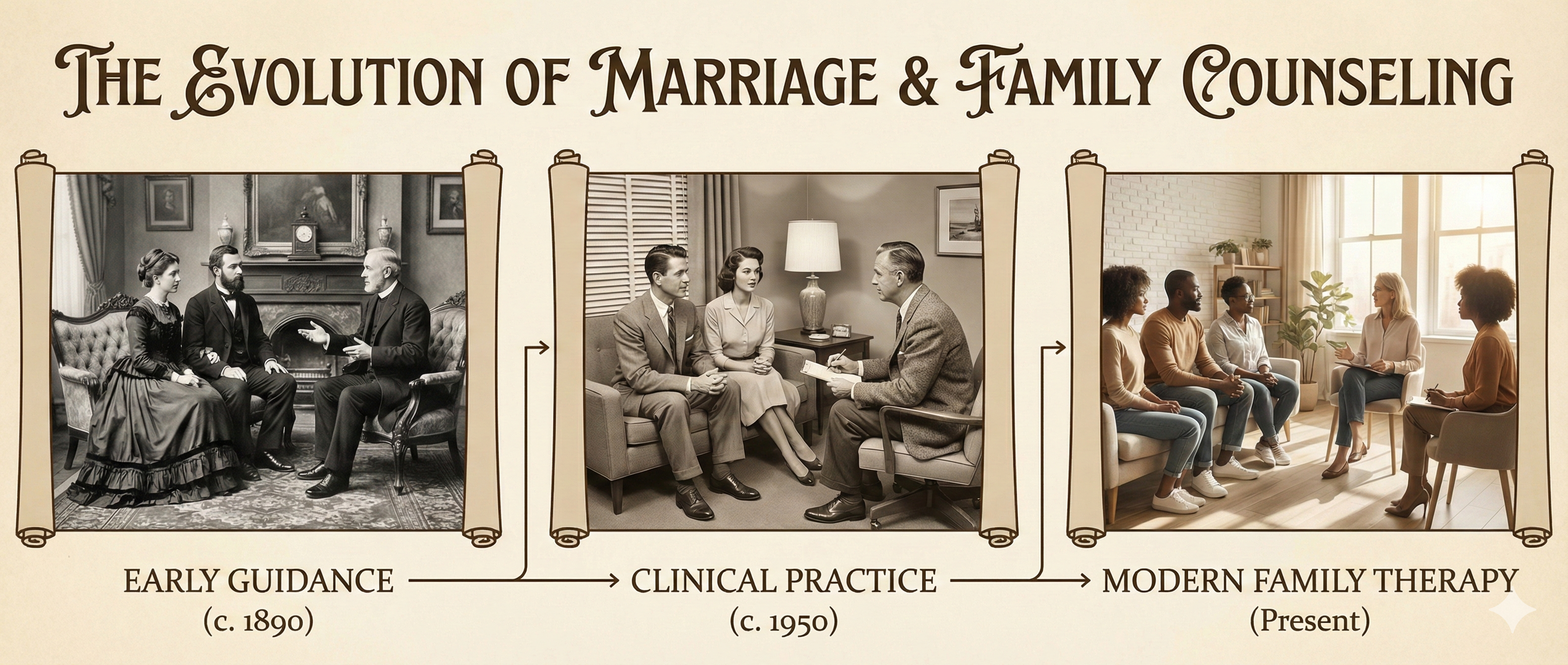
A short History Of All Types of Family Therapy

A short History Of All Types of Family Therapy

A comprehensive analysis of family systems therapy models from Bowen to Narrative, including clinical applications, techniques, evidence base, and modern integrative approaches for conduct disorders, eating disorders, and trauma.

Insights into Therapy Through Quantum Neuroscience

Insights into Therapy Through Quantum Neuroscience

Something extraordinary is happening in consciousness research right now. After decades of incremental progress and philosophical stalemate, 2025—designated by the United Nations as the International Year of Quantum Science and Technology—has delivered a cascade of...

The Neuroscience of Disassociation

The Neuroscience of Disassociation

The unitary nature of consciousness is the most persistent intuition of human experience. We feel like a single protagonist in a continuous narrative. Yet, for the trauma survivor, this intuition is often a lie. As therapists, we are often the first to witness the...

What is Energy Psychotherapy?

What is Energy Psychotherapy?

Discover energy psychotherapy, a revolutionary approach integrating ancient Eastern wisdom with modern neuroscience. Learn about somatic therapies, EFT, brainspotting, Hakomi, and other body-based treatments that address trauma at its physiological roots—offering hope when talk therapy alone isn’t enough.

The Department of Education Just Declared War on Your Therapist:

The Department of Education Just Declared War on Your Therapist:

The DOE reclassified social work degrees as non-professional which threatens Alabama mental healthcare access, professional liability insurance, credentialing, and the private practice model that emerged from 1980s reforms. This comprehensive analysis examines immediate and long-term implications for therapists and patients.

Did the State of Alabama Just Get Rid of Ketamine Therapy for PTSD?

Did the State of Alabama Just Get Rid of Ketamine Therapy for PTSD?

Alabama’s new ketamine therapy guidelines reflect critical questions about treating trauma. A Hoover therapist examines why dissociative patients often worsen with ketamine, compares it to EMDR and brainspotting, and explores the limitations of research in understanding trauma recovery.

The Reality of Therapy: Why Quick Fixes Actually Cost More

The Reality of Therapy: Why Quick Fixes Actually Cost More

Understanding why therapy takes time and why one-session quick fixes don’t work. Learn about the reality of therapeutic relationships, insurance coverage with BCBS, and how investing in quality mental health treatment in Birmingham can actually save money long-term.

The Psychological Engineering of Mountain Brook: How Policy Became Identity in Alabama’s Wealthiest Enclave

The Psychological Engineering of Mountain Brook: How Policy Became Identity in Alabama’s Wealthiest Enclave

An in-depth psychological examination of Mountain Brook, Alabama—America’s most deliberately exclusive suburb—exploring how calculated planning, policy decisions, and social engineering created extraordinary wealth while generating a youth mental health crisis, environmental degradation, and regional inequality. A comprehensive analysis of the costs and contradictions of engineered perfection.

Anxiety Therapist Near Me: Beyond Basic Breathing Exercises”

Anxiety Therapist Near Me: Beyond Basic Breathing Exercises”

Your heart is racing at 3 AM again. You've tried the breathing exercises – in for four, hold for four, out for four. You've downloaded the meditation apps. You've done the yoga, cut the caffeine, exercised regularly. Hell, you could probably teach a masterclass on...

Counselor Near Me: Why the Best Match Isn’t About Reviews

Counselor Near Me: Why the Best Match Isn’t About Reviews

You're sitting in your car after another sleepless night, phone in hand, typing "counselor near me" into Google for the fifth time this week. The results are overwhelming – dozens of smiling faces, all promising to help, most with 4.8 stars or higher. You click on the...

The IS Map: When Eye Movements Became a System

The IS Map: When Eye Movements Became a System

Back in the 1970s, the founders of NLP claimed they'd discovered something remarkable: that you could tell what someone was thinking by watching where their eyes moved. Look up and to the right? Creating a visual image. Down and to the left? Accessing feelings. It was...

Nobody Wants Your Whiny Baby: A DBT Exercise That Actually Gets It

Nobody Wants Your Whiny Baby: A DBT Exercise That Actually Gets It

There's this exercise in DBT with a name that makes people laugh nervously when they first hear it: "Nobody Wants Your Whiny Baby." The name is perfect because it captures something we all know but rarely talk about directly. Here's what happens in a lot of therapy,...

0 Comments

Submit a Comment

Your email address will not be published. Required fields are marked *