

You learned to read the room before you could read books.
The sound of a car door closing. The weight of footsteps on the stairs. The particular quality of silence that meant something was wrong. As a child, you developed an exquisitely tuned radar for the emotional states of the adults around you—not out of curiosity, but out of necessity. Your safety depended on knowing, moment to moment, which version of your parent was about to walk through the door.
Would it be the warm, loving parent who made you feel cherished? Or the volatile one whose mood could shift without warning, whose anger or coldness or unpredictable reactions kept you perpetually on edge? You never knew. And because you never knew, you learned to be vigilant. Always scanning. Always adjusting. Always walking on eggshells.
If this describes your childhood, you’re not alone. And the patterns you developed to survive that environment—the hypervigilance, the people-pleasing, the difficulty trusting your own perceptions—likely followed you into adulthood in ways you may only now be beginning to understand.
What Is Eggshell Parenting?
Eggshell parenting describes a pattern in which a parent’s moods, behaviors, and emotional availability are chronically unpredictable, creating an environment where children must constantly monitor for signs of danger. The term captures the child’s experience: the feeling of navigating a minefield where any wrong step might trigger an explosion, where safety is conditional and temporary, where the ground itself cannot be trusted.
The eggshell parent isn’t necessarily abusive in obvious ways. They may be loving and attentive at times—sometimes deeply so. But their emotional state is unstable, their reactions are inconsistent, and their children never know what to expect. A behavior that was fine yesterday might provoke rage today. A parent who was warm and present this morning might be cold and withdrawn by evening. The inconsistency itself is the trauma.
This unpredictability can stem from many sources: unmanaged mental health conditions, addiction, unprocessed trauma from the parent’s own childhood, personality disorders, chronic stress, or simply a fundamental difficulty with emotional regulation. The cause matters less to the child than the effect: growing up in a state of chronic uncertainty about whether they are safe, loved, and acceptable.
The Neuroscience of Growing Up on Eggshells
When a child grows up with an unpredictable caregiver, their nervous system adapts to chronic threat. This isn’t a character flaw or a choice—it’s a neurobiological response to an environment that required constant vigilance for survival.
Research on intergenerational trauma transmission shows that children of parents with trauma histories exhibit exaggerated startle responses and heightened stress reactivity—even when they haven’t experienced direct trauma themselves. The parent’s dysregulation becomes encoded in the child’s nervous system through thousands of daily interactions.
The developing brain is shaped by its environment. When that environment is characterized by unpredictability and threat, the brain prioritizes danger detection over other developmental tasks. The amygdala—the brain’s alarm system—becomes hypersensitive. The prefrontal cortex—responsible for reasoning, planning, and emotional regulation—may develop less robustly because the child is too busy surviving to engage in the calm, exploratory play that builds these capacities.
Studies on childhood maltreatment and emotional dysregulation demonstrate that early exposure to unpredictable caregiving is associated with lasting changes in how the brain processes and regulates emotion. Children who experienced chronic unpredictability show altered connectivity between cortical and limbic regions, difficulties with attention regulation, and heightened reactivity to perceived threats—patterns that persist into adulthood.
This is why telling an adult who grew up on eggshells to “just relax” is like telling someone with a broken leg to “just walk normally.” The nervous system has been shaped by years of adaptation to threat. Healing requires more than insight—it requires rewiring at the level of the body and brain.
Disorganized Attachment: When Safety and Danger Wear the Same Face
Attachment theory provides a crucial framework for understanding the impact of eggshell parenting. In healthy development, children form secure attachments when caregivers are consistently responsive, predictable, and attuned. The child learns: “When I’m distressed, I can seek comfort from this person, and comfort will come.” This creates a foundation of safety that supports all subsequent development.
But what happens when the person who is supposed to provide safety is also the source of fear? This is the core dilemma of disorganized attachment—the attachment pattern most associated with unpredictable, frightening, or frightened caregiving.
Children with disorganized attachment face an impossible bind. Their biology drives them toward their caregiver when frightened—this is hardwired into mammalian nervous systems. But when the caregiver is the source of the fear, or when the caregiver’s own fear makes them unavailable or unpredictable, the child has nowhere to turn. Approach and avoidance are activated simultaneously. The result is behavioral disorganization: freezing, dissociation, contradictory movements, expressions of fear toward the very person who should provide comfort.
Longitudinal research demonstrates that disorganized attachment in infancy predicts a cascade of difficulties: problems with emotional regulation, social competence deficits, increased risk for psychopathology, and persistent difficulties in adult relationships. The early template of relationships as simultaneously necessary and dangerous shapes how these children—and later adults—approach intimacy, trust, and connection.
The Hypervigilant Child: Adaptations That Become Prisons
Children are remarkably adaptive. When the environment is unpredictable, they develop strategies to maximize safety and minimize threat. These strategies are intelligent responses to difficult circumstances. The problem is that they become automatic, operating outside conscious awareness, and persist long after the original danger has passed.
Chronic Scanning
The hypervigilant child develops exquisite sensitivity to environmental cues. They notice microexpressions, subtle shifts in tone, the particular way a door closes. This isn’t paranoia—it’s pattern recognition developed under pressure. In the original environment, catching early warning signs of a parent’s mood shift could mean the difference between safety and harm.
In adulthood, this manifests as difficulty relaxing, constant monitoring of others’ emotional states, exhaustion from the cognitive load of perpetual vigilance, and a tendency to perceive threat where none exists. The radar that once protected them now generates false alarms, keeping them in a state of chronic stress.
Emotional Attunement at the Expense of Self
Children of unpredictable parents often become extraordinarily attuned to others’ emotions—but disconnected from their own. They learned early that their own feelings were less important than managing the parent’s emotional state. Attending to their own needs was a luxury they couldn’t afford; safety required tracking the parent.
This creates adults who are excellent at reading others but struggle to identify what they themselves feel or need. They may have difficulty answering questions like “What do you want?” because wanting was never safe. Their own internal experience became background noise, drowned out by the constant imperative to monitor external threat.
The Fawn Response
Beyond fight, flight, and freeze, there’s a fourth trauma response: fawn. The fawn response involves appeasing the threat—becoming what the other person wants you to be, anticipating their needs, making yourself useful and unthreatening. For children of eggshell parents, fawning often becomes the primary survival strategy.
If you can keep the parent happy, maybe you’ll be safe. If you can be perfect enough, helpful enough, invisible enough, maybe you won’t trigger the explosion. This is the origin of people-pleasing: not a personality trait, but a survival adaptation.
In adulthood, the fawn response manifests as difficulty saying no, chronic self-abandonment, staying in relationships or jobs that are harmful, and a deep-seated belief that your worth depends on your usefulness to others. Karen Horney’s concept of the compliant personality style—moving toward others at the expense of self—describes this pattern precisely.
Parentification: When Children Become the Caretakers
In many eggshell parenting situations, the natural hierarchy of the family becomes inverted. The child, instead of being cared for, becomes the caretaker. This is parentification—a form of role reversal in which children assume developmentally inappropriate responsibility for managing their parents’ emotional states, mediating parental conflict, or holding the family together.
Research on parentification distinguishes between instrumental parentification (taking on practical responsibilities like household management) and emotional parentification (becoming a confidant, counselor, or emotional regulator for the parent). While instrumental parentification can sometimes build competence when appropriately acknowledged, emotional parentification is consistently associated with negative outcomes: depression, anxiety, difficulty in adult relationships, and a chronic sense that one’s own needs are illegitimate.
The parentified child learns that love is earned through caretaking. Their value lies in what they provide, not in who they are. They become hypercompetent at managing others while remaining strangers to their own inner life. In adulthood, they may be drawn to helping professions—but struggle with burnout because they never learned that receiving care is also legitimate.
Studies on parent-child role confusion show that this dynamic is particularly common when parents struggle with depression, addiction, or unresolved trauma. The parent’s emotional needs spill over into the child’s world, and the child—desperate to maintain connection with the caregiver they depend on—rises to meet those needs, sacrificing their own development in the process.
The Depth Psychology Perspective: Archetypal Wounding
From a Jungian perspective, eggshell parenting represents a fundamental distortion of the parent archetype. The archetypal parent—whether we call it the Good Mother, the Nurturing Father, or simply the Great Parent—is supposed to provide containment, protection, and a stable foundation from which the child can safely explore the world.
When the actual parent cannot hold this archetypal role consistently, the child’s psyche must contend with a profound disruption. The archetype of safety becomes contaminated with danger. The child cannot develop the basic trust that psychoanalyst Erik Erikson identified as the foundation of healthy development.
Donald Kalsched’s work on archetypal defenses is particularly relevant here. Kalsched describes how, in response to early trauma, the psyche develops protective systems that initially serve survival but later become imprisoning. A part of the self goes into hiding, protected by fierce inner guardians who prevent authentic engagement with life. The child who learned to disappear, to be invisible, to suppress their true self in order to survive develops internal structures that continue this suppression long after the external danger has passed.
The eggshell parent often embodies what might be called the Shadow Queen or Shadow King—the dark side of parental authority. Where the healthy King or Queen provides stable order, the shadow version wields power erratically, making the child’s world chaotic and unpredictable. The child never knows which parent will appear: the loving monarch or the tyrant.
This creates what Jung might call a complex—a charged cluster of memories, emotions, and patterns organized around the theme of parental unpredictability. When this complex is triggered in adulthood (by a boss’s mood shift, a partner’s irritation, any hint of disapproval), the person doesn’t just feel uncomfortable—they are transported back to the original terror, reacting as if they were still a helpless child dependent on an unstable caregiver.
Complex PTSD: When the Trauma Was Relational
Growing up with an eggshell parent often results in what clinicians now recognize as Complex PTSD (C-PTSD)—a form of trauma response that develops from prolonged, repeated exposure to traumatic stress, particularly in the context of captivity or when escape is not possible. For children, the family home is precisely such a context.
C-PTSD includes the classic PTSD symptoms (intrusive memories, hypervigilance, avoidance) but adds additional features specifically related to prolonged relational trauma: difficulties with emotional regulation, negative self-concept, disturbances in relationships, and alterations in consciousness (including dissociation).
The research literature on childhood trauma and PTSD makes clear that it’s not just acute, single-incident traumas that wound. Chronic exposure to unpredictability, even without physical abuse, creates a particular kind of damage—damage to the self, to the capacity for trust, to the fundamental sense that the world is safe and that one is worthy of care.
This is why many adults who grew up in eggshell environments don’t immediately identify as trauma survivors. There was no single catastrophic event. Instead, there was the slow erosion of safety through thousands of small moments of unpredictability, each one teaching the lesson: you cannot trust, you cannot relax, you are not safe.
The Long Shadow: How Eggshell Parenting Shows Up in Adulthood
The adaptations that helped children survive eggshell parenting don’t simply disappear when they grow up and leave home. They become embedded in the personality, in relationship patterns, in the very structure of the nervous system. Adults who grew up on eggshells often struggle with:
Chronic anxiety and hypervigilance. The nervous system remains tuned to threat, even in objectively safe environments. Relaxation feels dangerous; letting your guard down feels reckless. There may be persistent physical symptoms—tension, sleep difficulties, digestive problems—that reflect the body’s ongoing state of alert.
Difficulty trusting their own perceptions. When you grew up in an environment where your parent’s version of reality was the only one that mattered—where you might be told that the explosion you just witnessed didn’t happen, or that your feelings were wrong or excessive—you learn to doubt yourself. This can make you vulnerable to gaslighting in adult relationships because invalidating your own perception is already habitual.
Relationship difficulties. Intimacy feels dangerous because it requires vulnerability, and vulnerability was never safe. There may be patterns of choosing partners who recreate the original dynamic (chaotic, unpredictable, emotionally unavailable), or of sabotaging relationships when they become too close, or of struggling to tolerate the normal fluctuations of intimacy without interpreting them as catastrophic.
People-pleasing and difficulty with boundaries. Saying no feels impossible because disagreement was never safe. Your own needs feel illegitimate because attending to them was never an option. You may have difficulty even knowing what you want, so disconnected are you from your own preferences and desires.
Shame and negative self-concept. Children naturally assume that if things are wrong, it must be their fault. The child of an eggshell parent often carries deep shame, a conviction that they are fundamentally flawed, that if they were only good enough the parent would be stable and loving. This shame persists into adulthood, coloring self-perception and limiting possibilities.
Difficulty with emotional regulation. Having never been taught how to regulate emotions by a regulated caregiver, these adults often struggle with emotional flooding, dissociation, or a pattern of oscillating between the two. They may have difficulty tolerating intense emotions—their own or others’—and may use various strategies (substances, workaholism, caregiving, dissociation) to manage overwhelming affect.
Breaking the Cycle: The Path to Healing
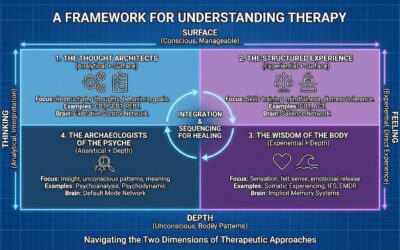
Healing from the effects of eggshell parenting is possible, but it requires working at multiple levels—cognitive, emotional, somatic, and relational. Simple insight is rarely sufficient; the patterns are too deep, too automatic, too embedded in the body and nervous system.
Recognizing the Pattern
The first step is recognition: naming what happened, understanding it as a real thing with real effects, and beginning to contextualize your current struggles within this history. Many adults who grew up on eggshells have minimized their experience (“It wasn’t that bad,” “Other people had it worse,” “They did the best they could”). While these statements may contain truth, they can also serve to keep the trauma unprocessed.
Allowing yourself to acknowledge that the unpredictability was genuinely harmful—that you deserved consistency and safety that you didn’t receive—is often the beginning of healing.
Working with the Nervous System
Because eggshell parenting shapes the nervous system, healing must include approaches that work directly with the body. Talk therapy alone, while valuable, may not reach the subcortical patterns that keep you in a state of chronic alert.
Brainspotting works with the midbrain and limbic system, accessing and processing trauma that is stored below the level of conscious narrative. The neurological mechanisms of Brainspotting allow direct work with the subcortical alarm systems that were shaped by early unpredictability.
EMDR similarly works with the brain’s information processing systems to help metabolize traumatic memories that remain “stuck” in their original, unprocessed form. Early attachment experiences can be processed and integrated, reducing their ongoing charge.
Somatic approaches help develop awareness of how the body holds and expresses the trauma of unpredictability. Learning to track body sensations, to titrate arousal, and to discharge stored stress responses is essential for genuine healing.
Reparenting the Inner Child
The child who grew up on eggshells never received the consistent, attuned caregiving they needed. While we cannot change the past, we can provide that care now—to the part of ourselves that remains that wounded child.
Inner child work involves developing a relationship with the young parts of yourself that carry the original wounds. This isn’t about indulging in self-pity; it’s about providing the internal parenting you never received externally. Learning to offer yourself the consistency, attunement, and unconditional positive regard that was missing creates new internal structures that can support adult functioning.
Parts-based therapy, such as Internal Family Systems, is particularly valuable for this work. IFS understands the psyche as composed of multiple parts—some that carry the wounds of the past (exiles), some that manage and protect (managers), and some that react when the system is overwhelmed (firefighters). The hypervigilance, people-pleasing, and emotional dysregulation that develop from eggshell parenting can be understood as parts doing their best to protect the system. Working with these parts—understanding their protective intent, helping them trust that the adult Self can now handle things—can fundamentally shift internal dynamics.
Building New Relational Templates
Ultimately, relational wounds require relational healing. The therapeutic relationship itself can serve as a “corrective emotional experience”—an opportunity to have a relationship with a consistent, attuned other who doesn’t shift unpredictably, who can hold your experience without becoming dysregulated, who provides the stability that was missing in your original caregiving environment.
This doesn’t mean the therapist is perfect or that the therapy relationship is without ruptures. In fact, the rupture and repair process is essential: learning that relationships can survive conflict, that disagreement doesn’t mean abandonment, that your feelings can be tolerated by another person. Each successful repair creates new neural pathways, building evidence that relationships can be different from what you originally learned.
Addressing the Intergenerational Dimension
Eggshell parenting is often intergenerational. The parent who couldn’t regulate their emotions likely had their own history of unprocessed trauma, their own experience of growing up without adequate caregiving. This doesn’t excuse harmful behavior, but understanding the intergenerational dimension can help with the grief and complexity of healing.
It also highlights the stakes of doing this work. Research on parentification demonstrates that mothers who experienced role reversal in their own childhoods are more likely to engage in parentification with their own children. The patterns pass down unless they are consciously interrupted. Healing yourself is not only a personal matter—it’s also a gift to future generations.
From Survival to Thriving
The adaptations you developed to survive eggshell parenting are not flaws. They are evidence of your intelligence, your resilience, your capacity to cope with impossible circumstances. The hypervigilance that exhausts you kept you safe. The people-pleasing that depletes you maintained crucial relationships. The emotional disconnection that troubles you protected you from overwhelming pain.
But you are not in that environment anymore. The strategies that served survival can now be updated. The alarm system that was appropriately calibrated to a threatening environment can be recalibrated to your actual, current life. The self that went into hiding can slowly, carefully, begin to emerge.
This emergence is not quick or linear. There will be setbacks, periods of regression, moments when the old patterns reassert themselves with full force. This is normal. The nervous system doesn’t rewire overnight, and patterns that have been operating for decades take time to shift.
But with consistent work—at the level of the nervous system, the psyche, and relationships—genuine transformation is possible. Not just symptom management or coping strategies, but a fundamental shift in how you inhabit your life, your body, your relationships. The capacity for safety that was interrupted can be developed. The self that was suppressed can be reclaimed.
You learned to walk on eggshells because your survival depended on it. You can now learn to walk on solid ground.
When to Seek Professional Help
Consider working with a trauma-informed therapist if:
You recognize these patterns in yourself and they’re significantly impacting your quality of life. You struggle with chronic anxiety, hypervigilance, or difficulty relaxing. Your relationships are consistently troubled by patterns you can’t seem to change. You find yourself recreating the dynamics of your childhood in your adult relationships. You have difficulty knowing what you feel or what you want. You’re experiencing symptoms of depression, anxiety, or C-PTSD. You want to break the cycle and not pass these patterns to your own children.
At Taproot Therapy Collective, we specialize in working with adults who grew up in unpredictable environments. Using Brainspotting, EMDR, parts-based therapy, and somatic approaches, we help clients heal the wounds of the past and develop the capacity for safety, connection, and authentic self-expression.
We serve clients in Hoover and greater Birmingham, and offer teletherapy throughout Alabama including Montgomery and Tuscaloosa.
The path from survival to thriving is possible. You don’t have to walk it alone.
Joel Blackstock, LICSW-S, is the Clinical Director of Taproot Therapy Collective in Hoover, Alabama. He specializes in complex trauma, attachment, and depth psychology using Brainspotting, EMDR, and parts-based therapy.



















0 Comments