
A Clinician’s Comprehensive Analysis of Magnesium Forms, Absorption Science, and How to Optimize Your Nervous System
By Joel Blackstock, LICSW-S | Clinical Director, Taproot Therapy Collective
1. The Magnesium Crisis in Mental Health
If you’re reading this, you’ve probably searched “magnesium threonate vs glycinate” looking for answers about which form is best for anxiety, depression, sleep, or cognitive function. You’re not alone. These are among the most-searched magnesium terms in the mental health space, and for good reason.
The uncomfortable truth: We are experiencing an epidemic of magnesium deficiency, and it’s driving a parallel epidemic of mental health disorders.
Consider the data:
- Nearly 50% of Americans don’t meet the recommended daily intake for magnesium
- Up to 72% of children with ADHD show magnesium deficiency
- Magnesium is involved in over 300 enzymatic reactions in the human body
- The mineral is required for synthesis of every major neurotransmitter: serotonin, dopamine, GABA, norepinephrine
Yet most people taking magnesium supplements are wasting their money. They’re swallowing pills that their bodies can barely absorb, that never reach their brains, and that produce little more than loose stools.
This guide will change that. By the end, you’ll understand:
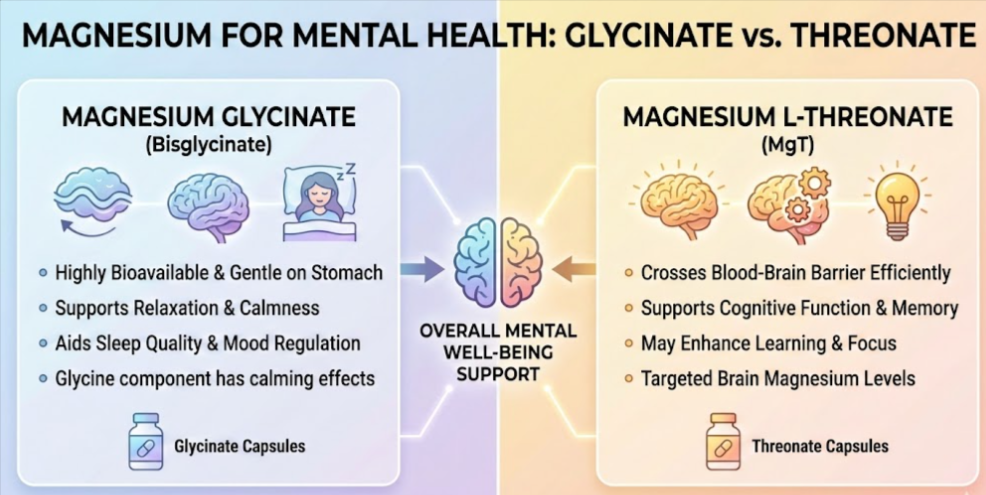
- Why magnesium L-threonate is the only form proven to significantly elevate brain magnesium levels
- When magnesium glycinate is the superior choice for somatic symptoms
- Why magnesium oxide (found in most cheap supplements) has only 4% absorption
- How to use magnesium to enhance the effectiveness of psychotherapy
- The connection between magnesium and qEEG-guided neuromodulation
- Why trendy magnesium drinks like Recess are using threonate
- How broad-spectrum micronutrient formulas like Hardy Daily Essential Nutrients solve the “rate-limiting” problem
Let’s begin.
2. Why Magnesium Form Matters More Than Dose
The Blood-Brain Barrier Problem
Here’s what most people don’t understand about magnesium supplementation: your brain operates behind a firewall.
The blood-brain barrier (BBB) is a selective membrane that protects your central nervous system from fluctuations in your bloodstream. It maintains cerebrospinal fluid (CSF) magnesium concentrations within a narrow homeostatic range, largely independent of your serum magnesium levels.
This means you can have “normal” blood magnesium levels while your brain is starving for the mineral. You can take 500mg of magnesium citrate daily and never meaningfully impact your brain magnesium status.
As research published in Neuron demonstrated, standard magnesium salts fail to cross this barrier effectively. The brain maintains its own magnesium economy, and most oral supplements simply cannot penetrate it.
The Absorption Problem
Before magnesium even reaches the blood-brain barrier, it faces another challenge: intestinal absorption.
Different magnesium compounds have dramatically different bioavailability:
| Magnesium Form | Absorption Rate | Notes |
|---|---|---|
| Magnesium Oxide | 4-15% | Most common in cheap supplements |
| Magnesium Citrate | 25-30% | Better, but still limited |
| Magnesium Glycinate | ~80% | High absorption via peptide transporters |
| Magnesium L-Threonate | Variable systemic, HIGH brain | Unique BBB penetration |
A landmark study published in the Journal of the American College of Nutrition found that magnesium citrate showed urinary excretion 0.22 mg/mg creatinine after loading, compared to just 0.006 mg/mg creatinine for magnesium oxide. That’s a 37-fold difference in bioavailability.
Yet even highly bioavailable forms like citrate and glycinate don’t solve the brain uptake problem. For that, we need a different strategy entirely.
3. Magnesium L-Threonate: The Brain’s Preferred Form
What Is Magnesium L-Threonate?
Magnesium L-Threonate (MgT), sold under the brand name Magtein®, was developed at MIT specifically to solve the blood-brain barrier problem. It consists of magnesium bound to L-threonate, a metabolite of vitamin C.
This isn’t just another chelated mineral. The L-threonate molecule acts as a molecular “Trojan Horse,” hijacking active transport mechanisms that standard magnesium cannot access.
The Science: How Threonate Crosses the Blood-Brain Barrier
Research published in Neuron by Dr. Guosong Liu and colleagues at MIT demonstrated that MgT elevates cerebrospinal fluid (CSF) magnesium levels by 7-15% in animal models following oral administration.
This may sound modest, but it represents a magnitude of elevation that is:
- Pharmacologically significant for neural function
- Unattainable with equivalent doses of magnesium chloride, citrate, or other forms
- Sufficient to produce measurable changes in synaptic density
The mechanism appears to involve the glucose transport system, specifically GLUT1 and GLUT3 transporters expressed on endothelial cells of the BBB. The L-threonate moiety facilitates active transport rather than relying on passive diffusion or paracellular transport.
What Magnesium L-Threonate Does in the Brain
Once MgT crosses the blood-brain barrier, it produces effects qualitatively different from simple magnesium repletion:
1. Upregulation of NR2B Subunits
The NMDA receptor is critical for learning, memory, and synaptic plasticity. It’s composed of NR1 and NR2 subunits. The NR2B subunit is characteristic of “youthful” brains and is associated with high plasticity and learning potential.
PubMed research demonstrates that MgT selectively upregulates NR2B expression in the hippocampus and prefrontal cortex—the brain regions most critical for memory and executive function.
2. Synaptogenesis (New Synapse Formation)
This is the remarkable part. MgT doesn’t just protect existing synapses—it drives the structural formation of new ones.
Through activation of the CaMKII-CREB-BDNF pathway downstream of NMDA receptors, MgT increases synaptophysin-positive puncta (synaptic boutons) in the prefrontal cortex and hippocampus. Quantitative analysis in rodent models shows this effectively reverses the synaptic atrophy associated with aging and chronic stress.
3. Enhanced BDNF Expression
Brain-Derived Neurotrophic Factor (BDNF) is often called “fertilizer for the brain.” It’s essential for:
- Survival of existing neurons
- Growth of new neurons and synapses
- Neuroplasticity and learning
Research from Frontiers in Neuroscience confirms that elevated brain magnesium promotes neuronal differentiation through the ERK/CREB pathway and enhances BDNF expression.
4. Fear Extinction Enhancement
For trauma treatment, this may be the most clinically relevant finding. PubMed research shows that MgT enhances retention of fear extinction learning without erasing the original fear memory.
What does this mean practically? The prefrontal cortex becomes better able to inhibit the amygdala. The brain can overwrite traumatic associations with safety associations. This is pharmacologically distinct from the sedation provided by benzodiazepines—it’s actual neural restructuring.
Clinical Applications of Magnesium L-Threonate
Cognitive Decline and Memory
A randomized, double-blind, placebo-controlled trial demonstrated that 12 weeks of MgT supplementation significantly improved executive function and memory in subjects with cognitive impairment, effectively reversing their “brain age” by approximately nine years.
Anxiety and PTSD
By enhancing plasticity in prefrontal-amygdala circuitry and increasing inhibitory connections, MgT facilitates the brain’s natural capacity to regulate fear. This isn’t anxiolytic sedation—it’s structural enhancement of the neural circuits that govern emotional regulation.
Sleep Quality
A clinical trial published in PMC found that MgT improves sleep quality and daytime functioning in adults with self-reported sleep problems.
Alzheimer’s Disease
Research in Molecular Brain showed that MgT reduced Aβ-plaque, prevented synapse loss, and reversed memory decline in transgenic Alzheimer’s mice. Remarkably, MgT was effective even when given at the end-stage of pathological progression.
Best Use Cases for Magnesium L-Threonate
- Cognitive enhancement and brain fog
- Memory problems and age-related decline
- PTSD and trauma processing
- Treatment-resistant depression (as adjunct)
- Supporting psychotherapy effectiveness
- Neuroplasticity enhancement for any purpose
4. Magnesium Glycinate: The Somatic Stabilizer
What Is Magnesium Glycinate?
Magnesium Glycinate (also called magnesium bisglycinate) consists of one magnesium ion bound to two molecules of the amino acid glycine. This chelated structure is chemically robust, protecting the magnesium from:
- Stomach acid degradation
- Phytate binding (anti-nutrients in grains)
- Phosphate precipitation
Absorption Mechanism: The Peptide Transporter Advantage
Unlike standard magnesium salts that rely on saturable ion channels, magnesium glycinate is absorbed via the PEPT1 dipeptide transporter in the jejunum. This is the same high-capacity active transport system used for protein absorption.
Research confirms that this mechanism confers two distinct advantages:
1. High Bioavailability One study found magnesium glycinate had a fractional absorption rate of 18.8% compared to just 4% for magnesium oxide—nearly a 5-fold difference.
2. Gastrointestinal Tolerance Because the magnesium is shielded within the amino acid complex, it doesn’t draw water into the intestine via osmosis. This virtually eliminates the laxative effects that make magnesium citrate and oxide dose-limiting for many people.
The Glycine Synergy: Why the Ligand Matters
The therapeutic profile of magnesium glycinate isn’t just about magnesium delivery—it’s a composite of magnesium AND glycine effects. This distinction is often overlooked.
Glycine as Inhibitory Neurotransmitter
Glycine acts as a major inhibitory neurotransmitter in the brainstem and spinal cord, activating chloride currents that hyperpolarize neurons and reduce firing rates. When you take magnesium glycinate, you’re getting therapeutic doses of both calming agents.
Sleep Architecture and Thermoregulation
Research shows that oral glycine triggers a reduction in core body temperature by promoting peripheral vasodilation—a physiological prerequisite for the onset of Non-Rapid Eye Movement (NREM) sleep.
Furthermore, glycine modulates NMDA receptors in the suprachiasmatic nucleus (the master circadian clock), helping to regularize sleep-wake cycles.
When combined with magnesium’s role as a calcium channel blocker (which relaxes skeletal and smooth muscle), magnesium glycinate becomes a potent agent for treating what I call “somatic insomnia”—inability to sleep due to physical tension or restlessness.
Gut-Brain Axis Support
Glycine is a primary constituent of collagen and is essential for intestinal mucosal barrier integrity. In psychiatric conditions comorbid with gastrointestinal dysfunction (common in autism, anxiety, and “functional” presentations), magnesium glycinate serves dual purposes:
- Magnesium repletion for neurological function
- Glycine provision for gut wall repair
This “somatic stabilization” is critical for reducing the systemic inflammation that drives neuro-inflammation.
Clinical Applications of Magnesium Glycinate
Insomnia and Sleep Disturbance
For patients whose sleep difficulties involve physical tension, restlessness, or difficulty “shutting off” the body, magnesium glycinate is often more effective than threonate. The dual action of muscle relaxation + glycine’s sleep-promoting effects addresses the somatic component that pure cognitive interventions miss.
Anxiety with Physical Symptoms
Magnesium glycinate excels when anxiety manifests somatically: muscle tension, chest tightness, jaw clenching, restless legs. The glycine component provides additional GABAergic calming beyond what magnesium alone delivers.
Constipation
Unlike magnesium oxide or citrate (which often cause diarrhea), glycinate provides gentle bowel support without the osmotic laxative effect. For patients with sluggish bowels—common in depression and anxiety—this is a meaningful advantage.
Muscle Cramps and Pain
Magnesium’s role as a calcium channel blocker makes glycinate the preferred form for musculoskeletal complaints. It’s particularly useful for:
- Nocturnal leg cramps
- Tension headaches
- Fibromyalgia-related muscle pain
- Exercise recovery
Best Use Cases for Magnesium Glycinate
- Sleep difficulties with physical tension component
- Somatic anxiety (muscle tightness, restlessness)
- GI dysfunction with mental health comorbidity
- Muscle cramps and physical discomfort
- Patients sensitive to GI side effects
- General magnesium repletion with excellent tolerability
5. Head-to-Head Comparison: Magnesium L-Threonate vs Magnesium Glycinate
Summary Comparison Table
| Feature | Magnesium L-Threonate | Magnesium Glycinate |
|---|---|---|
| Primary Target | Brain/CNS | Peripheral nervous system, muscles, gut |
| BBB Penetration | Superior (7-15% CSF elevation) | Moderate (depends on systemic saturation) |
| Absorption Mechanism | GLUT transporters, active transport | PEPT1 peptide transporter |
| GI Tolerance | Good | Excellent (best tolerated form) |
| Laxative Effect | Minimal | Minimal |
| Elemental Mg per dose | ~144mg (2000mg compound) | ~200-400mg |
| Synergistic Compound | L-threonate (Vitamin C metabolite) | Glycine (inhibitory amino acid) |
| Primary Indications | Cognitive decline, memory, PTSD, treatment-resistant depression, neuroplasticity | Insomnia, somatic anxiety, muscle tension, constipation, general repletion |
| Synaptogenesis | Yes (demonstrated) | Not specifically studied |
| BDNF Enhancement | Yes (demonstrated) | Indirect via stress reduction |
| Cost | Higher ($40-60/month) | Moderate ($15-30/month) |
| Timing | Morning or divided doses | Evening (sleep) or as needed |
When to Choose Threonate
Choose magnesium L-threonate when the primary goal is:
- Cognitive enhancement: Memory, focus, brain fog
- Structural brain change: Increasing synaptic density, supporting neuroplasticity
- Trauma processing: Enhancing fear extinction, supporting EMDR/Brainspotting
- Treatment-resistant depression: As adjunct to enhance plasticity
- Aging brain: Preventing or reversing cognitive decline
- “Rewiring” the brain: Any condition where you’re trying to change neural patterns
When to Choose Glycinate
Choose magnesium glycinate when the primary goal is:
- Physical relaxation: Muscle tension, somatic anxiety
- Sleep improvement: Especially with restlessness component
- GI sensitivity: When other forms cause digestive upset
- General repletion: When you need reliable magnesium absorption
- Muscle and pain issues: Cramps, tension headaches, fibromyalgia
- Budget-conscious: When cost is a significant factor
Can You Take Both?
Yes, and this is often the optimal approach.
The forms work through different mechanisms and have complementary effects. A common protocol:
- Morning: Magnesium L-Threonate (1-2 capsules) for cognitive support
- Evening: Magnesium Glycinate (200-400mg) for sleep and relaxation
This provides both brain-targeted and peripheral benefits. The forms don’t compete for absorption, and total magnesium intake remains within safe ranges.
6. The Bioavailability Problem: Why Most Magnesium Supplements Fail
The Magnesium Oxide Scandal
Walk into any pharmacy or grocery store and the most common magnesium supplement you’ll find is magnesium oxide. It’s cheap to manufacture, has a high elemental magnesium content (60%), and appears to offer great value.
It’s also nearly useless for most purposes.
A landmark study in the Journal of the American College of Nutrition found that magnesium oxide has a fractional absorption rate of just 4%. A 2001 comparative study confirmed “relatively poor absorption of Magnesium Oxide (fractional absorption 4%) and significantly higher absorption” for other forms.
What does this mean practically? If you take 500mg of magnesium oxide:
- You absorb approximately 20mg
- The rest passes through your GI tract
- It draws water into your intestines (osmotic effect)
- You get diarrhea
- You think magnesium “doesn’t work for you”
This is why so many people have tried magnesium and been disappointed. They were taking a form that never really entered their system.
Why Oxide Persists
If magnesium oxide is so poorly absorbed, why is it everywhere?
- High elemental magnesium: 60% by weight (glycinate is 14%, threonate is 8%)
- Label appeal: “500mg magnesium” looks impressive
- Manufacturing cost: Cheapest to produce
- Consumer ignorance: Most people don’t know about bioavailability
- Regulatory loophole: Labels show total magnesium, not absorbed amount
The Chelation Solution
Chelated magnesium forms (where magnesium is bound to organic molecules) solve many absorption problems:
Amino Acid Chelates (Glycinate, Taurate, Malate):
- Protected from stomach acid
- Use peptide transporters for absorption
- Don’t bind to dietary phytates
- Minimal GI side effects
Organic Acid Chelates (Citrate, Malate):
- Better solubility than oxide
- Moderate absorption improvement
- Still rely primarily on ion channels
Specialized Chelates (Threonate):
- Designed for specific transport mechanisms
- Target blood-brain barrier penetration
- Represent pharmaceutical-grade engineering
How to Identify Quality Supplements
When evaluating magnesium supplements, look for:
- Form specification: “Magnesium (as magnesium bisglycinate)” not just “Magnesium”
- Chelate verification: “Fully reacted” or “chelated” rather than blends
- Third-party testing: NSF, USP, or independent lab verification
- Elemental magnesium disclosure: How much actual magnesium per dose
- No oxide fillers: Some “glycinate” products are mostly oxide with glycinate added
7. Other Magnesium Forms Explained
Magnesium Citrate
What it is: Magnesium bound to citric acid
Absorption: 25-30%, significantly better than oxide
Primary use: Constipation relief, general supplementation
Pros:
- Well-studied
- Good bioavailability
- Affordable
- Supports energy production (citric acid enters Krebs cycle)
Cons:
- Can cause loose stools at higher doses
- No special brain penetration
- Some people experience cramping
Best for: People who need reliable magnesium absorption with mild constipation
Magnesium Taurate
What it is: Magnesium bound to taurine (amino acid)
Primary use: Cardiovascular health, blood pressure support
Unique benefits:
- Taurine has its own cardiovascular benefits
- May support healthy heart rhythm
- Calming effect from taurine
Best for: People with cardiovascular concerns alongside magnesium deficiency
Magnesium Malate
What it is: Magnesium bound to malic acid
Primary use: Energy production, fibromyalgia
Unique benefits:
- Malic acid is involved in ATP production
- Some evidence for fibromyalgia support
- May reduce muscle pain
Best for: Chronic fatigue, fibromyalgia, exercise recovery
Magnesium Chloride
What it is: Magnesium bound to chloride (inorganic salt)
Primary use: Topical application, transdermal absorption
Unique benefits:
- Can be absorbed through skin (controversial)
- Available as oils, lotions, bath flakes
- Good for localized muscle relief
Best for: Topical application, people who can’t tolerate oral supplements
Magnesium Sulfate (Epsom Salt)
What it is: Magnesium bound to sulfate
Primary use: Baths, topical muscle relief
Unique benefits:
- Relaxing bath experience
- Sulfate may support detoxification
- Inexpensive
Note: Oral bioavailability is poor; primarily used topically
Magnesium Orotate
What it is: Magnesium bound to orotic acid
Primary use: Athletic performance, heart health
Unique benefits:
- Orotic acid may support cardiac function
- Some evidence for exercise performance
- Good absorption
Best for: Athletes, cardiac patients under physician guidance
Quick Reference: Which Form for Which Purpose?
| Goal | Best Form(s) |
|---|---|
| Brain/cognitive function | L-Threonate |
| Sleep | Glycinate, Threonate |
| Anxiety (mental) | Threonate, Glycinate |
| Anxiety (physical/somatic) | Glycinate |
| Constipation | Citrate, Oxide |
| Muscle cramps | Glycinate, Malate |
| Heart health | Taurate, Orotate |
| Fibromyalgia | Malate, Glycinate |
| General deficiency | Glycinate, Citrate |
| Budget option | Citrate |
| Topical use | Chloride, Sulfate |
8. Magnesium and Neuroplasticity: The Science of Rewiring Your Brain
What Is Neuroplasticity?
Neuroplasticity is the brain’s capacity to reorganize itself by forming new neural connections throughout life. It’s the mechanism underlying:
- Learning new skills
- Recovering from brain injury
- Changing habits and patterns
- Processing trauma
- Adapting to new circumstances
For decades, neuroscience believed the adult brain was essentially fixed—that after childhood, neural architecture was set. We now know this is false. The brain remains plastic throughout life, though the capacity for plasticity varies based on numerous factors.
Magnesium, it turns out, is one of those factors.
Magnesium’s Role in Synaptic Plasticity
The NMDA receptor is the molecular gateway to neuroplasticity. When activated appropriately, it triggers cascades that strengthen synapses (long-term potentiation, LTP) or weaken them (long-term depression, LTD). This is how the brain encodes new information and unlearns old patterns.
Here’s the critical point: Magnesium acts as the physiological gatekeeper of the NMDA receptor.
At resting membrane potential, magnesium ions block the NMDA receptor channel. This prevents chronic activation (which would cause excitotoxicity) while allowing the receptor to respond to meaningful, patterned input.
When a neuron receives strong, correlated input—the kind associated with learning—depolarization removes the magnesium block and allows calcium influx through the NMDA receptor. This triggers the molecular machinery of plasticity.
Insufficient magnesium disrupts this system in multiple ways:
- NMDA receptors become chronically leaky (excitotoxicity)
- Signal-to-noise ratio degrades (everything activates the receptor)
- Synaptic plasticity is impaired (the brain can’t distinguish meaningful input)
- Learning and memory suffer
Magnesium L-Threonate and Structural Plasticity
What makes magnesium L-threonate remarkable isn’t just that it enhances plasticity—it’s that it drives structural changes in neural architecture.
The original MIT research demonstrated that MgT-treated rats had:
- Higher density of synaptophysin-positive puncta (presynaptic terminals)
- Increased synaptobrevin expression (vesicle docking protein)
- More functional presynaptic release sites
- Enhanced synaptic transmission for burst inputs
In plain language: MgT causes the brain to grow new connections.
This isn’t metaphorical. Under electron microscopy, you can count more synapses. The brain has literally restructured itself.
The BDNF Connection
Brain-Derived Neurotrophic Factor (BDNF) is often called “Miracle-Gro for the brain.” It:
- Supports survival of existing neurons
- Promotes growth of new neurons (neurogenesis)
- Encourages formation of new synapses
- Protects against neurodegeneration
Low BDNF is associated with depression, anxiety, Alzheimer’s, and other conditions where plasticity is impaired.
Research confirms that elevated brain magnesium increases BDNF expression through the CREB signaling pathway. This provides a mechanistic explanation for how magnesium supports neuroplasticity at the molecular level.
Practical Implications for Brain Change
If you’re trying to:
- Learn a new skill
- Change a habit
- Process trauma
- Recover from depression
- Improve cognitive function
…then optimizing magnesium status (particularly brain magnesium via threonate) provides the neurobiological substrate for change to occur.
Think of it this way: Therapy provides the software update. Magnesium ensures the hardware can accept it.
The Plasticity Window Problem
Psychotherapy works by changing neural patterns. Cognitive-behavioral therapy rewires the relationship between thoughts, emotions, and behaviors. Trauma therapies like EMDR and Brainspotting help the brain reprocess traumatic memories. Exposure therapy extinguishes fear associations.
All of these require neuroplasticity. The brain must be able to form new connections and weaken old ones.
Here’s the problem: plasticity isn’t constant. It varies based on:
- Age (younger = more plastic)
- Sleep quality
- Exercise
- Stress levels
- Nutritional status
- And yes, magnesium levels
Many clients come to therapy with brains that are plasticity-impaired. They’re chronically stressed, poorly nourished, sleep-deprived, and magnesium-deficient. They engage in therapy, do the homework, show up consistently—and plateau.
The therapeutic interventions are correct. The neurobiological substrate is inadequate.
Magnesium as Therapeutic Adjunct
This is why I’ve become increasingly interested in magnesium as a therapeutic adjunct, particularly magnesium L-threonate.
For trauma processing: MgT enhances fear extinction learning without erasing original memories. This means the brain becomes better at creating new safety associations without losing adaptive fear responses. For EMDR and Brainspotting, this translates to more efficient processing.
For depression: Treatment-resistant depression often involves synaptic atrophy in the prefrontal cortex and hippocampus. MgT’s synaptogenic effects may “re-open the plasticity window,” allowing therapeutic interventions to take root where they previously couldn’t.
For anxiety: Rather than sedating the anxious brain (benzodiazepine approach), MgT enhances the prefrontal cortex’s capacity to inhibit the amygdala. This is structural change, not chemical suppression.
For ADHD: The prefrontal cortex deficits in ADHD may be partially addressed by MgT’s capacity to increase synaptic density in this region. Coupled with magnesium glycinate for somatic restlessness, a comprehensive approach emerges.
A Clinical Framework
In my practice, I think about magnesium supplementation in three tiers:
Tier 1: Foundation Ensure adequate magnesium status through diet and broad-spectrum supplementation (like Hardy Daily). This addresses the baseline deficit that impairs all brain function.
Tier 2: Somatic Stabilization Add magnesium glycinate if there are significant somatic symptoms: sleep disturbance, muscle tension, GI dysfunction, physical anxiety. This calms the peripheral nervous system so therapeutic work can proceed.
Tier 3: Plasticity Enhancement Add magnesium L-threonate specifically during intensive therapeutic work—trauma processing, habit change, skill acquisition. This optimizes the brain’s capacity to rewire.
The client isn’t just doing therapy. They’re doing therapy with a brain optimized for change.
10. Magnesium and qEEG: The Neuromodulation Connection
What Is qEEG?
Quantitative electroencephalography (qEEG) measures brain electrical activity and compares it to normative databases. It reveals patterns associated with:
- Depression (often excess slow-wave activity in frontal regions)
- Anxiety (often excess high-beta activity)
- ADHD (often excess theta, reduced beta)
- Trauma (often dysregulated arousal patterns)
qEEG-guided interventions then target these specific patterns through neurofeedback, transcranial stimulation, or other neuromodulation approaches.
Magnesium’s Relevance to qEEG Patterns
Magnesium affects virtually every mechanism that qEEG measures:
Excitatory/Inhibitory Balance: Magnesium blocks NMDA receptors, reducing excitatory tone. Deficiency produces an overexcitable brain that shows up as excess high-frequency activity (high-beta, gamma) on qEEG.
GABAergic Function: Magnesium supports GABA synthesis and function. Poor GABA activity appears on qEEG as inadequate inhibition—the brain can’t properly “brake.”
Sleep Architecture: Magnesium deficiency disrupts sleep, which produces characteristic qEEG changes in waking EEG (increased slow-wave intrusion, reduced alpha).
Neuroinflammation: Chronic inflammation affects brain electrical activity. Magnesium’s anti-inflammatory effects may normalize these patterns.
Optimizing Neuromodulation with Magnesium
If you’re doing neurofeedback or other qEEG-guided interventions, magnesium optimization may enhance outcomes:
Pre-training: Ensure adequate magnesium status before beginning neuromodulation. A nutrient-depleted brain may have reduced capacity for the plasticity that neurofeedback requires.
During training: Magnesium L-threonate specifically may enhance the brain’s ability to learn new patterns during neurofeedback sessions.
Maintenance: Ongoing magnesium support helps maintain gains by supporting the neural infrastructure underlying new patterns.
Clinical Observation
In our practice, we’ve observed that clients who optimize nutrition (including magnesium) before or during neurofeedback training often:
- Show faster learning curves
- Require fewer sessions to reach criteria
- Maintain gains more durably
This makes mechanistic sense. Neurofeedback is essentially operant conditioning of brain activity. Conditioning requires plasticity. Plasticity requires adequate magnesium.
11. Magnesium in Functional Beverages: The Recess Phenomenon
The Rise of “Relaxation Beverages”
Something interesting has happened in the beverage industry. A new category has emerged: functional drinks designed for relaxation rather than stimulation.
Leading this category is Recess, a brand that has grown into a $100+ million business and is now the largest alcohol alternative brand on Amazon.
Recess explicitly positions itself as “the Red Bull for Relaxation.” Where energy drinks exploit caffeine and stimulants, Recess exploits… magnesium L-threonate.
What’s in Recess Mood?
According to Recess’s FAQ, their Mood line contains:
- Magnesium L-Threonate: “A form of magnesium shown to raise magnesium levels in the brain”
- Magnesium Glycinate: For additional calming effect
- Magnesium Citrate: For general absorption
- L-Theanine: Amino acid from green tea that promotes calm focus
- Lemon Balm: Traditional calming herb
- Active Vitamin B6 (P-5-P): Cofactor for neurotransmitter synthesis
Their powder formulations contain 1.6g of this proprietary magnesium blend per serving, representing half the daily recommended magnesium intake.
Why This Matters
The Recess phenomenon illustrates several important points:
1. Consumer Demand for Non-Pharmaceutical Solutions People are actively seeking ways to manage stress and anxiety without alcohol, benzodiazepines, or other problematic substances. There’s a $25 billion energy drink market built on stimulation; the market for relaxation products is just beginning.
2. Magnesium L-Threonate Going Mainstream A few years ago, threonate was an obscure nootropic known mainly to biohackers. Now it’s a featured ingredient in beverages sold at Target, Whole Foods, and Trader Joe’s. Consumer awareness is rising.
3. The Adaptogen Marketing Angle Recess and similar brands market their ingredients as “adaptogens”—substances that help the body adapt to stress. While magnesium isn’t technically an adaptogen in the traditional sense (those are herbs like ashwagandha and rhodiola), the marketing reflects how consumers think about these products.
4. Alcohol Replacement Recess Zero Proof mocktails are explicitly positioned as alcohol alternatives for social situations. This reflects the “sober curious” movement and growing desire for drinks that provide relaxation without intoxication.
The Limitations of Beverage Delivery
While innovative, functional beverages have constraints:
Dosing: A single can of Recess contains perhaps 100-200mg of their magnesium blend. Therapeutic protocols for cognitive enhancement typically use 1500-2000mg of MgT compound daily. The beverage provides a “mood lift,” not clinical intervention.
Cost: At $3-4 per can, daily use becomes expensive compared to capsule supplementation.
Absorption: Liquid delivery may actually enhance absorption for some nutrients, but the convenience comes with diluted doses.
Other ingredients: The L-theanine, lemon balm, and other components provide additional effects, making it difficult to isolate what’s actually doing what.
The Bottom Line
Recess and similar products are interesting cultural phenomena that have introduced magnesium L-threonate to mainstream consumers. They may provide mild relaxation benefits and serve as alcohol alternatives.
For clinical purposes—treating anxiety, depression, cognitive decline, or supporting therapy—you’ll need higher doses delivered through proper supplementation rather than flavored sparkling water.
12. Magnesium for Specific Mental Health Conditions
ADHD
The Deficit: Up to 72% of children with ADHD show magnesium deficiency, often correlated with symptom severity. Magnesium is essential for dopamine synthesis (Tyrosine Hydroxylase is magnesium-dependent) and for the “brake pedal” function of prefrontal executive control.
The Evidence: Studies from the WHO database show that magnesium supplementation improves attention and reduces hyperactivity in children with ADHD.
Which Form:
- Magnesium L-Threonate: For working memory and executive function deficits (the “inattentive” presentation)
- Magnesium Glycinate: For hyperactivity, restlessness, and sleep problems (the “hyperactive/impulsive” presentation)
- Broad-spectrum formulas: To address the full cofactor picture (see Hardy Daily section below)
Depression
The Mechanism: Current models suggest depression involves synaptic atrophy in the hippocampus and prefrontal cortex, mediated by chronic stress and BDNF downregulation. Magnesium is required for BDNF transcription and NMDA receptor function.
The Evidence: Multiple studies demonstrate that magnesium deficiency correlates with depression severity, and supplementation can produce rapid antidepressant effects.
Which Form:
- Magnesium L-Threonate: For treatment-resistant depression, as adjunct to enhance plasticity
- Magnesium Glycinate: When depression is accompanied by significant somatic symptoms (fatigue, muscle aches, sleep disturbance)
- Combination: Often most effective
Anxiety Disorders
The Mechanism: Anxiety involves excessive excitatory signaling and inadequate inhibitory control. Magnesium blocks NMDA receptors and supports GABAergic function, providing both excitatory dampening and inhibitory enhancement.
Generalized Anxiety: Respond well to glycinate for somatic symptoms, threonate for the cognitive/worry component
Panic Disorder: Glycinate for physical symptoms; threonate to enhance extinction learning for panic cues
PTSD: Threonate is particularly relevant for enhancing fear extinction and supporting trauma processing
Autism Spectrum Disorder
The Historical Context: The use of Magnesium + B6 in autism dates to Dr. Bernard Rimland’s work in the 1960s-70s. He found that high-dose B6 reduced autistic behaviors but caused side effects that magnesium neutralized.
The Mechanism: ASD involves “Excitatory/Inhibitory Imbalance”—typically excess glutamate and deficient GABA. Magnesium is the physiological gatekeeper of the NMDA receptor; without sufficient magnesium, these receptors remain chronically open, causing excitotoxicity.
The Evidence: French studies by Martineau and Lelord confirmed improvements in social responsiveness and normalization of brain wave responses to sensory stimuli with Mg+B6.
Which Form:
- Magnesium Glycinate: Preferred for GI sensitivity and comorbid constipation (common in ASD)
- Magnesium L-Threonate: Theoretical benefit for synaptic normalization
- Liquid/powder forms: For children with swallowing difficulties
Insomnia
The Mechanism: Sleep requires the orchestrated reduction of excitatory tone, activation of GABAergic inhibition, and decrease in core body temperature. Magnesium supports all three.
Which Form:
- Magnesium Glycinate: Best choice due to glycine’s additional sleep-promoting effects (thermoregulation, GABA enhancement)
- Magnesium L-Threonate: Has sleep benefits as well; may be better for sleep problems related to a “busy mind”
13. The Rate-Limiting Problem: Why Isolated Magnesium Isn’t Enough
The Neurotransmitter Synthesis Cascade
Here’s something crucial that single-nutrient thinking misses: neurotransmitter synthesis requires a symphony of cofactors.
Serotonin Synthesis: Tryptophan → 5-HTP (requires Iron, Calcium) → Serotonin (requires Magnesium, Vitamin B6, Zinc)
Dopamine Synthesis: Tyrosine → L-DOPA (requires Iron, Calcium) → Dopamine (requires Magnesium, Vitamin B6, Zinc, Copper)
GABA Synthesis: Glutamate → GABA (requires Pyridoxal-5-Phosphate, the active form of B6)
The Bottleneck Effect
If you supplement magnesium but are deficient in B6 or zinc, you’ve created a metabolic bottleneck. The assembly line has plenty of one component and is starving for others. Production stalls.
This explains why single-nutrient trials often show inconsistent results. Study A finds magnesium helps depression; Study B finds no effect. The difference may be whether subjects had adequate levels of the other required cofactors.
The Cofactor Web
The nutrients involved in mental health don’t work in isolation. They form an interconnected web:
- B6 (Pyridoxine): Required for conversion of 5-HTP to serotonin, DOPA to dopamine, and glutamate to GABA
- Zinc: Cofactor for over 300 enzymes; modulates NMDA receptors; required for neurotransmitter synthesis
- Iron: Required for tyrosine hydroxylase (dopamine synthesis) and tryptophan hydroxylase (serotonin synthesis)
- Folate: Required for methylation cycles that affect neurotransmitter synthesis
- B12: Works with folate in methylation; deficiency causes neurological symptoms
- Vitamin D: Functions like a neurosteroid; deficiency linked to depression
- Omega-3s: Structural components of neuronal membranes; affect receptor function
Supplementing magnesium while ignoring these cofactors is like trying to bake a cake with only flour.
The MTHFR Factor
This becomes even more critical for people with MTHFR genetic variants (common in ADHD and autism populations). These individuals have impaired ability to convert folic acid to its active form (methylfolate). They need:
- Pre-methylated B vitamins (methylfolate, methylcobalamin)
- Adequate magnesium (required for methylation enzymes)
- Cofactors that work together
A broad-spectrum approach that includes all of these becomes essential.
14. Hardy Daily Essential Nutrients: The Comprehensive Approach
Why Broad-Spectrum Matters
The limitations of single-nutrient approaches have led to the development of Broad-Spectrum Micronutrient (BSM) formulas designed specifically for psychiatric applications.
The most researched of these is Hardy Daily Essential Nutrients, which has been the subject of over 35 peer-reviewed studies, including randomized controlled trials for ADHD, autism, depression, anxiety, and stress resilience.
The Research Base
ADHD: Dr. Julia Rucklidge’s studies at the University of Canterbury found that participants taking Daily Essential Nutrients showed significant improvements in attention, emotional regulation, and global functioning compared to placebo. The “responder rate” was nearly double that of placebo.
Stress Resilience: Following the Christchurch earthquakes in New Zealand, researchers found that people taking broad-spectrum micronutrients showed significantly lower stress and anxiety scores and higher emotional resilience compared to matched controls.
Autism: Studies indicate that broad-spectrum micronutrients reduce aggression, self-injury, and emotional dysregulation in children with ASD.
The NutraTek™ Technology
What distinguishes Hardy from standard multivitamins is their NutraTek™ Chelation Complex, a proprietary 72-hour wet chelation process that creates mineral-amino acid complexes:
Process:
- Minerals are dissolved in liquid medium to create free ions
- Amino acids derived from yeast protein hydrolysates are introduced
- Over 72 hours, minerals chemically bond to amino acids
- Result: electrically neutral, chemically stable mineral-organic complexes
Why This Matters:
Unlike “dry blending” (physically mixing mineral powders), this process creates true chelates that:
- Are protected from stomach acid degradation
- Don’t bind to dietary anti-nutrients (phytates)
- Use peptide transporters for absorption (similar to magnesium glycinate)
- Facilitate blood-brain barrier transport via amino acid carriers
The Complete Cofactor Picture
Hardy Daily Essential Nutrients provides:
- Magnesium (as NutraTek chelate)
- Zinc (essential ADHD/autism cofactor)
- Vitamin B6 (as P-5-P, the active form)
- Methylfolate (for MTHFR variants)
- Methylcobalamin (active B12)
- Vitamin D
- Full spectrum of vitamins and minerals
This addresses the “rate-limiting” problem by ensuring all required cofactors are present for neurotransmitter synthesis.
Integrating Hardy with Targeted Magnesium
A comprehensive protocol might look like:
Foundation: Hardy Daily Essential Nutrients (12 capsules daily, titrated up)
- Provides baseline magnesium and all cofactors
- Addresses systemic metabolic environment
- Builds resilience and stress tolerance
Add Magnesium Glycinate (200-400mg evening) if needed for:
- Sleep difficulties
- Somatic anxiety
- Muscle tension
- Additional calming effect
Add Magnesium L-Threonate (1500-2000mg morning) if needed for:
- Cognitive enhancement
- Trauma processing (during intensive therapy)
- Treatment-resistant depression
- Plasticity-dependent goals
This tiered approach provides:
- Complete nutritional foundation
- Targeted peripheral nervous system support
- Targeted central nervous system enhancement
15. Dosing Guidelines and Safety Considerations
General Magnesium Recommendations
Recommended Daily Allowance (RDA):
- Adult men: 400-420mg
- Adult women: 310-320mg
- Pregnancy: 350-360mg
Tolerable Upper Intake Level (from supplements):
- 350mg from supplements (not including food)
- This limit exists due to potential laxative effects, not toxicity
Form-Specific Dosing
Magnesium L-Threonate:
- Standard dose: 1500-2000mg compound (providing ~144mg elemental magnesium)
- Timing: Morning or divided (morning/afternoon)
- Can cause mild stimulating effect; avoid evening dosing initially
Magnesium Glycinate:
- Standard dose: 200-400mg elemental magnesium
- Timing: Evening (for sleep) or as needed for muscle tension
- Very well tolerated; can dose higher if needed
Hardy Daily Essential Nutrients:
- Full dose: 12 capsules daily (provides ~360-600mg magnesium depending on formula)
- CRITICAL: Must titrate slowly (start with 1-2 capsules, increase over weeks)
- The titration process is essential to avoid side effects
Safety Considerations
Kidney Disease: Magnesium is excreted through kidneys. People with impaired kidney function should consult a physician before supplementing.
Medication Interactions: Magnesium can bind to certain medications (tetracyclines, quinolones, bisphosphonates), reducing their absorption. Take 2-4 hours apart.
Blood Pressure Medications: Magnesium may have additive effects with antihypertensives. Monitor and adjust as needed.
Symptoms of Excess: Diarrhea (usually the first sign), nausea, abdominal cramping. If these occur, reduce dose.
Symptoms of Toxicity (extremely rare with oral supplementation): Lethargy, confusion, abnormal heart rhythm. This requires extraordinarily high doses and is primarily a concern with IV magnesium.
Titration Protocol for Broad-Spectrum Formulas
When starting Hardy Daily or similar products:
Week 1: 1-2 capsules daily Week 2: 3-4 capsules daily Week 3: 5-6 capsules daily Week 4: 7-8 capsules daily Week 5+: Increase by 1-2 capsules weekly until full dose
This slow titration:
- Allows the body to adapt to increased nutrient levels
- Reduces risk of side effects (nausea, headache, GI upset)
- Permits dose-response assessment
- Is essential for these high-potency formulas
16. Frequently Asked Questions
Q: Can I take magnesium threonate and glycinate together?
A: Yes, and this is often optimal. They work through different mechanisms and have complementary benefits. A typical protocol uses threonate in the morning (for cognitive support) and glycinate in the evening (for sleep and relaxation).
Q: How long until I notice effects?
A: Glycinate effects on sleep and muscle tension are often noticeable within days. Threonate’s cognitive effects typically emerge over 4-12 weeks as brain magnesium levels rise and synaptic changes accumulate. Broad-spectrum nutrients like Hardy Daily may take 8-12 weeks for full effect.
Q: Will magnesium make me tired?
A: Glycinate may produce relaxation, especially when taken in the evening. Threonate is generally not sedating and some people find it mildly energizing. If threonate causes drowsiness, try taking it earlier in the day.
Q: Is magnesium safe during pregnancy?
A: Magnesium is generally considered safe and even beneficial during pregnancy (it’s used medically for preeclampsia). However, always consult your healthcare provider before starting any supplement during pregnancy.
Q: Can children take these supplements?
A: Magnesium supplementation in children should be supervised by a healthcare provider. Hardy Nutritionals offers pediatric formulations specifically researched for children with ADHD and autism. Dosing must be adjusted for body weight.
Q: What about magnesium from food?
A: Food sources (dark leafy greens, nuts, seeds, whole grains) are excellent but often insufficient due to soil depletion and modern diets. Food-based magnesium doesn’t provide the specific forms (threonate) that cross the blood-brain barrier. A both/and approach (food + targeted supplementation) is ideal.
Q: Why is magnesium oxide so common if it doesn’t work?
A: It’s cheap to manufacture, has high elemental magnesium content (60%), and looks impressive on labels. Consumer education about bioavailability has been limited. As awareness grows, market share is shifting toward chelated forms.
Q: Can I get magnesium from topical products (oils, lotions)?
A: Transdermal magnesium absorption is controversial. Some evidence suggests modest absorption through skin, and many people report subjective benefits for muscle relaxation. For systemic magnesium repletion or cognitive effects, oral supplementation is more reliable.
Q: How do I know if I’m magnesium deficient?
A: Serum magnesium tests are unreliable (only 1% of body magnesium is in blood). RBC magnesium is somewhat better. Symptoms of deficiency include muscle cramps, anxiety, poor sleep, fatigue, and heart palpitations. Given widespread dietary insufficiency, therapeutic trials of supplementation are reasonable for most people.
Q: What’s the difference between “elemental” and “compound” magnesium?
A: Elemental magnesium is the actual Mg2+ ion. Compound weight includes the attached molecule (threonate, glycine, citrate, etc.). Example: 2000mg magnesium L-threonate compound contains ~144mg elemental magnesium. Labels should specify elemental content.
17. Building Your Magnesium Protocol
The Three-Tier Framework
After reviewing the research and clinical experience, here’s a framework for magnesium optimization:
Tier 1: Foundation Address baseline nutritional status with either:
- High-quality diet rich in magnesium foods (dark leafy greens, nuts, seeds)
- Broad-spectrum micronutrient formula (Hardy Daily Essential Nutrients)
This ensures you have all the cofactors required for magnesium to work and addresses the “rate-limiting” problem of isolated supplementation.
Tier 2: Targeted Peripheral Support Add magnesium glycinate (200-400mg, evening) if you need:
- Sleep support
- Muscle relaxation
- Somatic anxiety relief
- GI-friendly supplementation
Tier 3: Targeted Central Support Add magnesium L-threonate (1500-2000mg, morning) if you need:
- Cognitive enhancement
- Memory support
- Neuroplasticity for therapy or learning
- Brain-specific magnesium elevation
Who Needs What?
Most People: Tier 1 foundation is sufficient for general health optimization.
Anxiety/Depression with Somatic Symptoms: Add Tier 2 glycinate.
Cognitive Concerns, Trauma Work, Treatment Resistance: Add Tier 3 threonate.
Complex Presentations (ADHD, Autism, Treatment-Resistant Depression): Full three-tier approach with Hardy Daily as the foundation.
The Bigger Picture
Magnesium optimization isn’t a magic bullet. It’s one component of comprehensive brain health that includes:
- Quality sleep
- Regular exercise
- Stress management
- Social connection
- Meaningful engagement
- Professional treatment when needed
But for a mineral involved in 300+ enzymatic reactions, required for every major neurotransmitter, and deficient in nearly half the population, getting magnesium right is foundational.
The brain cannot perform what it cannot biochemically execute. The most sophisticated therapy, the most motivated effort at change, the best intentions—all require neurobiological substrate.
Magnesium provides that substrate.
Choose your forms wisely. Build your protocol systematically. Support the biology that supports the mind.
Joel Blackstock, LICSW-S, is the Clinical Director of Taproot Therapy Collective in Hoover, Alabama. He specializes in complex trauma treatment using Brainspotting, EMDR, Emotional Transformation Therapy (ETT), and qEEG brain mapping. He is a Hardy Nutritionals clinical partner and emphasizes the role of micronutrition in mental health treatment.
References
- Slutsky I, et al. Enhancement of learning and memory by elevating brain magnesium. Neuron. 2010 Jan 28;65(2):165-77. PubMed
- Abumaria N, et al. Effects of elevation of brain magnesium on fear conditioning, fear extinction, and synaptic plasticity in the infralimbic prefrontal cortex and lateral amygdala. J Neurosci. 2011 Oct 19;31(42):14871-81. PubMed
- Li W, et al. Elevation of brain magnesium prevents synaptic loss and reverses cognitive deficits in Alzheimer’s disease mouse model. Mol Brain. 2014 Sep 13;7:65. PMC
- Lindberg JS, et al. Magnesium bioavailability from magnesium citrate and magnesium oxide. J Am Coll Nutr. 1990 Feb;9(1):48-55. PubMed
- Firoz M, Graber M. Bioavailability of US commercial magnesium preparations. Magnes Res. 2001 Dec;14(4):257-62.
- Rucklidge JJ, et al. Vitamin-mineral treatment of attention-deficit hyperactivity disorder in adults: double-blind randomised placebo-controlled trial. Br J Psychiatry. 2014 Apr;204(4):306-15.
- Rucklidge JJ, et al. Micronutrients reduce stress and anxiety in adults with Attention-Deficit/Hyperactivity Disorder following a 7.1 earthquake. Psychiatry Res. 2012 Oct 30;200(2-3):373-80. PubMed
- Martineau J, et al. Vitamin B6, magnesium, and combined B6-Mg: therapeutic effects in childhood autism. Biol Psychiatry. 1985 May;20(5):467-78. PubMed
- Boyle NB, et al. The Effects of Magnesium Supplementation on Subjective Anxiety and Stress-A Systematic Review. Nutrients. 2017 Apr 26;9(5):429.
- Kirkland AE, et al. The Role of Magnesium in Neurological Disorders. Nutrients. 2018 Jun 6;10(6):730.
Disclaimer: This article is for educational purposes only and does not constitute medical advice. Consult a qualified healthcare provider before starting any supplement regimen, especially if you have health conditions or take medications.





















0 Comments