
The Psychologist of the Sacred
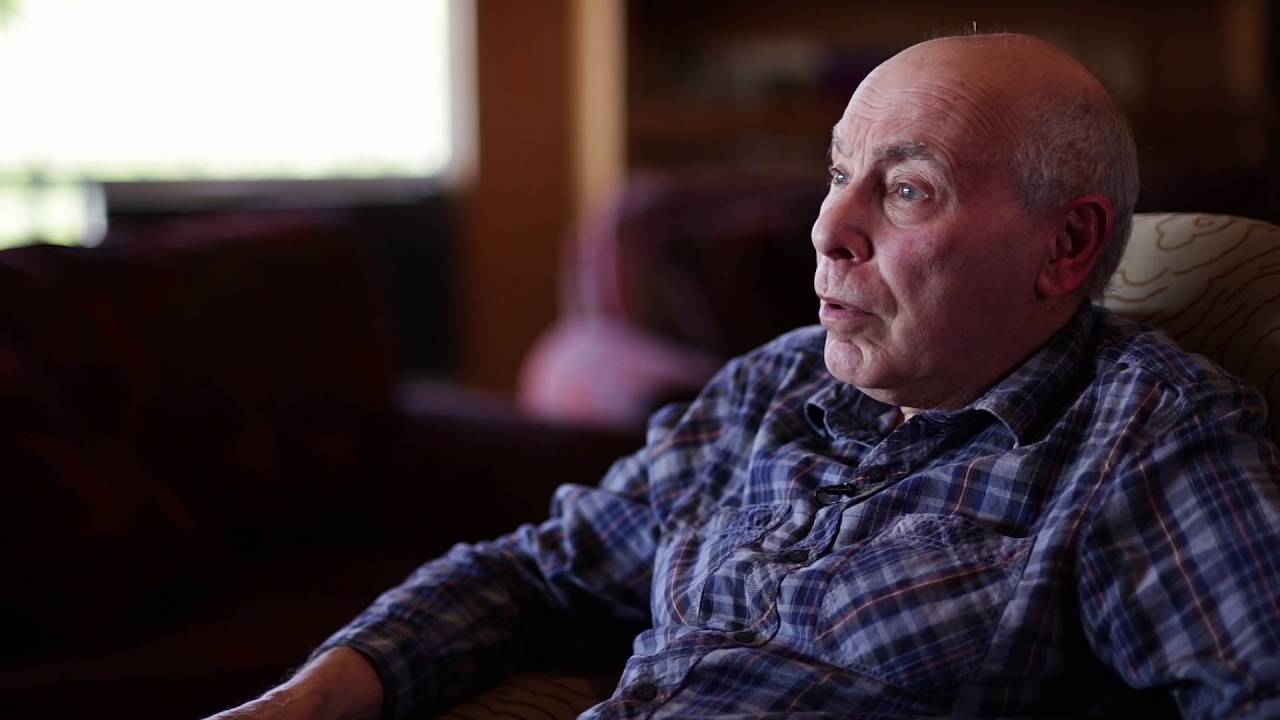
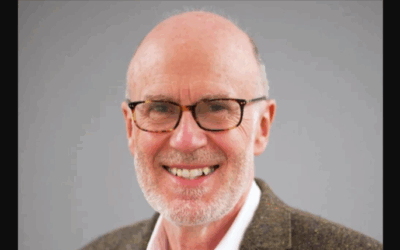
In a secular age, many people feel spiritually homeless. They cannot return to the dogmas of traditional religion, yet they cannot live in the cold emptiness of materialism. Lionel Corbett (b. 1945) is the Jungian analyst who speaks most directly to this condition. He argues that we do not need a priest or a church to experience the divine; the psyche itself is a “religious organ.”
Corbin’s work focuses on the Religious Function of the Psyche. He suggests that the “numinous” (the feeling of awe and sacredness) is a natural psychological event, not a supernatural one. By attending to our dreams, symptoms, and synchronicities, we can have a direct, personal encounter with the sacred—a “spirituality without religion.”
Biography & Timeline: Lionel Corbett
Born in England, Corbett trained as a psychiatrist before becoming a Jungian analyst. He moved to the United States and became a core faculty member at Pacifica Graduate Institute, where he has influenced a generation of depth psychologists. His background in medicine gives his work a grounded, clinical rigor, while his training in Jungian analysis allows him to explore the heights of spiritual experience.
Corbett is a bridge between the clinical and the mystical. He challenges the pathologizing tendency of modern psychiatry, arguing that many “symptoms” (like anxiety or depression) are actually the psyche’s attempt to break through the ego’s defenses and initiate a spiritual awakening.
Key Milestones in the Life of Lionel Corbett
| Year | Event / Publication |
| 1945 | Born in England. |
| 1970s | Trains in medicine and psychiatry; becomes a Jungian analyst. |
| 1996 | Publishes The Religious Function of the Psyche. |
| 2011 | Publishes The Sacred Cauldron: Psychotherapy as a Spiritual Practice. |
| 2016 | Publishes The Soul in Anguish: Psychotherapeutic Approaches to Suffering. |
Major Concepts: The Numinous and the Personal God-Image
The Religious Function of the Psyche
Corbett argues that the psyche produces religious imagery (mandalas, gods, demons) just as naturally as the body produces blood cells. This is not a “defense mechanism” (as Freud thought) but a primary instinct.
The Insight: We don’t have to “believe” in God; we have to experience the God-image that the psyche presents to us. This shifts spirituality from faith (belief in something external) to gnosis (knowledge of something internal).
The Personal God-Image
Traditional religion offers a collective God-image (e.g., Yahweh, Jesus, Allah). Corbett suggests that in the process of individuation, we develop a personal God-image. This image evolves as we grow. A child’s God-image might be a stern father; an adult’s God-image might be a loving presence or a cosmic void.
The Conceptualization of Trauma: The Soul in Anguish
In The Soul in Anguish, Corbett addresses the problem of suffering. He rejects the idea that suffering is always “meaningful” or “God’s will.” Sometimes, suffering is just suffering. However, the response to suffering can be soulful.
He views trauma not just as a breakdown of the ego, but as an injury to the Self (the divine spark). Healing involves not just symptom reduction, but repairing the connection to the Self. Therapy becomes a “sacred cauldron” where the lead of trauma is transmuted into the gold of consciousness.
Legacy: Spirituality for the Modern Skeptic
Lionel Corbett provides a path for the “spiritual but not religious.” He validates the experiences of those who find the sacred in nature, art, or relationships rather than in church.
His legacy is the democratization of the divine. He teaches that the burning bush is not just in the Bible; it is in your dream from last night. The voice of God is not just in the scripture; it is in your intuition. He invites us to become the priests of our own inner temples.
Bibliography
- Corbett, L. (1996). The Religious Function of the Psyche. Routledge.
- Corbett, L. (2011). The Sacred Cauldron: Psychotherapy as a Spiritual Practice. Chiron Publications.
- Corbett, L. (2015). The Soul in Anguish: Psychotherapeutic Approaches to Suffering. Chiron Publications.









0 Comments