
Embracing Unique Minds in a Diverse World

Understanding Neurodiversity in Children
Neurodiversity refers to the natural variation in human brains and minds. In children, this can manifest as conditions like autism, ADHD, dyslexia, and others. Many children have multiple co-occurring neurodevelopmental differences, creating a unique cognitive profile for each child.
Recognizing Neurodivergence in Children
Signs of neurodivergence can vary widely but may include:
- Differences in social interaction and communication
- Unique learning styles or academic challenges
- Sensory sensitivities or seeking behaviors
- Intense interests or passions
- Challenges with executive functioning (organization, time management, etc.)
- Motor skill differences
It’s important to remember that these traits exist on a spectrum and can present differently in each child.
The Strengths of Neurodivergent Kids
While challenges exist, neurodivergent children often have remarkable strengths:
- Creative and out-of-the-box thinking
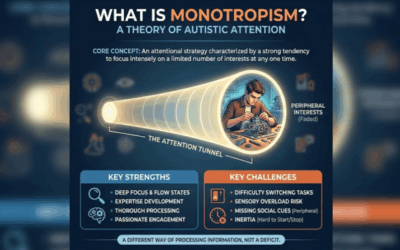
- Deep focus and expertise in areas of interest
- Unique problem-solving abilities
- Strong sense of justice and empathy
- Attention to detail
- Resilience and adaptability
Navigating Multiple Conditions
For children with multiple neurodevelopmental differences, life can be complex. They might experience:
- Overlapping symptoms that are difficult to untangle
- Varying needs in different environments (home, school, social settings)
- Challenges that compound or contradict each other
However, these children also have the potential for unique insights and abilities stemming from their diverse neurological makeup.
Supporting Neurodivergent Children at Home
- Create a sensory-friendly environment
- Establish predictable routines with built-in flexibility
- Encourage and support their interests and passions
- Use visual aids and clear, concrete communication
- Teach self-advocacy skills
- Prioritize self-care and emotional regulation
Neurodiversity-Affirming Education
Educational approaches should be tailored to each child’s unique profile:
- Embrace diverse learning styles (visual, auditory, kinesthetic)
- Provide accommodations without stigma
- Focus on strengths while supporting challenges
- Create inclusive social environments
- Use assistive technologies where beneficial
- Collaborate closely with parents and specialists
Social and Emotional Support
Neurodivergent children may need extra support in social and emotional areas:
- Teach explicit social skills in natural contexts
- Help identify and express emotions
- Foster self-esteem and positive self-identity
- Facilitate friendships with like-minded peers
- Address bullying and exclusion proactively
Child-Friendly Therapeutic Approaches
Several therapeutic approaches can be adapted for neurodivergent children:
- Play Therapy: Allows children to process experiences and emotions through play.
- Art Therapy: Provides a non-verbal outlet for expression and processing.
- Mindfulness for Kids: Teaches emotional regulation and self-awareness in child-friendly ways.
- Somatic Experiencing for Children: Helps kids connect with their bodies and manage stress responses.
- Neurofeedback: Can help with attention, emotional regulation, and other cognitive skills.
The Role of Healthcare Providers
Pediatricians and child psychologists play crucial roles:
- Early identification of neurodevelopmental differences
- Comprehensive assessment considering multiple conditions
- Collaborative treatment planning with families and educators
- Regular monitoring and adjustment of interventions
Celebrating Neurodiversity in Families
Embracing neurodiversity can enrich family life:
- Learn about neurodiversity together
- Celebrate each family member’s unique traits
- Create family routines that accommodate everyone’s needs
- Model acceptance and self-advocacy
Preparing for the Future
As neurodivergent children grow:
- Gradually build independence skills
- Explore strengths-based career possibilities
- Teach self-advocacy for educational and workplace settings
- Connect with neurodivergent teen and adult role models
Conclusion: Embracing Every Child’s Unique Potential
Every neurodivergent child has a unique constellation of traits, challenges, and strengths. By embracing neurodiversity, we create a world where all children can thrive. Remember, the goal isn’t to change these children, but to support them in becoming the best versions of their authentic selves.
To parents and caregivers: Your neurodivergent child’s journey may not always be easy, but it will be rewarding. Trust in your child’s potential, advocate for their needs, and celebrate their unique way of experiencing the world.
To educators and healthcare providers: Your role in supporting neurodivergent children is crucial. By adopting a strengths-based, individualized approach, you can help these unique minds flourish.
To neurodivergent kids: You are wonderful just as you are. Your mind works in amazing ways, and the world needs your unique perspective. Never be afraid to be your authentic self.
Together, we can create a more inclusive, understanding world that celebrates the full spectrum of human neurodiversity.
Resources to ADHD Comorbid with Other Disorders
Taproot Therapy Collective (Birmingham, AL)
- Treatments: Brainspotting, EMDR, Somatic Experiencing, Lifespan Integration, Parts-Based Therapy, Trauma Mapping.
- Specialties: Specializes in trauma therapy, PTSD, anxiety, panic, and dissociative disorders. Their therapists use integrative methods to help clients heal from trauma at a deep, somatic level.
- Website: gettherapybirmingham.com
1. Crisis Center Birmingham (24/7 Crisis Line)
- Phone: (205) 323-7777
Provides immediate support for individuals in emotional distress, including suicide prevention, trauma, and mental health crises. - Website: crisiscenterbham.org
2. Rape Response Line (Crisis Center Birmingham)
- Phone: (205) 323-7273
Dedicated to providing support for survivors of sexual assault, available 24/7. - Website: crisiscenterbham.org/rape-response
3. Teen Link (Crisis Center Birmingham)
- Phone: (205) 328-5465
Teen-specific support line for youth in emotional or mental distress. - Website: crisiscenterbham.org
4. National Suicide Prevention Lifeline (Serving Alabama)
- Phone: 988
A national 24/7 suicide prevention hotline accessible to individuals in Birmingham and the rest of Alabama. - Website: 988lifeline.org
5. UAB Psychiatry Emergency Services
- Phone: (205) 934-7008
Provides immediate psychiatric evaluation and crisis intervention at the University of Alabama at Birmingham Hospital. - Website: uabmedicine.org
6. Alabama Domestic Violence Hotline
- Phone: 1-800-650-6522
24/7 support for individuals experiencing domestic violence, available statewide, including Birmingham. - Website: acadv.org
7. Birmingham AIDS Outreach Crisis Line
- Phone: (205) 322-4197
Provides crisis support for individuals affected by HIV/AIDS, including mental health services and support for LGBTQ+ communities. - Website: birminghamaidsoutreach.org
8. Alabama 2-1-1 Call Center
- Phone: 2-1-1
A statewide information and referral line connecting individuals to crisis support services for housing, food, mental health, and substance abuse issues. - Website: 211connectsalabama.org
9. Jefferson County Family Resource Center Crisis Line
- Phone: (205) 945-6000
Provides crisis intervention, including family support, domestic violence resources, and mental health services. - Website: jcfrc.org
10. Veterans Crisis Line (Serving Birmingham)
- Phone: 988 (Press 1)
A specialized crisis line for veterans experiencing emotional distress, available nationwide and locally. - Website: veteranscrisisline.net
- Phone: (205) 323-7777
LGBTQ+ and Poly-Friendly Support
Magic City Acceptance Center (MCAC)
LGBTQ+ youth programs, adult support groups, and community events in Birmingham.
Website: mcacbham.org
Birmingham LGBTQ+ Circle of Healing
Support groups for LGBTQ+ individuals focusing on mental health and holistic wellness.
Contact through Magic City Acceptance Center.
Inclusive Therapists
Directory of therapists in Birmingham and Hoover specializing in LGBTQ+ and poly-friendly care.
Website: inclusivetherapists.com
PFLAG Birmingham
LGBTQ+ support groups for families and friends of LGBTQ+ individuals, offering mental health and advocacy resources.
Website: pflaga.org/birmingham
Steel City Spectrum
Provides support and resources for the transgender and gender-nonconforming communities in Birmingham.
Website: steelcityspectrum.org
Free & Low-Cost Therapy and Counseling
Impact Family Counseling (Birmingham, AL)
Provides sliding-scale counseling services for trauma, anxiety, depression, and family therapy.
Website: impactal.org
Firehouse Shelter (Birmingham, AL)
Offers mental health services and crisis support for homeless individuals in the Birmingham area.
Website: firehouseshelter.com
Pathways Birmingham
Women’s shelter offering mental health and trauma support for homeless women and children.
Website: pathwayshome.org
United Way of Central Alabama
Offers access to free or low-cost mental health counseling and crisis intervention through partnerships.
Website: uwca.org
BridgeWays Alabama
Offers family and youth counseling, including trauma recovery, on a sliding fee scale.
Website: bridgewaysalabama.org
Holistic & Alternative Therapy Centers
Taproot Therapy Collective (Birmingham, AL)
Offers holistic mental health services like Brainspotting, EMDR, and somatic trauma therapies.
Website: gettherapybirmingham.com
Birmingham Wellness Institute
Focuses on alternative healing practices such as yoga therapy, mindfulness, and EMDR.
Website: bhamwellness.com
Sojourn Counseling (Hoover, AL)
Provides integrative counseling with a focus on EMDR, trauma work, and mindfulness.
Website: sojourncounseling.com
Red Mountain Therapeutics (Birmingham, AL)
Offers somatic therapies, acupuncture, and integrative emotional healing for trauma recovery.
Website: redmountaintherapeutics.com
Shanti Healing Arts Center (Birmingham, AL)
Focuses on trauma-sensitive yoga, meditation, and holistic therapies for emotional and mental health.
Website: shantihealingarts.com
Lifespan Integration & Trauma Mapping
Birmingham Counseling Associates
Provides Lifespan Integration therapy for complex trauma and PTSD.
Website: bhamcounseling.com
Lifeline Counseling (Hoover, AL)
Trauma-informed care specializing in Lifespan Integration and Somatic Trauma Mapping.
Website: lifelinehoover.com
River Oaks Counseling
Offers Lifespan Integration and other trauma-focused therapies for PTSD and dissociation.
Website: riveroakscounseling.com
Emotional Wellness Counseling
Provides Lifespan Integration therapy and somatic trauma work.
Website: emotionalwellnesshoover.com
qEEG Brainmapping and Neurofeedback Resources
Focus-MD Birmingham
Specializes in ADHD treatment and qEEG brain mapping for neurodevelopmental disorders.
Website: focus-md.com
Birmingham Neurofeedback Clinic
Provides qEEG brain mapping and neurofeedback for trauma, anxiety, and ADHD.
Website: birminghamneurofeedback.com
Alabama Neurofeedback
Offers qEEG brain mapping and neurofeedback to improve brain function and emotional regulation.
Website: alneurofeedback.com
Covenant Neuropsychology
qEEG brain mapping services for trauma-related symptoms and neurological issues.
Website: covenantneuro.com
Psych Wellness South (Hoover, AL)
qEEG and neurofeedback services to treat anxiety, ADHD, and trauma.
Website: psychwellnesssouth.com
Poly-Friendly & Non-Monogamy Support
Inclusive Therapists
Directory for poly-friendly and non-monogamy affirming therapists in the Birmingham and Hoover areas.
Website: inclusivetherapists.com
Birmingham LGBTQ Circle of Healing
Offers support for polyamorous and non-monogamous relationships.
Contact through Magic City Acceptance Center.
Alabama Polyamory Network
A supportive community providing mental health resources for polyamorous individuals.
Contact via Meetup: meetup.com/polybirmingham
New Hope Counseling
Poly-friendly therapy services, offering support for non-traditional relationships.
Website: newhopecounselingbham.com
Open Counseling Birmingham
Provides mental health counseling for those in polyamorous or open relationships.
Website: opencounseling.com
Youth & Family Services
Oasis Counseling for Women and Children
Provides trauma therapy, parenting support, and family counseling.
Website: oasiscounseling.org
Children’s Aid Society of Alabama (Birmingham)
Family and individual counseling, including trauma services for children.
Website: childrensaid.org
Aletheia House
Mental health and substance abuse services for families, including trauma recovery programs.
Website: aletheiahouse.org
Big Brothers Big Sisters of Greater Birmingham
Offers mentorship and emotional support for at-risk youth.
Website: bbbsbhm.org
The Exceptional Foundation
Provides support for children and adults with special needs, including mental health resources.
Website: exceptionalfoundation.org


















0 Comments