

Matt Hongoltz-Hetling on The Ghost Lab: Science, Pseudoscience, and the Supernatural
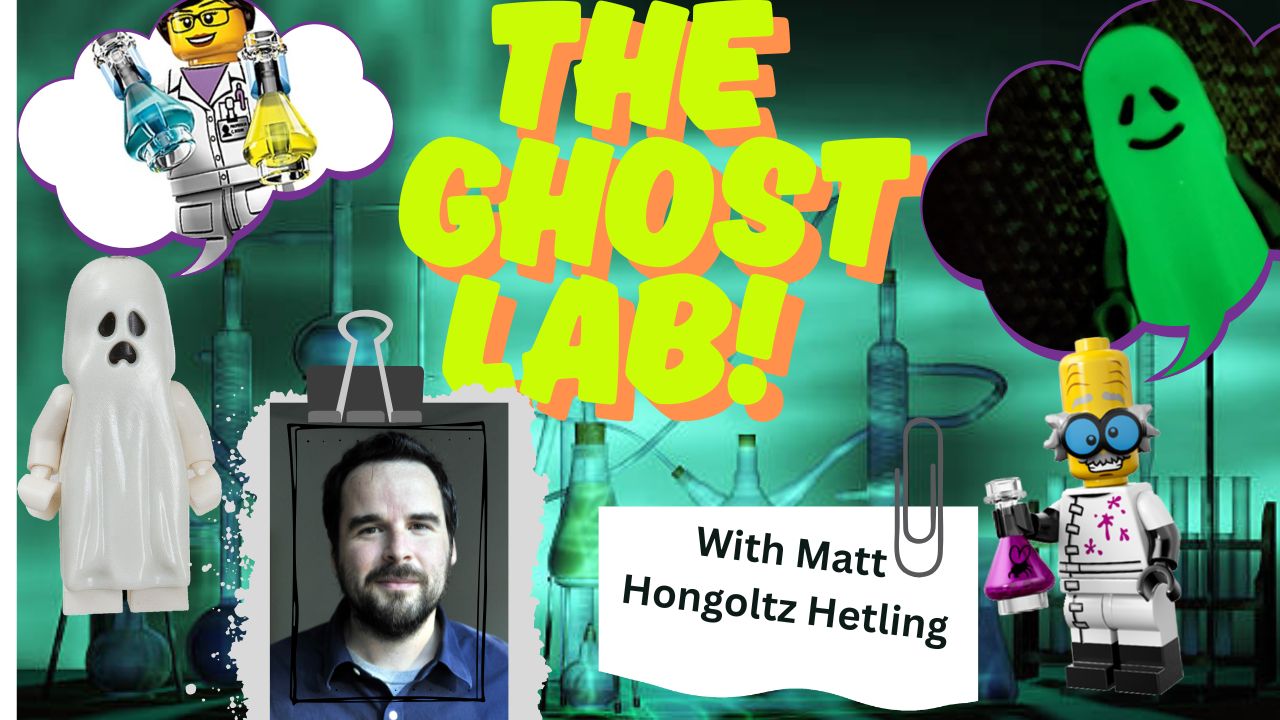
Welcome back to the Taproot Therapy Collective podcast! In this episode, we sit down with Matt Hongoltz-Hetling, a Pulitzer Prize finalist and George Polk Award winner, to discuss his latest book, The Ghost Lab, available for preorder and set to release on May 20th. Known for his incisive investigative journalism, Matt delves into the world of paranormal research, exploring its intersections with science, pseudoscience, and societal trust—or lack thereof—in institutions.
Preorder The Ghost Lab on Amazon
About Matt Hongoltz-Hetling
Matt Hongoltz-Hetling brings unparalleled depth to his storytelling. As a reporter for the Valley News in New Hampshire, his bylines have graced Popular Science, Foreign Policy, USA Today, and Atavist Magazine. His immersive narratives have taken readers from Maine’s Governor’s Mansion to Ebola wards in Sierra Leone. His previous works include A Libertarian Walks into a Bear (2020), examining libertarian ideals clashing with wildlife management, and If It Sounds Like a Quack… (2023), a dive into fringe medicine. In this interview, we explore his latest project, The Ghost Lab, and its broader implications. If you like it check out our last interview with Matt too.
Unpacking The Ghost Lab
In this episode, Matt shares insights into his subject selection process and his nuanced approach to storytelling—respectful yet inquiring. We discuss how The Ghost Lab uses a small group of paranormal researchers in New Hampshire as a microcosm for larger societal issues, particularly the decline of institutional credibility.
Key Themes Explored
Institutional Distrust
Matt highlights how declining trust in government, healthcare, and science drives people toward alternative belief systems like the paranormal.
Science vs. Pseudoscience
The tension between evidence-based practice and subjective belief systems is a recurring theme, mirroring broader societal debates about science and misinformation.
Respecting Worldviews
Matt emphasizes approaching his subjects with respect, acknowledging their beliefs as valid personal experiences without necessarily endorsing them.
Storytelling as a Bridge
His investigative journalism connects complex issues to human stories, fostering understanding over judgment.
Transcript Highlights
On Institutional Distrust: “I started off wanting to write about the lack of trust that is booming in America… At some point, you start to say, ‘Is there something tilting the playing field against trust?'”
On Paranormal Beliefs: “People are taking their problems that used to be solved by institutions and instead are putting their trust in the paranormal believer community—alien abduction support groups, mediums, psychics, and ghost hunters.”
On Respecting Beliefs: “I had to respect the worldview of the folks I was speaking to… They’re not criminals or politicians being held up for public inspection. They have an interesting hobby.”
Buy The Ghost Lab Now
Preorder The Ghost Lab now and dive deeper into this fascinating exploration:
Preorder The Ghost Lab on Amazon
Matt encourages readers to get it wherever works best—buy it, borrow it from a library, or share it with friends. “What’s good for me is people reading it and talking about it,” he says.
Matt’s Thought Process and Subject Selection
Matt’s books—A Libertarian Walks into a Bear, If It Sounds Like a Quack…, and now The Ghost Lab—each use a specific subject as a lens for broader societal questions. In our conversation, he explains how he chose the paranormal researchers of New Hampshire’s Seacoast region: a ghost hunter, an alien abductee, a psychic medium, and others. These characters reflect a spectrum of beliefs united under the paranormal umbrella, offering a colorful microcosm of America’s shifting trust landscape.
“I was casting about for reasons why trust is declining,” Matt says. “What I found was that people are opting out of institutional systems and turning to these other avenues.” His approach avoids heavy-handed opinions, instead letting the subjects’ stories illuminate larger truths.
Addressing Institutional Decline
At the heart of The Ghost Lab is a critique of institutional failure and a call for reform. Matt suggests that science and healthcare must adapt to regain public trust—not by debunking beliefs, but by engaging with them. He proposes making evidence-based fields more inclusive and creating ethical frameworks for alternative practitioners, like licensed ghost hunters who can refer clients to therapists when needed.
“Scientists have lost control of their messaging,” he notes. “They need a messaging arm that instills wonder and humility, not just correctness.” This perspective resonates with our discussion on how institutions can bridge the gap with a public increasingly drawn to the supernatural amid chaos.
A Shared Reality at Stake
The Ghost Lab is more than a tale of ghost hunters—it’s a reflection on how we navigate belief, science, and society in an age of distrust. Matt’s work challenges us to rethink how institutions can serve people better, harnessing the energy of diverse worldviews for the public good rather than letting it fuel division.
If you enjoyed this episode, hit the Like button, subscribe, and ring the 🔔 for weekly interviews. Share your thoughts below—what’s your take on balancing science and belief?
// The Ghost Lab Book Schema
// The Ghost Lab Podcast Episode Schema
// If It Sounds Like a Quack Podcast Episode Schema
// Author schema
// Organization schema for Taproot Therapy Collective
// PodcastSeries schema
// VideoObject schema for YouTube video (Placeholder – update with actual video ID when available)
// WebPage schema for the page itself













0 Comments