

What Does Yellow Mean in a Dream?
Radiant and energizing, the color yellow has long been associated with the power of the mind, the clarity of thought, and the assertion of the self. From the golden hues of the sun to the vibrant shades of blooming flowers, yellow seems to embody the very essence of illumination, both in the physical and the metaphysical sense.
In this comprehensive exploration, we will delve into the multifaceted nature of yellow, examining its profound effects on our cognitive functions, its rich symbolic and archetypal meanings, and its transformative applications in the realms of psychology, personal development, and spiritual growth.
Our journey will begin with an investigation of the latest scientific research on how exposure to yellow light influences brain activity, information processing, and mental states. We will then trace the threads of yellow symbolism through various cultural and spiritual traditions, exploring its associations with concepts such as wisdom, intellect, and the journey of the hero.
Finally, we will consider how these insights can inform therapeutic practice and personal growth strategies, offering practical guidance on harnessing the power of yellow to enhance mental clarity, self-awareness, and personal empowerment.
The Meaning of Yellow in Dreams
In the language of dreams, yellow often symbolizes intellect, energy, and transformation. It is associated with the sun, representing life, vitality, and illumination. A bright, golden yellow can indicate enlightenment, creativity, and clarity of thought, while a dull or murky yellow may suggest anxiety, betrayal, or indecision. Jungian psychology connects yellow to the process of individuation, as it is the color of alchemy’s final stage—representing the transmutation of the soul into wisdom and self-awareness. Dreaming of yellow can indicate a search for meaning, the presence of higher consciousness, or a need for intellectual stimulation.
The Meaning of Yellow in Emotional Transformation Therapy (ETT)
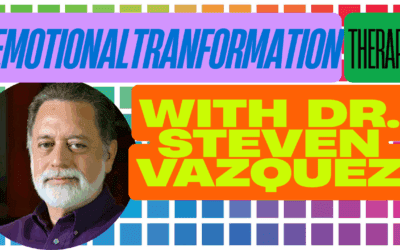
In Emotional Transformation Therapy (ETT), developed by Dr. Steven Vazquez, yellow light is often associated with stimulating cognitive activity and enhancing alertness. It can activate the nervous system and promote a sense of clarity, making it particularly useful for conditions involving mental sluggishness, indecision, or lack of motivation. Yellow light exposure in ETT can be used to shift states of awareness, helping individuals process underlying emotions with greater mental focus.
On a physiological level, yellow has been linked to increasing serotonin activity, which can improve mood and energy levels. However, in some cases, yellow light may also bring up unresolved emotional material related to fear, stress, or anxiety, particularly if these emotions have been suppressed beneath mental overactivity. ETT practitioners carefully modulate the intensity and duration of yellow light exposure to balance its effects, ensuring that it aids in emotional integration rather than overstimulation.
The Neuroscience of Yellow
To fully grasp the psychological impact of yellow, it is essential to first understand how this color affects the brain and the nervous system at a physiological level. Recent advancements in neuroscience and color psychology have provided valuable insights into the complex ways in which different wavelengths of light can modulate neural activity, cognitive functions, and mental states.
Research has shown that exposure to yellow light has a significant impact on the ventromedial prefrontal cortex (vmPFC), a brain region that plays a crucial role in emotional regulation, decision-making, and self-referential processing (Vandewalle et al., 2010). The vmPFC is part of the brain’s default mode network, which is active when we are not focused on the external environment but rather engaged in internal thought processes.
Enhancing Mental Clarity and Cognitive Performance
Studies using functional magnetic resonance imaging (fMRI) have demonstrated that exposure to yellow light increases activity in the vmPFC, particularly in the subgenual and pregenual anterior cingulate cortices (Vandewalle et al., 2010). These regions are involved in the integration of emotional and cognitive processes, and their activation is associated with improved mood, reduced anxiety, and enhanced mental flexibility (Drevets et al., 2008).
The increased activity in the vmPFC induced by yellow light has been linked to improvements in various cognitive functions, such as attention, memory, and problem-solving. For example, research has shown that exposure to yellow light enhances the performance of visual search tasks, increases the speed and accuracy of memory recall, and facilitates creative thinking and idea generation (Mehta & Zhu, 2009).
Promoting Positive Affect and Emotional Regulation
In addition to its cognitive benefits, yellow light has been shown to have a positive impact on emotional well-being. Studies have found that exposure to yellow light can increase feelings of warmth, cheerfulness, and optimism, while reducing symptoms of depression and anxiety (Valdez & Mehrabian, 1994).
These mood-enhancing effects of yellow light may be mediated by its influence on the brain’s reward and emotional processing systems. Research has shown that yellow light increases activity in the ventral striatum, a key component of the brain’s reward circuitry, which is involved in the experience of pleasure, motivation, and positive affect.
Furthermore, yellow light has been found to modulate the activity of the amygdala, a brain region that plays a central role in the processing and regulation of emotions, particularly those related to fear and anxiety. By reducing amygdala reactivity and enhancing its functional connectivity with the vmPFC, yellow light may help individuals regulate their emotional responses.
Facilitating Self-Awareness and Personal Insight
At a deeper level, the activation of the vmPFC by yellow light may also have implications for self-awareness and personal insight. The vmPFC is involved in the construction and maintenance of the self-concept, the mental representation of one’s own personality traits, values, and autobiographical memories (D’Argembeau, 2013).
Research has shown that increased activity in the vmPFC is associated with greater self-referential processing, meaning a heightened focus on one’s own thoughts, feelings, and experiences (Denny et al., 2012). This heightened self-awareness can facilitate introspection, self-reflection, and the exploration of one’s own inner world, leading to greater personal insight and self-understanding.
Moreover, the vmPFC is also involved in the process of self-projection, the ability to mentally simulate future events and envision alternative possibilities for oneself (Buckner & Carroll, 2007).
The Symbolism and Archetypes of Yellow
Beyond its neurophysiological effects, yellow carries a rich tapestry of symbolic and archetypal meanings that have shaped human culture and consciousness throughout history. From ancient myths and religious iconography to modern art and literature, yellow has been imbued with a wide range of associations, reflecting its multifaceted nature and its power to evoke deep psychological and spiritual truths.
The Illumination of the Intellect and the Quest for Wisdom
In many cultural traditions, yellow is associated with the power of the intellect, the pursuit of knowledge, and the attainment of wisdom. In ancient Egypt, yellow was the color of Ra, the sun god who represented the supreme light of understanding and the source of all life and knowledge. In Greek mythology, Apollo, the god of light, music, and prophecy, was often depicted with golden hair and a radiant yellow aura.
This association between yellow and the intellect is also reflected in the iconography of various spiritual and philosophical traditions. In Hinduism, yellow is the color of the solar plexus chakra (Manipura), which governs mental clarity, self-confidence, and personal power. In Buddhism, yellow is associated with the element of earth (sometimes air, depending on tradition), representing stability and the capacity for analysis and discrimination (Guenther, 1995).
The symbolism of yellow as the color of wisdom and understanding is particularly evident in the figure of the wise old man, a recurring archetype in myths, folktales, and literature across cultures. Often depicted with a long white beard and golden robes, the wise old man represents the accumulated knowledge and insight of the ages, the inner guru who guides the hero on his quest for truth and self-realization.
The Hero’s Journey and the Triumph of the Will
Another key symbolic association of yellow is with the hero’s journey, the archetypal narrative of the individual’s quest for self-discovery, transformation, and the realization of their full potential. In many mythological traditions, the hero is often depicted wearing golden armor or wielding a golden sword, symbolizing their courage, strength, and determination in the face of adversity (Campbell, 1949).
The golden light of the hero’s journey represents the power of the individual will, the inner fire that propels the hero forward on their path of growth and self-actualization. In psychological terms, the hero’s journey can be understood as the process of individuation, the gradual integration and balancing of the various aspects of the psyche, leading to the emergence of the Self.
The Alchemy of the Soul and the Transmutation of Consciousness
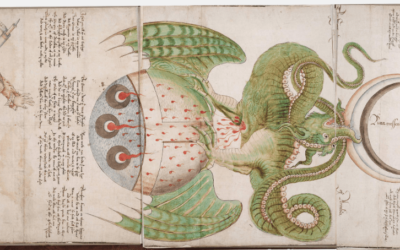
In the Western esoteric tradition, yellow is associated with the process of spiritual alchemy, the transformation of base matter into gold, which serves as a metaphor for the transmutation of the soul. In alchemical symbolism, yellow represents the stage of citrinitas, the yellowing or dawning of the light, which follows the blackening (nigredo) and whitening (albedo) of the prima materia (Edinger, 1994).
The yellow stage of the alchemical process represents the illumination of the mind, the awakening of insight and understanding, and the integration of the conscious and unconscious aspects of the psyche. It is the moment when the darkness of ignorance and confusion gives way to the light of wisdom and clarity.
Therapeutic Applications of Yellow
The insights gained from the neuroscience and symbolism of yellow have important implications for therapeutic practice and personal growth strategies. By consciously working with the qualities and archetypes of yellow, therapists and individuals can harness its transformative potential to enhance mental clarity, self-awareness, and personal empowerment.
Enhancing Cognitive Performance and Problem-Solving
Given its positive effects on attention, memory, and cognitive flexibility, yellow can be a valuable tool for optimizing mental performance and problem-solving abilities. Incorporating yellow elements into the learning or work environment, such as through the use of yellow lighting, artwork, or decor, may help create an atmosphere conducive to focused concentration and creative thinking.
Cultivating Positive Affect and Emotional Resilience
The mood-enhancing and anxiety-reducing effects of yellow light make it a useful tool for promoting emotional well-being and resilience. Exposure to bright light, often associated with the yellow spectrum of sunlight, has been shown to help alleviate symptoms of depression and seasonal affective disorder (SAD) (Lam et al., 2006).
The archetypal associations of yellow with the hero’s journey and the triumph of the will can also be harnessed to cultivate emotional resilience and perseverance in the face of adversity. Clients can be encouraged to connect with the qualities of courage, determination, and inner strength embodied by the hero archetype.
Facilitating Self-Reflection and Personal Insight
The activation of the vmPFC by yellow light and its role in self-referential processing and self-awareness make yellow a powerful tool for facilitating introspection, self-reflection, and personal insight. Therapists can create a yellow-enriched environment in the therapy room to help clients access a state of heightened self-awareness and introspection.
The alchemical symbolism of yellow as a stage of spiritual transformation and the awakening of higher consciousness can also be used to support clients in their own process of individuation and self-realization. By engaging in practices that stimulate the inner alchemy of the psyche, such as dreamwork, active imagination, or expressive arts, clients can harness the transformative power of yellow to transmute limiting beliefs, heal old wounds, and awaken to their highest potential.
Color Psychology













0 Comments