
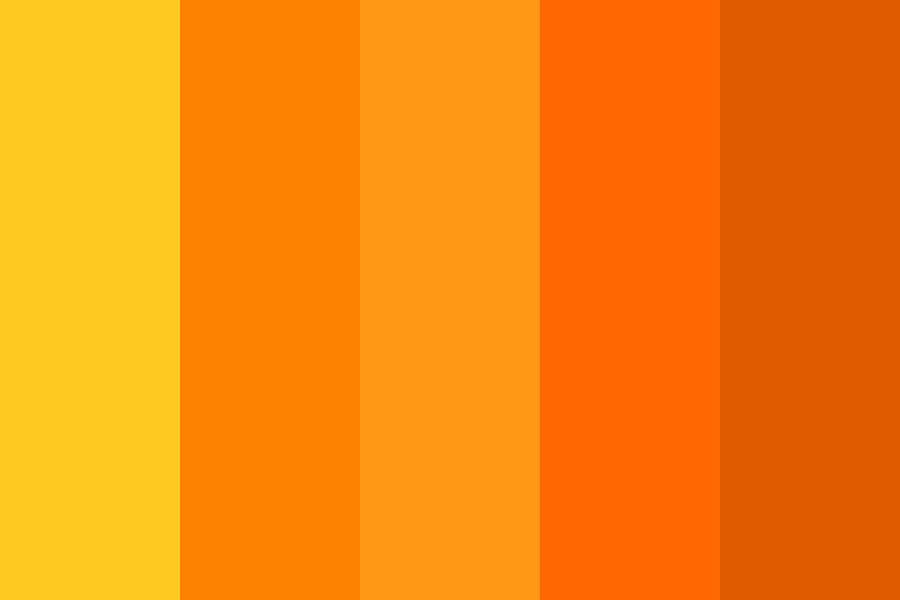
What Does Orange Mean in a Dream?
Vibrant, energetic, and captivating, the color orange has long been associated with the fires of passion, the spark of creativity, and the alchemy of personal transformation. From the warm glow of a sunset to the bold brushstrokes of an abstract painting, orange hues seem to embody the very essence of vitality, enthusiasm, and the courage to embrace change.
In this comprehensive exploration, we will delve into the multifaceted nature of orange, examining its profound effects on our emotional states, its rich symbolic and archetypal meanings, and its transformative applications in the realms of psychology, artistic expression, and spiritual growth.
Our journey will begin with an investigation of the latest scientific research on how exposure to orange light influences brain activity, motivation, and creative thinking. We will then trace the threads of orange symbolism through various cultural and spiritual traditions, exploring its associations with concepts such as passion, sexuality, and the transformative power of the sacral chakra.
Finally, we will consider how these insights can inform therapeutic practice and personal growth strategies, offering practical guidance on harnessing the power of orange to ignite passion, unleash creativity, and catalyze personal transformation.
The Meaning of Orange in Dreams
In dream symbolism, orange is often associated with vitality, creativity, and emotional warmth. It blends the passion and energy of red with the intellect and illumination of yellow, making it a color of enthusiasm, transformation, and social connection. Dreaming of orange may indicate a period of renewal, an awakening of creative potential, or a deepening of emotional intimacy. It is linked to the sacral chakra, which governs sensuality, pleasure, and personal relationships.
A bright and vibrant orange in a dream suggests confidence, spontaneity, and a willingness to embrace change, while a muted or dark orange could indicate suppressed emotions, fear of vulnerability, or a struggle with balancing desire and restraint. If orange appears in association with fire, it may symbolize purification and renewal, while an orange sunset might reflect the closing of a chapter and the transition into a new phase of life.
The Meaning of Orange in Emotional Transformation Therapy (ETT)
In Emotional Transformation Therapy (ETT), developed by Dr. Steven Vazquez, orange light is used to stimulate emotional expression, enhance vitality, and support the processing of deep-seated emotions. Orange is closely tied to the sacral chakra, which governs emotions, pleasure, and interpersonal connection. It is often applied in ETT to help individuals who struggle with emotional suppression, creative blocks, or difficulty accessing joy and passion.
Physiologically, exposure to orange light in ETT can activate the autonomic nervous system, creating a sense of warmth, comfort, and motivation. It can be particularly effective for those experiencing emotional numbness, stagnation, or a lack of motivation. However, because orange can also stir up unresolved emotional material, its application must be carefully calibrated to avoid overstimulation.
The Neuroscience of Orange Light
To fully grasp the psychological impact of orange, it is essential to first understand how this color affects the brain and the nervous system at a physiological level. Recent advancements in neuroscience and color psychology have provided valuable insights into the complex ways in which different wavelengths of light can modulate neural activity, emotional states, and cognitive functions.
Research has shown that exposure to longer wavelengths like orange light has a significant impact on the **ventral tegmental area (VTA)** and its downstream projections in the mesocorticolimbic system, also known as the brain’s reward circuitry (Hu et al., 2013). The VTA is a midbrain structure that plays a crucial role in motivation, pleasure, and the anticipation of rewarding stimuli, and its activation is mediated by the neurotransmitter dopamine.
Enhancing Motivation and Goal-Directed Behavior
Studies using functional magnetic resonance imaging (fMRI) have demonstrated that exposure to orange light increases activity in the VTA and its target regions, such as the **nucleus accumbens**, **prefrontal cortex**, and **anterior cingulate cortex** (Vandewalle et al., 2010). These regions form a network that is involved in the processing of rewarding stimuli, the generation of positive affect, and the initiation and maintenance of goal-directed behavior.
The increased activity in the mesocorticolimbic system induced by orange light has been linked to improvements in motivation, task engagement, and the willingness to exert effort in the pursuit of desired outcomes. For example, research has shown that exposure to orange light enhances performance on cognitive tasks that require sustained attention and mental effort, such as working memory and problem-solving tasks (Okamoto & Dan, 2005).
Stimulating Creativity and Divergent Thinking
In addition to its effects on motivation and goal-directed behavior, orange light has been shown to have a positive impact on creative thinking and artistic expression. Studies have found that exposure to orange light can increase the generation of novel and original ideas, as well as the flexibility and fluency of thought processes.
These creativity-enhancing effects of orange light may be mediated by its influence on the right hemisphere of the brain, which is associated with holistic, intuitive, and imaginative thinking styles (Martindale & Hines, 1975). Research using electroencephalography (EEG) has shown that orange light increases alpha wave activity in the right hemisphere, particularly in the temporal and parietal regions, which are involved in the processing of visual and spatial information.
Evoking Passion and Emotional Intensity
At a deeper level, the activation of the mesocorticolimbic system by orange light may also have implications for the experience of passion, desire, and emotional intensity. The VTA and its projections to the limbic system, particularly the amygdala and the hippocampus, are involved in the processing and regulation of emotions, especially those related to reward, pleasure, and motivation (Elliot & Maier, 2014).
Research has shown that exposure to orange light can increase subjective feelings of warmth, arousal, and excitement, as well as physiological indicators of emotional reactivity, such as skin conductance and heart rate (Valdez & Mehrabian, 1994). These findings suggest that orange light may have a stimulating effect on the limbic system, enhancing the intensity and vividness of emotional experiences, particularly those associated with passion, desire, and enthusiasm.
The Symbolism and Archetypes of Orange
Beyond its neurophysiological effects, orange carries a rich tapestry of symbolic and archetypal meanings that have shaped human culture and consciousness throughout history. From ancient myths and religious iconography to modern art and literature, orange has been imbued with a wide range of associations, reflecting its multifaceted nature and its power to evoke deep psychological and spiritual truths.
The Fire of Passion and the Alchemy of Desire
In many cultural traditions, orange is associated with the element of fire, and its symbolic meanings are often linked to the transformative power of heat, light, and energy. In Hindu mythology, orange is the color of Agni, the god of fire, who represents the vital spark of life, the purifying flame of sacrifice, and the alchemical process of transformation (Johari, 2000). In Buddhist iconography, orange is the color of the monk’s robes, symbolizing the renunciation of worldly desires and the cultivation of inner fire, or *tapas*, through spiritual practice and discipline.
This association between orange and the fire of passion is also reflected in the Western tradition of alchemy, where orange is linked to the stage of rubedo, or reddening, which represents the final transformation of the prima materia into the philosopher’s stone, the ultimate goal of the alchemical opus (Jung, 1963). In this context, orange symbolizes the exaltation of desire, the purification of the soul through the fires of love, and the attainment of spiritual perfection through the union of opposites.
The Sacral Chakra and the Flow of Creative Energy
In the tantric traditions of India and Tibet, orange is associated with the second primary chakra, or energy center, known as Svadhisthana, which is located in the lower abdomen and governs the flow of creative and sexual energies in the body (Judith, 2004). The sacral chakra is linked to the element of water, and its balanced functioning is essential for the healthy expression of emotions, desires, and creative impulses.
[Image of sacral chakra Svadhisthana location and color]
When the sacral chakra is blocked or imbalanced, individuals may experience feelings of emotional numbness, creative stagnation, sexual dysfunction, or a sense of disconnection from their bodies and their instinctual wisdom. Conversely, when the sacral chakra is open and harmoniously activated, individuals may feel a sense of fluidity, adaptability, and spontaneity in their emotional and creative lives.
The Trickster and the Liberation of Spontaneity
In many mythological and folkloric traditions, orange is also associated with the figure of the trickster, a mischievous and unpredictable character who challenges social norms, subverts established hierarchies, and liberates the creative and disruptive energies of the unconscious (Hyde, 2010). Often depicted as a fox, coyote, or other orange-colored animal, the trickster represents the wild, untamed aspects of the psyche that resist domestication and conformity.
The trickster archetype is closely linked to the Jungian concept of the shadow, the repressed or denied aspects of the self that are often considered socially unacceptable. By confronting and integrating the shadow through the playful and irreverent energy of the trickster, individuals can learn to embrace their own contradictions and imperfections (Zweig & Abrams, 1991).
Therapeutic Applications of Orange
The insights gained from the neuroscience and symbolism of orange have important implications for therapeutic practice and personal growth strategies. By consciously working with the qualities and archetypes of orange, therapists and individuals can harness its transformative potential to enhance motivation, creativity, and emotional vitality.
Enhancing Motivation and Goal-Setting
Given its positive effects on the brain’s reward circuitry and its ability to increase the salience of positive stimuli, orange can be a valuable tool for boosting motivation and facilitating goal-directed behavior. Incorporating orange elements into the therapeutic environment, such as through the use of orange lighting, artwork, or decor, may help create an atmosphere conducive to enthusiasm, optimism, and goal-setting.
Stimulating Creativity and Artistic Expression
The creativity-enhancing and right-hemisphere-stimulating effects of orange light make it a useful tool for promoting artistic expression, divergent thinking, and creative problem-solving. Exposure to orange light, either through natural sunlight or artificial light therapy, can help individuals overcome creative blocks, generate novel ideas, and access the intuitive and imaginative aspects of their minds.
Evoking Passion and Emotional Vitality
The intensity-enhancing and emotion-evoking effects of orange light make it a powerful tool for promoting emotional vitality, passion, and authenticity. Therapists can create an orange-enriched environment in the therapy room to help clients access and express the full range of their feelings, from joy and excitement to anger and grief.
Key Takeaways
- Orange light stimulates the **ventral tegmental area (VTA)** and the brain’s reward circuitry, enhancing motivation, goal-directed behavior, and the salience of positive stimuli.
- Orange is associated with the symbolism of fire, passion, and the alchemy of desire, as reflected in archetypes such as Agni, the lover, and the stages of the alchemical opus.
- The **sacral chakra**, associated with the color orange, governs the flow of creative and sexual energies in the body and is essential for emotional fluidity, sensuality, and vitality.
- The **trickster** archetype, often depicted in orange hues, represents the liberation of spontaneity, the embrace of paradox, and the transformative power of play and humor.
- Therapeutic applications of orange include enhancing motivation and goal-setting, stimulating creativity and artistic expression, and evoking passion and emotional authenticity.
Color Psychology










0 Comments