
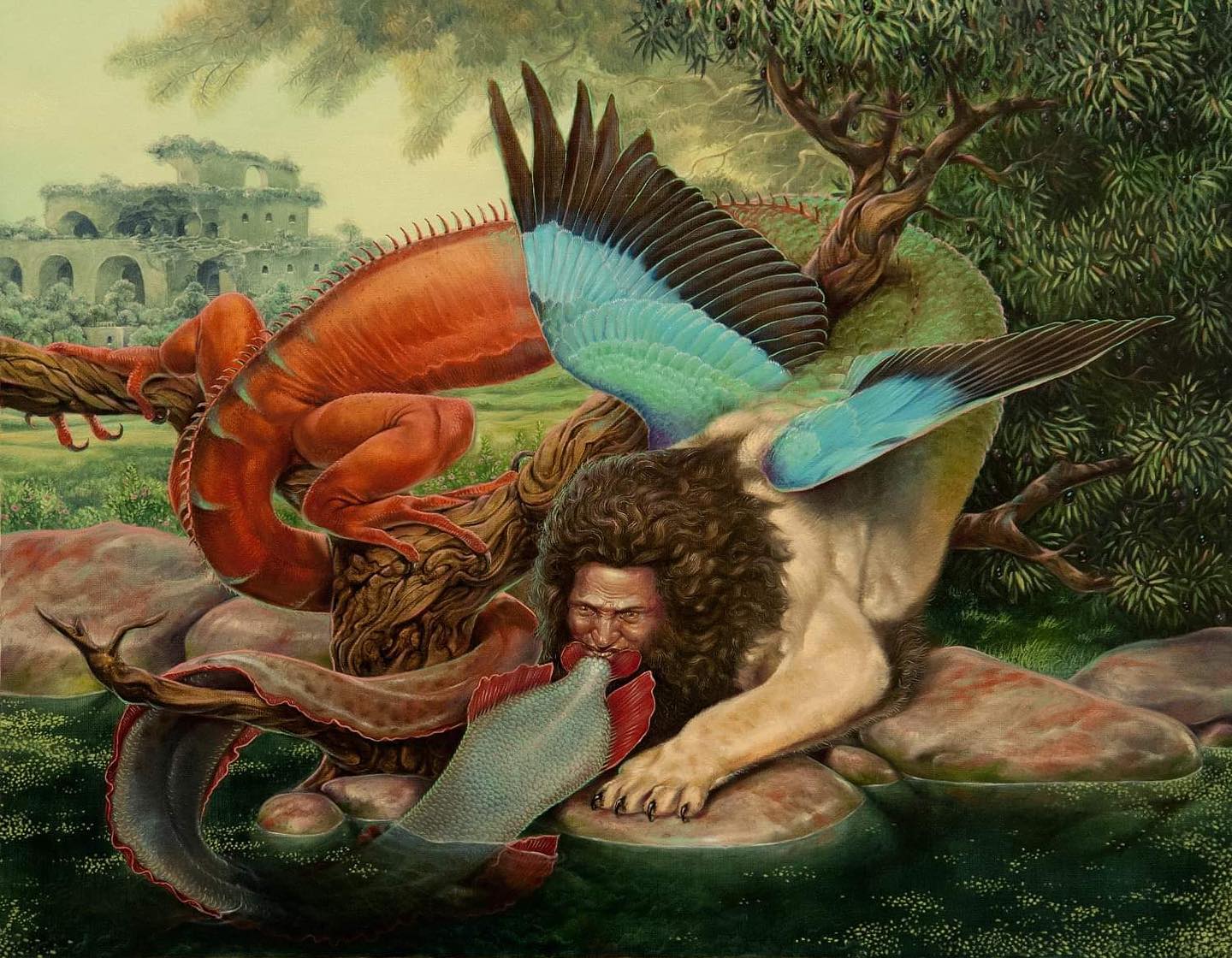
The Hero Archetype
Origins and Characteristics
The Hero archetype represents the universal human desire to overcome challenges, achieve greatness, and serve others. Present in myths, legends, and stories across cultures, the Hero embodies courage, determination, and self-sacrifice [1]. This article explores the origins, characteristics, and significance of the Hero archetype, examining its role in shaping human culture and consciousness.
Explore all the Archetypes
The Hero Archetype in Parts-Based Therapies
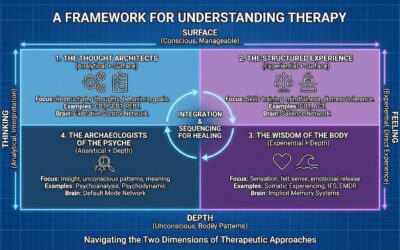
In parts-based therapies like Internal Family Systems (IFS), Schema Therapy, and Voice Dialogue, the Hero archetype can be understood as a distinct part or subpersonality within an individual’s psyche [2].
In IFS, the Hero may manifest as a courageous, determined part that helps overcome obstacles and protect the system. However, if burdened, the Hero part may become overly self-critical or risk-prone [3].
Schema Therapy views the Hero as an aspect of the Healthy Adult mode, promoting adaptive coping and self-efficacy. Maladaptive schemas like Self-Sacrifice or Unrelenting Standards may distort the Hero’s expression [4].
Voice Dialogue recognizes the Hero as a unique voice that can be dialogued with to access inner strength and resilience. Imbalances may occur if the Hero voice dominates or is suppressed by other voices [5].
The Hero’s Journey
The Hero’s Journey, as described by Joseph Campbell, is a universal narrative pattern found in myths, stories, and personal transformations. The journey involves the Hero leaving the ordinary world, facing trials and challenges, and returning transformed, often with a gift or wisdom to share [6].
The Role of the Hero in Prehistory and Ancient History
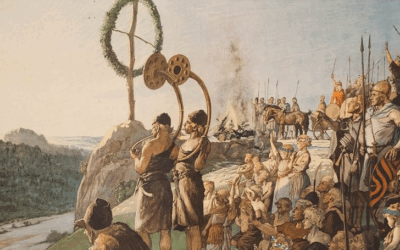
In prehistoric times, the Hero archetype was embodied by brave warriors, skilled hunters, and leaders who protected and provided for their communities [7]. Ancient civilizations celebrated Hero deities and legendary figures like Hercules (Greece), Gilgamesh (Mesopotamia), and Rama (India), who exemplified courage, strength, and virtue [8].
The Hero in Literature and Art
The Hero archetype has been a central figure in literature and art, from ancient epic poems to modern superhero comics and films [9]. Heroes like Odysseus, King Arthur, and Harry Potter have captured the imagination and inspired generations with their bravery and noble deeds [10].
The Hero in Psychology and Personal Development
Psychologists like Carl Jung and Joseph Campbell recognized the importance of the Hero archetype for personal growth and self-actualization [11]. The Hero’s journey serves as a metaphor for the individual’s path towards psychological wholeness and transformation [12].
The Shadow Side of the Hero
The Hero’s shadow may manifest as a reckless or arrogant individual, taking unnecessary risks or disregarding the needs of others [13]. Integrating the Hero requires balancing courage with wisdom, and self-sacrifice with self-care [14].
The Hero in Relationships, Careers, and Life
The Hero archetype influences various aspects of life, from personal relationships to career choices. Hero-oriented individuals may thrive in fields like emergency services, social work, or the military, but must also learn to balance their drive to serve with their own needs and well-being [15].
Interpersonal Neurobiology and Somatic Experience
The Hero archetype shapes our somatic experience, influencing the emotions we tend to emphasize or avoid. Overidentifying with the Hero may lead to a sense of invincibility or emotional detachment, while neglecting this archetype may result in feelings of helplessness and vulnerability [16].
Trauma and the Hero Archetype
Trauma related to the Hero archetype can manifest as a fear of failure, difficulty asking for help, or a tendency to take excessive risks. Enmeshment with the Hero may lead to burnout and self-neglect, while avoidance can result in a sense of powerlessness and victimhood [17].
The Hero in Politics and Religion
In politics, the Hero archetype is embodied by leaders who champion noble causes and inspire others to action. However, the shadow Hero may use their power to dominate or manipulate others [18]. In religion, the Hero is often associated with savior figures and spiritual warriors who battle against evil and darkness [19].
The Balanced Hero: Benefits and Opportunities
When balanced, the Hero archetype enables individuals to face challenges with courage, serve others with compassion, and achieve personal growth and transformation. Embracing the Hero can lead to a sense of purpose, resilience, and the ability to inspire and lead others [20].
The Hero in the Modern World
In today’s rapidly changing world, the Hero archetype is more relevant than ever. Modern Heroes are needed to address complex social, environmental, and economic challenges, using their skills and determination to create positive change [21].
The Hero Archetype’s Role in the Evolution of Human Culture and Consciousness
The Hero archetype has been a driving force in the evolution of human culture and consciousness. By facing challenges, overcoming obstacles, and serving others, Heroes have expanded the boundaries of what is possible, inspiring generations and shaping the course of history [22].
The Hero Archetype in Posture and Somatic Experience
Those strongly identified with the Hero archetype may have a confident, upright posture that reflects their inner strength and courage. They may experience a sense of purpose and vitality when facing challenges or standing up for what they believe in. However, when the Hero feels overwhelmed or faces setbacks, they may experience somatic symptoms such as tension in the shoulders, tightness in the chest, or a sense of exhaustion in the body.
Enneagram and MBTI Correlations with the Hero Archetype
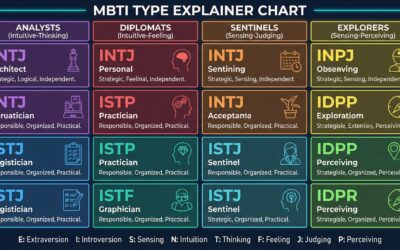
Enneagram: Type 8 (The Challenger), Type 2 (The Helper) MBTI: ESTJ (Extraverted, Sensing, Thinking, Judging), ENTJ (Extraverted, Intuitive, Thinking, Judging)
The Hero Archetype in Screenwriting and Fiction Plotting
The Hero is often the protagonist in epic tales, superhero stories, or narratives of personal growth and transformation. They may be called to adventure, face challenges and adversity, and ultimately triumph through courage, determination, and self-sacrifice.
The Power of the Hero
The Hero archetype represents the transformative power of courage, determination, and self-sacrifice. By understanding and embracing the Hero within, we can tap into a boundless source of inner strength, contributing to the betterment of ourselves, our communities, and the world [23].
Bibliography
- Campbell, J. (1949). The hero with a thousand faces. New World Library.
- Schwartz, R. C. (1995). Internal family systems therapy. Guilford Press.
- Earley, J. (2009). Self-therapy: A step-by-step guide to creating wholeness and healing your inner child using IFS. Pattern System Books.
- Young, J. E., Klosko, J. S., & Weishaar, M. E. (2006). Schema therapy: A practitioner’s guide. Guilford Press.
- Stone, H., & Stone, S. (2011). Embracing ourselves: The voice dialogue manual. New World Library.
- Campbell, J. (1988). The power of myth. Anchor Books.
- Van der Kolk, B. A. (2015). The body keeps the score: Brain, mind, and body in the healing of trauma. Penguin Books.
- Rank, O. (1914). The myth of the birth of the hero: A psychological interpretation of mythology. Journal of Nervous and Mental Disease Publishing Company.
- Allison, S. T., & Goethals, G. R. (2011). Heroes: What they do and why we need them. Oxford University Press.
- Campbell, J. (2004). Pathways to bliss: Mythology and personal transformation. New World Library.
- Jung, C. G. (1968). The archetypes and the collective unconscious. Princeton University Press.
- Henderson, J. L. (1968). Ancient myths and modern man. In C. G. Jung (Ed.), Man and his symbols (pp. 104-157). Dell Publishing.
- Zweig, C., & Abrams, J. (1991). Meeting the shadow: The hidden power of the dark side of human nature. Tarcher.
- Becker, E. (1973). The denial of death. Free Press.
- Pearson, C. S. (1991). Awakening the heroes within: Twelve archetypes to help us find ourselves and transform our world. HarperCollins.
- Siegel, D. J. (2010). Mindsight: The new science of personal transformation. Bantam Books.
- Herman, J. L. (2015). Trauma and recovery: The aftermath of violence–from domestic abuse to political terror. Basic Books.
- Allison, S. T., & Setterberg, G. C. (2016). Heroic leadership: An influence taxonomy of 100 exceptional individuals. Routledge.
- Campbell, J. (2008). The hero with a thousand faces (3rd ed.). New World Library.
- Efthimiou, O., & Franco, Z. E. (2017). Heroic intelligence: The hero’s journey as an evolutionary and existential blueprint. Journal of Genius and Eminence, 2(2), 32-43.
- Franco, Z. E., Allison, S. T., Kinsella, E. L., Kohen, A., Langdon, M., & Zimbardo, P. G. (2018). Heroism research: A review of theories, methods, challenges, and trends. Journal of Humanistic Psychology, 58(4), 382-396.
- Kinsella, E. L., Ritchie, T. D., & Igou, E. R. (2017). Attributes and applications of heroes: A brief history of lay and academic perspectives. In S. T. Allison, G. R. Goethals, & R. M. Kramer (Eds.), Handbook of heroism and heroic leadership (pp. 19-35). Routledge.
- Allison, S. T., Goethals, G. R., & Kramer, R. M. (Eds.). (2017). Handbook of heroism and heroic leadership. Routledge.


0 Comments