No Results Found
The page you requested could not be found. Try refining your search, or use the navigation above to locate the post.

Exploring how contemporary neuroscience transforms our understanding of mental health, trauma recovery, and the neuroplasticity that makes lasting healing possible.
Clinically Reviewed & Edited By:
Joel Blackstock, LICSW-S, MSW, PIP | Clinical Director, Taproot Therapy Collective
How the brain changes during the healing process.
Processing pain at the subcortical level.
The neurochemistry of mood and sleep.
Our practice utilizes cutting-edge brain research from NIMH and Harvard Medical School to inform targeted interventions. By understanding the neurobiological mechanisms of evidence-based practices like EMDR and Brainspotting, we help clients move from symptom management to true neural healing.
Living in Alabama, we have unique access to research from the University of Alabama at Birmingham (UAB), allowing our team to integrate local clinical trial data and advanced diagnostics into our personalized treatment plans.
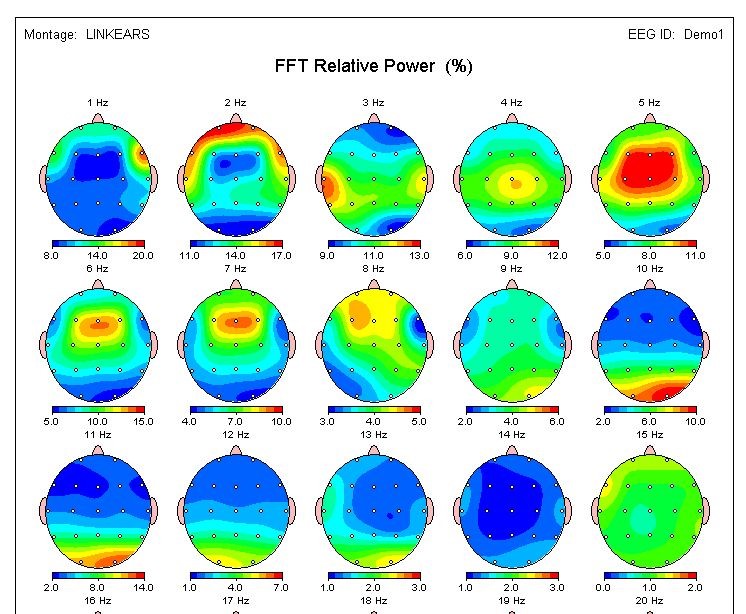
A QEEG (Quantitative Electroencephalogram) is a diagnostic tool that measures brain wave patterns. It provides a visual “map” of brain activity, helping therapists identify areas of dysregulation that may contribute to anxiety, ADHD, or PTSD.
Taproot Therapy Collective in Hoover, AL, specializes in neuroscience-informed therapeutic practice. We integrate the latest brain science with compassionate clinical care to serve the Greater Birmingham metropolitan area.
Neuroplasticity studies show that regular meditation increases gray matter density in regions associated with attention and self-awareness while decreasing amygdala reactivity, effectively “rewiring” the brain for better emotional regulation.
We bridge the gap between world-class neuroscience and local Alabama clinical care. If you are seeking a therapist in Hoover, AL who uses evidence-based brain science, our clinicians are accepting new patients.
📍 Located at 2025 Shady Crest Dr, Suite 203, Hoover, AL 35216
The page you requested could not be found. Try refining your search, or use the navigation above to locate the post.