

The most effective natural remedy for chronic insomnia is not a pill. It is cognitive behavioral therapy for insomnia (CBT-I), a drug-free treatment that American and European guidelines recommend first. Melatonin has a real but narrow use for jet lag and body-clock problems. Valerian, chamomile, magnesium and most other sleep supplements show small, inconsistent effects in trials, and a few carry real risks.
The argument of this page is psychological. Chronic insomnia usually starts with a bad stretch, such as a death, a deadline or a new baby, and then outlives it, because the person learns to lie in bed alert and starts working at sleep. Sleep does not respond to effort. A remedy taken as one more nightly attempt to force it can feed the problem it is meant to solve. CBT-I works because it takes the effort out. That does not make every supplement useless. It does mean the question to ask of any remedy is whether it lowers the pressure around sleep or adds to it.
Why insomnia outlasts whatever started it
About 10% of adults meet criteria for an insomnia disorder, and roughly another 20% have occasional symptoms. Once established, it tends to last: about 40% of people still have it five years later.1 Short episodes are far more common. In a UK community study of normal sleepers, 31% to 37% developed acute insomnia within a year,2 and most such episodes resolve without treatment.3
The standard explanation for why some episodes become chronic is the “3P” model that Arthur Spielman and colleagues set out in 1987: predisposing factors make a person vulnerable, a precipitating event sets the insomnia off, and perpetuating factors keep it going after the trigger has passed.4 The perpetuating factors are mostly reasonable-looking responses to a bad night: going to bed earlier, sleeping in, napping, lying in bed awake, and reading, working or scrolling in bed. Over time those habits weaken the bed’s association with sleep, condition the bedroom to arousal and reduce the sleep drive that builds up across the day.3
The body is involved too. Dieter Riemann’s group reviewed autonomic, hormonal, EEG and brain-imaging studies and found people with chronic insomnia are more aroused than good sleepers by day as well as by night.5 Allison Harvey’s cognitive model describes the mental side: worry about sleep and about tomorrow raises arousal, attention narrows onto signs of sleeplessness, people overestimate how little they slept, and “safety behaviours” such as trying to suppress thoughts make the worry worse.6 If that loop sounds like generalized anxiety, it is close kin; our article on chronic worry and how it keeps itself going describes the daytime version.
Colin Espie’s attention-intention-effort model makes the key point plainly. Good sleep is automatic, and it is easily disrupted by paying attention to it and by trying to control it.7 Sleep is involuntary, so direct attempts to produce it can keep insomnia going; Espie and Niall Broomfield built the Glasgow Sleep Effort Scale to measure exactly that striving.8 Sleep clinicians now see a tracker-driven version, called orthosomnia, in which wearable data turns into “a perfectionistic quest for the ideal sleep.”9
Seen through this model, a crowded nightstand of capsules and gummies is not neutral. If each one is another tool for making sleep happen, the routine becomes a safety behaviour of its own. That is a clinical reading, not a trial result, but it explains why people can take a supplement for years and still dread bedtime.
CBT-I: the drug-free treatment the guidelines put first
The American College of Physicians recommends that every adult with chronic insomnia disorder receive CBT-I as the initial treatment, a strong recommendation based on moderate-quality evidence.10 The American Academy of Sleep Medicine (AASM) gives multicomponent CBT-I its only strong recommendation among behavioral treatments. It conditionally supports stimulus control, sleep restriction and relaxation used alone, and advises against sleep hygiene as a stand-alone treatment.11 The 2023 European guideline calls CBT-I the first-line treatment for adults of any age, including people with other medical or psychiatric conditions, whether it is delivered in person or digitally.12
CBT-I is usually delivered over several weekly sessions and combines a handful of parts:
- Stimulus control. The bed is kept for sleep, and the person gets up when they are lying there wide awake, so the bed relearns its association with sleep rather than with struggle.3
- Sleep restriction. Time in bed is first cut back to roughly the time actually spent asleep, then extended as sleep consolidates. In Spielman’s 1987 uncontrolled series, 35 patients with an average 15-year history of insomnia improved on every sleep measure, and the gains held about eight months later in the 23 patients who were followed up, though some found the schedule hard to keep.13
- Cognitive therapy. This works on the beliefs Harvey describes, such as the conviction that one short night will wreck the next day, and on the habit of monitoring.
- Relaxation training and education about how sleep is regulated.
The effects are clinically meaningful. A meta-analysis of 20 trials with 1,162 adults found that after CBT-I people fell asleep about 19 minutes faster, spent about 26 fewer minutes awake during the night and gained close to 10 percentage points of sleep efficiency. Total sleep time barely changed at first, and the gains appeared to last.14 A broader analysis of 87 trials found a large effect on insomnia severity, and face-to-face treatment of at least four sessions outperformed self-help.15 Durability is its clearest advantage over sleeping pills. In Charles Morin’s 1999 trial in older adults, behavioral treatment and temazepam both helped in the short run, but people given behavioral treatment alone kept their gains over follow-up visits that ran to two years, while those given the drug alone did not.16
Where mindfulness and yoga fit
Mindfulness asks for the opposite of sleep effort: noticing wakefulness without trying to fix it. In a trial of 54 adults with chronic insomnia, people assigned to mindfulness-based stress reduction or to a mindfulness program adapted for insomnia cut their total wake time by about 44 minutes a night, against about one minute with self-monitoring alone, and half of the insomnia-adapted group were in remission six months later.17 Across 18 trials, mindfulness improved sleep quality more than attention-matched control conditions did, but low-strength evidence suggested it was no better than specific active treatments such as established sleep therapies.18 That makes it a reasonable complement to CBT-I, not a replacement. Our page on mindfulness and meditation therapy has more on the practice. Yoga improved self-rated sleep quality in a meta-analysis of 19 trials in women, though the three trials that measured insomnia severity found no effect.19
Melatonin and tart cherry: a clock signal, not a knockout
Melatonin is a hormone made by the pineal gland that helps set the body’s daily rhythms, and light at night suppresses it.20, 21 As a sleeping aid for insomnia, its effect is small. A meta-analysis of 19 trials with 1,683 adults and children with primary sleep disorders found melatonin helped people fall asleep about 7 minutes sooner and sleep about 8 minutes longer than placebo, with a small improvement in rated sleep quality.22 On that kind of evidence the AASM suggests clinicians not use melatonin for sleep-onset or sleep-maintenance insomnia in adults.23 The European guideline recommends against fast-release melatonin. It allows prolonged-release melatonin for up to three months in people 55 and older.12
Melatonin is better understood as a timing signal. In a 2002 Cochrane review, nine of ten trials found that melatonin taken near the target bedtime at the destination reduced jet lag after flights across five or more time zones; taken at the wrong time of day, it could cause sleepiness and slow adaptation.20 The AASM endorses strategically timed melatonin for delayed sleep-wake phase disorder, the “night owl” pattern in which the body clock runs late, and recommends against it for older adults with dementia.24 Because timing does the work, plan it with a prescriber or sleep clinician rather than guessing.
Product quality is a separate problem. When researchers tested 31 melatonin supplements, the actual content ranged from 83% below to 478% above the label, and about a quarter of the products also contained serotonin.25 A 2023 analysis of 25 melatonin gummies found 22 were inaccurately labeled. One contained no detectable melatonin, and the rest held 74% to 347% of the stated amount.21, 26 Reports to US poison centers of children and teenagers swallowing melatonin rose 530% between 2012 and 2021. Five needed mechanical ventilation and two children died, although the poison-center data could not show whether melatonin caused those deaths.21, 27 In the United States melatonin is sold as a dietary supplement, while several other countries treat it as a prescription drug.21
Tart cherry juice is sold as a natural melatonin source. Montmorency cherries contain about 13.5 nanograms of melatonin per gram,28 so a 100-gram serving holds less than one five-hundredth of a 1-milligram tablet. The trials are small. In 20 healthy volunteers, a week of tart cherry concentrate raised urinary melatonin and lengthened sleep measured by wrist actigraphy.29 In 15 older adults with insomnia, a proprietary cherry blend reduced time awake after sleep onset but not the time to fall asleep or total sleep, with effects the authors called considerably smaller than those of CBT-I.30
Valerian, hops, chamomile, lavender, passionflower, kava and lemon balm
Start with placebo. In sleeping-pill trials, placebo groups improve on sleep-lab measures as well as questionnaires and achieve about 64% of the drug’s response.31 Expectation is powerful in insomnia, so small, open-label or manufacturer-run herbal studies deserve caution.
Valerian and hops
Valerian (Valeriana officinalis) is the most studied sleep herb, and the results weaken as the studies improve. A 2006 review of 16 trials with 1,093 patients found that most had significant methodological problems; the six that used a yes-or-no rating of “improved sleep” showed a benefit, but with signs of publication bias.32 A 2010 meta-analysis of 18 trials found a 0.7-minute difference between valerian and placebo in the time to fall asleep, statistically indistinguishable from zero, with no benefit on quantitative sleep-quality scales; the only signal was a subjective yes-or-no rating.33 In an internet-based trial of 391 adults with anxiety and insomnia, the placebo group’s insomnia score fell by 8.3 points and valerian did no better.34 A 2015 meta-analysis of 14 trials of valerian, chamomile, kava and wuling found no herb beat placebo on any of 13 measures, and valerian produced more adverse events per person than placebo.35 The AASM suggests clinicians not use valerian for chronic insomnia.23
Supporters argue the inconsistency reflects variable extract quality,36 a hypothesis worth testing rather than a reason to trust any bottle. The positive studies most often quoted are small trials scored by questionnaire: 72 patients after coronary bypass surgery,37 39 hemodialysis patients in a crossover design,38 and one trial in postmenopausal women, inside a 2018 review that judged the evidence on herbal medicine for menopausal sleep problems inadequate.39
Hops (Humulus lupulus) are often sold combined with valerian. In a 184-person trial run at nine US sleep centers, a valerian-hops combination produced modest improvements in self-reported sleep, but few comparisons with placebo were statistically significant and sleep-lab recordings showed no difference.40 The US National Center for Complementary and Integrative Health (NCCIH) notes that valerian can cause headache, stomach upset, mental dullness and vivid dreams, may cause withdrawal-like symptoms if stopped abruptly after long use, and should not be combined with alcohol or sedatives.41
Chamomile and lavender
Chamomile’s reputation rests partly on apigenin, a flavonoid that binds the benzodiazepine receptor; in mice it reduced anxiety without sedation and was only mildly sedating at ten times the anxiety-reducing dose.42 In people with chronic insomnia, a 28-day placebo-controlled pilot trial in 34 patients found no significant difference on any sleep-diary measure.43 A 2019 meta-analysis found chamomile improved general sleep-quality ratings, but the one trial in insomnia showed no change in insomnia severity.44 Chamomile can cause allergic reactions, especially in people allergic to ragweed and related plants, and interactions with warfarin have been reported.45
A 2026 meta-analysis of 11 trials with 628 adults found a moderate improvement in sleep quality with lavender essential oil, from few studies of limited quality.46 It is hard to blind anyone to the smell of lavender, so expectation is difficult to separate from effect. NCCIH judges it unclear whether lavender aromatherapy helps sleep, and notes a few reports of breast swelling in children using topical lavender products, cause uncertain.47 Our review of the evidence on aromatherapy goes further.
Passionflower, kava and lemon balm
Passionflower (Passiflora incarnata) has one widely cited human sleep trial. Forty-one healthy adults aged 18 to 35 drank passionflower or placebo tea for a week each, and only one of six sleep-diary measures, the subjective quality rating, favored passionflower. Ten also had overnight recordings, and the abstract reports no sleep-lab result in its favor.48
Kava (Piper methysticum) has been drunk ceremonially and medicinally by Pacific Islanders for thousands of years, not since the 18th century, as is sometimes claimed.49 By 2002, health officials in Germany, Switzerland and the United States had recorded eleven kava users who developed liver failure and needed transplants, in cases possibly linked to kava products, and on March 25, 2002 the FDA issued a consumer advisory about kava and liver injury.50 In the internet trial described above, kava did no better than placebo for anxiety.34 NCCIH advises against combining it with benzodiazepines or alcohol, and it is a poor choice for self-treating insomnia.49
Lemon balm (Melissa officinalis) is often listed with an “effective dose.” The study behind it was a 15-day open-label trial of 20 volunteers with no placebo group; four of its five authors worked for Naturex, the company that makes the extract, which also funded the work.51 Given the placebo effects above, its uncontrolled 42% drop in insomnia ratings says very little.
Magnesium, glycine, L-theanine, tryptophan and 5-HTP
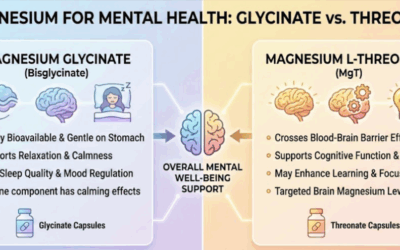
Magnesium. A 2021 meta-analysis found only three randomized trials of oral magnesium for insomnia, covering 151 older adults. People taking magnesium fell asleep about 17 minutes faster than with placebo, the gain in total sleep was not statistically significant, and all three trials were at moderate to high risk of bias.52 A 2024 systematic review found five of eight small, varied sleep studies reported some improvement, and suggested benefits may be largest in people whose magnesium status is low to begin with.53 In healthy people the kidneys clear excess magnesium efficiently, and diarrhea is the side effect that has set the upper limit for supplemental doses;54 people with kidney disease or on prescription medication should ask a prescriber first. Claims that one form is best for sleep are not established. Our comparison of magnesium L-threonate and magnesium glycinate looks at the forms in more detail.
Glycine. In volunteers who had been sleeping poorly, glycine taken at bedtime improved self-rated sleep quality and shortened the time to fall asleep in the sleep lab.55 Rat studies suggest it acts on the brain’s master clock, widening skin blood vessels and lowering core temperature.56 Much of this work comes from scientists at Ajinomoto, an amino-acid manufacturer, and these studies did not enroll people diagnosed with insomnia disorder.
L-theanine. In a 2025 meta-analysis of 19 trials with 897 participants, this amino acid from tea leaves produced small improvements in self-reported time to fall asleep, daytime functioning and sleep quality, though few studies tested it on its own rather than in a blend.57
Tryptophan and 5-HTP. The AASM suggests clinicians not use tryptophan for chronic insomnia.23 A meta-analysis published in 2022 could pool only four studies; tryptophan shortened time awake after sleep onset and did not change any other part of sleep.58 Its history carries a warning: in 1989 an epidemic of eosinophilia-myalgia syndrome, an illness of severe muscle pain and very high eosinophil counts, was traced to tryptophan from one manufacturer whose production process had changed.59 The cause was a contaminant, not tryptophan itself.60 For 5-HTP, the sleep studies described in a 2020 review mostly concern REM sleep in healthy volunteers and sleep terrors in children, not insomnia.61 The bigger concern is serotonin syndrome: both raise serotonin, and combining them with antidepressants or other serotonin-boosting drugs can, rarely, cause confusion, muscle jerking, high body temperature and, in severe cases, coma.60, 61 Anyone on an SSRI, SNRI or other serotonergic medication should not add either without talking to their prescriber.
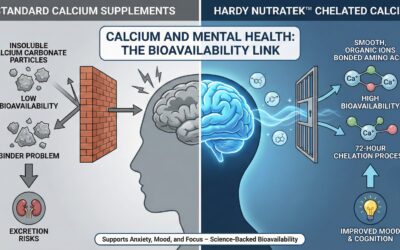
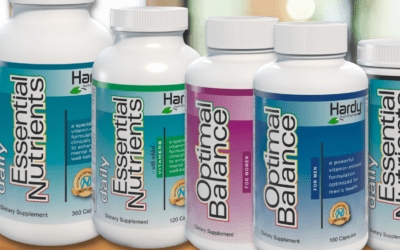
Zinc, ashwagandha and multinutrient formulas. A 2022 meta-analysis of 31 supplement trials concluded that zinc needs more research;62 the trial behind claims for shift workers is a one-month questionnaire study of 54 intensive-care nurses.63 Ashwagandha showed a small effect on sleep across five trials with 400 participants,64 but it has been linked to cholestatic liver injury with jaundice.65 Our article on adaptogens and the evidence on ashwagandha covers its safety record. Some Taproot clinicians recommend broad-spectrum micronutrient formulas for other reasons, which our micronutrition page explains. We have not found a placebo-controlled trial of them for insomnia, and Taproot receives a small commission on Hardy Nutritionals sales made through our offer code, so weigh our interest accordingly.
Before you take anything: safety, interactions and product quality
- No premarket approval. Unlike drugs, dietary supplements are not approved by the FDA before they are sold; manufacturers are responsible for their own safety and labeling.49
- Sedative stacking. Valerian and kava should not be combined with alcohol or sedatives. Chamomile and lavender have theoretical interactions with sedative drugs.41, 45, 47, 49 Tell your prescriber everything you take, including teas.
- Pregnancy, breastfeeding and children. Little is known about the safety of valerian, chamomile or lavender in pregnancy or breastfeeding, and kava may carry particular risks.41, 45, 47, 49 Keep melatonin gummies out of children’s reach and ask a pediatrician before giving melatonin to a child.
- Another sleep disorder. Loud snoring, gasping or pauses in breathing, an evening urge to move the legs, or sleepiness however long you stay in bed call for a medical evaluation. The European guideline recommends overnight sleep studies when a breathing or movement disorder is suspected and for insomnia that resists treatment.12
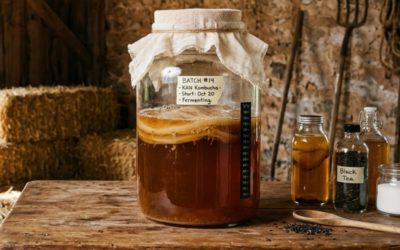
- Hidden stimulants. Track late-day caffeine, including in tea-based drinks; see our look at what kombucha actually does to the body and brain.
Nothing here is a dosing recommendation. If you want to try a supplement, bring the specific product to your prescriber or pharmacist and ask how it fits your health and medications.
What this looks like in therapy
Insomnia work in therapy starts with a careful history: when the trouble began, what was happening in the person’s life, what they now do at night and what they take. The European guideline makes a clinical interview, questionnaires and a sleep diary the core of assessment.12 A week or two of diary entries often shows the perpetuating pattern: long hours in bed, catch-up sleep on weekends, a phone that keeps every awakening company.
From there the CBT-I elements are fairly standard: a consistent rise time, a sleep window matched to actual sleep, getting up when wide awake, and work on the thoughts that surround the night. The clinical skill lies in helping someone tolerate the first weeks, when a shorter sleep window leaves them sleepier before they sleep better, and in noticing when the supplement routine, the tracker or the bedtime ritual has become one more way of trying too hard.
Insomnia rarely arrives alone. People with insomnia who are not depressed have about twice the risk of developing depression later.66 Treating it can help the other condition. Across 37 trials in people with psychiatric or medical illnesses, 36% of those given CBT-I were in remission from insomnia afterward, compared with 17% in control conditions, and symptoms of the co-occurring condition improved modestly too.67 In the OASIS trial of 3,755 UK university students, digital CBT-I reduced insomnia and also reduced paranoia and hallucinatory experiences, with better sleep mediating the change.68 If low mood is part of the picture, our depression treatment page describes how we approach it.
For trauma survivors, night is often when vigilance is highest. The bedroom may be where something happened, or simply the place where the mind stops being occupied. In a trial of 45 adults with PTSD, eight sessions of CBT-I produced full insomnia remission in 41% of those treated, against none on the waitlist, and the gains held at six months; nightmares improved in both groups.69 Sleep work for trauma often runs alongside trauma treatment, because a nervous system braced for danger does not settle just because the lights are off. Our anxiety and trauma treatment page describes that work.
The depth-psychological point is simple. What keeps people awake is often whatever the day had no room for. When it gets attention in daylight, in a therapy hour, it tends to press less hard at 3 a.m. Sleep then has a chance to do what it does without being made to.
If insomnia has become tangled up with anxiety, trauma, grief or low mood, therapy can address both at once. Taproot Therapy Collective sees clients in Hoover, Alabama. If what you need is a sleep study or a full course of CBT-I with a behavioral sleep specialist, we will say so. You can reach us through our contact page.
References
- Morin, C. M., & Jarrin, D. C. (2022). Epidemiology of insomnia: Prevalence, course, risk factors, and public health burden. Sleep Medicine Clinics, 17(2), 173–191. https://doi.org/10.1016/j.jsmc.2022.03.003
- Ellis, J. G., Perlis, M. L., Neale, L. F., Espie, C. A., & Bastien, C. H. (2012). The natural history of insomnia: Focus on prevalence and incidence of acute insomnia. Journal of Psychiatric Research, 46(10), 1278–1285. https://doi.org/10.1016/j.jpsychires.2012.07.001
- Cox, R. C., & Olatunji, B. O. (2021). Sleep in a pandemic: Implications of COVID-19 for sleep through the lens of the 3P model of insomnia. American Psychologist, 76(7), 1159–1171. https://doi.org/10.1037/amp0000850
- Spielman, A. J., Caruso, L. S., & Glovinsky, P. B. (1987). A behavioral perspective on insomnia treatment. Psychiatric Clinics of North America, 10(4), 541–553. https://doi.org/10.1016/S0193-953X(18)30532-X
- Riemann, D., Spiegelhalder, K., Feige, B., Voderholzer, U., Berger, M., Perlis, M., & Nissen, C. (2010). The hyperarousal model of insomnia: A review of the concept and its evidence. Sleep Medicine Reviews, 14(1), 19–31. https://doi.org/10.1016/j.smrv.2009.04.002
- Harvey, A. G. (2002). A cognitive model of insomnia. Behaviour Research and Therapy, 40(8), 869–893. https://doi.org/10.1016/S0005-7967(01)00061-4
- Espie, C. A., Broomfield, N. M., MacMahon, K. M., Macphee, L. M., & Taylor, L. M. (2006). The attention-intention-effort pathway in the development of psychophysiologic insomnia: A theoretical review. Sleep Medicine Reviews, 10(4), 215–245. https://doi.org/10.1016/j.smrv.2006.03.002
- Broomfield, N. M., & Espie, C. A. (2005). Towards a valid, reliable measure of sleep effort. Journal of Sleep Research, 14(4), 401–407. https://doi.org/10.1111/j.1365-2869.2005.00481.x
- Baron, K. G., Abbott, S., Jao, N., Manalo, N., & Mullen, R. (2017). Orthosomnia: Are some patients taking the quantified self too far? Journal of Clinical Sleep Medicine, 13(2), 351–354. https://doi.org/10.5664/jcsm.6472
- Qaseem, A., Kansagara, D., Forciea, M. A., Cooke, M., Denberg, T. D., & Clinical Guidelines Committee of the American College of Physicians. (2016). Management of chronic insomnia disorder in adults: A clinical practice guideline from the American College of Physicians. Annals of Internal Medicine, 165(2), 125–133. https://doi.org/10.7326/M15-2175
- Edinger, J. D., Arnedt, J. T., Bertisch, S. M., Carney, C. E., Harrington, J. J., Lichstein, K. L., Sateia, M. J., Troxel, W. M., Zhou, E. S., Kazmi, U., Heald, J. L., & Martin, J. L. (2021). Behavioral and psychological treatments for chronic insomnia disorder in adults: An American Academy of Sleep Medicine clinical practice guideline. Journal of Clinical Sleep Medicine, 17(2), 255–262. https://doi.org/10.5664/jcsm.8986
- Riemann, D., Espie, C. A., Altena, E., Arnardottir, E. S., Baglioni, C., Bassetti, C. L. A., Bastien, C., Berzina, N., Bjorvatn, B., Dikeos, D., Dolenc Groselj, L., Ellis, J. G., Garcia-Borreguero, D., Geoffroy, P. A., Gjerstad, M., Gonçalves, M., Hertenstein, E., Hoedlmoser, K., Hion, T., . . . Spiegelhalder, K. (2023). The European Insomnia Guideline: An update on the diagnosis and treatment of insomnia 2023. Journal of Sleep Research, 32(6), Article e14035. https://doi.org/10.1111/jsr.14035
- Spielman, A. J., Saskin, P., & Thorpy, M. J. (1987). Treatment of chronic insomnia by restriction of time in bed. Sleep, 10(1), 45–56. https://doi.org/10.1093/sleep/10.1.45
- Trauer, J. M., Qian, M. Y., Doyle, J. S., Rajaratnam, S. M. W., & Cunnington, D. (2015). Cognitive behavioral therapy for chronic insomnia: A systematic review and meta-analysis. Annals of Internal Medicine, 163(3), 191–204. https://doi.org/10.7326/M14-2841
- van Straten, A., van der Zweerde, T., Kleiboer, A., Cuijpers, P., Morin, C. M., & Lancee, J. (2018). Cognitive and behavioral therapies in the treatment of insomnia: A meta-analysis. Sleep Medicine Reviews, 38, 3–16. https://doi.org/10.1016/j.smrv.2017.02.001
- Morin, C. M., Colecchi, C., Stone, J., Sood, R., & Brink, D. (1999). Behavioral and pharmacological therapies for late-life insomnia: A randomized controlled trial. JAMA, 281(11), 991–999. https://doi.org/10.1001/jama.281.11.991
- Ong, J. C., Manber, R., Segal, Z., Xia, Y., Shapiro, S., & Wyatt, J. K. (2014). A randomized controlled trial of mindfulness meditation for chronic insomnia. Sleep, 37(9), 1553–1563. https://doi.org/10.5665/sleep.4010
- Rusch, H. L., Rosario, M., Levison, L. M., Olivera, A., Livingston, W. S., Wu, T., & Gill, J. M. (2019). The effect of mindfulness meditation on sleep quality: A systematic review and meta-analysis of randomized controlled trials. Annals of the New York Academy of Sciences, 1445(1), 5–16. https://doi.org/10.1111/nyas.13996
- Wang, W.-L., Chen, K.-H., Pan, Y.-C., Yang, S.-N., & Chan, Y.-Y. (2020). The effect of yoga on sleep quality and insomnia in women with sleep problems: A systematic review and meta-analysis. BMC Psychiatry, 20(1), Article 195. https://doi.org/10.1186/s12888-020-02566-4
- Herxheimer, A., & Petrie, K. J. (2002). Melatonin for the prevention and treatment of jet lag. Cochrane Database of Systematic Reviews, 2002(2), Article CD001520. https://doi.org/10.1002/14651858.CD001520
- National Center for Complementary and Integrative Health. (2024, May). Melatonin: What you need to know. National Institutes of Health. https://www.nccih.nih.gov/health/melatonin-what-you-need-to-know
- Ferracioli-Oda, E., Qawasmi, A., & Bloch, M. H. (2013). Meta-analysis: Melatonin for the treatment of primary sleep disorders. PLoS ONE, 8(5), Article e63773. https://doi.org/10.1371/journal.pone.0063773
- Sateia, M. J., Buysse, D. J., Krystal, A. D., Neubauer, D. N., & Heald, J. L. (2017). Clinical practice guideline for the pharmacologic treatment of chronic insomnia in adults: An American Academy of Sleep Medicine clinical practice guideline. Journal of Clinical Sleep Medicine, 13(2), 307–349. https://doi.org/10.5664/jcsm.6470
- Auger, R. R., Burgess, H. J., Emens, J. S., Deriy, L. V., Thomas, S. M., & Sharkey, K. M. (2015). Clinical practice guideline for the treatment of intrinsic circadian rhythm sleep-wake disorders: Advanced sleep-wake phase disorder (ASWPD), delayed sleep-wake phase disorder (DSWPD), non-24-hour sleep-wake rhythm disorder (N24SWD), and irregular sleep-wake rhythm disorder (ISWRD). An update for 2015. Journal of Clinical Sleep Medicine, 11(10), 1199–1236. https://doi.org/10.5664/jcsm.5100
- Erland, L. A. E., & Saxena, P. K. (2017). Melatonin natural health products and supplements: Presence of serotonin and significant variability of melatonin content. Journal of Clinical Sleep Medicine, 13(2), 275–281. https://doi.org/10.5664/jcsm.6462
- Cohen, P. A., Avula, B., Wang, Y.-H., Katragunta, K., & Khan, I. (2023). Quantity of melatonin and CBD in melatonin gummies sold in the US. JAMA, 329(16), 1401–1402. https://doi.org/10.1001/jama.2023.2296
- Lelak, K., Vohra, V., Neuman, M. I., Toce, M. S., & Sethuraman, U. (2022). Pediatric melatonin ingestions: United States, 2012–2021. MMWR. Morbidity and Mortality Weekly Report, 71(22), 725–729. https://doi.org/10.15585/mmwr.mm7122a1
- Burkhardt, S., Tan, D. X., Manchester, L. C., Hardeland, R., & Reiter, R. J. (2001). Detection and quantification of the antioxidant melatonin in Montmorency and Balaton tart cherries (Prunus cerasus). Journal of Agricultural and Food Chemistry, 49(10), 4898–4902. https://doi.org/10.1021/jf010321+
- Howatson, G., Bell, P. G., Tallent, J., Middleton, B., McHugh, M. P., & Ellis, J. (2012). Effect of tart cherry juice (Prunus cerasus) on melatonin levels and enhanced sleep quality. European Journal of Nutrition, 51(8), 909–916. https://doi.org/10.1007/s00394-011-0263-7
- Pigeon, W. R., Carr, M., Gorman, C., & Perlis, M. L. (2010). Effects of a tart cherry juice beverage on the sleep of older adults with insomnia: A pilot study. Journal of Medicinal Food, 13(3), 579–583. https://doi.org/10.1089/jmf.2009.0096
- Winkler, A., & Rief, W. (2015). Effect of placebo conditions on polysomnographic parameters in primary insomnia: A meta-analysis. Sleep, 38(6), 925–931. https://doi.org/10.5665/sleep.4742
- Bent, S., Padula, A., Moore, D., Patterson, M., & Mehling, W. (2006). Valerian for sleep: A systematic review and meta-analysis. The American Journal of Medicine, 119(12), 1005–1012. https://doi.org/10.1016/j.amjmed.2006.02.026
- Fernández-San-Martín, M. I., Masa-Font, R., Palacios-Soler, L., Sancho-Gómez, P., Calbó-Caldentey, C., & Flores-Mateo, G. (2010). Effectiveness of valerian on insomnia: A meta-analysis of randomized placebo-controlled trials. Sleep Medicine, 11(6), 505–511. https://doi.org/10.1016/j.sleep.2009.12.009
- Jacobs, B. P., Bent, S., Tice, J. A., Blackwell, T., & Cummings, S. R. (2005). An internet-based randomized, placebo-controlled trial of kava and valerian for anxiety and insomnia. Medicine, 84(4), 197–207. https://doi.org/10.1097/01.md.0000172299.72364.95
- Leach, M. J., & Page, A. T. (2015). Herbal medicine for insomnia: A systematic review and meta-analysis. Sleep Medicine Reviews, 24, 1–12. https://doi.org/10.1016/j.smrv.2014.12.003
- Shinjyo, N., Waddell, G., & Green, J. (2020). Valerian root in treating sleep problems and associated disorders: A systematic review and meta-analysis. Journal of Evidence-Based Integrative Medicine, 25, Article 2515690X20967323. https://doi.org/10.1177/2515690X20967323
- Zare Elmi, H. K., Gholami, M., Saki, M., & Ebrahimzadeh, F. (2021). Efficacy of valerian extract on sleep quality after coronary artery bypass graft surgery: A triple-blind randomized controlled trial. Chinese Journal of Integrative Medicine, 27(1), 7–15. https://doi.org/10.1007/s11655-020-2727-1
- Tammadon, M. R., Nobahar, M., Hydarinia-Naieni, Z., Ebrahimian, A., Ghorbani, R., & Vafaei, A. A. (2021). The effects of valerian on sleep quality, depression, and state anxiety in hemodialysis patients: A randomized, double-blind, crossover clinical trial. Oman Medical Journal, 36(2), Article e255. https://doi.org/10.5001/omj.2021.56
- Khadivzadeh, T., Abdolahian, S., Ghazanfarpour, M., Kargarfard, L., Dizavandi, F. R., & Khorsand, I. (2018). A systematic review and meta-analysis on the effect of herbal medicine to manage sleep dysfunction in peri- and postmenopause. Journal of Menopausal Medicine, 24(2), 92–99. https://doi.org/10.6118/jmm.2018.24.2.92
- Morin, C. M., Koetter, U., Bastien, C., Ware, J. C., & Wooten, V. (2005). Valerian-hops combination and diphenhydramine for treating insomnia: A randomized placebo-controlled clinical trial. Sleep, 28(11), 1465–1471. https://doi.org/10.1093/sleep/28.11.1465
- National Center for Complementary and Integrative Health. (2025, May). Valerian. National Institutes of Health. https://www.nccih.nih.gov/health/valerian
- Viola, H., Wasowski, C., Levi de Stein, M., Wolfman, C., Silveira, R., Dajas, F., Medina, J. H., & Paladini, A. C. (1995). Apigenin, a component of Matricaria recutita flowers, is a central benzodiazepine receptors-ligand with anxiolytic effects. Planta Medica, 61(3), 213–216. https://doi.org/10.1055/s-2006-958058
- Zick, S. M., Wright, B. D., Sen, A., & Arnedt, J. T. (2011). Preliminary examination of the efficacy and safety of a standardized chamomile extract for chronic primary insomnia: A randomized placebo-controlled pilot study. BMC Complementary and Alternative Medicine, 11, Article 78. https://doi.org/10.1186/1472-6882-11-78
- Hieu, T. H., Dibas, M., Surya Dila, K. A., Sherif, N. A., Hashmi, M. U., Mahmoud, M., Trang, N. T. T., Abdullah, L., Nghia, T. L. B., Y, M. N., Hirayama, K., & Huy, N. T. (2019). Therapeutic efficacy and safety of chamomile for state anxiety, generalized anxiety disorder, insomnia, and sleep quality: A systematic review and meta-analysis of randomized trials and quasi-randomized trials. Phytotherapy Research, 33(6), 1604–1615. https://doi.org/10.1002/ptr.6349
- National Center for Complementary and Integrative Health. (2024, November). Chamomile. National Institutes of Health. https://www.nccih.nih.gov/health/chamomile
- Shen, H., Zhang, L.-J., & Zhu, W.-Y. (2026). The sleep-enhancing effect of lavender essential oil in adults: A systematic review and meta-analysis. Holistic Nursing Practice, 40(2), 105–118. https://doi.org/10.1097/HNP.0000000000000734
- National Center for Complementary and Integrative Health. (2025, February). Lavender. National Institutes of Health. https://www.nccih.nih.gov/health/lavender
- Ngan, A., & Conduit, R. (2011). A double-blind, placebo-controlled investigation of the effects of Passiflora incarnata (passionflower) herbal tea on subjective sleep quality. Phytotherapy Research, 25(8), 1153–1159. https://doi.org/10.1002/ptr.3400
- National Center for Complementary and Integrative Health. (2025, April). Kava. National Institutes of Health. https://www.nccih.nih.gov/health/kava
- Centers for Disease Control and Prevention. (2002). Hepatic toxicity possibly associated with kava-containing products: United States, Germany, and Switzerland, 1999–2002. MMWR. Morbidity and Mortality Weekly Report, 51(47), 1065–1067. https://pubmed.ncbi.nlm.nih.gov/12500906/
- Cases, J., Ibarra, A., Feuillère, N., Roller, M., & Sukkar, S. G. (2011). Pilot trial of Melissa officinalis L. leaf extract in the treatment of volunteers suffering from mild-to-moderate anxiety disorders and sleep disturbances. Mediterranean Journal of Nutrition and Metabolism, 4(3), 211–218. https://doi.org/10.1007/s12349-010-0045-4
- Mah, J., & Pitre, T. (2021). Oral magnesium supplementation for insomnia in older adults: A systematic review & meta-analysis. BMC Complementary Medicine and Therapies, 21(1), Article 125. https://doi.org/10.1186/s12906-021-03297-z
- Rawji, A., Peltier, M. R., Mourtzanakis, K., Awan, S., Rana, J., Pothen, N. J., & Afzal, S. (2024). Examining the effects of supplemental magnesium on self-reported anxiety and sleep quality: A systematic review. Cureus, 16(4), Article e59317. https://doi.org/10.7759/cureus.59317
- Costello, R., Rosanoff, A., Nielsen, F., & West, C. (2023). Perspective: Call for re-evaluation of the tolerable upper intake level for magnesium supplementation in adults. Advances in Nutrition, 14(5), 973–982. https://doi.org/10.1016/j.advnut.2023.06.008
- Yamadera, W., Inagawa, K., Chiba, S., Bannai, M., Takahashi, M., & Nakayama, K. (2007). Glycine ingestion improves subjective sleep quality in human volunteers, correlating with polysomnographic changes. Sleep and Biological Rhythms, 5(2), 126–131. https://doi.org/10.1111/j.1479-8425.2007.00262.x
- Kawai, N., Sakai, N., Okuro, M., Karakawa, S., Tsuneyoshi, Y., Kawasaki, N., Takeda, T., Bannai, M., & Nishino, S. (2015). The sleep-promoting and hypothermic effects of glycine are mediated by NMDA receptors in the suprachiasmatic nucleus. Neuropsychopharmacology, 40(6), 1405–1416. https://doi.org/10.1038/npp.2014.326
- Bulman, A., D’Cunha, N. M., Marx, W., Turner, M., McKune, A., & Naumovski, N. (2025). The effects of L-theanine consumption on sleep outcomes: A systematic review and meta-analysis. Sleep Medicine Reviews, 81, Article 102076. https://doi.org/10.1016/j.smrv.2025.102076
- Sutanto, C. N., Loh, W. W., & Kim, J. E. (2022). The impact of tryptophan supplementation on sleep quality: A systematic review, meta-analysis, and meta-regression. Nutrition Reviews, 80(2), 306–316. https://doi.org/10.1093/nutrit/nuab027
- Belongia, E. A., Hedberg, C. W., Gleich, G. J., White, K. E., Mayeno, A. N., Loegering, D. A., Dunnette, S. L., Pirie, P. L., MacDonald, K. L., & Osterholm, M. T. (1990). An investigation of the cause of the eosinophilia-myalgia syndrome associated with tryptophan use. New England Journal of Medicine, 323(6), 357–365. https://doi.org/10.1056/NEJM199008093230601
- Fernstrom, J. D. (2012). Effects and side effects associated with the non-nutritional use of tryptophan by humans. The Journal of Nutrition, 142(12), 2236S–2244S. https://doi.org/10.3945/jn.111.157065
- Maffei, M. E. (2020). 5-Hydroxytryptophan (5-HTP): Natural occurrence, analysis, biosynthesis, biotechnology, physiology and toxicology. International Journal of Molecular Sciences, 22(1), Article 181. https://doi.org/10.3390/ijms22010181
- Chan, V., & Lo, K. (2022). Efficacy of dietary supplements on improving sleep quality: A systematic review and meta-analysis. Postgraduate Medical Journal, 98(1158), 285–293. https://doi.org/10.1136/postgradmedj-2020-139319
- Gholipour Baradari, A., Alipour, A., Mahdavi, A., Sharifi, H., Nouraei, S. M., & Emami Zeydi, A. (2018). The effect of zinc supplementation on sleep quality of ICU nurses: A double blinded randomized controlled trial. Workplace Health & Safety, 66(4), 191–200. https://doi.org/10.1177/2165079917734880
- Cheah, K. L., Norhayati, M. N., Husniati Yaacob, L., & Abdul Rahman, R. (2021). Effect of ashwagandha (Withania somnifera) extract on sleep: A systematic review and meta-analysis. PLOS ONE, 16(9), Article e0257843. https://doi.org/10.1371/journal.pone.0257843
- Björnsson, H. K., Björnsson, E. S., Avula, B., Khan, I. A., Jonasson, J. G., Ghabril, M., Hayashi, P. H., & Navarro, V. (2020). Ashwagandha-induced liver injury: A case series from Iceland and the US Drug-Induced Liver Injury Network. Liver International, 40(4), 825–829. https://doi.org/10.1111/liv.14393
- Baglioni, C., Battagliese, G., Feige, B., Spiegelhalder, K., Nissen, C., Voderholzer, U., Lombardo, C., & Riemann, D. (2011). Insomnia as a predictor of depression: A meta-analytic evaluation of longitudinal epidemiological studies. Journal of Affective Disorders, 135(1–3), 10–19. https://doi.org/10.1016/j.jad.2011.01.011
- Wu, J. Q., Appleman, E. R., Salazar, R. D., & Ong, J. C. (2015). Cognitive behavioral therapy for insomnia comorbid with psychiatric and medical conditions: A meta-analysis. JAMA Internal Medicine, 175(9), 1461–1472. https://doi.org/10.1001/jamainternmed.2015.3006
- Freeman, D., Sheaves, B., Goodwin, G. M., Yu, L. M., Nickless, A., Harrison, P. J., Emsley, R., Luik, A. I., Foster, R. G., Wadekar, V., Hinds, C., Gumley, A., Jones, R., Lightman, S., Jones, S., Bentall, R., Kinderman, P., Rowse, G., Brugha, T., . . . Espie, C. A. (2017). The effects of improving sleep on mental health (OASIS): A randomised controlled trial with mediation analysis. The Lancet Psychiatry, 4(10), 749–758. https://doi.org/10.1016/S2215-0366(17)30328-0
- Talbot, L. S., Maguen, S., Metzler, T. J., Schmitz, M., McCaslin, S. E., Richards, A., Perlis, M. L., Posner, D. A., Weiss, B., Ruoff, L., Varbel, J., & Neylan, T. C. (2014). Cognitive behavioral therapy for insomnia in posttraumatic stress disorder: A randomized controlled trial. Sleep, 37(2), 327–341. https://doi.org/10.5665/sleep.3408






0 Comments