
Adaptogens are herbs sold to raise the body’s general resistance to stress. Ashwagandha has the most trials: pooled results show lower self-reported stress and modestly lower cortisol after about eight weeks, but the studies are small, short and rated low in certainty. Rhodiola’s evidence is weaker and inconsistent. None is a stand-alone treatment for an anxiety disorder, depression or burnout.
This page makes one argument. The adaptogen was invented in the Soviet Union as a way to keep soldiers, pilots and war-industry workers productive under strain, and it is still sold on that promise: tolerate more. The trials suggest a supplement can turn the volume of a stress response down a little. It cannot tell you what the stress is about, and when it becomes a way to keep absorbing a load that ought to change, it works against the person taking it. Stress that lasts for months is usually information. Therapy treats it that way. A capsule cannot.
Where the word “adaptogen” came from
The idea rests on Hans Selye’s stress research. In a 1936 letter to Nature, Selye described a single stereotyped syndrome produced by many different “nocuous agents.”1 He later built it into the general adaptation syndrome: an alarm phase, a phase of resistance in which symptoms recede, and finally exhaustion.2 Six decades later Bruce McEwen put the clinical problem in similar terms. The stress mediators that protect the body in the short run do damage when they stay switched on, a cumulative cost he called allostatic load.3
Soviet pharmacologists turned Selye’s middle phase into a drug target. A 2021 history by Alexander Panossian and colleagues dates the word “adaptogen” to 1958, when the toxicologist N. V. Lazarev applied it to a synthetic stimulant, dibazol. The work behind it went back to wartime studies of Schisandra chinensis, meant to supply the Soviet armed forces and military industry, from pilots and sailors to civilians making weapons, with a natural stimulant.2 In 1969 I. I. Brekhman and I. V. Dardymov set out the definition still quoted today: an adaptogen should be harmless, should raise resistance to a wide range of physical, chemical and biological stressors, and may normalize body functions whichever direction they have been pushed.4, 2 Several preparations entered official Soviet medicine in 1967 as stimulants and tonics, and Panossian’s group reports that cosmonauts used them on long missions aboard the Mir station.2
That history still shapes the marketing. The adaptogen was a productivity technology for a state that prized, in Panossian’s words, “great achievements in space, military power, and sports.”2 Its goal was endurance. Relief was a side effect. The modern pitch is the same: keep going, recover faster, handle more. Nothing in the concept asks whether the load itself is reasonable.
European regulators have been unconvinced. In 2008 the European Medicines Agency’s herbal committee (HMPC) issued a reflection paper on the adaptogenic concept. As Panossian’s review quotes it, the committee concluded that “the principle of an adaptogenic action needs further clarification and studies in the preclinical and clinical area,” that the term “is not accepted in pharmacological and clinical terminology that is commonly used in the EU,” and that the clinical data had shortcomings in inclusion criteria, diagnosis, study design and analysis. When the committee later assessed rhodiola, ginseng and eleuthero, none reached “well-established use,” the level of evidence needed for a marketing authorization on scientific grounds. Its EU monographs for all three rest on traditional use.2
Ashwagandha: the strongest case, and its limits
Ashwagandha (Withania somnifera), a root from Ayurvedic medicine, has more stress trials than any other adaptogen. The most cited is a 2012 trial in Hyderabad, India, in which 64 adults with a history of chronic stress took 300 mg of a root extract twice a day or a placebo for 60 days. Perceived Stress Scale scores fell 44.0% in the ashwagandha group and 5.5% in the placebo group, and serum cortisol fell 27.9% against 7.9%. The extract was KSM-66, provided by its manufacturer, Ixoreal Biomed.5 A 2019 trial near Mumbai randomized 60 stressed adults to 250 mg a day, 600 mg a day or placebo, using the same extract, again supplied by the company. After eight weeks both doses lowered stress scores and cortisol, and sleep quality improved.6 A third 2019 trial, led by the Australian researcher Adrian Lopresti with a different extract (Shoden, 240 mg a day), found a significant drop in clinician-rated anxiety and morning cortisol, but the difference on the self-rated Depression, Anxiety and Stress Scale did not reach significance.7
Pooled analyses agree on direction and disagree on confidence. A 2022 meta-analysis of 12 trials with 1,002 participants found large reductions in anxiety and stress compared with placebo, but the trials disagreed with each other to an extreme degree (I² of 93.8% for anxiety), and the authors rated the certainty of the evidence low for both outcomes.8 A 2023 review of 25 trials covering nine adaptogenic plants pooled only the ashwagandha results, which showed serum cortisol 3.27 µg/dL lower than placebo after 56 to 60 days and a clinically relevant drop in perceived stress.9 A 2025 Italian meta-analysis restricted to people with diagnosed mental disorders, mostly anxiety disorders, pooled 14 trials with 713 people. It found improvements in anxiety, stress and sleep, while flagging the small number of studies, substantial heterogeneity and outliers; the depression result did not survive a Bayesian check.10
The most useful clinical summary is the 2022 guideline from the World Federation of Societies of Biological Psychiatry and the Canadian Network for Mood and Anxiety Treatments (WFSBP-CANMAT). Its 31-member taskforce graded only agents with a meta-analysis or at least two randomized trials. Ashwagandha was “provisionally recommended” for anxiety disorders, the second of five grades, and the taskforce advised that where herbs and nutrients are used, they be used as add-ons within standard medical or health-professional care, especially for more severe illness.11
Three cautions apply to every number above. Most trials ran about two months or less, so they say nothing about a year of daily use. Several of the best-known used extracts supplied by the companies that sell them. And cortisol is a poor scoreboard. A 2016 systematic review of 58 studies relating cortisol tests to fatigue or burnout found “an almost systematic finding of conflicting results” across testing methods, and concluded that “adrenal fatigue,” the idea behind most “adrenal support” products, has no substantiation as a medical condition.12 A lower cortisol reading is not the same thing as a solved problem.
Rhodiola: older claims, thinner evidence
Rhodiola rosea grows at high altitudes and northern latitudes.13 Much of the positive work on it used one branded extract, SHR-5, made by the Swedish Herbal Institute in Gothenburg, in trials co-authored by Alexander Panossian, who by his own published biography became that company’s head of research and development in 2003. He has since headed research and development at Europharma USA.2, 14
The two trials most quoted for stress deserve a close reading. In a 2000 Armenian crossover study, 56 young physicians on night duty took a low dose of SHR-5 or placebo for two weeks each. Their mental-fatigue scores improved on rhodiola, but only in the first two-week period.15 Burnout was not measured. In a 2009 Swedish trial, 60 adults who met criteria for fatigue syndrome took 576 mg of SHR-5 a day or placebo for 28 days. Both groups improved significantly on burnout, mental health, depression ratings and several attention measures, which the authors attribute to a placebo effect. Compared directly, rhodiola did better only on the burnout scale, some attention indices and the cortisol response to waking.16
Independent reviewers have been cautious. A 2011 systematic review by Edzard Ernst’s group found 11 placebo-controlled trials, most of moderate or good quality, but “a lack of independent replications.”17 A 2012 review from the University of Alberta, focused on fatigue, found that every included study had a high or unclear risk of bias and called the research “contradictory.”13 When a University of Pennsylvania team whose members reported no financial interest in herbal companies tested SHR-5 itself in 2015, against sertraline and placebo in 57 adults with mild to moderate depression, the three groups did not differ significantly over 12 weeks. Rhodiola did cause fewer side effects than sertraline.14 The WFSBP-CANMAT taskforce did not support rhodiola for mood disorders.11 The EU monograph allows rhodiola only as a traditional herbal medicine “for temporary relief of symptoms of stress, such as fatigue and sensation of weakness,” because the committee found too few trials to call its efficacy established.2 An earlier version of this page said that position followed a review of more than 70 clinical trials. That was wrong.
Holy basil, ginseng, eleuthero and L-theanine
Holy basil, or tulsi (Ocimum sanctum), has a long place in Ayurvedic and Siddha medicine. A 2017 systematic review found 24 human studies, every one reporting favorable outcomes and none reporting significant adverse events.18 A literature in which every study is positive invites suspicion of publication bias, and the authors called for work on dose, form and who benefits.
Asian ginseng (Panax ginseng) and eleuthero (Eleutherococcus senticosus) were both part of official Soviet medicine, and eleuthero studies made up most of the literature behind the EMA’s 2008 paper. For ginseng, the committee cited heterogeneous preparations, small samples and uneven methods.2 The practical issue with ginseng is interactions. In a randomized trial at the University of Chicago, American ginseng (Panax quinquefolius) reduced the effect of warfarin in healthy volunteers,19 and in a Toronto study it lowered blood sugar after a glucose drink in people with and without type 2 diabetes.20 An earlier version of this article said schisandra protects the liver against stress and “supports adrenal function.” We found no clinical support for either claim.
L-theanine is not an herb but an amino acid from green tea, often sold alongside adaptogens. A 2026 meta-analysis in Molecular Psychiatry pooled 31 randomized trials with 1,168 participants. A single 200 mg dose improved choice reaction time, a measure of attention. The reduction in acute stress was modest and largely driven by studies at high risk of bias, and effects on anxiety were inconsistent and mostly non-significant. One of its four authors had founded a supplement company.21 In an often-cited 2019 Japanese crossover trial of 30 healthy adults taking 200 mg a day for four weeks, only some sleep subscales improved more than on placebo, and two authors worked for the company that supplied the tablets.22 Our review of natural remedies for insomnia covers the sleep evidence.
Magnesium, B vitamins, vitamin C and omega-3s
Magnesium
Magnesium has the best story and some of the weakest trials. A 2017 University of Leeds systematic review found 18 studies, all in people already vulnerable to anxiety, such as those with mild anxiety or premenstrual syndrome. About half reported a benefit, the overall quality was poor, and not one used a validated measure of stress.23 The 2018 trial often cited for stress relief in people with low blood magnesium enrolled 268 adults, and stress scores fell by about 42% to 45% over eight weeks on magnesium with or without vitamin B6. It had no placebo group, only investigators were blinded, and three authors were Sanofi employees.24 The “vicious circle” idea, that stress drains magnesium and low magnesium heightens stress, is a hypothesis dating to the early 1990s; its 2020 restatement also lists Sanofi employees among its authors.25
The US Institute of Medicine set the adult tolerable upper intake for magnesium from supplements at 350 mg a day, with diarrhea as the limiting effect, and some researchers now argue the limit is too conservative. That argument applies to people with healthy kidneys, which clear excess magnesium efficiently,26 so anyone with kidney disease should ask a prescriber first. The best-known evidence that any form of magnesium raises brain levels is a 2010 study in rats given magnesium L-threonate.27 We compare the forms in magnesium L-threonate versus magnesium glycinate.
B vitamins
A 2019 meta-analysis of 16 trials and 2,015 participants found that B-complex supplements produced a small benefit for stress (a standardized mean difference of 0.23), no effect on anxiety and no significant effect on depressive symptoms. Three of its five authors reported funding from the supplement industry.28 The risk worth knowing is vitamin B6. High intakes of pyridoxine damage sensory nerves. The US upper limit is 100 mg a day, European authorities set a lower one, and case reports describe neuropathy at doses near or even below the European limit.29 After a run of such reports the Netherlands lowered the maximum daily dose allowed in supplements to 21 mg in October 2018; reports involving very high doses then fell, though some cases at lower doses continued.30 B6 turns up in many combination products, so the total across every bottle is worth adding up.
Vitamin C
The adrenal glands do hold vitamin C, and a 2007 study at the US National Institutes of Health showed that they release it into the adrenal veins when stimulated by ACTH, the pituitary’s stress signal.31 That is real physiology. It is not evidence that a supplement “supports” the adrenals. The best-known clinical test is a 2002 German trial in which 120 young adults took 3,000 mg a day of sustained-release vitamin C or placebo for 14 days and then gave a speech and did mental arithmetic in front of evaluators. The vitamin C group had a smaller rise in systolic blood pressure (23 versus 31 mmHg), less subjective stress and faster cortisol recovery, though not a smaller overall cortisol response.32 The WFSBP-CANMAT taskforce did not recommend vitamin C for depression.11
Omega-3 fatty acids
Some of the better-designed trials here come from Janice Kiecolt-Glaser’s group at Ohio State. In 2011 they gave 68 medical students 2.5 g a day of fish oil, mostly EPA, or a placebo for 12 weeks. Anxiety symptoms fell 20% more on omega-3, and stimulated production of the inflammatory marker IL-6 fell 14%.33 In a 2021 trial of 138 sedentary, overweight middle-aged adults, four months of 2.5 g a day left cortisol 19% lower and IL-6 33% lower than placebo during a laboratory speech stressor.34 A 2018 meta-analysis of 19 trials found benefit for anxiety mainly in people with diagnosed conditions and only at doses of at least 2,000 mg a day;35 one included study was later retracted, and a 2023 reanalysis excludes it.36 High doses carry a cost. In long cardiovascular trials, whose participants averaged 65 years old, omega-3 supplements raised the risk of atrial fibrillation by about 25%, and more in trials using over 1 g a day.37 Across psychiatry, the strongest nutrient evidence is for EPA as an add-on treatment for depression, not for everyday stress.38
Micronutrient formulas
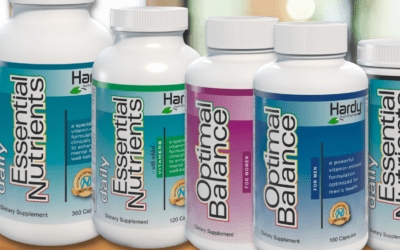
Broad-spectrum vitamin and mineral formulas are a separate case. After the 2011 Christchurch earthquake, Julia Rucklidge’s group randomized 91 stressed or anxious adults to one of two formulas, one of them at two doses, for four weeks. All groups improved, the higher-dose broad-spectrum formula did somewhat better on mood, anxiety and energy, and there was no placebo arm.39 Some of our clinicians recommend micronutrients, and we explain why we recommend Hardy Nutritionals in a separate article. Taproot negotiated a discount for patients with that company and has no other financial stake in it. Our page on micronutrient therapy describes how it fits alongside therapy. Neither should be read as a claim that a supplement treats stress on its own.
Safety, interactions and product quality
“Natural” does not mean inert, and ashwagandha is the clearest example. A 2020 case series from Iceland and the US Drug-Induced Liver Injury Network described five people who developed jaundice 2 to 12 weeks after starting ashwagandha products; liver tests returned to normal within one to five months in the four who were followed.40 A 2023 series from India described eight cases linked to single-ingredient products in which no contaminants were found. Three patients who already had chronic liver disease developed acute-on-chronic liver failure and died.41 Ashwagandha also moves thyroid hormones. In a 2018 trial of 50 adults with subclinical hypothyroidism, eight weeks of 600 mg a day raised T3 and T4 and lowered TSH.42
European regulators have acted on these signals. Denmark banned ashwagandha in food supplements in 2023, after a national risk assessment raised concerns about effects on sex and thyroid hormones, the immune system and the liver, and about its traditional reputation as an abortifacient. In 2024 the Dutch public health institute warned of liver injury, thyrotoxicosis and adrenal suppression in sensitive people; France’s food-safety agency told people with thyroid, liver or heart disease, pregnant and breastfeeding women, people taking sedatives and anyone under 18 to avoid it; and the heads of Europe’s food-safety agencies recommended a procedure that could end in an EU-wide ban. The US National Institutes of Health fact sheet advises against use in pregnancy, breastfeeding and hormone-sensitive prostate cancer.43 A 2026 review argues that the abortifacient concern rests on poorly sourced historical reports and that the evidence is inconclusive either way;44 the safe reading is that its safety in pregnancy has not been established.
Talk to the prescriber before starting any of these, and especially if you:
- take thyroid medication or have thyroid disease, liver disease or hormone-sensitive prostate cancer (ashwagandha)42, 41, 43
- take sedatives (ashwagandha, under French guidance)43
- are pregnant or breastfeeding (ashwagandha in particular)43, 44
- take warfarin or diabetes medication (ginseng, especially American ginseng)19, 20
- have kidney disease (magnesium) or a heart-rhythm problem (high-dose fish oil)26, 37
- take any psychiatric medication, so that the person prescribing it knows the full list
Product quality is its own risk. Under the 1994 Dietary Supplement Health and Education Act, supplements are a category of food and skip the premarket safety and effectiveness testing required of drugs. Between 2007 and 2016 the FDA identified 776 supplements containing hidden pharmaceutical ingredients, mostly in sexual-enhancement, weight-loss and muscle-building products.45 Ashwagandha is generally treated as an ingredient already sold before October 1994, so it needs no safety notification to the FDA.43 Third-party testing can confirm what is in the bottle. It cannot tell you whether it works.
What this looks like in therapy
People rarely come to therapy because of a supplement. They come because the stress has outlasted every fix, and the supplements are part of that history.
We find out what “stress” means for this person. The word covers anxiety disorders, depression, trauma responses that fire when nothing is dangerous, grief, caregiving with no end date, and burnout. They call for different treatment. Burnout is not a vitamin deficiency. The Berkeley psychologist Christina Maslach and her colleague Michael Leiter describe it as an “occupationally-specific dysphoria,” point to how little evaluative research exists on interventions, and note that treatment usually aims to return the person to the same job.46 When the job is the problem, a better-adapted employee is not the only possible outcome. Our burnout therapy starts from that question.
We take an honest supplement history. We ask what people take, how much and why, and encourage them to share the list with their prescriber. The findings are often practical: overlapping B6, or ashwagandha alongside thyroid medication. Sometimes the finding is psychological. A supplement routine can become a ritual of self-management, one more thing to get right, that keeps a person from asking what would have to change.
We work with the nervous system directly. A stress response that has stayed on for months shows up as shallow breathing, braced shoulders, broken sleep and a quick startle. Body-based approaches teach people to notice and settle those states rather than override them. Mindfulness-based stress reduction has a sizeable evidence base in healthy adults: a 2015 meta-analysis of 29 studies, not all controlled, found large effects on stress, moderate effects on anxiety and depression, small effects on burnout, and gains that held at an average of 19 weeks, though heterogeneity was high.47 Our pages on somatic therapy for nervous system regulation and mindfulness and meditation therapy describe what sessions involve, and our piece on the neurobiology of resilience looks at why some people recover faster than others.
We ask what the stress is for. Selye’s model ends in exhaustion for a reason. Exhaustion is the body’s report that endurance as a strategy has run out. In depth-oriented work we treat that report as meaningful. Sometimes it points to an old injury that keeps being re-staged, sometimes to a role taken on early and never chosen, sometimes to a life that no longer fits. The Soviet adaptogen program asked how to make a person withstand more. Therapy asks what would have to change for this person to need less withstanding. A supplement can be part of the first answer. Only the person can work out the second.
If stress has become the background of your days, our therapists in Hoover work with anxiety, burnout and trauma, in person and by teletherapy. You can read about our approach to anxiety treatment, or contact us with a question first.
References
- Selye, H. (1936). A syndrome produced by diverse nocuous agents. Nature, 138(3479), 32. https://doi.org/10.1038/138032a0
- Panossian, A. G., Efferth, T., Shikov, A. N., Pozharitskaya, O. N., Kuchta, K., Mukherjee, P. K., Banerjee, S., Heinrich, M., Wu, W., Guo, D.-A., & Wagner, H. (2021). Evolution of the adaptogenic concept from traditional use to medical systems: Pharmacology of stress- and aging-related diseases. Medicinal Research Reviews, 41(1), 630–703. https://doi.org/10.1002/med.21743
- McEwen, B. S. (1998). Protective and damaging effects of stress mediators. New England Journal of Medicine, 338(3), 171–179. https://doi.org/10.1056/nejm199801153380307
- Brekhman, I. I., & Dardymov, I. V. (1969). New substances of plant origin which increase nonspecific resistance. Annual Review of Pharmacology, 9, 419–430. https://doi.org/10.1146/annurev.pa.09.040169.002223
- Chandrasekhar, K., Kapoor, J., & Anishetty, S. (2012). A prospective, randomized double-blind, placebo-controlled study of safety and efficacy of a high-concentration full-spectrum extract of ashwagandha root in reducing stress and anxiety in adults. Indian Journal of Psychological Medicine, 34(3), 255–262. https://doi.org/10.4103/0253-7176.106022
- Salve, J., Pate, S., Debnath, K., & Langade, D. (2019). Adaptogenic and anxiolytic effects of ashwagandha root extract in healthy adults: A double-blind, randomized, placebo-controlled clinical study. Cureus, 11(12), Article e6466. https://doi.org/10.7759/cureus.6466
- Lopresti, A. L., Smith, S. J., Malvi, H., & Kodgule, R. (2019). An investigation into the stress-relieving and pharmacological actions of an ashwagandha (Withania somnifera) extract: A randomized, double-blind, placebo-controlled study. Medicine, 98(37), Article e17186. https://doi.org/10.1097/md.0000000000017186
- Akhgarjand, C., Asoudeh, F., Bagheri, A., Kalantar, Z., Vahabi, Z., Shab-Bidar, S., Rezvani, H., & Djafarian, K. (2022). Does ashwagandha supplementation have a beneficial effect on the management of anxiety and stress? A systematic review and meta-analysis of randomized controlled trials. Phytotherapy Research, 36(11), 4115–4124. https://doi.org/10.1002/ptr.7598
- Tóth-Mészáros, A., Garmaa, G., Hegyi, P., Bánvölgyi, A., Fenyves, B., Fehérvári, P., Harnos, A., Gergő, D., Nguyen Do To, U., & Csupor, D. (2023). The effect of adaptogenic plants on stress: A systematic review and meta-analysis. Journal of Functional Foods, 108, Article 105695. https://doi.org/10.1016/j.jff.2023.105695
- Marchi, M., Grenzi, P., Travascio, A., Uberti, D., De Micheli, E., Quartaroli, F., Laquatra, G., Pingani, L., Ferrari, S., & Galeazzi, G. M. (2025). The effect of Withania somnifera (ashwagandha) on mental health symptoms in individuals with mental disorders: Systematic review and meta-analysis. BJPsych Open, 11(6), Article e260. https://doi.org/10.1192/bjo.2025.10885
- Sarris, J., Ravindran, A., Yatham, L. N., Marx, W., Rucklidge, J. J., McIntyre, R. S., Akhondzadeh, S., Benedetti, F., Caneo, C., Cramer, H., Cribb, L., de Manincor, M., Dean, O., Deslandes, A. C., Freeman, M. P., Gangadhar, B., Harvey, B. H., Kasper, S., Lake, J., . . . Berk, M. (2022). Clinician guidelines for the treatment of psychiatric disorders with nutraceuticals and phytoceuticals: The World Federation of Societies of Biological Psychiatry (WFSBP) and Canadian Network for Mood and Anxiety Treatments (CANMAT) Taskforce. World Journal of Biological Psychiatry, 23(6), 424–455. https://doi.org/10.1080/15622975.2021.2013041
- Cadegiani, F. A., & Kater, C. E. (2016). Adrenal fatigue does not exist: A systematic review. BMC Endocrine Disorders, 16(1), Article 48. https://doi.org/10.1186/s12902-016-0128-4
- Ishaque, S., Shamseer, L., Bukutu, C., & Vohra, S. (2012). Rhodiola rosea for physical and mental fatigue: A systematic review. BMC Complementary and Alternative Medicine, 12(1), Article 70. https://doi.org/10.1186/1472-6882-12-70
- Mao, J. J., Xie, S. X., Zee, J., Soeller, I., Li, Q. S., Rockwell, K., & Amsterdam, J. D. (2015). Rhodiola rosea versus sertraline for major depressive disorder: A randomized placebo-controlled trial. Phytomedicine, 22(3), 394–399. https://doi.org/10.1016/j.phymed.2015.01.010
- Darbinyan, V., Kteyan, A., Panossian, A., Gabrielian, E., Wikman, G., & Wagner, H. (2000). Rhodiola rosea in stress induced fatigue: A double blind cross-over study of a standardized extract SHR-5 with a repeated low-dose regimen on the mental performance of healthy physicians during night duty. Phytomedicine, 7(5), 365–371. https://doi.org/10.1016/s0944-7113(00)80055-0
- Olsson, E. M., von Schéele, B., & Panossian, A. G. (2009). A randomised, double-blind, placebo-controlled, parallel-group study of the standardised extract SHR-5 of the roots of Rhodiola rosea in the treatment of subjects with stress-related fatigue. Planta Medica, 75(2), 105–112. https://doi.org/10.1055/s-0028-1088346
- Hung, S. K., Perry, R., & Ernst, E. (2011). The effectiveness and efficacy of Rhodiola rosea L.: A systematic review of randomized clinical trials. Phytomedicine, 18(4), 235–244. https://doi.org/10.1016/j.phymed.2010.08.014
- Jamshidi, N., & Cohen, M. M. (2017). The clinical efficacy and safety of tulsi in humans: A systematic review of the literature. Evidence-Based Complementary and Alternative Medicine, 2017, Article 9217567. https://doi.org/10.1155/2017/9217567
- Yuan, C.-S., Wei, G., Dey, L., Karrison, T., Nahlik, L., Maleckar, S., Kasza, K., Ang-Lee, M., & Moss, J. (2004). Brief communication: American ginseng reduces warfarin’s effect in healthy patients: A randomized, controlled trial. Annals of Internal Medicine, 141(1), 23–27. https://doi.org/10.7326/0003-4819-141-1-200407060-00011
- Vuksan, V., Sievenpiper, J. L., Koo, V. Y. Y., Francis, T., Beljan-Zdravkovic, U., Xu, Z., & Vidgen, E. (2000). American ginseng (Panax quinquefolius L) reduces postprandial glycemia in nondiabetic subjects and subjects with type 2 diabetes mellitus. Archives of Internal Medicine, 160(7), 1009–1013. https://doi.org/10.1001/archinte.160.7.1009
- Gerolymos, C., Saddier, E., Boyer, L., & Fond, G. (2026). Cognitive and affective effects of L-theanine: A systematic review and meta-analysis of 31 randomized trials. Molecular Psychiatry, 31(11), 6592–6602. https://doi.org/10.1038/s41380-026-03727-9
- Hidese, S., Ogawa, S., Ota, M., Ishida, I., Yasukawa, Z., Ozeki, M., & Kunugi, H. (2019). Effects of L-theanine administration on stress-related symptoms and cognitive functions in healthy adults: A randomized controlled trial. Nutrients, 11(10), Article 2362. https://doi.org/10.3390/nu11102362
- Boyle, N. B., Lawton, C., & Dye, L. (2017). The effects of magnesium supplementation on subjective anxiety and stress: A systematic review. Nutrients, 9(5), Article 429. https://doi.org/10.3390/nu9050429
- Pouteau, E., Kabir-Ahmadi, M., Noah, L., Mazur, A., Dye, L., Hellhammer, J., Pickering, G., & Dubray, C. (2018). Superiority of magnesium and vitamin B6 over magnesium alone on severe stress in healthy adults with low magnesemia: A randomized, single-blind clinical trial. PLOS ONE, 13(12), Article e0208454. https://doi.org/10.1371/journal.pone.0208454
- Pickering, G., Mazur, A., Trousselard, M., Bienkowski, P., Yaltsewa, N., Amessou, M., Noah, L., & Pouteau, E. (2020). Magnesium status and stress: The vicious circle concept revisited. Nutrients, 12(12), Article 3672. https://doi.org/10.3390/nu12123672
- Costello, R., Rosanoff, A., Nielsen, F., & West, C. (2023). Perspective: Call for re-evaluation of the tolerable upper intake level for magnesium supplementation in adults. Advances in Nutrition, 14(5), 973–982. https://doi.org/10.1016/j.advnut.2023.06.008
- Slutsky, I., Abumaria, N., Wu, L.-J., Huang, C., Zhang, L., Li, B., Zhao, X., Govindarajan, A., Zhao, M.-G., Zhuo, M., Tonegawa, S., & Liu, G. (2010). Enhancement of learning and memory by elevating brain magnesium. Neuron, 65(2), 165–177. https://doi.org/10.1016/j.neuron.2009.12.026
- Young, L. M., Pipingas, A., White, D. J., Gauci, S., & Scholey, A. (2019). A systematic review and meta-analysis of B vitamin supplementation on depressive symptoms, anxiety, and stress: Effects on healthy and ‘at-risk’ individuals. Nutrients, 11(9), Article 2232. https://doi.org/10.3390/nu11092232
- Hadtstein, F., & Vrolijk, M. (2021). Vitamin B-6-induced neuropathy: Exploring the mechanisms of pyridoxine toxicity. Advances in Nutrition, 12(5), 1911–1929. https://doi.org/10.1093/advances/nmab033
- van Hunsel, F., Scholl, J., Vrolijk, M., & Ekhart, C. (2025). Impact of regulatory action on dose maximalization for vitamin B6 dietary supplements on the reporting pattern for neuropathy. Pharmacoepidemiology and Drug Safety, 34(2), Article e70108. https://doi.org/10.1002/pds.70108
- Padayatty, S. J., Doppman, J. L., Chang, R., Wang, Y., Gill, J., Papanicolaou, D. A., & Levine, M. (2007). Human adrenal glands secrete vitamin C in response to adrenocorticotrophic hormone. American Journal of Clinical Nutrition, 86(1), 145–149. https://doi.org/10.1093/ajcn/86.1.145
- Brody, S., Preut, R., Schommer, K., & Schürmeyer, T. H. (2002). A randomized controlled trial of high dose ascorbic acid for reduction of blood pressure, cortisol, and subjective responses to psychological stress. Psychopharmacology, 159(3), 319–324. https://doi.org/10.1007/s00213-001-0929-6
- Kiecolt-Glaser, J. K., Belury, M. A., Andridge, R., Malarkey, W. B., & Glaser, R. (2011). Omega-3 supplementation lowers inflammation and anxiety in medical students: A randomized controlled trial. Brain, Behavior, and Immunity, 25(8), 1725–1734. https://doi.org/10.1016/j.bbi.2011.07.229
- Madison, A. A., Belury, M. A., Andridge, R., Renna, M. E., Rosie Shrout, M., Malarkey, W. B., Lin, J., Epel, E. S., & Kiecolt-Glaser, J. K. (2021). Omega-3 supplementation and stress reactivity of cellular aging biomarkers: An ancillary substudy of a randomized, controlled trial in midlife adults. Molecular Psychiatry, 26(7), 3034–3042. https://doi.org/10.1038/s41380-021-01077-2
- Su, K.-P., Tseng, P.-T., Lin, P.-Y., Okubo, R., Chen, T.-Y., Chen, Y.-W., & Matsuoka, Y. J. (2018). Association of use of omega-3 polyunsaturated fatty acids with changes in severity of anxiety symptoms: A systematic review and meta-analysis. JAMA Network Open, 1(5), Article e182327. https://doi.org/10.1001/jamanetworkopen.2018.2327
- Reanalysis after retraction of included article. (2023). JAMA Network Open, 6(4), Article e2310754. https://doi.org/10.1001/jamanetworkopen.2023.10754
- Gencer, B., Djousse, L., Al-Ramady, O. T., Cook, N. R., Manson, J. E., & Albert, C. M. (2021). Effect of long-term marine ω-3 fatty acids supplementation on the risk of atrial fibrillation in randomized controlled trials of cardiovascular outcomes: A systematic review and meta-analysis. Circulation, 144(25), 1981–1990. https://doi.org/10.1161/circulationaha.121.055654
- Firth, J., Teasdale, S. B., Allott, K., Siskind, D., Marx, W., Cotter, J., Veronese, N., Schuch, F., Smith, L., Solmi, M., Carvalho, A. F., Vancampfort, D., Berk, M., Stubbs, B., & Sarris, J. (2019). The efficacy and safety of nutrient supplements in the treatment of mental disorders: A meta-review of meta-analyses of randomized controlled trials. World Psychiatry, 18(3), 308–324. https://doi.org/10.1002/wps.20672
- Rucklidge, J. J., Andridge, R., Gorman, B., Blampied, N., Gordon, H., & Boggis, A. (2012). Shaken but unstirred? Effects of micronutrients on stress and trauma after an earthquake: RCT evidence comparing formulas and doses. Human Psychopharmacology: Clinical and Experimental, 27(5), 440–454. https://doi.org/10.1002/hup.2246
- Björnsson, H. K., Björnsson, E. S., Avula, B., Khan, I. A., Jonasson, J. G., Ghabril, M., Hayashi, P. H., & Navarro, V. (2020). Ashwagandha-induced liver injury: A case series from Iceland and the US Drug-Induced Liver Injury Network. Liver International, 40(4), 825–829. https://doi.org/10.1111/liv.14393
- Philips, C. A., Valsan, A., Theruvath, A. H., Ravindran, R., Oommen, T. T., Rajesh, S., Bishnu, S., Augustine, P., & Liver Research Club India. (2023). Ashwagandha-induced liver injury: A case series from India and literature review. Hepatology Communications, 7(10), Article e0270. https://doi.org/10.1097/hc9.0000000000000270
- Sharma, A. K., Basu, I., & Singh, S. (2018). Efficacy and safety of ashwagandha root extract in subclinical hypothyroid patients: A double-blind, randomized placebo-controlled trial. Journal of Alternative and Complementary Medicine, 24(3), 243–248. https://doi.org/10.1089/acm.2017.0183
- Brendler, T., Al-Mondhiry, R., Lang, L., Marles, R., Tallon, M., & Raghu, A. (2026). Ashwagandha: Is it safe? Part 1: A regulatory review. Phytotherapy Research, 40(8), 4845–4857. https://doi.org/10.1002/ptr.70151
- Tallon, M. J., Koturbash, I., & Blum, J. L. (2026). A systematic and ethnobotanical review of ashwagandha’s (Withania somnifera) teratogenic and abortifacient potentials. Phytotherapy Research, 40(8), 4737–4758. https://doi.org/10.1002/ptr.70079
- Tucker, J., Fischer, T., Upjohn, L., Mazzera, D., & Kumar, M. (2018). Unapproved pharmaceutical ingredients included in dietary supplements associated with US Food and Drug Administration warnings. JAMA Network Open, 1(6), Article e183337. https://doi.org/10.1001/jamanetworkopen.2018.3337
- Maslach, C., & Leiter, M. P. (2016). Understanding the burnout experience: Recent research and its implications for psychiatry. World Psychiatry, 15(2), 103–111. https://doi.org/10.1002/wps.20311
- Khoury, B., Sharma, M., Rush, S. E., & Fournier, C. (2015). Mindfulness-based stress reduction for healthy individuals: A meta-analysis. Journal of Psychosomatic Research, 78(6), 519–528. https://doi.org/10.1016/j.jpsychores.2015.03.009





0 Comments