

Natural approaches to managing OCD are supplements, herbs, nutrition, exercise and mind-body practices used alongside standard care for obsessive-compulsive disorder. The best-studied options are N-acetylcysteine, inositol, glycine, zinc, milk thistle, Persian borage, valerian and ashwagandha, each tested in small trials. Most work as add-ons to medication and therapy, not replacements, and several interact with prescription drugs.
Key takeaways
- The supplements with controlled OCD trials are N-acetylcysteine, inositol, glycine, zinc, milk thistle, valerian, Persian borage and ashwagandha, mostly small studies lasting six to twelve weeks.
- St. John’s wort and EPA omega-3 did no better than a dummy pill in their OCD trials, and St. John’s wort interacts with many medications.
- People with OCD tend to have lower vitamin B12 and higher homocysteine, so testing for and correcting deficiencies is a sensible first step.
- Supplements work best as additions to therapy and medication, started one at a time with the prescriber’s knowledge, never combined with serotonergic drugs unsupervised.
- At Taproot, somatic therapy and Brainspotting address the nervous system’s threat response that keeps obsessions and compulsions going.
Obsessive-compulsive disorder affects roughly 1 to 3 percent of people at some point in their lives, and it is often missed or undertreated.1 Psychiatric reviews name selective serotonin reuptake inhibitors (SSRIs) and exposure and response prevention (ERP) as the usual starting treatments. Many people get only partial relief, though, or cannot tolerate the side effects, and a large share of people with OCD try complementary remedies on their own.2 What follows sets out what each natural option is, what the actual trials found, the doses those trials used, and where the risks lie.
What is OCD, and what drives it?
OCD has two parts. Obsessions are persistent, unwanted thoughts, images or urges that produce anxiety, disgust or a sense that something is wrong. Compulsions are repetitive behaviours or mental acts a person feels driven to perform to reduce that distress or to prevent a feared outcome: washing, checking, counting, arranging, praying, reviewing a memory, seeking reassurance. The relief a compulsion brings is real but brief, and it teaches the brain that the obsession was dangerous, so the cycle tightens over time.
Not every compulsion is visible. In what clinicians informally call purely obsessional OCD, or Pure O, the rituals are almost all mental: silent checking, arguing with a thought, replaying an event. Contamination fears, meanwhile, connect OCD to some of the oldest human ideas about dirt and purity, a link explored in our piece on Mary Douglas and the purification of the self.
OCD usually begins in childhood, adolescence or early adulthood. It frequently travels with depression, other anxiety disorders and tic disorders, and the fifth edition of the Diagnostic and Statistical Manual moved it out of the anxiety chapter into a separate group of obsessive-compulsive and related disorders.1 Its causes involve genetics, brain circuitry, immune function and life experience together. The immune piece is clearest in children whose symptoms appear suddenly after an infection, a pattern discussed in our article on PANDAS and PANS.
Two neurotransmitter systems get most of the attention. Serotonin is the target of SSRIs and of clomipramine, the older medication used for OCD. Glutamate, the brain’s main excitatory messenger, is thought to be overactive in the loops that connect the orbitofrontal cortex, the striatum and the thalamus, the circuit that keeps flagging “not done yet.” Several of the supplements below were chosen precisely because they act on glutamate, a different route from the serotonin medications. For people whose symptoms have resisted standard drugs, that difference is the main reason these compounds have been studied at all.1
Can nutritional deficiencies affect OCD?
Several studies have compared blood levels of vitamins in people with OCD and in healthy controls. The findings do not prove that a deficiency causes OCD, but they do support checking for deficiencies and correcting them, which is cheap, safe and good for the brain in any case. The specific tests some practitioners use are covered further on.
Vitamin D
Vitamin D acts more like a hormone than a vitamin. It helps regulate immune activity and inflammation, takes part in brain development, and influences the enzymes that make serotonin. In a Turkish study of 52 children and adolescents with OCD and 30 healthy controls, the young people with OCD had significantly lower vitamin D, lower vitamin B12 and higher homocysteine.3 A 2021 meta-analysis that pooled the adult and child studies found the vitamin D difference pointed the same way but did not reach statistical significance across studies, because the individual results varied so much.4 Controlled trials of vitamin D as a treatment for OCD are lacking. The practical point is simple: deficiency is common, especially in people who spend little time outdoors, and it is worth testing and correcting.
B vitamins and homocysteine
Vitamin B12 and folate (vitamin B9) feed the methylation cycle, the chain of reactions the brain uses to build neurotransmitters and maintain the myelin that insulates nerve fibres. When B12 or folate runs low, the amino acid homocysteine builds up. The same 2021 meta-analysis found that people with OCD had significantly lower vitamin B12 and higher homocysteine than controls, and also lower vitamins C and E, two antioxidants. Folate levels did not differ.4 For someone with OCD who also has fatigue, numbness or a restrictive diet, a B12 and homocysteine check is a reasonable request.
Zinc, magnesium and selenium
Minerals such as zinc, magnesium and selenium help regulate neurotransmitter release, and zinc is a cofactor for hundreds of enzymes. Zinc also sits directly on the NMDA glutamate receptor and dampens its activity, which is why it attracts interest in OCD. In an eight-week Iranian trial, 23 patients all took fluoxetine 20 mg a day; half also took 440 mg a day of zinc sulfate and half took a dummy capsule. The zinc group had significantly lower Yale-Brown Obsessive Compulsive Scale (Y-BOCS) scores at weeks 2 and 8.5 That is a high dose, given for a short period, and long-term high-dose zinc can deplete copper, so it belongs under a prescriber’s supervision.
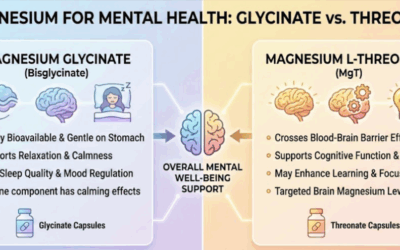
Magnesium has no OCD trials of its own, but it regulates excitability in nerve cells and blocks the NMDA receptor channel, the same glutamate target. Different forms behave differently in the body, as our comparison of magnesium L-threonate and magnesium glycinate explains. Selenium supports the antioxidant enzyme glutathione peroxidase; it is easy to get enough from food, and too much is toxic.
Which supplements have the best research for OCD?
A 2012 systematic review of complementary treatments for OCD found 14 controlled studies. The nutrient and herbal trials were rated as better designed than most of the mind-body studies, and positive results were reported for glycine, milk thistle, borage and N-acetylcysteine, though most of these studies were small and none had been replicated.2 The individual compounds follow.
N-acetylcysteine (NAC)
N-acetylcysteine is a modified form of the amino acid cysteine. Doctors have used it for decades to treat acetaminophen overdose, because it restocks glutathione, the body’s main internal antioxidant. In the brain it also drives the cystine-glutamate exchanger on glial cells, which raises glutamate outside neurons slightly and, through feedback receptors, quiets excessive glutamate release in the circuits implicated in OCD.
The interest began in 2006, when a Yale group reported a single patient whose SSRI-resistant OCD improved markedly after NAC was added to fluvoxamine.6 The best-known controlled trial followed in 2012. Forty-eight Iranian patients whose OCD had not responded to a serotonin reuptake inhibitor took either NAC, up to 2,400 mg a day, or a dummy pill for 12 weeks while staying on their medication. Y-BOCS scores fell significantly more in the NAC group, and 52.6 percent of NAC patients met the trial’s definition of full response compared with 15 percent of the comparison group.7
Later trials have been less consistent. A 2024 meta-analysis of six randomized trials with 195 patients found that NAC did not separate clearly on the obsession or compulsion subscales, while the total score showed a borderline benefit at five to eight weeks. The authors concluded that NAC may help people with moderate to severe OCD as an add-on, and that larger trials are needed.8 NAC is inexpensive and generally well tolerated; nausea and stomach upset are the usual complaints. It is also studied for hair-pulling and skin-picking, two related conditions.
Inositol
Inositol is a sugar alcohol found in fruit, beans and grains, once called vitamin B8 although the body makes its own. It forms part of the second-messenger system that carries signals inside the cell after serotonin and other neurotransmitters bind to their receptors. In a six-week double-blind crossover trial published in 1996, 13 patients with OCD took 18 grams a day of inositol and, in the other phase, a dummy powder. Their Y-BOCS scores dropped significantly more on inositol.9 Eighteen grams is a large amount, usually dissolved in water and taken in divided doses, and it can cause bloating or loose stools. Results for inositol added to SSRIs, rather than used alone, have been mixed.2
Glycine
Glycine is an amino acid that works as an inhibitory neurotransmitter in the spinal cord and brainstem. It also acts as a required co-agonist at the NMDA glutamate receptor, which is why researchers expected it to change glutamate signalling in OCD. In a 12-week trial in New York, 24 adults on stable treatment were randomized to glycine, built up to 60 grams a day, or a dummy powder. Many dropped out because of the taste or nausea, leaving 14 people who could be evaluated. Those on glycine improved by about six Y-BOCS points against one point on the dummy powder, a difference that just missed statistical significance (p = 0.053), and two participants continued taking glycine with their own psychiatrist for more than a year.10 Sixty grams a day is far more than the one to three grams sold for sleep, so this is not a supplement to scale up on one’s own.
5-HTP and tryptophan
Tryptophan is the amino acid the body turns into serotonin, and 5-hydroxytryptophan (5-HTP) is the intermediate step. In theory, extra raw material should raise serotonin production, and some clinicians have tried them as a gentle addition for OCD. Controlled evidence in OCD is thin. The main concern is safety: combined with an SSRI, clomipramine, St. John’s wort, tramadol or other serotonergic drugs, they can contribute to serotonin syndrome, a reaction marked by agitation, sweating, tremor, muscle jerks and fever that can become dangerous.11 Anyone on a serotonergic medication should not add 5-HTP or tryptophan without their prescriber’s agreement.
Which herbal remedies have been tested for OCD?
Most of the herbal trials in OCD come from Iran, where several of these plants have long histories in traditional Persian medicine. They are small, mostly six to eight weeks long, and they deserve to be repeated elsewhere. Still, they are real randomized trials, and some of their results are more encouraging than the reputation of herbal medicine would suggest.
St. John’s wort
St. John’s wort (Hypericum perforatum) is among the most studied herbs in mental health, mostly for depression, and it affects serotonin, noradrenaline, dopamine and GABA. After a small open-label study looked promising, a 12-week double-blind trial randomized 60 adults with OCD to St. John’s wort, 600 to 1,800 mg a day, or a dummy tablet. The two groups improved by almost exactly the same amount on the Y-BOCS, 3.43 points against 3.60, and the share of patients rated much improved was 17.9 percent against 16.7 percent.12 That trial did not support St. John’s wort for OCD.
Its interactions matter more than its benefits. St. John’s wort speeds up the liver enzymes and transport proteins that clear many drugs, which can lower the levels of oral contraceptives, blood thinners, transplant drugs, HIV medicines and some antidepressants. Combined with an SSRI, it can also contribute to serotonin syndrome.11
Milk thistle
Milk thistle (Silybum marianum) is best known as a liver herb. Its active complex, silymarin, has antioxidant and anti-inflammatory effects and appears to influence serotonin activity. It has also been tested head to head against an antidepressant in OCD. In an eight-week double-blind trial, 35 adult outpatients took either 600 mg a day of milk thistle extract or 30 mg a day of fluoxetine. The two groups did not differ significantly in symptom improvement or side effects.13 A single small trial cannot establish that milk thistle equals fluoxetine, but it makes milk thistle one of the more interesting herbs in this field rather than one with no research behind it.
Valerian root
Valerian (Valeriana officinalis) has long been used for anxiety, restlessness and poor sleep, and its compounds act on the brain’s GABA system, the same calming system targeted by benzodiazepines, although it is not thought to carry their risk of dependence. It is one of the herbs we cover in natural remedies for insomnia. In OCD, an eight-week double-blind trial gave 31 adults either 765 mg a day of valerian extract or a dummy capsule. Symptoms improved significantly more on valerian, and the only side effect that differed between groups was daytime sleepiness.14 That drowsiness is worth planning around, and valerian should not be stacked with alcohol or sedative medication.
Curcumin
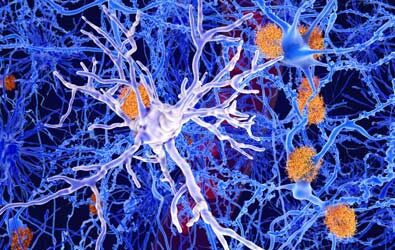
Curcumin is the main active compound in turmeric, with anti-inflammatory and antioxidant actions. Inflammation has increasingly been linked to psychiatric illness, including through the brain’s immune cells, a subject explored in our article on microglia and mental health. In a 2010 study using a rat model of OCD, in which the dopamine drug quinpirole induces compulsive checking, curcumin at 5 and 10 mg per kilogram reduced the checking behaviour, protected memory on a learning task, raised brain serotonin and lowered dopamine.15 No human trial in OCD has been published. Curcumin is poorly absorbed on its own, which is why products often pair it with black pepper extract, and it can add to the effect of blood thinners.
Persian borage (Echium amoenum)
The borage studied in OCD is Echium amoenum, the plant known in Iran as gol-e gavzaban, whose dried flowers are brewed as a calming tea. It belongs to the same plant family as common borage but is a different species. In a six-week double-blind trial, 44 patients took either 500 mg a day of an aqueous extract or a dummy capsule. At weeks 4 and 6 the extract was significantly better at reducing both obsessive-compulsive symptoms and anxiety, with no difference in side effects.16 The 2012 review gave this trial one of the largest effect sizes among the nutraceutical studies.2 Plants in this family can contain pyrrolizidine alkaloids, which are toxic to the liver, so a reputable, tested product matters here more than for most herbs.
How does the gut-brain connection relate to OCD?
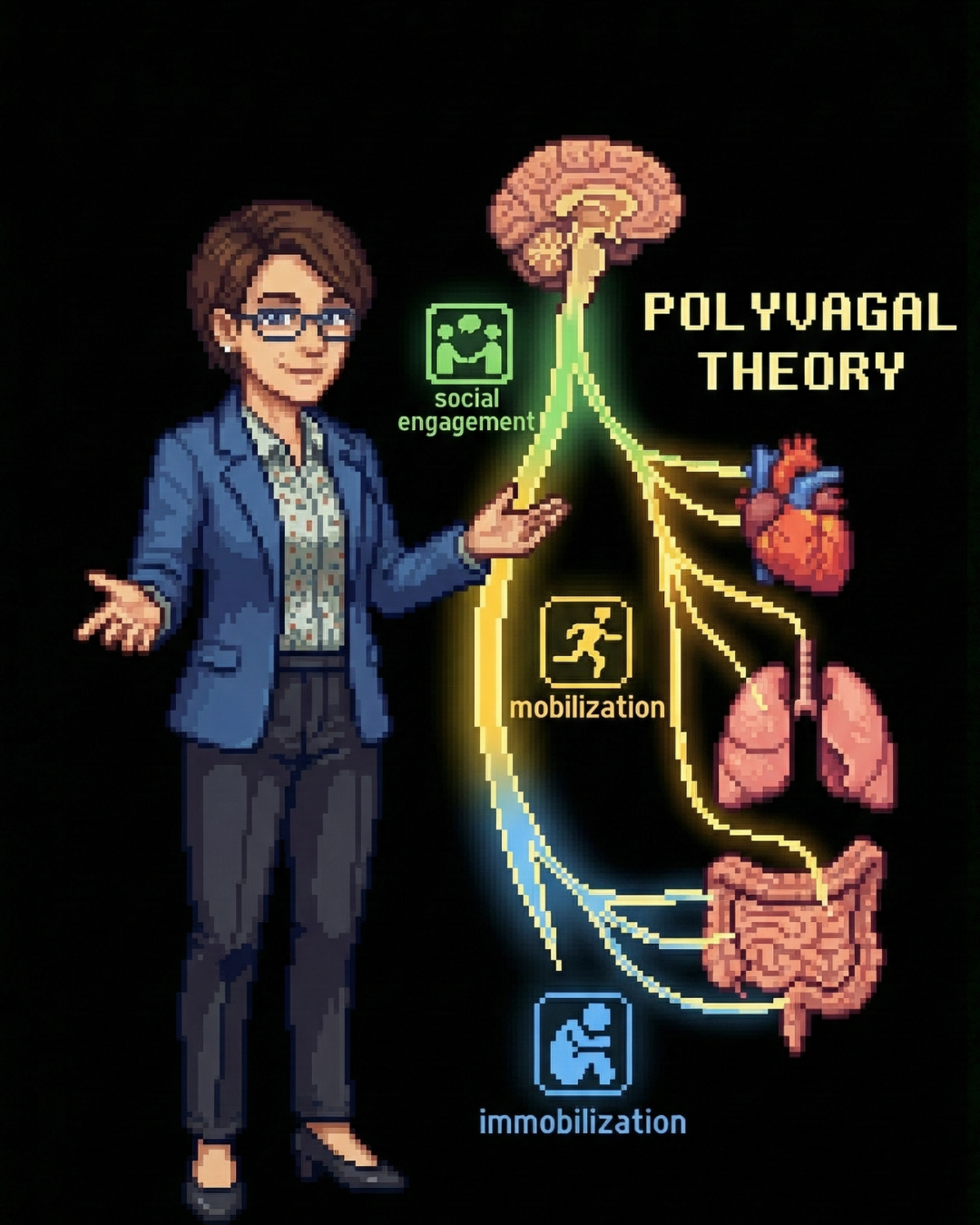
The gut-brain axis is the two-way traffic between the digestive tract and the brain. Gut bacteria influence the brain through the immune system, through the metabolites they produce, and through the vagus nerve, the long cranial nerve that carries signals from the gut to the brainstem. The vagus nerve also carries calming signals the other way, a topic covered in our article on the vagus nerve and anxiety.
Small studies have found differences in the gut bacteria of people with OCD compared with controls, and animal work suggests the effect can run from gut to behaviour.
Probiotics
Probiotics are live microorganisms that benefit health when taken in adequate amounts. Products labelled “lacto-bifidus” combine the two most common groups, Lactobacillus and Bifidobacterium. The most direct OCD evidence is an animal study: house mice given Lactobacillus rhamnosus GG for two weeks were protected against a drug-induced pattern of OCD-like behaviour, including repetitive marble burying, and the effect looked comparable to four weeks of fluoxetine.17 Human trials in OCD are still few, though probiotics have been studied more widely for anxiety and low mood. For people with OCD and digestive symptoms, a probiotic and a fibre-rich diet are low-risk steps.
Digestive enzymes
Digestive enzymes such as amylase, which breaks down starch, and the plant enzymes bromelain from pineapple and papain from papaya help break down food. Some integrative practitioners suggest them on the reasoning that better digestion means better absorption of the nutrients the brain relies on. There is no direct research in OCD, so this rests on clinical reasoning rather than trials. Bromelain can increase bleeding risk with blood thinners.
Can adaptogens help with OCD and stress?
Stress reliably makes OCD worse. Exams, moves, illness, a new baby or conflict at home often bring flare-ups. Adaptogens are herbs said to help the body adapt to stress by steadying the hormonal stress response; the category comes from Soviet-era research rather than modern pharmacology, but several of the plants have been tested. Our article on adaptogenic herbs and stress covers them in more depth.
Ashwagandha
Ashwagandha (Withania somnifera) is a root used in Ayurvedic medicine, studied mostly for stress, sleep and cortisol. It is also one of the few adaptogens with an OCD trial. In a six-week double-blind study, 30 patients already taking SSRIs added either 120 mg a day of ashwagandha root extract or a dummy capsule. Y-BOCS scores fell by a median of 8 points on ashwagandha against about 2 points in the comparison group, a significant difference.18 Ashwagandha can affect thyroid hormone levels and is generally avoided in pregnancy, and rare cases of liver injury have been reported.
Rhodiola rosea
Rhodiola rosea, or golden root, grows in cold mountain regions and has a long folk history in Scandinavia and Russia. It is used for fatigue and for keeping mental performance steady under stress. It has not been studied in OCD. Its appeal is for people whose OCD worsens when they are depleted and overstretched, and that remains an inference from its stress uses rather than a tested effect. It can be stimulating, so it is usually taken in the morning.
Do anti-inflammatory and antioxidant supplements help?
Oxidative stress is the cellular damage that builds up when reactive oxygen molecules outpace the body’s antioxidant defences. The lower levels of vitamins C and E found in people with OCD fit with the idea that oxidative stress and inflammation play a part in the disorder.4 That reasoning is behind the use of NAC and curcumin above, and of the two supplements below.
Omega-3 fatty acids
The omega-3 fats EPA and DHA, found in oily fish and fish oil, are built into brain cell membranes and have anti-inflammatory effects. They have reasonable support in depression. In OCD the one controlled trial was disappointing: 11 patients who had stopped improving on an SSRI took 2 grams a day of EPA for six weeks and a dummy oil for six weeks, in random order. Symptoms improved over time in both phases, and the authors concluded that EPA added nothing against OCD.19 Omega-3s may still help with the depression that often accompanies OCD, but they should not be expected to shift the obsessions themselves.
Alpha-lipoic acid
Alpha-lipoic acid is an antioxidant made in small amounts by the body and used in the energy-producing machinery of mitochondria. It works in both watery and fatty parts of the cell, can cross into the brain, and helps regenerate vitamins C and E and glutathione. It is used medically for diabetic nerve pain. Controlled OCD trials are lacking, so its place here rests on its antioxidant role. It can lower blood sugar, which matters for anyone taking diabetes medication.
What testing do integrative practitioners use?
Some practitioners recommend laboratory testing before choosing supplements, so that treatment is matched to the person instead of guessed at. These tests vary a great deal in how well established they are.
Micronutrient testing
Panels such as the SpectraCell Micronutrient Test measure a wide range of vitamins, minerals and antioxidants. Many of the same deficiencies can be picked up by standard tests a primary care doctor can order: vitamin D, B12, folate, homocysteine, ferritin, zinc and magnesium. Correcting a confirmed deficiency is the most defensible use of supplements in OCD, and it is the logic behind the broad-spectrum approach described on our micronutrition page.
Gut health assessment
Stool tests such as the GI-MAP (Gastrointestinal Microbial Assay Plus) use DNA methods to look for pathogens, parasites and imbalances among gut bacteria. Given the gut-brain research, some practitioners use them for people whose OCD comes with significant digestive symptoms. They are not diagnostic tests for OCD, and conventional medicine does not use them routinely.
Neurotransmitter testing
Some practitioners order urine tests for serotonin, dopamine, GABA, glutamate and related chemicals. These tests are controversial in mainstream medicine, mainly because most of what appears in urine is made by the kidneys and the gut rather than the brain, so the numbers say little about what is happening in the brain itself. Practitioners who use them treat the results as rough clues alongside symptoms, not as a measure of brain chemistry.
How do natural approaches fit with therapy and medication?
Supplements and herbs work best as one part of a wider plan. The pieces usually look like this:
- Standard treatment. Reviews of the research identify SSRIs, and therapy with or without them, as the usual initial strategy, with further medical options for treatment-resistant cases.1 Exposure and response prevention, the most widely used behavioural method for OCD, has a person face what triggers the obsession while refraining from the ritual, so the brain learns the anxiety will fall on its own.
- Lifestyle. Regular exercise, enough sleep and steady meals all lower the baseline arousal that makes obsessions stickier. In a pilot study, 15 people still symptomatic despite treatment added 12 weeks of moderate aerobic exercise; their OCD symptoms fell substantially, and the gains held at six months.20
- Targeted supplementation. Correct confirmed deficiencies first. Add one compound at a time, such as NAC or inositol, with the prescriber’s knowledge, so its effect can be judged.
- Mind-body practice. Mindfulness meditation and kundalini yoga showed early positive results in the 2012 review.2 Mindfulness teaches a person to notice an obsession as a passing event rather than a command, which is the opposite of a compulsion. Our page on mindfulness and meditation therapy covers how to begin, and for people with a trauma history, why meditation can sometimes make trauma worse is worth reading first.
What does therapy for OCD look like at Taproot?
We see OCD in the therapy room as more than a set of faulty thoughts. Obsessions tend to grab hold of whatever a person cares about most, their children, their faith, their body, their sense of being a good person, and compulsions are an attempt to secure safety in a world that feels dangerous. Many of the people we see with OCD also carry trauma, chronic stress or a nervous system that rarely settles. When the body is stuck in a state of threat, the “not done yet” alarm fires more often and louder.
At Taproot we work with that alarm directly. Somatic therapy helps a person track the physical rise of anxiety, the tight chest or the urge to move, and stay with it long enough for it to pass without a ritual. Brainspotting uses a fixed point in the visual field to reach the deeper brain structures where fear and memory are held, and it is useful when an obsession is tied to an old experience of shame, contamination or loss. Depth-oriented work asks what the obsession means in a person’s life and what it may be guarding. These approaches sit comfortably alongside medication, nutritional support and exposure work, and our OCD treatment in Birmingham page describes how we approach it. The full list of modalities of therapy and the issues we treat are on the site.
What precautions matter with supplements for OCD?
- Quality and regulation. In the United States supplements are not reviewed for safety or effectiveness before they are sold, the way prescription drugs are. Choose products from companies that use third-party testing for purity and dose, such as USP or NSF certification.
- Interactions. Many supplements interact with medications or with each other. St. John’s wort, 5-HTP and tryptophan add to serotonergic drugs; St. John’s wort lowers levels of many other drugs; curcumin and bromelain add to blood thinners; valerian adds to sedatives; alpha-lipoic acid lowers blood sugar. Always talk with your prescriber or pharmacist before starting a supplement, especially if you take medication.
- Individual variation. What works for one person may not work for another. An individual plan, guided where useful by testing, makes more sense than a long list of products taken at once.
- Realistic expectations. Supplements are unlikely to resolve OCD on their own. They are best seen as additions to therapy and, where needed, medication, not replacements.
- The state of the research. Most of the trials above enrolled fewer than 50 people and lasted two months or less. Decisions should weigh the available evidence, the risks and the person’s own situation.
Pregnancy, breastfeeding, liver or kidney disease and upcoming surgery all call for extra care, and children’s doses are not the same as adults’. Statements about supplements have not been evaluated by the Food and Drug Administration, and supplements are not intended to diagnose, treat, cure or prevent any disease. None of this is a substitute for medical advice from someone who knows your history.
Where do broad-spectrum micronutrients fit?
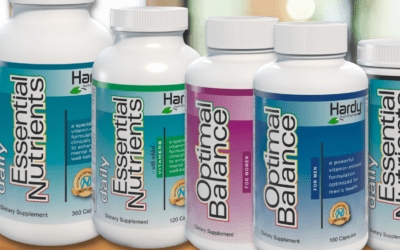
Instead of single nutrients, some people take a broad-spectrum formula that supplies a full range of vitamins and minerals at higher doses. Our clinicians have found Hardy Nutritionals’ Daily Essential Nutrients, available as capsules or powder, a useful option, and we explain our reasons in why we recommend Hardy Nutritionals. The offer code “Taproot” gives 15 percent off at GetHardy.com. Taproot receives a small commission on sales made with that code, and that arrangement does not affect the treatment or recommendations our therapists make. Micronutrients are a tool, not a replacement for professional mental health care, so check with your prescriber before starting.
Natural approaches to OCD work along several routes at once: correcting deficiencies, calming glutamate, supporting serotonin, lowering inflammation and building resilience to stress. Used carefully, and alongside therapy that helps the nervous system stop sounding the alarm, they can widen the options for people who have not found enough relief elsewhere. If you would like help putting those pieces together, you can contact Taproot Therapy Collective.
Frequently asked questions
Does NAC work for OCD?
N-acetylcysteine (NAC) has the most research of any supplement for OCD. A 2012 trial in 48 patients whose OCD had not responded to medication found that up to 2,400 mg a day added for 12 weeks produced full response in 52.6 percent, against 15 percent on a dummy pill. Later trials were less consistent, and a 2024 meta-analysis found a borderline overall benefit. It is usually taken alongside, not instead of, medication.
How much inositol is used for OCD?
The 1996 trial that found inositol reduced OCD symptoms used 18 grams a day, given for six weeks, in 13 patients. That is a large dose, usually split through the day and dissolved in water, and it can cause bloating or loose stools. Results for inositol added to SSRIs have been mixed. Anyone considering it should discuss the dose with their prescriber.
Can I take 5-HTP or St. John’s wort with an SSRI for OCD?
Not without your prescriber’s agreement. 5-HTP, tryptophan and St. John’s wort all increase serotonin activity, and combining them with an SSRI or clomipramine can contribute to serotonin syndrome, which causes agitation, sweating, tremor and fever. St. John’s wort also lowers blood levels of many other drugs, including oral contraceptives and blood thinners, and its OCD trial showed no benefit.
What vitamin deficiencies are linked to OCD?
A 2021 meta-analysis found that people with OCD had significantly lower vitamin B12, vitamin C and vitamin E, and higher homocysteine, than healthy controls. Folate did not differ. Vitamin D was lower in a study of children and adolescents with OCD, though the pooled adult and child data did not reach significance. Standard blood tests can check all of these.
Is there a herbal remedy that compares to medication for OCD?
Milk thistle is the herb tested head to head against an antidepressant. In an eight-week Iranian trial with 35 adults, 600 mg a day of milk thistle extract and 30 mg a day of fluoxetine produced similar improvement and similar side effects. One small trial does not prove equivalence, but it makes milk thistle one of the more promising herbs studied for OCD.
Related reading
- Understanding and Managing Oppositional Defiant Disorder:
- Managing POTS: Evidence-Based Approaches to Treatment
- The Neurobiology of Resilience: Understanding Why Some Clients Thrive in Therapy
- Enhancing Neuroplasticity:
- Lifespan Integration Therapy: A Comprehensive Guide to Timeline-Based Healing
- Comprehensive Support Systems for College Students: Addressing Mental Health and Wellness on Campus
References
- Hirschtritt, M. E., Bloch, M. H., & Mathews, C. A. (2017). Obsessive-compulsive disorder: Advances in diagnosis and treatment. JAMA, 317(13), 1358-1367. https://doi.org/10.1001/jama.2017.2200
- Sarris, J., Camfield, D., & Berk, M. (2012). Complementary medicine, self-help, and lifestyle interventions for obsessive compulsive disorder (OCD) and the OCD spectrum: A systematic review. Journal of Affective Disorders, 138(3), 213-221. https://doi.org/10.1016/j.jad.2011.04.051
- Esnafoğlu, E., & Yaman, E. (2017). Vitamin B12, folic acid, homocysteine and vitamin D levels in children and adolescents with obsessive compulsive disorder. Psychiatry Research, 254, 232-237. https://doi.org/10.1016/j.psychres.2017.04.032
- Balandeh, E., Karimian, M., Behjati, M., & Mohammadi, A. H. (2021). Serum vitamins and homocysteine levels in obsessive-compulsive disorder: A systematic review and meta-analysis. Neuropsychobiology, 80(6), 502-515. https://doi.org/10.1159/000514075
- Sayyah, M., Olapour, A., Saeedabad, Y., Yazdan Parast, R., & Malayeri, A. (2012). Evaluation of oral zinc sulfate effect on obsessive-compulsive disorder: A randomized placebo-controlled clinical trial. Nutrition, 28(9), 892-895. https://doi.org/10.1016/j.nut.2011.11.027
- Lafleur, D. L., Pittenger, C., Kelmendi, B., Gardner, T., Wasylink, S., Malison, R. T., Sanacora, G., Krystal, J. H., & Coric, V. (2006). N-acetylcysteine augmentation in serotonin reuptake inhibitor refractory obsessive-compulsive disorder. Psychopharmacology, 184(2), 254-256. https://doi.org/10.1007/s00213-005-0246-6
- Afshar, H., Roohafza, H., Mohammad-Beigi, H., Haghighi, M., Jahangard, L., Shokouh, P., Sadeghi, M., & Hafezian, H. (2012). N-acetylcysteine add-on treatment in refractory obsessive-compulsive disorder: A randomized, double-blind, placebo-controlled trial. Journal of Clinical Psychopharmacology, 32(6), 797-803. https://doi.org/10.1097/jcp.0b013e318272677d
- Eghdami, S., Eissazade, N., Heidari Mokarar, M., Boroon, M., Orsolini, L., & Shalbafan, M. (2024). The safety and efficacy of N-acetylcysteine as an augmentation in the treatment of obsessive-compulsive disorder in adults: A systematic review and meta-analysis of randomized clinical trials. Frontiers in Psychiatry, 15, 1421150. https://doi.org/10.3389/fpsyt.2024.1421150
- Fux, M., Levine, J., Aviv, A., & Belmaker, R. H. (1996). Inositol treatment of obsessive-compulsive disorder. American Journal of Psychiatry, 153(9), 1219-1221. https://doi.org/10.1176/ajp.153.9.1219
- Greenberg, W. M., Benedict, M. M., Doerfer, J., Perrin, M., Panek, L., Cleveland, W. L., & Javitt, D. C. (2009). Adjunctive glycine in the treatment of obsessive-compulsive disorder in adults. Journal of Psychiatric Research, 43(6), 664-670. https://doi.org/10.1016/j.jpsychires.2008.10.007
- Boyer, E. W., & Shannon, M. (2005). The serotonin syndrome. New England Journal of Medicine, 352(11), 1112-1120. https://doi.org/10.1056/nejmra041867
- Kobak, K. A., Taylor, L. V., Bystritsky, A., Kohlenberg, C. J., Greist, J. H., Tucker, P., Warner, G., Futterer, R., & Vapnik, T. (2005). St John’s wort versus placebo in obsessive-compulsive disorder: Results from a double-blind study. International Clinical Psychopharmacology, 20(6), 299-304. https://doi.org/10.1097/00004850-200511000-00003
- Sayyah, M., Boostani, H., Pakseresht, S., & Malayeri, A. (2010). Comparison of Silybum marianum (L.) Gaertn. with fluoxetine in the treatment of obsessive-compulsive disorder. Progress in Neuro-Psychopharmacology and Biological Psychiatry, 34(2), 362-365. https://doi.org/10.1016/j.pnpbp.2009.12.016
- Pakseresht, S., Boostani, H., & Sayyah, M. (2011). Extract of valerian root (Valeriana officinalis L.) vs. placebo in treatment of obsessive-compulsive disorder: A randomized double-blind study. Journal of Complementary and Integrative Medicine, 8(1). https://doi.org/10.2202/1553-3840.1465
- Chimakurthy, J., & Murthy, T. E. (2010). Effect of curcumin on quinpirole induced compulsive checking: An approach to determine the predictive and construct validity of the model. North American Journal of Medical Sciences, 2(2), 81-86. https://doi.org/10.4297/najms.2010.281
- Sayyah, M., Boostani, H., Pakseresht, S., & Malaieri, A. (2009). Efficacy of aqueous extract of Echium amoenum in treatment of obsessive-compulsive disorder. Progress in Neuro-Psychopharmacology and Biological Psychiatry, 33(8), 1513-1516. https://doi.org/10.1016/j.pnpbp.2009.08.021
- Kantak, P. A., Bobrow, D. N., & Nyby, J. G. (2014). Obsessive-compulsive-like behaviors in house mice are attenuated by a probiotic (Lactobacillus rhamnosus GG). Behavioural Pharmacology, 25(1), 71-79. https://doi.org/10.1097/fbp.0000000000000013
- Jahanbakhsh, S. P., Manteghi, A. A., Emami, S. A., Mahyari, S., Gholampour, B., Mohammadpour, A. H., & Sahebkar, A. (2016). Evaluation of the efficacy of Withania somnifera (ashwagandha) root extract in patients with obsessive-compulsive disorder: A randomized double-blind placebo-controlled trial. Complementary Therapies in Medicine, 27, 25-29. https://doi.org/10.1016/j.ctim.2016.03.018
- Fux, M., Benjamin, J., & Nemets, B. (2004). A placebo-controlled cross-over trial of adjunctive EPA in OCD. Journal of Psychiatric Research, 38(3), 323-325. https://doi.org/10.1016/s0022-3956(03)00077-3
- Brown, R. A., Abrantes, A. M., Strong, D. R., Mancebo, M. C., Menard, J., Rasmussen, S. A., & Greenberg, B. D. (2007). A pilot study of moderate-intensity aerobic exercise for obsessive compulsive disorder. Journal of Nervous and Mental Disease, 195(6), 514-520. https://doi.org/10.1097/01.nmd.0000253730.31610.6c





0 Comments