
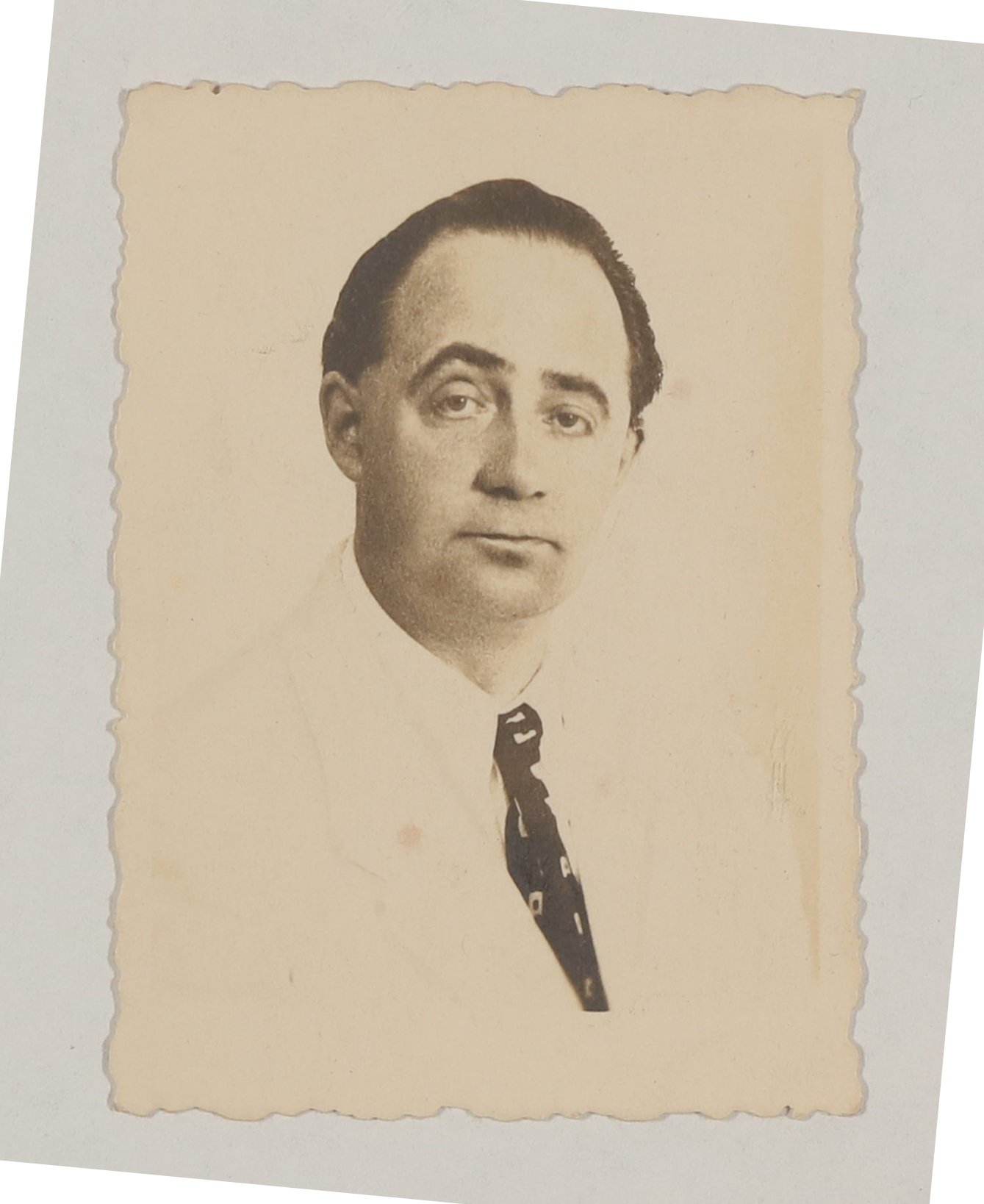
The Man Who Brought the Gods to the West
Before Joseph Campbell taught us to “Follow Your Bliss,” there was Heinrich Zimmer. A German Indologist and linguistic genius, Zimmer was the intellectual father figure who introduced both Campbell and Carl Jung to the vibrant, terrifying, and ecstatic world of Indian mythology.
Zimmer (1890–1943) was not a dry academic. He believed that myths were not dead artifacts but living energies. He argued that the West had become trapped in a sterile rationalism and needed the “shakti” (power) of the East to re-enliven its soul. For the modern depth psychologist, Zimmer’s work is essential because he shows us that the psyche is not a machine to be fixed, but a cosmic dance to be joined.
Biography & Timeline: Heinrich Zimmer (1890–1943)
Born in Greifswald, Germany, Zimmer was the son of a famous Celtic scholar. He studied Sanskrit and linguistics, but his true passion was the visual language of art. He fled Nazi Germany in 1938, eventually landing at Columbia University in New York. There, he met a young Joseph Campbell, who would become his editor and posthumous champion.
Zimmer died suddenly of pneumonia at age 52, leaving behind a treasure trove of lecture notes. It was Campbell who spent the next decade compiling these into the classics we know today, such as Myths and Symbols in Indian Art and Civilization.
Key Milestones in the Life of Heinrich Zimmer
| Year | Event / Publication |
| 1890 | Born in Greifswald, Germany. |
| 1926 | Publishes Artistic Form and Yoga in the Sacred Images of India, linking aesthetics with spiritual practice. |
| 1938 | Dismissed by the Nazis; emigrates to the United States. |
| 1940 | Begins lecturing at Columbia University, influencing a generation of American scholars. |
| 1943 | Dies in New Rochelle, New York. |
| 1946 | Posthumous publication of Myths and Symbols in Indian Art and Civilization (edited by Campbell). |
Major Concepts: The Maya of the Psyche
Zimmer challenged the Western obsession with “facts.” He taught that truth is found in the Image.
Maya and the Cosmic Dream
Zimmer explained the concept of Maya not just as “illusion,” but as the creative power of the universe to manifest forms. Psychologically, this mirrors the Projection mechanism of the psyche. We spin a web of reality around us, and then get trapped in it.
The Goal: Not to destroy the web, but to realize we are the spider. To play the game of life (Lila) knowing it is a game.
The Dialogue with Death
In his book The King and the Corpse, Zimmer explores stories where the hero must carry a corpse on his back. This is a profound metaphor for the Shadow. We cannot leave our past, our failures, or our mortality behind. We must carry them until they speak to us and reveal their secret wisdom.
The Conceptualization of Trauma: The Knot of the Heart
Zimmer’s interpretation of Yoga offers a somatic approach to trauma. He described the “Knots of the Heart” (granthis)—psychic blockages that prevent the flow of energy (prana).
The Goddess as Destroyer and Creator
Zimmer brought the Dark Goddess (Kali) into Western consciousness. He argued that we cannot have the Mother who gives milk without the Mother who cuts heads. Trauma occurs when we repress the dark side of existence. Healing requires integrating the Terrible Mother—accepting that destruction is part of the cycle of life.
Mandala as Medicine
He was one of the first to explain the Mandala as a tool for reintegrating a fragmented psyche. By contemplating the center, the scattered parts of the self (trauma fragments) are drawn back into order. This influenced Jung’s use of mandalas in clinical practice.
Legacy: The Teacher of Teachers
Zimmer is the invisible giant behind the 20th-century mythopoetic movement. Without him, there is no Joseph Campbell, and without Campbell, there is no Star Wars. He taught us that the gods of India are not foreign idols; they are maps of our own inner geography.
For the modern seeker, Zimmer offers a way to view our neuroses not as medical problems, but as spiritual dilemmas. He invites us to look at our lives through the “eye of the myth,” where every struggle is a chapter in an eternal story.
Further Reading & Resources
- Princeton University Press: Myths and Symbols in Indian Art and Civilization.
- Joseph Campbell Foundation: Zimmer’s Philosophies of India.
- Internet Encyclopedia of Philosophy: Indian Philosophy Overview.




















0 Comments