
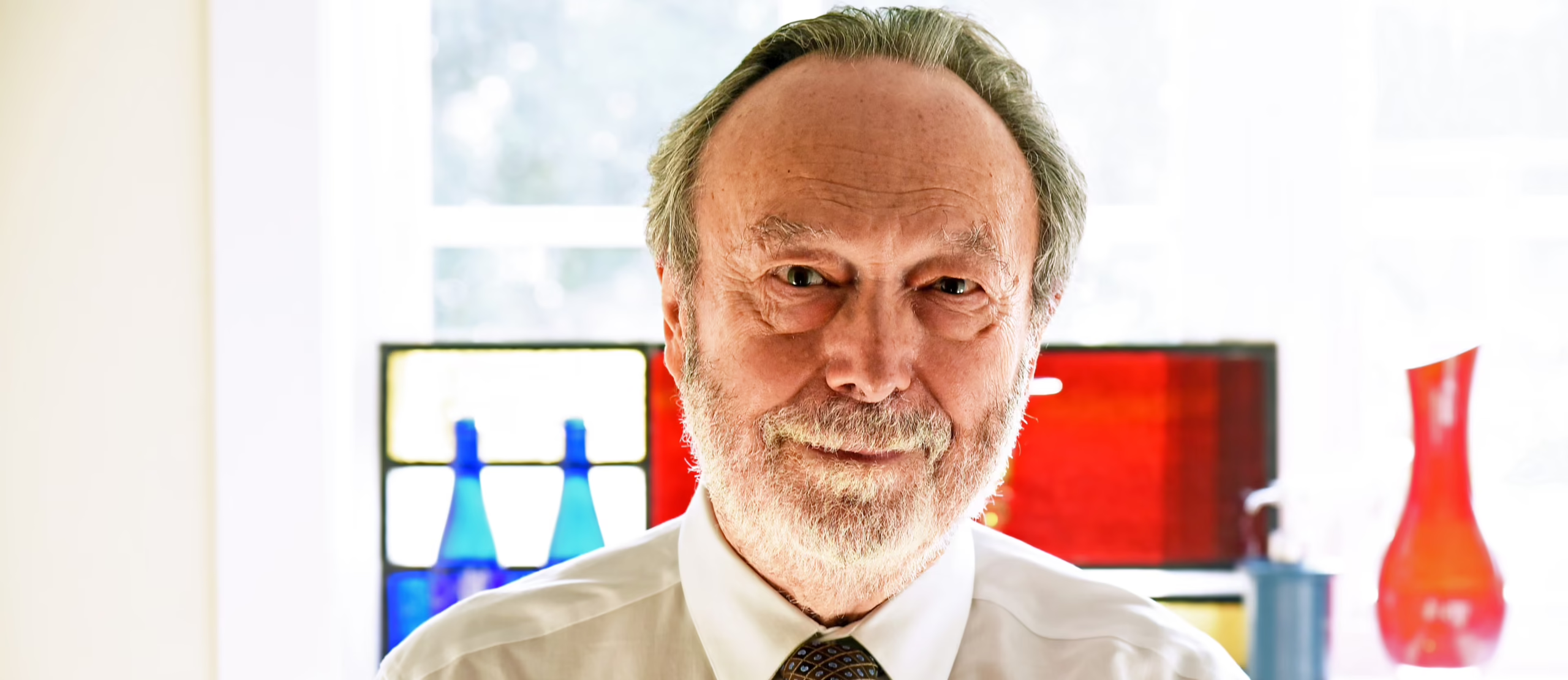
When Stephen Porges began studying heart rate variability in newborn infants in the early 1970s, he noticed something curious. Babies whose heart rates fluctuated rhythmically with their breathing, a phenomenon called respiratory sinus arrhythmia, responded better to stress and developed more robustly than infants whose heart rates remained steady. This subtle observation, pursued across five decades of research, would eventually revolutionize how clinicians understand trauma, attachment, social engagement, and the physiological foundations of feeling safe. His polyvagal theory, proposed in 1994, provides a neurophysiological framework that explains how our nervous system responds to safety and threat, why social connection is a biological imperative, and how trauma disrupts the neural pathways that allow us to engage with others.
The theory has become enormously influential in clinical practice. Trauma therapists, attachment researchers, occupational therapists working with autism, bodyworkers, and psychologists worldwide reference Porges’s ideas about ventral vagal activation, dorsal vagal shutdown, and neuroception, the unconscious detection of safety or danger that shapes our physiological state moment to moment. Yet the theory has also generated substantial scientific controversy. Multiple neuroscientists and evolutionary biologists argue that core premises of polyvagal theory contradict established neuroanatomy and evolutionary biology, that the claimed phylogenetic distinctions between reptilian and mammalian vagal pathways are incorrect, and that the theory’s explanatory framework rests on anatomical foundations that do not withstand scrutiny. This tension between widespread clinical adoption and fundamental scientific criticism makes Porges’s work particularly important to examine carefully, distinguishing what the research actually demonstrates from what the theory claims.
Stephen W. Porges holds doctorates in both medical biophysics and psychology, unusual interdisciplinary training that shaped his research trajectory. His early work focused on psychophysiology, investigating how autonomic nervous system activity relates to psychological processes. In 1972, he published the first study documenting heart rate variability as a baseline individual difference related to autonomic reactivity and reaction time, work that established him as a pioneer in developmental psychophysiology. He became particularly interested in respiratory sinus arrhythmia, the way heart rate speeds up slightly during inhalation and slows during exhalation, recognizing this as a window into vagal function.
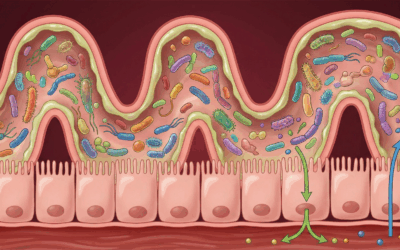
The vagus nerve is the tenth cranial nerve, wandering from the brainstem through the chest and abdomen, innervating heart, lungs, digestive organs, and carrying bidirectional signals between brain and body. It forms the primary parasympathetic pathway, traditionally understood as promoting rest and digestion in contrast to the sympathetic nervous system’s fight or flight activation. Porges’s innovation involved recognizing that the vagus is not a single unified system but comprises two distinct pathways with different evolutionary origins and different functions. The dorsal vagal complex, originating in the dorsal motor nucleus of the vagus, represents a phylogenetically older system that unmyelinated vagal fibers that primarily regulate subdiaphragmatic organs. The ventral vagal complex, originating in the nucleus ambiguus, represents a mammalian innovation involving myelinated vagal fibers that regulate supradiaphragmatic organs including heart and lungs.
This anatomical distinction became the foundation for polyvagal theory. Porges proposed that the ventral vagal system emerged with mammals and became integrated with neural circuits regulating the muscles of the face and head, creating what he called the social engagement system. When the ventral vagus is active, heart rate slows, breathing deepens, facial muscles soften into expressions that signal safety and openness, vocal prosody becomes warm and modulated, and the middle ear muscles adjust to preferentially attend to human voice frequencies rather than lower-frequency threat sounds. This physiological state supports social connection, calm exploration, and the capacity to learn. Porges argued this ventral vagal system serves as a vagal brake, inhibiting sympathetic activation and allowing rapid shifts between mobilization and calm depending on environmental demands.
When the ventral vagus withdraws, sympathetic activation increases, preparing for fight or flight. Heart rate accelerates, breathing becomes rapid and shallow, blood flows to large muscles, digestion shuts down, and the person becomes hypervigilant, scanning for threat. Facial expression shifts to fear or anger, voice becomes harsh or pressured, and the capacity for nuanced social engagement diminishes. If fight or flight is impossible or unsuccessful, the dorsal vagal system can activate, producing immobilization, shutdown, dissociation, fainting, or feigning death. Porges proposed this represents the most primitive defensive strategy, shared with reptiles, a metabolic conservation response that reduces heart rate, blood pressure, and muscle tone when active defense proves futile.
The theory suggests these three systems, ventral vagal social engagement, sympathetic mobilization, and dorsal vagal immobilization, activate in a phylogenetically determined hierarchy. The nervous system first attempts to engage ventral vagal connection and co-regulation. If that fails to provide safety, sympathetic fight or flight activates. If that proves impossible or ineffective, dorsal shutdown ensues. This hierarchical model offers clinicians a framework for understanding why someone who has experienced trauma may cycle between hyperarousal and numbing, why social engagement feels impossible when the nervous system detects threat, and why interventions that increase felt safety can shift physiological state in ways that verbal therapy alone may not achieve.
Porges introduced the concept of neuroception to describe how the nervous system continuously evaluates safety and danger without conscious awareness. Unlike perception, which involves conscious processing, neuroception operates through subcortical circuits that detect environmental cues such as tone of voice, facial expression, proximity, and context, then automatically shift autonomic state. When neuroception detects safety, the ventral vagal system engages, supporting connection and calm. When neuroception detects threat, defensive systems activate. Faulty neuroception, where the nervous system incorrectly identifies safe situations as threatening or fails to detect actual danger, underlies many trauma-related symptoms and attachment difficulties.
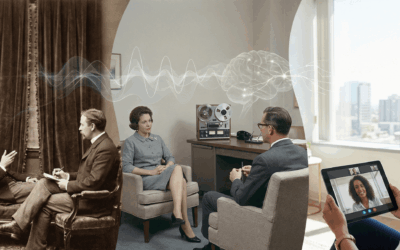
The theory has profound clinical implications. If someone’s nervous system is chronically detecting threat due to past trauma, interventions that provide experiences of safety at a neurophysiological level may help reset faulty neuroception. Porges developed the Safe and Sound Protocol, a music-based intervention that uses specially filtered acoustic stimulation to exercise middle ear muscles and preferentially activate the ventral vagal complex. The protocol presents five hours of modified popular music that emphasizes the frequency range of the human voice, training the auditory system to attend to prosodic cues of safety while reducing reactivity to lower-frequency sounds associated with threat.
Clinical reports describe the Safe and Sound Protocol producing significant reductions in auditory sensitivity, anxiety, and social withdrawal, particularly in children with autism spectrum disorder, though controlled research remains limited. The intervention has been adopted globally, used in over 70 countries by thousands of certified providers working with trauma, anxiety, sensory processing disorders, and autism. Porges holds a patent for the technology embedded in the protocol, and the intervention is commercially distributed through Unyte Health, raising questions about conflicts of interest between scientific inquiry and commercial incentives.
However, substantial scientific criticism challenges polyvagal theory’s foundational premises. In a comprehensive 2023 review, psychophysiologist Paul Grossman stated that there is broad consensus among experts that each basic physiological assumption of the polyvagal theory is untenable, that existing evidence strongly indicates the underlying polyvagal hypotheses have been falsified. Neuroanatomists Neuhuber and Berthoud wrote in 2022 that polyvagal theory’s basic phylogenetic and functional-anatomical tenets do not withstand closer scrutiny.
Specific criticisms include the claim that myelinated vagal fibers from the nucleus ambiguus represent a uniquely mammalian innovation. Evolutionary biologists note that myelinated vagal projections to the heart exist in non-mammalian species including lungfish, contradicting the theory’s phylogenetic framework. The proposed distinction between a ventral vagal system supporting social engagement and a dorsal vagal system mediating shutdown oversimplifies the complex, overlapping functions of different vagal pathways. The idea that fight or flight can be activated without engaging the sympathetic nervous system, mentioned in some polyvagal literature, contradicts established physiology about how stress responses work.
The anatomical claim that there is direct neural communication between brainstem branchiomotor nuclei controlling facial expression and the visceromotor nucleus ambiguus has been disputed by neuroanatomists who find no evidence for such direct linkage. The social engagement system, while clinically useful as a concept, may not reflect actual integrated neural circuits but rather concurrent activation of separate systems. The hierarchical ordering of defensive responses, ventral to sympathetic to dorsal, does not account for the simultaneous activation of multiple systems or the flexible, context-dependent nature of autonomic responses that actual physiology demonstrates.
Porges has responded to criticisms by stating that the theory was not proposed to be either proven or falsified but rather to be informed by research and modified. This position troubles philosophers of science, as falsifiability represents a central criterion distinguishing scientific theories from non-scientific frameworks. A theory that cannot in principle be proven wrong through empirical evidence functions more as interpretive framework than testable scientific model. The question becomes whether polyvagal theory offers a useful clinical heuristic that helps organize observations even if its specific neurobiological claims are incorrect, or whether basing treatment on false premises undermines effectiveness.
Despite these controversies, polyvagal theory has profoundly influenced trauma treatment. Bessel van der Kolk cites polyvagal theory extensively in The Body Keeps the Score, using it to explain how trauma affects the nervous system’s capacity for social engagement. Peter Levine incorporates polyvagal concepts into Somatic Experiencing, describing how working with defensive activation helps clients shift from dorsal shutdown or sympathetic hyperarousal toward ventral vagal states. Pat Ogden’s Sensorimotor Psychotherapy uses polyvagal ideas to understand how tracking somatic experience facilitates nervous system regulation. Deb Dana has developed polyvagal-informed therapy approaches that teach clients to recognize their autonomic state and use interventions targeted to specific positions on what she calls the polyvagal ladder.
For clinicians, the framework provides language for phenomena they observe. When a client dissociates during session, the therapist can understand this as dorsal vagal activation and use grounding techniques to help the system shift back toward ventral engagement. When someone reports chronic hypervigilance, the therapist recognizes sympathetic dominance and works to build experiences of safety that allow ventral vagal activation. When attachment injuries manifest as difficulty trusting relationships, the framework suggests that the nervous system’s neuroception identifies closeness as dangerous, requiring therapeutic experiences that teach the system that connection can be safe.
Porges served as director of the Brain-Body Center at the University of Illinois at Chicago in the Department of Psychiatry, where he developed polyvagal theory in the mid-1990s. He held appointments in psychology, bioengineering, and neuroscience, and served as chair of the Department of Human Development and director of the Institute for Child Study at the University of Maryland. He is currently Distinguished University Scientist at Indiana University, where he founded the Traumatic Stress Research Consortium at the Kinsey Institute. He also holds a professorship in psychiatry at the University of North Carolina at Chapel Hill and maintains emeritus positions at both Illinois and Maryland.
His academic career includes presidency of the Society for Psychophysiological Research and the Federation of Associations in Behavioral and Brain Sciences. He received a National Institute of Mental Health Research Scientist Development Award and has published over 400 peer-reviewed papers across disciplines including anesthesiology, critical care medicine, pediatrics, psychiatry, psychology, neuroscience, obstetrics, and substance abuse. This breadth demonstrates his ability to bridge fields, though critics suggest it may also reflect a tendency to apply frameworks beyond their validated scope.
Porges’s 2011 book The Polyvagal Theory: Neurophysiological Foundations of Emotions, Attachment, Communication, and Self-Regulation compiled decades of research and provided the definitive statement of the theory. Subsequent volumes including The Pocket Guide to Polyvagal Theory, Clinical Applications of the Polyvagal Theory, Polyvagal Safety, and most recently Our Polyvagal World and Polyvagal Perspectives have extended the framework to therapeutic practice, education, wellness, and social policy. His writing style makes complex neurophysiology accessible to clinicians and general readers, contributing to the theory’s widespread adoption even as academic debates about its validity continue.
Porges is married to C. Sue Carter, a world leader in research on neuropeptides oxytocin and vasopressin in social cognition. Their collaborative work explores how hormonal and neural systems interact to support bonding, caregiving, and social behavior. Oxytocin release during positive social interactions may facilitate ventral vagal activation, creating a bidirectional relationship between neurochemical and autonomic mechanisms of connection. This research suggests that interventions supporting one system may enhance the other, that therapeutic relationships themselves provide neurobiological regulation through both vagal and oxytocin pathways.
From a depth psychology perspective, polyvagal theory offers neurophysiological grounding for concepts Jung articulated phenomenologically. Jung’s emphasis on the importance of feeling function, his observation that psychological material manifests somatically, his recognition that relationship provides the container for transformation, all find support in polyvagal frameworks. When Jung described how the therapeutic relationship must provide safety before unconscious material can emerge, he was describing what Porges maps as the ventral vagal state required for exploration and integration. When Jung noted that overwhelming affect produces dissociation and fragmentation, he was observing dorsal vagal shutdown.
The persona, in Jungian terms, involves the social masks we wear to navigate relationships and cultural expectations. Polyvagal theory suggests the social engagement system literally involves the muscles of face and voice that create these masks, that our capacity to modulate facial expression and vocal tone according to social context depends on ventral vagal regulation. When someone’s nervous system is in defensive states, authentic social engagement becomes impossible regardless of cognitive intentions. The persona becomes rigid, expression flattens, voice loses prosodic variation, and others unconsciously perceive the defensive state, creating cycles of disconnection.
Shadow work, the integration of disowned aspects of self, requires substantial nervous system capacity. Material that was dissociated often carries intense affect and somatic activation. Approaching shadow content can trigger defensive responses, sympathetic arousal or dorsal shutdown, that make integration impossible. Polyvagal-informed shadow work involves building the ventral vagal capacity to stay present with difficult material, using co-regulation with the therapist to maintain enough safety that the system does not collapse into defense. This is not merely psychological but neurophysiological, the actual strengthening of vagal pathways that support grounded awareness.
Active imagination, Jung’s technique for engaging unconscious material, works most effectively when someone can maintain dual awareness, simultaneously experiencing images and affects while retaining observing consciousness. This requires what polyvagal theory would describe as ventral vagal activation, the physiological state that allows both engagement and reflection. When someone shifts into sympathetic hyperarousal or dorsal shutdown during active imagination, the process becomes either overwhelming or dissociated. Learning to track bodily sensations and regulate autonomic state enhances active imagination’s effectiveness, creating the internal safety that allows unconscious material to emerge without overwhelming the ego.
Transference and countertransference, the activation of past relational patterns in the therapeutic dyad, involve autonomic responses as much as psychological content. When a client experiences the therapist as threatening despite the therapist’s benign intentions, neuroception is detecting cues the client’s history has associated with danger. When a therapist feels defensive or activated in response to a client, their own autonomic state is shifting. Polyvagal-informed therapists attend to these somatic signals, using their own bodily awareness to track when they are in ventral, sympathetic, or dorsal states, and using that information to guide interventions that support co-regulation.
For individuals working on their own healing, polyvagal theory offers accessible frameworks for understanding their experience. Someone who notices they shut down emotionally during conflict can recognize this as dorsal vagal activation, a protective response that made sense given their history but may no longer serve. Someone who lives in chronic anxiety can understand their sympathetic dominance as the nervous system’s attempt to stay safe through hypervigilance. Recognizing these patterns creates possibility for gentle intervention.
Practices that engage the ventral vagus include slow breathing with extended exhalation, which stimulates the vagal brake on the heart. Humming, singing, chanting, and gargling activate vagal pathways through the larynx and pharynx. Cold water on the face triggers the diving reflex, increasing vagal tone. Gentle movement like walking, dancing, or yoga when done with attention to breath and sensation can shift autonomic state. Most powerfully, safe connection with others, whether in therapy, friendship, or community, provides co-regulation that helps nervous systems return to ventral states.
The concept of co-regulation represents one of polyvagal theory’s most important clinical contributions. Mammals regulate each other’s nervous systems through proximity, gaze, vocal tone, and synchronized breathing. Infants depend entirely on caregiver co-regulation, but adults continue to use social connection to modulate autonomic state throughout life. When someone feels safe with another person, their presence alone can shift defensive activation toward calm. This happens automatically, below conscious awareness, through the neural circuitry Porges describes.
For trauma survivors whose early attachments were sources of threat rather than safety, co-regulation becomes complicated. Closeness may trigger defensive responses because the nervous system learned that intimacy predicts danger. Healing requires relationships that are safe enough, consistent enough, attuned enough to teach the system that connection need not activate defense. This cannot be achieved through cognitive insight alone but requires repeated somatic experiences of regulation in relationship.
The Safe and Sound Protocol attempts to provide some benefits of co-regulation through acoustic stimulation, exercising the neural circuits involved in social engagement without requiring actual relationship. However, critics note that filtered music cannot replace the complex interactional regulation that occurs in authentic relationships, that the protocol may help some individuals while potentially triggering others, and that claims about its efficacy rest more on clinical reports than rigorous controlled research. Neurodivergent reviewers have raised concerns about the protocol’s underlying assumption that autism represents a deficit in social engagement that should be corrected, noting that many autistic individuals report feeling more sensitive and more themselves after the intervention rather than more neurotypical.
Porges has expanded polyvagal applications to education, business, healthcare, and social policy. He argues that understanding the neurobiology of safety can transform how institutions function, that creating environments where people’s nervous systems detect safety rather than threat enhances learning, productivity, health, and social cohesion. This moves beyond individual therapy toward systemic interventions, though skeptics question whether the specific neurobiological claims about vagal pathways are necessary for the general insight that safety matters for human functioning.
The Polyvagal Institute, a nonprofit organization, provides training and information on applying polyvagal theory to psychotherapy, education, wellness, and healthcare. Thousands of practitioners worldwide have completed training, adopting the framework into their clinical work. This widespread dissemination creates both opportunities and risks. When a theory with contested scientific foundations becomes embedded in practice, it may guide effective interventions while also limiting practitioners’ ability to recognize where the framework does not apply or where alternative explanations better account for observations.
The fundamental question remains whether polyvagal theory succeeds as science, as clinical heuristic, or as both. As science, the theory makes testable claims about neural anatomy, evolutionary origins, and physiological mechanisms. Those claims have been substantially challenged by experts in neuroanatomy and evolutionary biology who argue the evidence does not support the theory’s core premises. As clinical heuristic, the theory provides a framework that many practitioners find useful for organizing observations, guiding interventions, and communicating with clients. The question is whether effectiveness as a clinical tool requires accuracy as a neurobiological model.
Jung faced similar critiques. His theories about archetypes, the collective unconscious, and psychological types made claims about human nature that empirical psychology has struggled to validate. Yet many clinicians find Jungian frameworks clinically generative even when the ontological status of archetypes remains unclear. The test becomes pragmatic rather than strictly empirical, does using this framework help people heal, grow, and live more fully. By this standard, polyvagal theory has demonstrated value, though practitioners should remain aware that the neurobiology they invoke may be more metaphorical than literal.
What polyvagal theory has accomplished definitively is bringing autonomic nervous system function into trauma therapy conversation. Before Porges, most psychotherapy focused almost exclusively on thoughts, feelings, and behaviors, treating the body as incidental to psychological healing. Polyvagal theory has helped clinicians recognize that physiological state shapes what is possible psychologically, that interventions targeting nervous system regulation can create conditions for therapeutic work that verbal processing alone cannot achieve. Whether the specific three-circuit hierarchy Porges proposes accurately maps neural reality matters less than the broader recognition that trauma lives in the body and healing requires embodied intervention.
For depth psychology practitioners, polyvagal theory offers one framework among many for understanding how unconscious processes manifest somatically. It complements rather than replaces other models including attachment theory, Somatic Experiencing, Sensorimotor Psychotherapy, and the full range of body-oriented approaches that contemporary trauma therapy employs. The key is holding theories lightly, using them as tools for understanding while remaining open to what each client’s unique nervous system and psyche reveal.
Porges continues publishing, teaching, and refining polyvagal theory. His most recent work explores how the theory can inform responses to collective trauma, social injustice, and the challenges of living in an increasingly disconnected world. He argues that humans are fundamentally social creatures whose health depends on feeling safe enough to connect, that many contemporary problems reflect chronic defensive activation resulting from environments that trigger threat detection. Whether resolving these challenges requires the specific neurobiological interventions polyvagal theory suggests or simply better social conditions that allow ventral vagal states to emerge naturally remains an open question.
What is clear is that Porges has influenced how millions of people understand their bodies, their relationships, and their healing journeys. His work has given clinicians new ways to think about regulation, safety, and connection. It has encouraged attention to subtle physiological signals and the ways nervous systems communicate below conscious awareness. And it has helped validate what trauma survivors have always known, that their symptoms are not character flaws or mental illness but intelligent adaptations of nervous systems doing their best to protect in circumstances that feel fundamentally unsafe.
Timeline of Stephen Porges’s Career and Major Publications
1972: Published first study on heart rate variability as baseline individual difference in Journal of Experimental Psychology
1980s: Developed respiratory sinus arrhythmia as index of vagal function in psychophysiology
1985: Introduced quantification of RSA for developmental research with newborns and children
1994: Proposed polyvagal theory while director of Brain-Body Center at University of Illinois at Chicago
1995: Published foundational paper “Orienting in a defensive world: Mammalian modifications of our evolutionary heritage” in Psychophysiology
2001: Published “The polyvagal theory: phylogenetic substrates of a social nervous system” in International Journal of Psychophysiology
2003: Introduced concept of neuroception in Annals of the New York Academy of Sciences
2007: Published major paper on polyvagal theory and adaptive reactions of the autonomic nervous system
2011: Published The Polyvagal Theory: Neurophysiological Foundations of Emotions, Attachment, Communication, and Self-Regulation
2013: Developed device to monitor middle ear muscle status; received patent
2017: Published The Pocket Guide to Polyvagal Theory: The Transformative Power of Feeling Safe
2018: Published patent for Safe and Sound Protocol technology; Co-edited Clinical Applications of the Polyvagal Theory
2021: Published Polyvagal Safety: Attachment, Communication, Self-Regulation
2023: Co-authored Our Polyvagal World: How Safety and Trauma Change Us with son Seth Porges
2024: Published Polyvagal Perspectives: Interventions, Practices, and Strategies
Current: Distinguished University Scientist at Indiana University; founding director of Traumatic Stress Research Consortium; Professor of Psychiatry at University of North Carolina; Professor Emeritus at University of Illinois at Chicago and University of Maryland
Complete Bibliography of Major Works by Stephen Porges
Porges, S.W. (1972). Heart rate variability and deceleration as indexes of reaction time. Journal of Experimental Psychology, 92(1), 103-110.
Porges, S.W. (1995). Orienting in a defensive world: Mammalian modifications of our evolutionary heritage. Psychophysiology, 32(4), 301-318.
Porges, S.W. (2001). The polyvagal theory: Phylogenetic substrates of a social nervous system. International Journal of Psychophysiology, 42(2), 123-146.
Porges, S.W. (2003). Social engagement and attachment: A phylogenetic perspective. Annals of the New York Academy of Sciences, 1008, 31-47.
Porges, S.W. (2007). The polyvagal perspective. Biological Psychology, 74(2), 116-143.
Porges, S.W. (2011). The Polyvagal Theory: Neurophysiological Foundations of Emotions, Attachment, Communication, and Self-Regulation. New York: W.W. Norton.
Porges, S.W. (2017). The Pocket Guide to Polyvagal Theory: The Transformative Power of Feeling Safe. New York: W.W. Norton.
Porges, S.W., & Dana, D., eds. (2018). Clinical Applications of the Polyvagal Theory: The Emergence of Polyvagal-Informed Therapies. New York: W.W. Norton.
Porges, S.W. (2021). Polyvagal Safety: Attachment, Communication, Self-Regulation. New York: W.W. Norton.
Porges, S.W., & Porges, S. (2023). Our Polyvagal World: How Safety and Trauma Change Us. New York: W.W. Norton.
Porges, S.W. (2024). Polyvagal Perspectives: Interventions, Practices, and Strategies. New York: W.W. Norton.
Payne, P., Levine, P.A., & Crane-Godreau, M.A. (2015). Somatic experiencing: using interoception and proprioception as core elements of trauma therapy. Frontiers in Psychology, 6, 93.
Influences and Legacy
Porges’s work builds on psychophysiological research traditions studying autonomic nervous system function. His early investigations of heart rate variability extended methods developed by cardiovascular physiologists to psychological questions about attention, emotion, and development. The respiratory sinus arrhythmia measure he championed provides a noninvasive window into parasympathetic function, allowing researchers to track vagal activity through simple heart rate monitoring.
Evolutionary biology informed his phylogenetic framework, though evolutionary biologists have questioned whether the specific distinctions he draws between reptilian and mammalian vagal systems are supported. Attachment theory, particularly John Bowlby’s emphasis on proximity-seeking and safe haven functions, provided conceptual grounding for understanding social engagement as a biological imperative. Allan Schore’s research on affect regulation and right-brain development complements polyvagal emphases on nonverbal communication and autonomic attunement.
Porges has profoundly influenced contemporary trauma therapy. Bessel van der Kolk integrates polyvagal concepts throughout The Body Keeps the Score, using the framework to explain how trauma disrupts social engagement and how body-based interventions restore regulation. Peter Levine collaborated with Porges for decades, their shared interest in bottom-up processing creating synergy between polyvagal theory and Somatic Experiencing. Pat Ogden grounds Sensorimotor Psychotherapy in polyvagal understanding of how autonomic state shapes therapeutic process.
Deb Dana has become a primary interpreter of polyvagal theory for clinicians, developing accessible frameworks like the polyvagal ladder that help therapists apply the concepts practically. Her books on polyvagal-informed therapy have introduced thousands of practitioners to the approach. Diane Poole Heller integrates polyvagal theory with attachment repair in her DARe model. Janina Fisher uses polyvagal frameworks to understand structural dissociation and parts work in complex trauma.
The Safe and Sound Protocol has been adopted by occupational therapists, speech-language pathologists, educators, and mental health clinicians working with autism, sensory processing disorders, anxiety, and trauma. Research on the protocol’s efficacy continues, with studies examining outcomes for various populations, though larger controlled trials are needed to establish effectiveness definitively.
For depth psychology, Porges provides neurophysiological grounding for Jung’s observations about relationship, safety, and somatic wisdom. His work validates that psychological healing requires physiological safety, that the therapeutic relationship functions partly through autonomic co-regulation, and that unconscious material manifests through bodily states. Whether polyvagal theory’s specific three-circuit model accurately maps neural reality, it has undeniably helped bring the body into psychological conversation and shown that trauma treatment must address nervous system regulation alongside cognitive and emotional processing.

















0 Comments