
What Type and Length of Addiction Treatment is Best?

Addiction is a complex and chronic condition that requires professional treatment and ongoing support to achieve and maintain recovery. With the variety of treatment options available, it can be challenging to navigate the landscape of addiction care. This article provides an overview of the most common addiction treatment approaches, empowering individuals and families to make informed decisions about their path to recovery.
Levels of Addiction Treatment
Detoxification:
Medically supervised detox programs help individuals safely withdraw from substances and manage uncomfortable or dangerous withdrawal symptoms.
Inpatient or Residential Treatment:
Intensive, structured programs where individuals live at the treatment facility and receive around-the-clock care and support.
Outpatient Treatment: Less intensive than inpatient care, outpatient programs allow individuals to live at home while attending regular therapy sessions and support groups.
Partial Hospitalization Programs (PHP):
Intensive daytime treatment that provides a structured environment for individuals who require more support than outpatient care but do not need 24-hour supervision.
Intensive Outpatient Programs (IOP):
More frequent and intensive than standard outpatient care, IOP programs typically involve several hours of therapy and support services per week.
Evidence-Based Treatment Approaches
Cognitive-Behavioral Therapy (CBT):
A goal-oriented therapy that helps individuals identify and change negative thought patterns and behaviors that contribute to addiction.
Motivational Interviewing (MI):
A client-centered approach that helps individuals explore and resolve ambivalence about change and strengthen their intrinsic motivation for recovery.
Contingency Management (CM):
A behavioral therapy that uses incentives and rewards to reinforce positive behaviors and abstinence from substance use.
Medication-Assisted Treatment (MAT):
The use of FDA-approved medications, such as buprenorphine, methadone, or naltrexone, in combination with therapy to treat opioid or alcohol addiction.
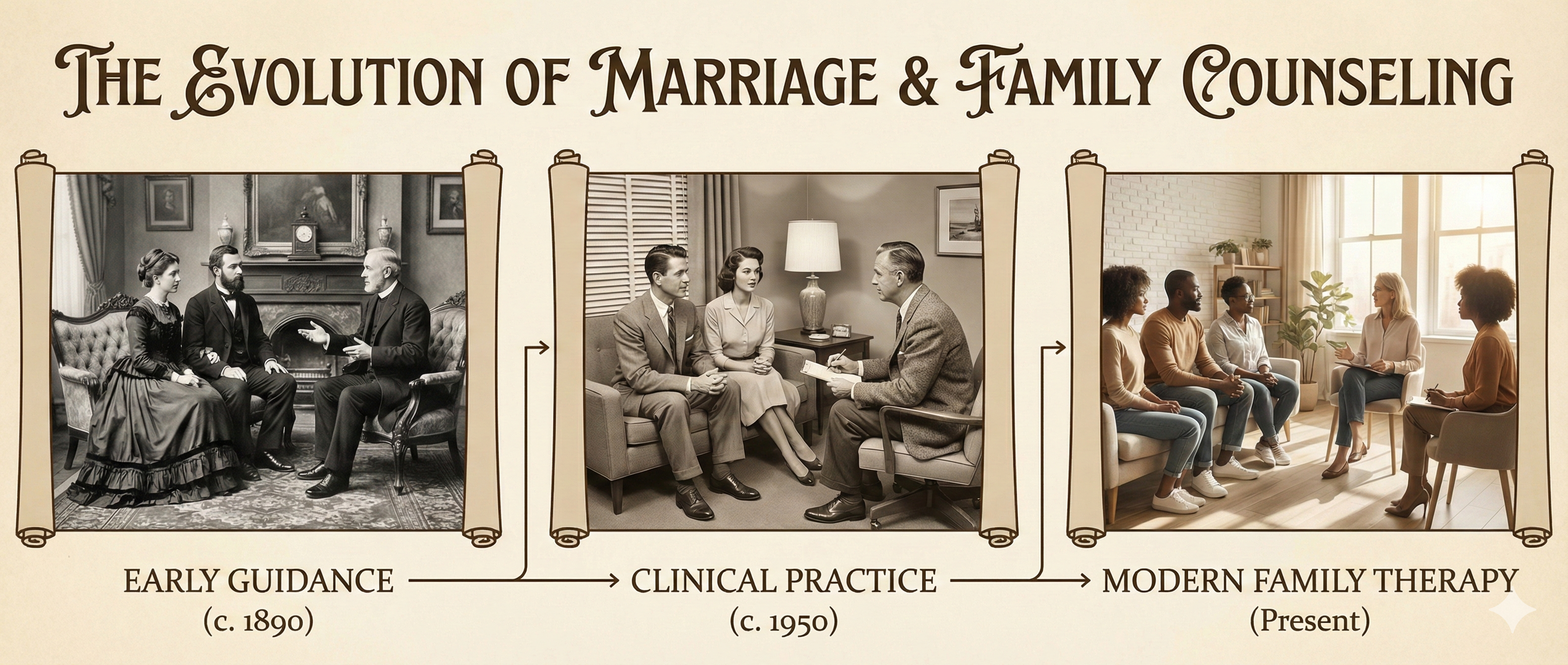
Family Therapy: An approach that involves family members in the treatment process, addressing dysfunctional dynamics and improving communication and support.
Support Services and Aftercare
Support Groups:
Peer-led groups such as Alcoholics Anonymous (AA) or Narcotics Anonymous (NA) provide a supportive community and a framework for maintaining sobriety.
Sober Living Homes:
Transitional living environments that offer structure and support for individuals in early recovery.
Relapse Prevention Planning:
Developing a comprehensive plan to identify triggers, manage cravings, and cope with high-risk situations to prevent relapse.
Continuing Care:
Ongoing therapy, support groups, and other services to help individuals maintain their recovery and address any emerging challenges.
It’s important to recognize that addiction treatment is not a one-size-fits-all approach. The most effective treatment plans are tailored to an individual’s unique needs, taking into account factors such as the severity of the addiction, co-occurring mental health disorders, and personal preferences and circumstances.
Critics of traditional addiction treatment models argue that they may not adequately address the underlying social, economic, or environmental factors that contribute to substance abuse. Some advocates for harm reduction strategies emphasize the importance of pragmatic approaches that prioritize the safety and well-being of individuals who use substances, even if they are not ready or able to pursue abstinence.
Ultimately, the path to recovery is a deeply personal journey that requires courage, commitment, and support. By understanding the range of available treatment options and working closely with qualified professionals, individuals struggling with addiction can find the approach that best supports their long-term health and well-being.
Types of Therapy















0 Comments