
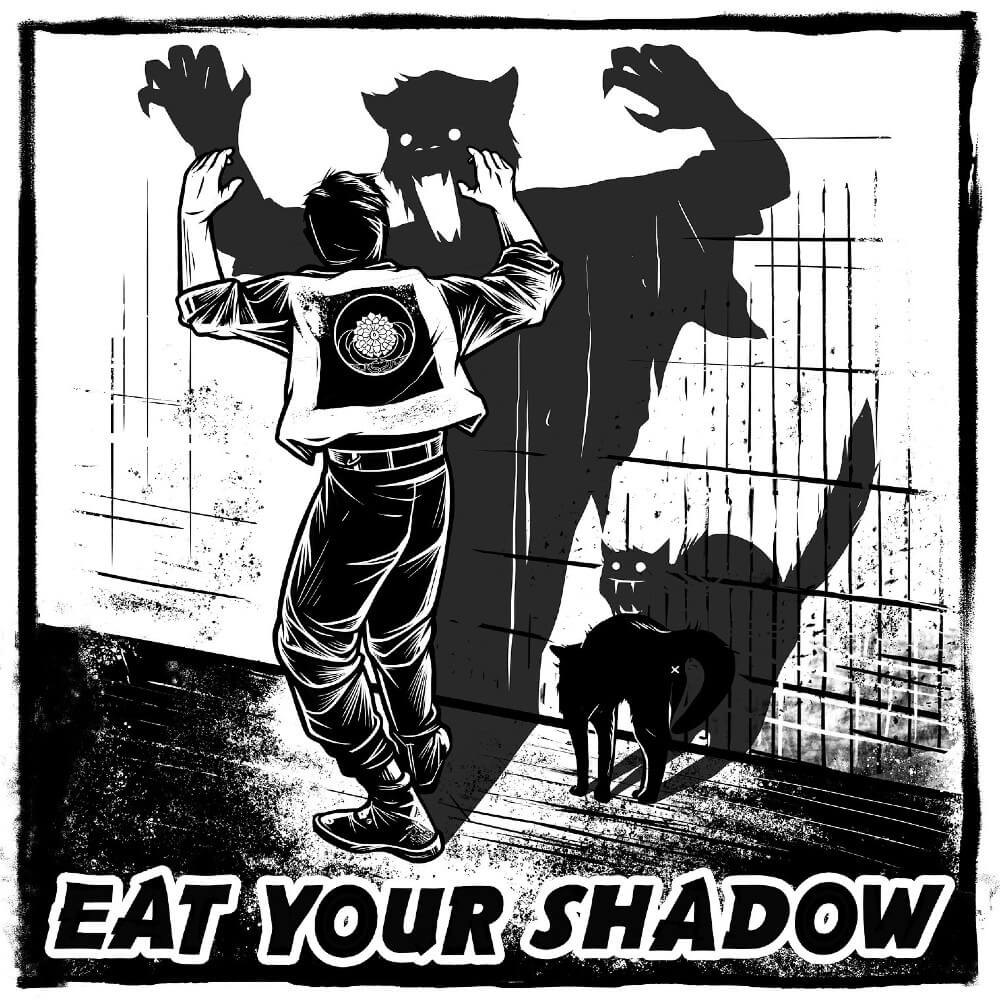
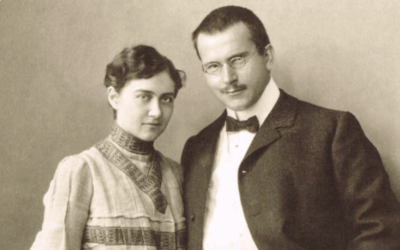
“Shadow Work” has exploded on TikTok and Instagram, becoming a buzzword for everything from journaling prompts to intense trauma processing. But before it was a hashtag, the Shadow was the central pillar of Carl Jung’s psychology. Jung defined the Shadow as the “unknown dark side of the personality”—the parts of ourselves we deny, repress, or hide because they don’t fit our self-image. It contains our rage, our greed, and our jealousy, but often our creativity and power as well. While the internet treats Shadow Work as a self-help hack, the reality is more complex. It is powerful, necessary work, but it carries risks. The question isn’t just “how” to do it, but whether it is safe to do alone.
The short answer is: Yes, but with guardrails.
In our clinic, we often see clients who have tried to dive into the deep end of their psyche without learning to swim first. They open up old wounds or trauma memories (what Jung called “complexes”) and then find themselves overwhelmed, anxious, or dissociated. This is because the Shadow is not just a “list of bad traits.” It is a living, energetic system. As the Jungian analyst Marion Woodman warned, if you open the door to the unconscious without a strong ego to hold it, you risk being flooded. True Shadow Work is not about destroying the ego; it is about building a relationship between the ego and the unconscious.
When Is It Safe? (The “Green Light” Signs)
You are likely ready to do some solo Shadow Work (journaling, reflection, art) if:
- You have a “Container”: You have a support system, a therapist, or a trusted friend you can talk to if things get heavy.
- You can Self-Regulate: You know how to calm your nervous system when you get triggered (using tools like grounding or breathing).
- You are Curious, not Cruel: You are approaching your flaws with a desire to understand them, not to beat yourself up. Shame is the enemy of Shadow Work.
When Should You Wait? (The “Red Light” Signs)
You should not attempt deep Shadow Work alone if:
- You are in Crisis: If you are currently going through a breakup, job loss, or acute grief, your ego is already stressed. Now is the time for comfort, not excavation.
- You have a history of complex trauma or dissociation: If you often “check out” or lose time, the Shadow may hold memories that are too big to handle without a professional guide.
- You feel “possessed” by emotions: If your anger or sadness feels like it takes over your whole personality, you need a therapist to help you differentiate from it first.
3 Safe Ways to Start Shadow Work Today
1. The “Trigger” Audit (Projection)
Jung famously said, “Everything that irritates us about others can lead us to an understanding of ourselves.” When we deny a trait in ourselves (e.g., selfishness), we project it onto others. We become hyper-sensitive to “selfish people.”
The Practice: Write down the name of someone who really annoys you. List 3 specific adjectives to describe them (e.g., Arrogant, Loud, Needy). Now, ask yourself: “In what area of my life am I—or do I secretly wish I could be—Arrogant, Loud, or Needy?” Often, the “loud” person irritates us because we have repressed our own voice.
2. Dialogue with the Symptom
Instead of trying to “fix” a bad habit (like overeating or procrastination), treat it as a separate character. In Jungian therapy, this is called Active Imagination.
The Practice: Sit quietly and imagine your procrastination has a shape or a voice. Ask it: “What are you trying to protect me from?” You might be surprised to hear it say, “I’m protecting you from failure,” or “I’m making sure you get some rest.” When you honor the Shadow’s intent, it often loosens its grip.
3. The “Golden Shadow” (Reclaiming Your Light)
The Shadow isn’t just darkness. It also contains the “Golden Shadow”—our repressed greatness. Many of us were taught that it is dangerous to be too smart, too beautiful, or too powerful, so we shoved those traits into the bag. If you find yourself obsessively admiring a celebrity or a mentor, you are likely projecting your Golden Shadow.
The Practice: List a person you idolize. What qualities do they have? (e.g., Courage, Creativity). Recognize that you cannot see in them what you do not possess in yourself. You have the seed of that courage; you just haven’t watered it yet.
Shadow Work is the work of a lifetime. It is the path to individuation—becoming the whole person you were meant to be. But remember: the goal is not to become perfect. The goal is to become complete. If you feel ready to dive deeper but want a guide, consider working with a therapist trained in Shadow Work therapy to hold the light while you explore the dark.
Select Bibliography
- Johnson, R. A. (1991). Owning Your Own Shadow: Understanding the Dark Side of the Psyche. HarperOne.
- Zweig, C., & Abrams, J. (1991). Meeting the Shadow: The Hidden Power of the Dark Side of Human Nature. TarcherPerigee.
- Jung, C. G. (1959). Aion: Researches into the Phenomenology of the Self (CW 9ii). Princeton University Press.
- Bly, R. (1988). A Little Book on the Human Shadow. HarperOne.



















0 Comments