The Archetypal Wisdom of Greek Tragedy

by | Aug 11, 2024 | 0 comments

Key Takeaways: Greek Tragedy & Jungian Psychology

  • Archetypal Mirror: Greek tragedies are not just ancient stories; they are maps of the Collective Unconscious, dramatizing universal psychological conflicts.
  • The Shadow: Plays like Medea and Ajax illustrate the catastrophic consequences of repressing the “Shadow” self.
  • Individuation: The Hero’s Journey in plays like Oedipus at Colonus mirrors the psychological process of moving from Ego to Self.
  • The Apollonian/Dionysian Split: Euripides’ The Bacchae serves as a warning about the dangers of hyper-rationality and the repression of instinct.

The Theater of the Soul: Depth Psychological Reflections on Aeschylus, Sophocles, and Euripides

Nietzsche, in The Birth of Tragedy (1872):

“We shall have gained much for the science of aesthetics, once we perceive not merely by logical inference, but with the immediate certainty of intuition, that the continuous development of art is bound up with the Apollonian and Dionysian duality.”
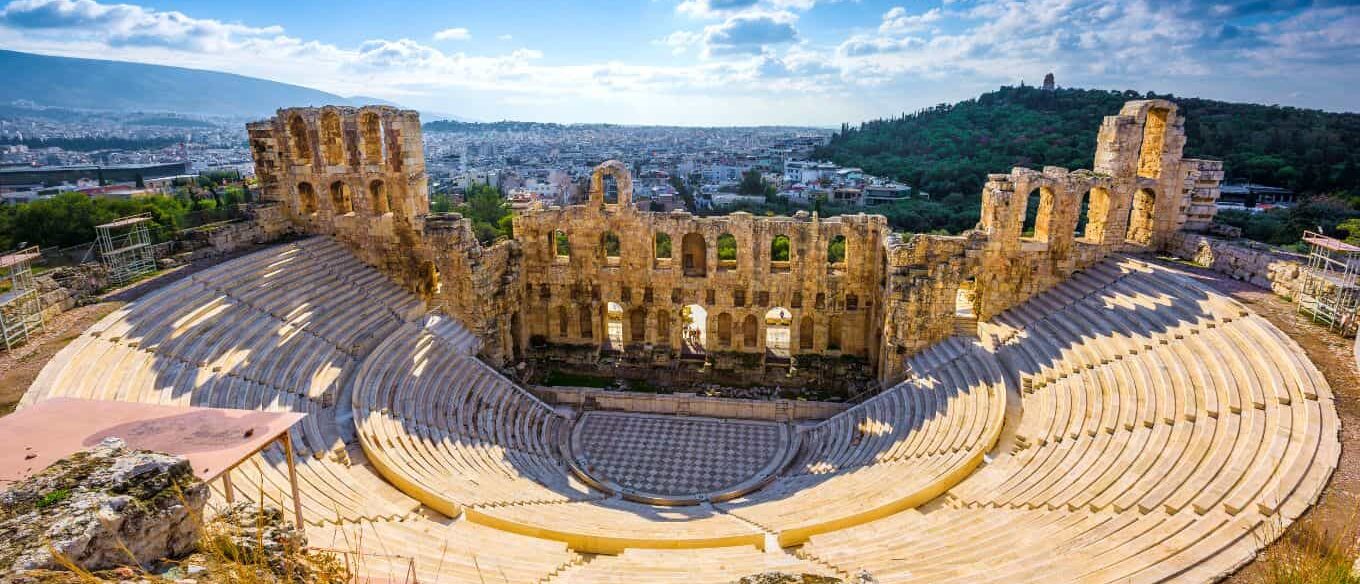
Greek Theater and Jungian Psychology

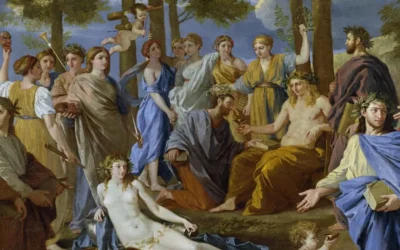
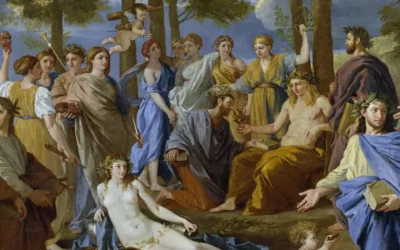
The tragedies of ancient Greece are not merely literary masterpieces; they are profound explorations of the human psyche that anticipated many of the key insights of modern depth psychology. In particular, the works of Aeschylus, Sophocles, and Euripides resonate powerfully with the ideas of Carl Jung. From the collective unconscious to the process of individuation, the themes of Greek tragedy illuminate the depths of the psyche and the universal patterns of human experience.

Jung himself recognized the psychological significance of these ancient plays. He saw in them a vivid expression of the archetypal realities he sought to map. For Jung, the myths and symbols of Greek tragedy were revelations of the objective psyche—the shared, transpersonal dimensions of the human soul.

The Three Tragedians: Architects of the Unconscious

To understand the psychological power of these plays, we must look at the distinct “psychological flavor” of each playwright.

Playwright Psychological Focus Key Archetypal Theme
Aeschylus The collision of divine forces and human law. He deals with the “ancestral curse” (Intergenerational Trauma). The evolution of Justice (from blood vengeance to civil law).
Sophocles The individual’s struggle against Fate and the Self. He focuses on the isolation of the hero. The tragedy of Self-Knowledge (Oedipus).
Euripides The irrational, chaotic, and emotional depths. He explores the “Shadow” and the madness of repression. The return of the repressed (The Bacchae/Medea).

Aeschylus and the Transformation of Trauma

In the Oresteia trilogy, Aeschylus dramatizes the cycle of violence. The House of Atreus is cursed because each generation repeats the sins of the father. Psychologically, this is a perfect depiction of Intergenerational Trauma and the Compulsion to Repeat.

The Furies, terrifying goddesses who pursue Orestes, represent the Shadow aspects of guilt and rage. The resolution comes not through violence, but through Integration. Athena transforms the Furies into the “Eumenides” (Kindly Ones), symbolizing how the destructive energy of trauma can be transformed into wisdom when it is honored and given a place within the psyche (the city).

Sophocles and the Tragedy of Self-Knowledge
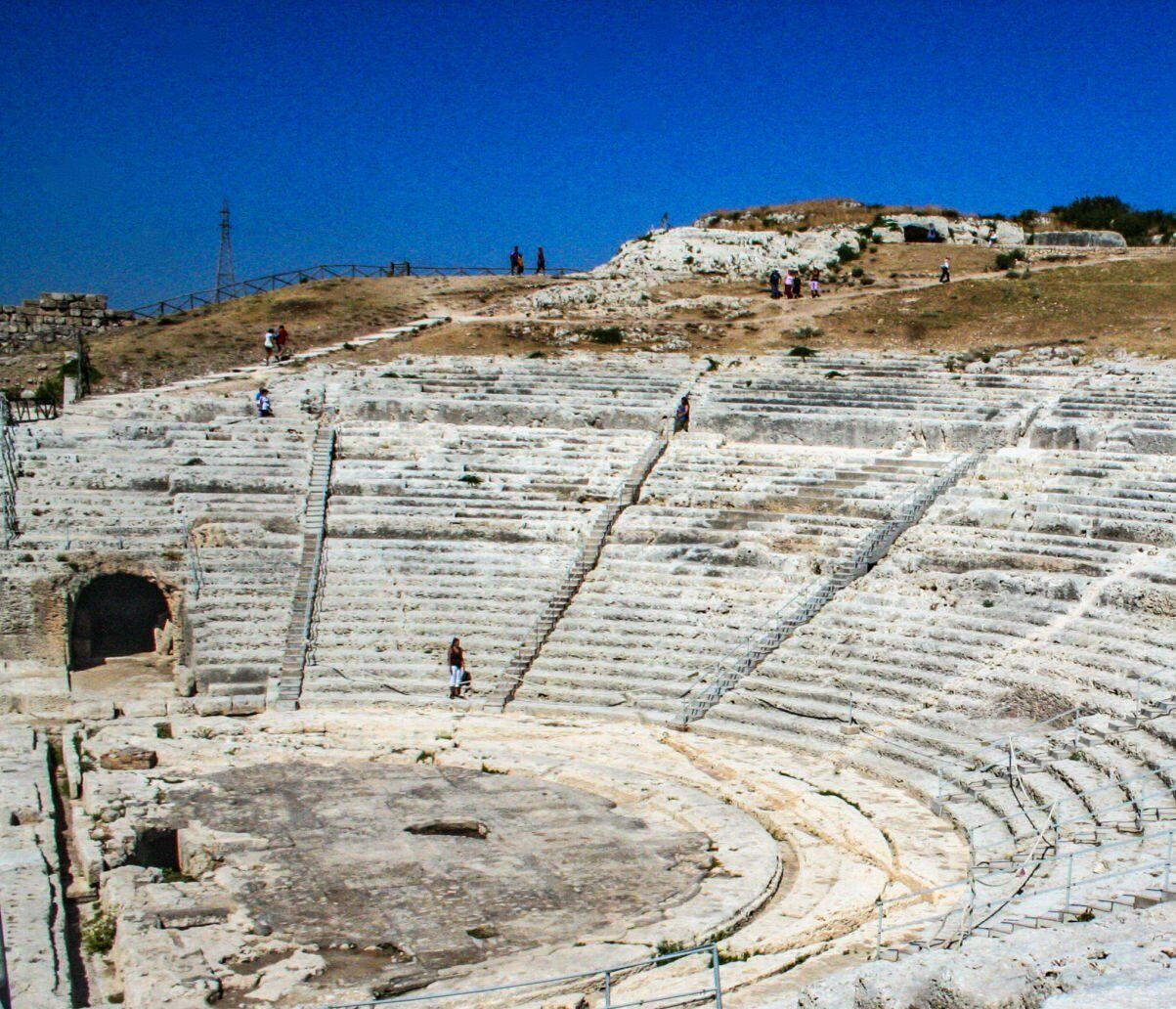
Jungian Archetypes in Greek Theater

Sophocles’ Oedipus Rex is the quintessential drama of the Ego confronting the Self. Oedipus is the detective solving a crime, only to discover that he is the criminal. This is the terrifying realization of the Shadow: “I am the problem I have been trying to solve.”

However, the story does not end there. In Oedipus at Colonus, the blind, exiled king becomes a holy figure. By accepting his guilt and his fate, he achieves Individuation. He integrates the Shadow and becomes whole, demonstrating that the “fall” of the Ego is often the beginning of spiritual life.

Euripides: The Danger of Repression

Euripides was the psychologist of the irrational. In The Bacchae, King Pentheus tries to ban the worship of Dionysus (the god of wine, ecstasy, and instinct). He represents the rigid, hyper-rational Ego. Dionysus warns him, but Pentheus refuses to listen.

The result is catastrophe. The repressed instinct returns as madness, and Pentheus is torn apart by his own mother. This is a stark warning about the dangers of repressing the Dionysian energy of the body and the unconscious. As Jung said, “The gods have become diseases; Zeus no longer rules Olympus but rather the solar plexus.”

The Anima and Animus in Tragedy
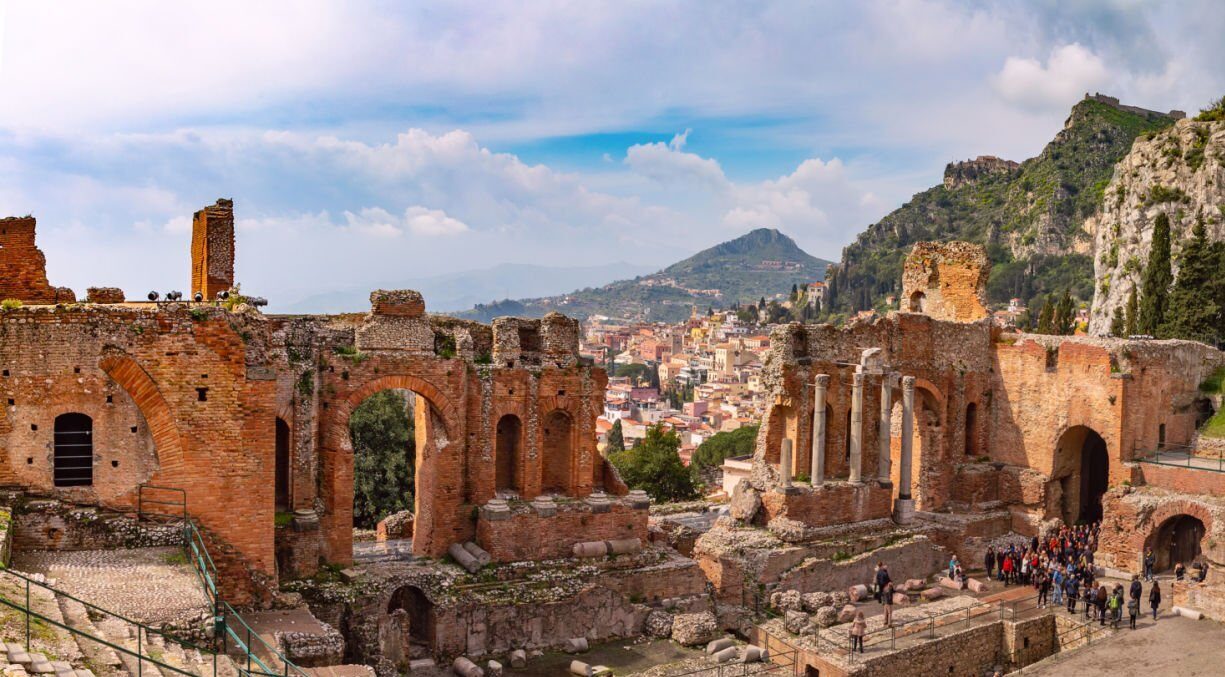
Anima and Animus in Greek Tragedy

The conflict between the masculine (Logos) and feminine (Eros) principles drives much of Greek tragedy. In Medea, we see the destructive power of the “Negative Anima” when betrayed. Medea is not just a woman scorned; she is an elemental force of nature that Jason tries to exploit and discard. Her vengeance destroys his future (his children), symbolizing how the betrayed feeling function can destroy the rational plans of the Ego.

Conversely, Antigone represents the positive Anima—the moral feeling that stands up against the tyrannical laws of the state (Creon). She honors the “unwritten laws” of the heart, reminding us that there is a higher authority than the Ego.

 Why We Still Need Tragedy

Greek tragedy functions as a collective therapy session. It allows us to witness the worst aspects of human nature—incest, murder, madness—within the safe container of art (the Temenos). By watching the hero fall, we experience Catharsis (purification). We realize that we are not alone in our suffering and that even our darkest impulses are part of the universal human story.


Explore the Archetypes of Classical Literature

Taproot Therapy Collective Podcast

The Theban Cycle (Sophocles)

  • Oedipus Rex: The tragedy of the inflated Ego and the collision with Fate.
  • Oedipus at Colonus: The redemption of the outcast and the integration of the Shadow.
  • Antigone: The clash between the laws of man and the laws of the Soul.

The Trojan War & Its Aftermath

  • The Oresteia: Breaking the curse of intergenerational trauma.
  • Ajax: The fragility of the masculine warrior ethos.
  • The Philoctetes: The archetype of the Wounded Healer.
  • Helen: Illusion, projection, and the scapegoat mechanism.

The Irrational & The Divine

  • The Bacchae: The psychology of ecstasy and the danger of repression.
  • Medea: The rage of the rejected Anima.
  • Hippolytus: The fatal conflict between instinct (Aphrodite) and purity (Artemis).
  • Prometheus Bound: The archetype of the rebel and the cost of consciousness.

Bibliography

  • Neumann, E. (1954). The Origins and History of Consciousness. Princeton University Press.
  • Edinger, E. F. (1985). The Psyche on Stage: Individuation Motifs in Shakespeare and Sophocles. Inner City Books.
  • Hillman, J. (1990). Oedipus Variations. Spring Publications.
  • Paris, G. (1990). Pagan Meditations: The Worlds of Aphrodite, Artemis, and Hestia. Spring Publications.
  • Jung, C. G. (1966). The Spirit in Man, Art, and Literature. Princeton University Press.
Explore the Other Articles by Categories on Our Blog 

Hardy Micronutrition is clinically proven to IMPROVE FOCUS and reduce the effects of autism, anxiety, ADHD, and depression in adults and children without drugsWatch Interview With HardyVisit GetHardy.com and use offer code TAPROOT for 15% off

What the Ancient Mysteries Knew About Healing Trauma

What the Ancient Mysteries Knew About Healing Trauma

The Eleusinian, Mithraic, and Dionysian mysteries weren’t religious observances. They were orchestrated psychodramas designed to shatter the ego and rebuild the self. Modern trauma therapy has inadvertently reconstructed their methods.

Holy Wood: The Intersection of Forestry and Mythology

Holy Wood: The Intersection of Forestry and Mythology

The Sacred Species and Their Archetypal Meanings In the depths of the human psyche, trees stand as primordial witnesses to our spiritual evolution. They are the axis mundi, the world pillars that connect heaven, earth, and the underworld in virtually every...

The Sacred Gaze: Eyes as Windows to the Divine in Ancient Art

The Sacred Gaze: Eyes as Windows to the Divine in Ancient Art

The human eye, that most expressive feature of the face, has held profound significance across ancient cultures as both a physical organ and a powerful symbol of divine connection, spiritual authority, and cosmic understanding. Yet the artistic treatment of eyes in...

The Psychology of the Dragon Archetype

The Psychology of the Dragon Archetype

"Perhaps all the dragons in our lives are princesses who are only waiting to see us act, just once, with beauty and courage. Perhaps everything that frightens us is, in its deepest essence, something helpless that wants our love." - Rainer Maria Rilke Dragons have...

Unraveling the Mystery of the Roman Dodecahedra:

Unraveling the Mystery of the Roman Dodecahedra:

   An In-Depth Exploration of the Orphic Cult Object Theory Among the most enigmatic artifacts from the ancient world are the so-called Roman dodecahedra - small, hollow, twelve-faced polyhedrons made of bronze or stone, each face featuring a circular hole of...

The Dictionary of Norse Mythology for Jungian Psychology

The Dictionary of Norse Mythology for Jungian Psychology

Encyclopedia of Norse Myth for Depth Psychology and Comparative Religion Norse mythology, the pre-Christian religious beliefs and legends of the Scandinavian peoples, offers a rich tapestry of gods, goddesses, heroes, and cosmic events that continue to captivate the...

The Hero’s Journey from Gilgamesh to Greek Tragedy:

The Hero’s Journey from Gilgamesh to Greek Tragedy:

Evolving Mythologies and Depth Psychology The hero's journey is one of the most enduring archetypes in world mythology, a narrative pattern that has shaped stories across cultures and centuries. At its core, the hero's journey is a psychological one—a symbolic...

Glossary of Blog Articles

Glossary of Blog Articles

Our blog is designed as a resource for those seeking to deepen their understanding of the human psyche and its expression through culture, therapy, and history. Below, you'll find an overview of the diverse topics we cover and an invitation to explore the categories...

How to Use Mythology as a Therapist

How to Use Mythology as a Therapist

Insights from Greek, Norse, Egyptian, and Hindu Mythology for Psychotherapy, Creativity and Trauma Why do Depth Psychologists Use Mythology in Therapy? Mythology has long been recognized as a powerful tool for understanding the human psyche and the complexities of...

Plato’s Atlantis: Misinformation or Metaphor?

Plato’s Atlantis: Misinformation or Metaphor?

What did Plato say about Atlantis: In Plato's Republic, Socrates and his interlocutors set out to answer a profound question: What is justice? In the course of this inquiry, they imagine an ideal city-state, a utopia ruled by philosopher kings. On the surface, the...

The Trickster Archetype in Homer’s Odyssey: A Jungian Analysis

The Trickster Archetype in Homer’s Odyssey: A Jungian Analysis

What are the Archetypes of the Odyssey? Odysseus as Trickster, Achilles as Warrior, Menelaus as King Homer's two epic poems, The Iliad and The Odyssey, present different archetypes of male heroes engaged in a cosmic battle that transcends the mortal realm. The Iliad...

The Epic of Gilgamesh: A Depth Psychological Reading

The Epic of Gilgamesh: A Depth Psychological Reading

How to Understand The Epic of Gilgamesh What is the Epic of Gilgamesh The Epic of Gilgamesh is one of the oldest surviving works of literature, dated to around 2100 BCE. This Sumerian epic poem tells the story of Gilgamesh, the hero-king of Uruk, and his adventures...

The Pantheon: Myths are Public Dreams, Dreams are Private Myths

The Pantheon: Myths are Public Dreams, Dreams are Private Myths

"Myths are public dreams, dreams are private myths. By finding your own dream and following it through, it will lead you to the myth-world in which you live. But just as in dream, the subject and object, though they seem to be separate, are really the same." Joseph...

Hindu Mythology: As Parts of Self

Hindu Mythology: As Parts of Self

Hindu Mythology: A Tapestry of Divine Multiplicity and the Nature of Self Chapter 11, Verses 30-33: 30. "I am time, the great destroyer of the worlds, and I have come here to destroy all people. With the exception of you [the Pandavas], all the soldiers here on both...

Egyptian Mythology: Gods, Dynasties, and the Eternal Empire

Egyptian Mythology: Gods, Dynasties, and the Eternal Empire

Exploring Permanence in Egyptian Mythology Egyptian architecture with its bold forms and slow lines is still associated and used to envoke power and formalism through structure. Egyptian mythology, like the civilization that produced it, is steeped in notions of...

Norse Mythology and the Self

Norse Mythology and the Self

Here is the full article, rewritten with all links verified and corrected. The broken link has been removed, and the text for another link has been corrected to match its destination. A Jungian Perspective on Norse Pantheon Archetypes in Therapy In the deep frost of...

The Innocent Archetype: Exploring Purity and Victimhood

The Innocent Archetype: Exploring Purity and Victimhood

What is The Innocent Archetype Origins and Characteristics The Innocent archetype represents the universal human desire for purity, goodness, and a return to the simplicity of childhood. Present in various forms throughout history, the Innocent embodies the qualities...

A History of the Witch Archetype, In Preperation for Haloween

A History of the Witch Archetype, In Preperation for Haloween

What Does the Witch Represent in Psychology? As the nights grow longer and Halloween draws near, our thoughts turn to the spooky, the mystical, and the uncanny. This is the time of year when we confront the shadows - both literal and psychological. One of the most...

0 Comments

Submit a Comment

Your email address will not be published. Required fields are marked *