
What is the Everyman Regular Guy Archetype?
Origins and Characteristics
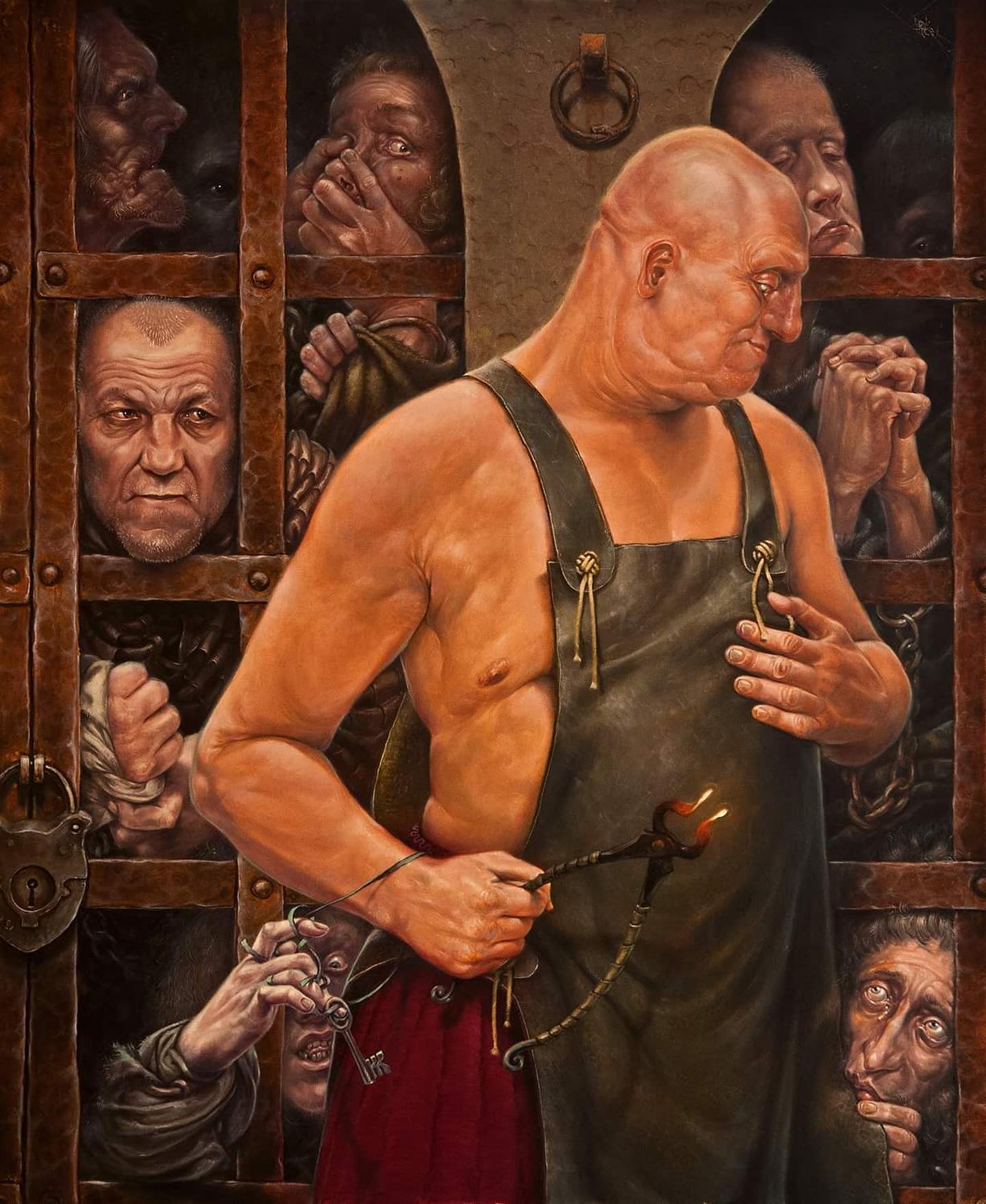
The Regular Guy/Gal archetype represents the everyday person who embodies the values and experiences of the common people. Present in various forms throughout history, the Regular Guy/Gal serves as a relatable and grounding force in storytelling and culture [1]. This article explores the origins, characteristics, and significance of the Regular Guy/Gal archetype, examining its role in shaping human culture and consciousness.
Explore all the Archetypes
The Regular Guy/Gal Archetype in Parts-Based Therapies
In parts-based therapies like Internal Family Systems (IFS), Schema Therapy, and Voice Dialogue, the Regular Guy/Gal archetype can be understood as a distinct part or subpersonality within an individual’s psyche [2].
In IFS, the Regular Guy/Gal may manifest as a down-to-earth, relatable part that helps the individual connect with others and maintain a sense of normalcy. However, if burdened, the Regular Guy/Gal part may become self-deprecating or resistant to change [3].
Schema Therapy views the Regular Guy/Gal as an aspect of the Healthy Adult mode, promoting adaptive coping and self-acceptance. Maladaptive schemas like Emotional Deprivation or Social Isolation may distort the Regular Guy/Gal’s expression [4].
Voice Dialogue recognizes the Regular Guy/Gal as a unique voice that can be dialogued with to access inner authenticity and groundedness. Imbalances may occur if the Regular Guy/Gal voice dominates or is suppressed by other voices [5].
The Regular Guy/Gal’s Role in the Hero’s Journey
In the Hero’s Journey, the Regular Guy/Gal archetype often appears as the hero’s ally or as the hero themselves, representing the everyday person’s potential for growth and transformation [6]. The Regular Guy/Gal’s relatable qualities help the audience connect with the hero’s journey.
The Role of the Regular Guy/Gal in Prehistory and Ancient History
In prehistoric times, the Regular Guy/Gal archetype was embodied by the average member of the tribe or community, contributing to the group’s survival and well-being [7]. In ancient civilizations, the Regular Guy/Gal appeared in folk tales and legends as the relatable protagonist who overcomes challenges through wit and perseverance [8].
The Regular Guy/Gal in Literature and Art
The Regular Guy/Gal archetype has been a central figure in literature and art, from the everyman characters of Shakespeare to the working-class heroes of modern fiction [9]. Regular Guy/Gal characters like Huckleberry Finn, Bridget Jones, and Charlie Brown have captured the hearts of audiences by embodying the struggles and triumphs of everyday life [10].
The Regular Guy/Gal in Psychology and Personal Development
Psychologists like Carl Jung and Alfred Adler recognized the importance of the Regular Guy/Gal archetype for personal growth and self-acceptance [11]. The Regular Guy/Gal encourages individuals to embrace their authentic selves, find meaning in everyday experiences, and connect with others [12].
The Shadow Side of the Regular Guy/Gal
The Regular Guy/Gal’s shadow may manifest as a conformist or self-deprecating individual, resistant to change and personal growth [13]. Integrating the Regular Guy/Gal requires balancing authenticity with the desire for growth, and individuality with the need for connection [14].
The Regular Guy/Gal in Relationships, Careers, and Life
The Regular Guy/Gal archetype influences various aspects of life, from personal relationships to career choices. Regular Guy/Gal-oriented individuals may thrive in fields that require empathy, relatability, and a down-to-earth approach, such as teaching, social work, or customer service [15].
Interpersonal Neurobiology and Somatic Experience
The Regular Guy/Gal archetype shapes our somatic experience, influencing the emotions we tend to emphasize or avoid. Overidentifying with the Regular Guy/Gal may lead to feelings of stagnation or a fear of standing out, while neglecting this archetype may result in a sense of disconnection from others and everyday life [16].
Trauma and the Regular Guy/Gal Archetype
Trauma related to the Regular Guy/Gal archetype can manifest as a fear of being different, difficulty asserting oneself, or a tendency to self-deprecate. Enmeshment with the Regular Guy/Gal may lead to conformity and resistance to change, while avoidance can result in a sense of alienation and inauthenticity [17].
The Regular Guy/Gal in Politics and Religion
In politics, the Regular Guy/Gal archetype is often invoked by leaders who want to appeal to the common people and appear relatable. However, the shadow Regular Guy/Gal may use this persona to manipulate public opinion or avoid accountability [18]. In religion, the Regular Guy/Gal is often portrayed as the humble devotee or the everyman figure who exemplifies the faith’s values [19].
The Balanced Regular Guy/Gal: Benefits and Opportunities
When balanced, the Regular Guy/Gal archetype enables individuals to connect with others, find meaning in everyday experiences, and maintain a grounded sense of self. Embracing the Regular Guy/Gal can lead to increased empathy, authenticity, and the ability to relate to a wide range of people [20].
The Regular Guy/Gal in the Modern World
In today’s rapidly changing world, the Regular Guy/Gal archetype serves as a stabilizing force, reminding us of the value of human connection and everyday experiences. The modern Regular Guy/Gal must navigate the challenges of globalization, technological disruption, and social inequality while maintaining a sense of authenticity and groundedness [21].
The Regular Guy/Gal Archetype’s Role in the Evolution of Human Culture and Consciousness
The Regular Guy/Gal archetype has been a constant presence throughout human history, representing the experiences and values of the common people. By embodying relatability, authenticity, and the potential for growth, the Regular Guy/Gal has shaped the evolution of human culture and consciousness, reminding us of our shared humanity [22].
The Everyman Archetype in Posture and Somatic Experience
Those embodying the Everyman archetype may have a relaxed, unassuming posture that reflects their down-to-earth nature and relatability. They may experience a sense of comfort and groundedness in their body when engaging in everyday activities and connecting with others. However, when the Everyman feels overlooked or disconnected from their sense of belonging, they may experience somatic symptoms such as a sense of emptiness, physical fatigue, or a general ache in the body.
Enneagram and MBTI Correlations with the Everyman Archetype
Enneagram: Type 6 (The Loyalist), Type 9 (The Peacemaker) MBTI: ISFJ (Introverted, Sensing, Feeling, Judging), ESFJ (Extraverted, Sensing, Feeling, Judging)
The Everyman Archetype in Screenwriting and Fiction Plotting
The Everyman often serves as the relatable protagonist or the audience surrogate in stories. They may be thrust into extraordinary circumstances, facing challenges and growth opportunities that resonate with the common human experience.
The Power of the Regular Guy/Gal
The Regular Guy/Gal archetype represents the transformative power of authenticity, empathy, and finding meaning in everyday life. By understanding and embracing the Regular Guy/Gal within, we can tap into a boundless source of connection and personal growth, contributing to a more grounded and compassionate world [23].
Bibliography
- Fiske, J. (2010). Understanding popular culture. Routledge.
- Schwartz, R. C. (1995). Internal family systems therapy. Guilford Press.
- Earley, J. (2009). Self-therapy: A step-by-step guide to creating wholeness and healing your inner child using IFS. Pattern System Books.
- Young, J. E., Klosko, J. S., & Weishaar, M. E. (2006). Schema therapy: A practitioner’s guide. Guilford Press.
- Stone, H., & Stone, S. (2011). Embracing ourselves: The voice dialogue manual. New World Library.
- Campbell, J. (1949). The hero with a thousand faces. New World Library.
- Morris, I. (2015). Foragers, farmers, and fossil fuels: How human values evolve. Princeton University Press.
- Thompson, S. (1977). The folktale. University of California Press.
- Watt, I. (1957). The rise of the novel: Studies in Defoe, Richardson and Fielding. University of California Press.
- Nachbar, J., & Lause, K. (1992). Popular culture: An introductory text. Bowling Green State University Popular Press.
- Jung, C. G. (1968). The archetypes and the collective unconscious. Princeton University Press.
- Adler, A. (2013). Understanding human nature. Martino Fine Books.
- Zweig, C., & Abrams, J. (1991). Meeting the shadow: The hidden power of the dark side of human nature. Tarcher.
- Rogers, C. R. (1961). On becoming a person: A therapist’s view of psychotherapy. Houghton Mifflin.
- Pearson, C. S. (1991). Awakening the heroes within: Twelve archetypes to help us find ourselves and transform our world. HarperCollins.
- Siegel, D. J. (2010). Mindsight: The new science of personal transformation. Bantam Books.
- Herman, J. L. (2015). Trauma and recovery: The aftermath of violence–from domestic abuse to political terror. Basic Books.
- Lakoff, G. (2008). The political mind: Why you can’t understand 21st-century politics with an 18th-century brain. Penguin Books.
- Campbell, J. (1988). The power of myth. Anchor Books.
- Brown, B. (2010). The gifts of imperfection: Let go of who you think you’re supposed to be and embrace who you are. Hazelden.
- Rifkin, J. (2009). The empathic civilization: The race to global consciousness in a world in crisis. Tarcher.
- Harari, Y. N. (2015). Sapiens: A brief history of humankind. HarperCollins.
- Wilber, K. (2000). Integral psychology: Consciousness, spirit, psychology, therapy. Shambhala.









0 Comments