
What is The Caregiver Archetype
Origins and Characteristics
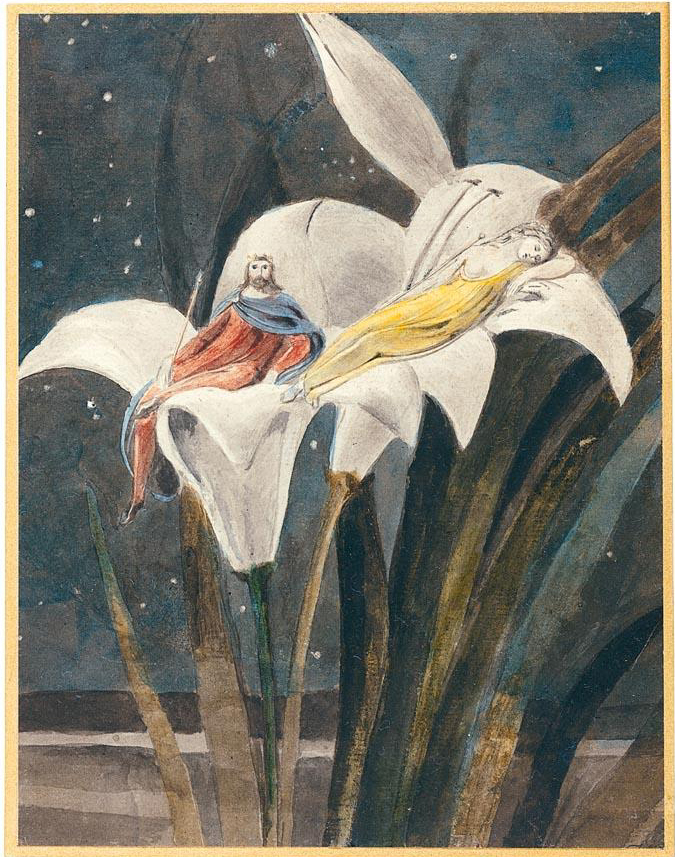
The Caregiver archetype represents the universal human desire to nurture, support, and protect others. Present in various forms throughout history, the Caregiver embodies the qualities of compassion, generosity, and unconditional love [1]. This article explores the origins, characteristics, and significance of the Caregiver archetype, examining its role in shaping human culture and consciousness.
Explore all the Archetypes
The Caregiver Archetype in Parts-Based Therapies
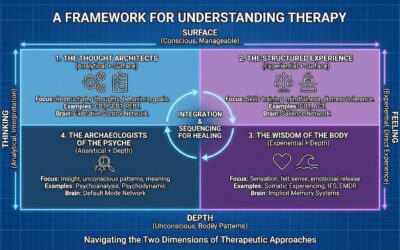
In parts-based therapies like Internal Family Systems (IFS), Schema Therapy, and Voice Dialogue, the Caregiver archetype can be understood as a distinct part or subpersonality within an individual’s psyche [2].
In IFS, the Caregiver may manifest as a nurturing, supportive part that provides comfort and guidance to other parts. However, if burdened, the Caregiver part may become overprotective or engage in self-neglect [3].
Schema Therapy views the Caregiver as an aspect of the Healthy Adult mode, promoting adaptive nurturance and self-care. Maladaptive schemas like Self-Sacrifice or Unrelenting Standards may distort the Caregiver’s expression [4].
Voice Dialogue recognizes the Caregiver as a unique voice that can be dialogued with to access inner compassion and support. Imbalances may occur if the Caregiver voice dominates or is suppressed by other voices [5].
The Caregiver’s Role in the Hero’s Journey
In the Hero’s Journey, the Caregiver archetype often appears as a mentor or helper, providing the hero with guidance, support, and encouragement [6]. The Caregiver’s presence enables the hero to overcome challenges and ultimately achieve personal growth and transformation.
The Role of the Caregiver in Prehistory and Ancient History
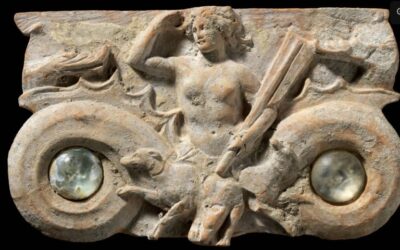
In prehistoric times, the Caregiver archetype was embodied in the role of the mother, healer, and nurturer, ensuring the survival and well-being of the community [7]. Ancient civilizations celebrated Caregiver deities like Demeter (Greece), Isis (Egypt), and Kuan Yin (China), honoring the qualities of compassion, protection, and unconditional love [8].
The Caregiver in Literature and Art
The Caregiver archetype has been a central figure in literature and art, from the nurturing mother figures of fairy tales to the self-sacrificing heroes of modern literature [9]. Caregiver characters like Marmee in “Little Women,” Samwise Gamgee in “The Lord of the Rings,” and Precious Ramotswe in “The No. 1 Ladies’ Detective Agency” series embody the qualities of compassion, loyalty, and selfless love [10].
The Caregiver in Psychology and Personal Development
Psychologists like Carl Jung and Erik Erikson recognized the importance of the Caregiver archetype for personal growth and psychosocial development [11]. The Caregiver encourages individuals to develop empathy, compassion, and the ability to form nurturing relationships [12].
The Shadow Side of the Caregiver
The Caregiver’s shadow may manifest as an overprotective or controlling individual, neglecting their own needs in the process of caring for others [13]. Integrating the Caregiver requires balancing the desire to nurture with the need for self-care and healthy boundaries [14].
The Caregiver in Relationships, Careers, and Life
The Caregiver archetype influences various aspects of life, from personal relationships to career choices. Caregiver-oriented individuals may thrive in fields that involve nurturing, support, and service, such as healthcare, education, or social work [15].
Interpersonal Neurobiology and Somatic Experience
The Caregiver archetype shapes our somatic experience, influencing the emotions we tend to emphasize or avoid. Overidentifying with the Caregiver may lead to feelings of burnout or a fear of disappointing others, while neglecting this archetype may result in a sense of emotional disconnection and difficulty forming nurturing relationships [16].
Trauma and the Caregiver Archetype
Trauma related to the Caregiver archetype can manifest as a fear of abandonment, difficulty setting boundaries, or a tendency to overcompensate for others’ needs. Enmeshment with the Caregiver may lead to codependency and self-neglect, while avoidance can result in a sense of emotional detachment and difficulty expressing compassion [17].
The Caregiver in Politics and Religion
In politics, the Caregiver archetype is often invoked to promote social welfare, healthcare, and support for vulnerable populations. However, the shadow Caregiver may use the language of care to enable dependency or avoid personal responsibility [18]. In religion, the Caregiver appears as the compassionate deity or saintly figure who offers unconditional love and support [19].
The Balanced Caregiver: Benefits and Opportunities
When balanced, the Caregiver archetype enables individuals to form nurturing relationships, express compassion, and contribute to the well-being of others. Embracing the Caregiver can lead to increased emotional intelligence, resilience, and the ability to create a more caring and supportive world [20].
The Caregiver in the Modern World
In today’s rapidly changing world, the Caregiver archetype serves as a reminder of the importance of compassion, empathy, and mutual support. The modern Caregiver must navigate the challenges of work-life balance, emotional burnout, and the need for self-care in an increasingly demanding and interconnected world [21].
The Caregiver Archetype’s Role in the Evolution of Human Culture and Consciousness
The Caregiver archetype has been a driving force in the evolution of human culture and consciousness. By embodying the qualities of compassion, nurturance, and unconditional love, the Caregiver has shaped the development of families, communities, and social institutions. As we continue to evolve, the Caregiver archetype reminds us of the transformative power of care and the importance of fostering a more compassionate and interconnected world [22].
The Caregiver Archetype in Posture and Somatic Experience
Those strongly identified with the Caregiver archetype may have a nurturing, open posture that reflects their compassion and desire to help others. They may experience a sense of warmth, fullness, and flow in their body when engaging in acts of care and support. However, when the Caregiver feels overwhelmed or emotionally depleted, they may experience somatic symptoms such as tension in the neck and shoulders, physical exhaustion, or a sense of emptiness in the chest.
Enneagram and MBTI Correlations with the Caregiver Archetype
Enneagram: Type 2 (The Helper), Type 9 (The Peacemaker) MBTI: ENFJ (Extraverted, Intuitive, Feeling, Judging), ISFJ (Introverted, Sensing, Feeling, Judging)
The Caregiver Archetype in Screenwriting and Fiction Plotting
The Caregiver often plays the role of the nurturing parent, the supportive friend, or the selfless healer in stories. They may be driven by a desire to help others, often facing challenges such as burnout, codependency, or the need to set boundaries.
The Power of the Caregiver
The Caregiver archetype represents the transformative power of compassion, nurturance, and unconditional love. By understanding and embracing the Caregiver within, we can tap into a boundless source of resilience, empathy, and personal growth, contributing to a more caring and supportive world [23].
Bibliography
- Bolen, J. S. (1984). Goddesses in everywoman: A new psychology of women. Harper & Row.
- Schwartz, R. C. (1995). Internal family systems therapy. Guilford Press.
- Earley, J. (2009). Self-therapy: A step-by-step guide to creating wholeness and healing your inner child using IFS. Pattern System Books.
- Young, J. E., Klosko, J. S., & Weishaar, M. E. (2006). Schema therapy: A practitioner’s guide. Guilford Press.
- Stone, H., & Stone, S. (2011). Embracing ourselves: The voice dialogue manual. New World Library.
- Campbell, J. (1949). The hero with a thousand faces. New World Library.
- Eisler, R. (1988). The chalice and the blade: Our history, our future. HarperOne.
- Wilkinson, P. (2008). Myths & legends: An illustrated guide to their origins and meanings. DK Publishing.
- Bettelheim, B. (1976). The uses of enchantment: The meaning and importance of fairy tales. Alfred A. Knopf.
- McCall Smith, A. (2002). The No. 1 Ladies’ Detective Agency. Anchor Books.
- Jung, C. G. (1968). The archetypes and the collective unconscious. Princeton University Press.
- Erikson, E. H. (1993). Childhood and society. W. W. Norton & Company.
- Zweig, C., & Abrams, J. (1991). Meeting the shadow: The hidden power of the dark side of human nature. Tarcher.
- Beattie, M. (1986). Codependent no more: How to stop controlling others and start caring for yourself. Hazelden Publishing.
- Pearson, C. S. (1991). Awakening the heroes within: Twelve archetypes to help us find ourselves and transform our world. HarperCollins.
- Siegel, D. J. (2010). Mindsight: The new science of personal transformation. Bantam Books.
- Herman, J. L. (2015). Trauma and recovery: The aftermath of violence–from domestic abuse to political terror. Basic Books.
- Covington, C., & Beckett, B. (1988). Leaving the enchanted forest: The path from relationship addiction to intimacy. HarperOne.
- Hicks, E., & Hicks, J. (2006). The law of attraction: The basics of the teachings of Abraham. Hay House.
- Noddings, N. (2013). Caring: A relational approach to ethics and moral education. University of California Press.
- Figley, C. R. (Ed.). (2002). Treating compassion fatigue. Routledge.
- Hrdy, S. B. (2011). Mothers and others: The evolutionary origins of mutual understanding. Belknap Press.
- Kornfield, J. (1993). A path with heart: A guide through the perils and promises of spiritual life. Bantam Books.









0 Comments