

Somatic Experiencing (SE) works by having you notice the body sensations that come with a stressful memory or trigger, a little at a time, and then shift your attention to sensations of steadiness or ease. Arousal rises and settles without tipping into panic or shutdown. Repeated over many sessions, the aim is a wider range of arousal you can feel while staying present.
That range has a name, the window of tolerance, and widening it is the clearest way to understand what SE does. This page argues that the core of SE is a careful method for dosing distress, which practitioners call titration and pendulation, and that this regulation story fits reasonably well with what is known about threat, stress hormones and interoception. The more literal claim that often comes with SE, that trauma is energy trapped in the tissues and has to be discharged, has much less behind it. You can use the method without believing the metaphor.
This is the second of three posts on SE. The first covers what Somatic Experiencing is and how it differs from talk therapy. The third takes on common myths and questions about Somatic Experiencing. This one is about mechanism: what happens in the nervous system, what happens in the room, and what the research can and cannot say so far.
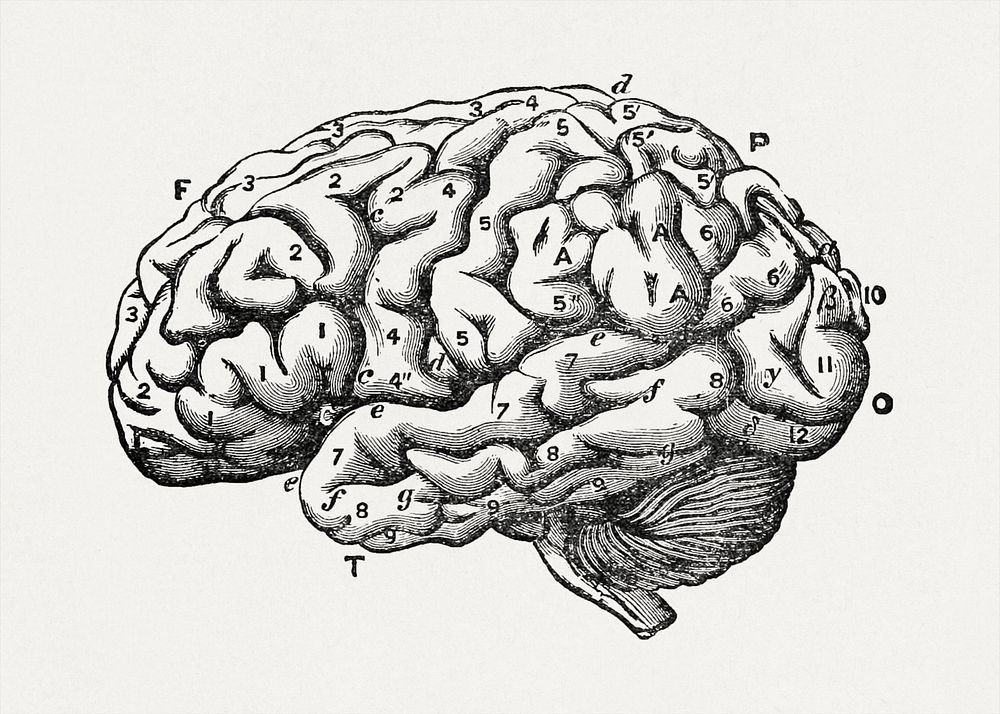
What a threat does to the brain and body
When something threatens you, the sympathetic nervous system responds within seconds. Heart rate climbs, breathing speeds up, adrenaline rises and muscles brace. Over the following minutes the hypothalamic-pituitary-adrenal axis releases cortisol. Cortisol is often called the stress hormone, but the picture is more complicated. In a long review of its actions, Robert Sapolsky and colleagues found that some of its effects prepare the body for the next stressor, while others hold the stress response back so it does not overshoot.1
That matters because the popular image of trauma, a body soaking in cortisol for years, does not fit the data. A meta-analysis of 37 studies found no overall difference in basal cortisol between adults with PTSD and people without a psychiatric disorder. Lower levels turned up only under certain conditions, such as in studies of physical or sexual abuse and in afternoon samples.2 The Window of Tolerance model, as Corrigan and colleagues describe it, places the problem less in a fixed hormone level than in an autonomic nervous system that reminders of the trauma readily push into extreme states.3
The brain findings follow a similar pattern. In a meta-analysis of neuroimaging studies, Amit Etkin and Tor Wager found that people with PTSD, social anxiety disorder and specific phobia all showed more activity than controls in the amygdala and insula while processing negative emotion. What set PTSD apart was reduced activity in the dorsal and rostral anterior cingulate and the ventromedial prefrontal cortex, regions tied to regulating emotion.4 PTSD, in other words, is not only a loud alarm. It is also an alarm with weaker brakes. The hippocampal findings are real but modest. A 2018 consortium analysis of 1,868 people from 16 cohorts, the largest neuroimaging study of PTSD at the time, found smaller hippocampi in people with current PTSD than in trauma-exposed controls, with a small effect size (Cohen’s d = −0.17).5 A well-known study of identical twins, in which only one twin of each pair had been exposed to trauma, suggests that at least part of that difference comes before trauma, as a risk factor rather than damage.6
Dysregulation also runs in two directions. Ruth Lanius and colleagues describe a common under-modulated pattern, with reliving and hyperarousal, and a dissociative over-modulated pattern, in which the medial prefrontal cortex clamps down on limbic activity and a person feels numb, unreal or far away. The two patterns interact, and a person’s symptoms can alternate between them.7 Underneath both is what Kasia Kozlowska and colleagues call the defense cascade: arousal, then fight or flight, then freezing, and, when active defense fails, tonic immobility and collapse.8 None of these are choices. In a study of 298 women seen at an emergency clinic within a month of a rape, 70% reported significant tonic immobility during the assault, and that involuntary immobility was associated with higher odds of PTSD and severe depression six months later.9
The window of tolerance: the map SE works from
The psychiatrist Daniel Siegel introduced the phrase “window of tolerance” in The Developing Mind (1999) for the range of arousal within which a person can take in and process emotion without being thrown off balance.10 Pat Ogden and colleagues brought the idea into body-based trauma therapy. In Trauma and the Body (2006), Ogden, Kekuni Minton and Clare Pain place hyperarousal above the window and hypoarousal below it.11 Above the window sit panic, rage, racing thoughts and hypervigilance. Below it sit numbness, fog, heaviness and collapse. The same two directions show up in relationships, which is why our post on how anxious and avoidant attachment feel in the nervous system maps them onto hyper- and hypoarousal.
The model’s claim about trauma is that the window narrows. Reminders that would barely register for someone else push a traumatized person past the edge. Corrigan and colleagues argue that behaviors like self-harm and substance use are often efforts to regulate a nervous system that tips into extreme states too easily, not signs of bad character.3 The window is a clinical model, not a measured quantity. Nobody can scan for it. Its value is practical. It tells a therapist when to slow down, and it gives a client words for what is happening that do not carry shame. Our longer piece on the window of tolerance in somatic therapy traces the idea further.
SE’s own vocabulary is activation and settling rather than windows, but the target is the same: more room to feel arousal without being overrun by it.
Titration and pendulation: how SE widens the window
Peter Levine’s thinking about stress goes back at least to his 1977 doctoral dissertation at the University of California, Berkeley, Accumulated Stress, Reserve Capacity and Disease.12 He set out the method for a general audience in Waking the Tiger (1997) and at greater length in In an Unspoken Voice (2010).13,14 The clearest short technical account is a 2015 paper by Peter Payne, Levine and Mardi Crane-Godreau, which lists the key elements of SE as presence, embodied resource, titration, pendulation, discharge and biological completion.12 Our profile of Peter Levine and how he developed Somatic Experiencing covers the history. Here is what the main moves do.
Tracking sensation
Most of an SE session is spent noticing. The therapist asks what you feel in your body right now, where it is, and what happens next: tightness in the throat, heat in the face, a hollow stomach, a slight tremor in the hands. This is interoception, the sense of the body’s internal state. A. D. Craig’s influential 2002 review traced interoceptive signals from the body to the insula and proposed that this system may provide a foundation for subjective feelings.15 Problems with interoception now show up in research on anxiety, mood, eating, addictive and somatic symptom disorders. A 2018 consensus paper from the first Interoception Summit also noted how hard the construct still is to measure and apply in treatment.16
Resourcing
Before going near anything difficult, an SE therapist helps you find resources: a sensation, image, memory, relationship or place in the body that feels steady, warm or simply neutral. It might be the weight of your back against the chair, a kitchen you felt safe in as a child, or the part of your body that feels least bothered right now. In a scoping review of SE research by Marie Kuhfuß and colleagues, both clients and practitioners named resource orientation, along with touch, as the features that set SE apart.17 A resource is not a pep talk. It is a place for the nervous system to come back to.
Titration
Payne, Levine and Crane-Godreau borrow the word from chemistry, where two reactive substances are combined drop by drop to avoid the violent reaction that would come from pouring them together.12 In SE you touch only a small piece of the difficult material: the moment before the accident rather than the crash, the sound of a door rather than the whole night. The dose is small enough that you can feel it and still know where you are.
Pendulation
Pendulation is the movement back and forth between activation and settling. The 2015 paper describes this swing between charge and discharge as something that has to be finely tuned, and the authors name it as one place where SE departs from exposure therapies, which do not tend to avoid extremes of activation. In Levine’s account, when the swing is skillfully supported it tends to start happening on its own.12 In the room, the therapist watches for the point where activation peaks, guides attention back to the resource, waits for settling, then turns back toward the difficult sensation. On SE’s account, this is how the window widens: a person goes to its edge again and again and comes back intact.
Here SE overlaps with mainstream behavior therapy more than its marketing sometimes admits. The idea of small doses of fear taken while calm is older than SE: Joseph Wolpe’s systematic desensitization, set out in Psychotherapy by Reciprocal Inhibition (1958), paired relaxation with graded steps toward a feared situation.18 Michelle Craske’s inhibitory learning account of exposure therapy holds that the old fear memory is not erased. A new learning, that the feared thing can be met and survived, forms alongside it and has to compete with it. Her group’s recommended strategies include violating expectations, varying contexts and putting feelings into words.19 Tracking a sensation, naming it and finding that it peaks and passes looks a lot like that. The difference is dose. SE deliberately keeps activation low, while the inhibitory learning approach cares less about how much fear fades in a session and more about whether the expected catastrophe fails to arrive. Payne and colleagues believe SE reaches fear extinction through a different mechanism with less distress.12 That is now being tested. A randomized trial in Israel is comparing SE with prolonged exposure therapy in veterans with PTSD, and a 2025 interview study drawn from it found that participants in both arms described therapy in strongly bodily terms.20 We could not find published symptom outcomes from that trial, so the question of which works better, and for whom, is still open.
Completing the defense response, and the problem with “stored energy”
The most distinctive part of SE theory is biological completion. Levine’s argument, drawn partly from animal studies of defense, is that a defensive response cut off by overwhelming threat, a run that never happened or a push that was never made, leaves the nervous system braced for it. In SE a therapist may slow the sequence down so a person can feel the small movements the body makes toward pushing or turning away, and may treat trembling, heat or tears that follow as the release of that charge.12,13
Part of this stands on solid ground. Freezing and tonic immobility are real, involuntary states, and the defense cascade model traces their circuitry through the amygdala, hypothalamus, periaqueductal gray and the sympathetic and vagal nuclei. Kozlowska and colleagues also point out that animals generally return to their normal mode once danger has passed, while humans often get locked into the same response.8 Knowing that a freeze was a reflex and not a failure matters clinically and legally, as the authors of the tonic immobility study note, and in therapy that knowledge can loosen shame.9
The literal version is weaker. Researchers have no way to measure “stored energy,” and the phrase works as a metaphor for sustained arousal, not as physics. Payne, Levine and Crane-Godreau themselves write that shaking and trembling are barely discussed in the research literature, and they present their case of “Simon” as a composite that they say is not offered as evidence for any hypothesis.12 What can be measured are things like heart rate, heart rate variability, skin conductance and self-reported arousal. On those terms the regulation story is testable, and parts of it have been tested. The discharge story has not been.
It helps to treat the energy language as a description of how the experience can feel from the inside, which is often apt, rather than as a mechanism. A person may really feel a wave of heat and trembling and then a long exhale. Whether you call that a discharge or a shift from sympathetic activation toward settling, the clinical move is the same: notice it, let it run, and do not force it.
The same caution applies to polyvagal theory, which SE writers and trainings often borrow to explain shutdown and safety. Paul Grossman has argued that each of its five basic premises is either untenable or highly implausible given the evidence on vagal physiology and evolution.21 The clinical observations the theory organizes, that people shut down under inescapable threat and settle in safe company, do not depend on it being right. For a reading of polyvagal ideas as story rather than settled physiology, see our essay on polyvagal theory and myth.
What the research on SE shows so far
SE has a small trial base. The first randomized controlled trial, by Danny Brom and colleagues in Israel, assigned 63 adults with PTSD to 15 weekly SE sessions or a waitlist. The SE group improved substantially on PTSD severity (Cohen’s d = 0.94 to 1.26) and on depression, and the gains held at follow-up.22 That is encouraging, with limits. A waitlist is a weak comparison, and the trial excluded people with complex trauma, substance use or most other psychiatric conditions besides depression, which describes many people who seek trauma therapy.17
Two Danish trials in people with chronic low back pain and PTSD symptoms show how much results can vary. In the first, adding 6 to 12 SE sessions to supervised exercise reduced PTSD symptoms and fear of movement more than exercise alone, though the authors wrote that the overall effect was less than expected and its clinical importance could be questioned.23 In the second, a trial of 114 patients, adding up to 12 SE sessions to physiotherapy produced no additional benefit on any outcome.24 If you live with chronic pain, that is worth knowing. Our post on fibromyalgia, trauma and the neuroscience of pain looks at how pain and trauma interact.
The rest of the evidence is smaller or less controlled. After Hurricanes Katrina and Rita, Leitch and colleagues gave 91 social service workers in New Orleans and Baton Rouge one or two sessions of a stabilization model built on SE skills, and compared them with 51 matched workers. The SE group showed fewer PTSD symptoms and more resilience, though the study was not randomized.25 A 2026 study from Mid Sweden University randomized adults with varying degrees of childhood maltreatment to a single 60-minute SE-based session or to psychoeducation. Compared with controls, the SE groups reported a greater increase in felt safety in one experiment and a larger drop in disrupted body boundaries in the other, along with more interoceptive awareness. These were short-term changes measured around a single session, and the authors call for research on whether effects last. In the first experiment, heart rate fell and heart rate variability rose in both groups, so the physiological shift was not specific to SE.26
A 2021 scoping review of the SE literature by Kuhfuß and colleagues found 16 eligible studies, called the evidence for effects on PTSD symptoms preliminary, and rated overall study quality as mixed. Its search closed in August 2020, days before the null Danish trial was published.17,24 A broader 2021 meta-analysis of body psychotherapy found medium effects on psychopathology and distress across 18 randomized trials, and called for larger studies with clearer diagnostic groups.27
Claims that SE “rewires the brain” go further than the data. A 2017 systematic review of imaging studies found that successful PTSD treatment was repeatedly followed by lower amygdala and insula activity and higher activity in the dorsal anterior cingulate and hippocampus. The therapies in those studies were CBT, EMDR, exposure, cognitive therapy, mindfulness and brief eclectic psychotherapy.28 We could not find a published neuroimaging study of SE. Any therapy that helps changes the brain, because learning does. That alone does not tell you which therapy to choose.
What this looks like in therapy
An SE session is quieter than most people expect. You sit up with your eyes open and talk less than you would in ordinary talk therapy. A common arc goes like this. The therapist starts by helping you orient to the room, letting your eyes wander and land where they want, and noticing what in your body tells you that you are here. You find a resource. Then you bring in a small piece of what is hard, perhaps only a word or a first image, and track what the body does: the jaw tightens, the breath stops, the hands go cold. When activation climbs, the therapist slows things down or shifts attention back to the resource and waits for signs of settling, such as a sigh, a swallow or warmth coming back into the hands. Then the cycle repeats.
Several things follow from the window-of-tolerance logic. You do not have to tell the whole story, and a good SE therapist will often stop you from telling it if it is pushing you out of your window. Progress is measured less by catharsis than by capacity: whether you can feel a little more without going numb or flooding, and whether settling comes faster than it used to. For people who mostly go numb or foggy rather than panicky, the work runs the other way, gently bringing sensation and arousal back. Lanius and colleagues argue that dissociative symptoms need to be assessed and folded into stage-oriented treatment,7 and people with heavy dissociation often need a slower start. Some SE practitioners use touch, which clients and practitioners in the Kuhfuß review named as one of the method’s distinctive features.17 It should always be optional, explained in advance and easy to decline.
SE is not the right fit for every moment. In an active crisis, with current danger at home, or when sleep, substances or safety need attention first, stabilization comes before trauma processing. And because the SE evidence base is still small, it is best treated as one well-reasoned option, not a replacement for the therapies with the largest trial bases. A 2020 meta-analysis of 114 randomized trials found the most robust evidence for trauma-focused CBT and EMDR.29 Many people combine approaches, and the skills SE teaches, tracking and resourcing above all, carry into EMDR, parts work and attachment-focused therapy.
Finding Somatic Experiencing in Birmingham and across Alabama
SE training is a professional program of about three years, not a license. The trainees in one study of the three-year course included psychologists, physicians, social workers, physical therapists and other body-oriented therapists,17 so not everyone who has trained in SE is licensed to treat mental health conditions. In Alabama, the right to practice psychotherapy comes from a state license, such as a social work license from the Alabama Board of Social Work Examiners, a counseling license from the Alabama Board of Examiners in Counseling, or a psychology license. When you look for an SE therapist, check both the license and whether the person has finished the SE training or is still in it.
Useful questions for a first call: How much SE training do you have, and what else do you use? How do you work with someone who goes numb rather than anxious? Do you use touch, and how do you handle consent? What happens if a session leaves me more stirred up than when I came in? A good answer to the last question covers how the therapist paces sessions and what you can do between them.
Taproot Therapy Collective is in Hoover, a short drive from Birmingham, Vestavia Hills, Homewood and the 280 corridor. For people elsewhere in the state, somatic teletherapy for trauma anywhere in Alabama is an option. Tracking sensation, orienting and resourcing can all be done over video, though touch is not part of online work.
If the description of a narrowed window sounds familiar, a consultation can help you sort out whether SE, another approach or a combination makes sense. Our Somatic Experiencing therapy page explains how we offer it in Hoover, and you can contact the office with questions.
References
- Sapolsky, R. M., Romero, L. M., & Munck, A. U. (2000). How do glucocorticoids influence stress responses? Integrating permissive, suppressive, stimulatory, and preparative actions. Endocrine Reviews, 21(1), 55–89. https://doi.org/10.1210/edrv.21.1.0389
- Meewisse, M.-L., Reitsma, J. B., de Vries, G.-J., Gersons, B. P. R., & Olff, M. (2007). Cortisol and post-traumatic stress disorder in adults: Systematic review and meta-analysis. British Journal of Psychiatry, 191(5), 387–392. https://doi.org/10.1192/bjp.bp.106.024877
- Corrigan, F. M., Fisher, J. J., & Nutt, D. J. (2011). Autonomic dysregulation and the Window of Tolerance model of the effects of complex emotional trauma. Journal of Psychopharmacology, 25(1), 17–25. https://doi.org/10.1177/0269881109354930
- Etkin, A., & Wager, T. D. (2007). Functional neuroimaging of anxiety: A meta-analysis of emotional processing in PTSD, social anxiety disorder, and specific phobia. American Journal of Psychiatry, 164(10), 1476–1488. https://doi.org/10.1176/appi.ajp.2007.07030504
- Logue, M. W., van Rooij, S. J. H., Dennis, E. L., Davis, S. L., Hayes, J. P., Stevens, J. S., Densmore, M., Haswell, C. C., Ipser, J., Koch, S. B. J., Korgaonkar, M., Lebois, L. A. M., Peverill, M., Baker, J. T., Boedhoe, P. S. W., Frijling, J. L., Gruber, S. A., Harpaz-Rotem, I., Jahanshad, N., … Morey, R. A. (2018). Smaller hippocampal volume in posttraumatic stress disorder: A multisite ENIGMA-PGC study: Subcortical volumetry results from posttraumatic stress disorder consortia. Biological Psychiatry, 83(3), 244–253. https://doi.org/10.1016/j.biopsych.2017.09.006
- Gilbertson, M. W., Shenton, M. E., Ciszewski, A., Kasai, K., Lasko, N. B., Orr, S. P., & Pitman, R. K. (2002). Smaller hippocampal volume predicts pathologic vulnerability to psychological trauma. Nature Neuroscience, 5(11), 1242–1247. https://doi.org/10.1038/nn958
- Lanius, R. A., Vermetten, E., Loewenstein, R. J., Brand, B., Schmahl, C., Bremner, J. D., & Spiegel, D. (2010). Emotion modulation in PTSD: Clinical and neurobiological evidence for a dissociative subtype. American Journal of Psychiatry, 167(6), 640–647. https://doi.org/10.1176/appi.ajp.2009.09081168
- Kozlowska, K., Walker, P., McLean, L., & Carrive, P. (2015). Fear and the defense cascade: Clinical implications and management. Harvard Review of Psychiatry, 23(4), 263–287. https://doi.org/10.1097/HRP.0000000000000065
- Möller, A., Söndergaard, H. P., & Helström, L. (2017). Tonic immobility during sexual assault: A common reaction predicting post-traumatic stress disorder and severe depression. Acta Obstetricia et Gynecologica Scandinavica, 96(8), 932–938. https://doi.org/10.1111/aogs.13174
- Siegel, D. J. (1999). The developing mind: Toward a neurobiology of interpersonal experience. Guilford Press.
- Ogden, P., Minton, K., & Pain, C. (2006). Trauma and the body: A sensorimotor approach to psychotherapy. W. W. Norton.
- Payne, P., Levine, P. A., & Crane-Godreau, M. A. (2015). Somatic experiencing: Using interoception and proprioception as core elements of trauma therapy. Frontiers in Psychology, 6, 93. https://doi.org/10.3389/fpsyg.2015.00093
- Levine, P. A., with Frederick, A. (1997). Waking the tiger: Healing trauma: The innate capacity to transform overwhelming experiences. North Atlantic Books.
- Levine, P. A. (2010). In an unspoken voice: How the body releases trauma and restores goodness. North Atlantic Books.
- Craig, A. D. (2002). How do you feel? Interoception: The sense of the physiological condition of the body. Nature Reviews Neuroscience, 3(8), 655–666. https://doi.org/10.1038/nrn894
- Khalsa, S. S., Adolphs, R., Cameron, O. G., Critchley, H. D., Davenport, P. W., Feinstein, J. S., Feusner, J. D., Garfinkel, S. N., Lane, R. D., Mehling, W. E., Meuret, A. E., Nemeroff, C. B., Oppenheimer, S., Petzschner, F. H., Pollatos, O., Rhudy, J. L., Schramm, L. P., Simmons, W. K., Stein, M. B., … Zucker, N. (2018). Interoception and mental health: A roadmap. Biological Psychiatry: Cognitive Neuroscience and Neuroimaging, 3(6), 501–513. https://doi.org/10.1016/j.bpsc.2017.12.004
- Kuhfuß, M., Maldei, T., Hetmanek, A., & Baumann, N. (2021). Somatic experiencing: Effectiveness and key factors of a body-oriented trauma therapy: A scoping literature review. European Journal of Psychotraumatology, 12(1), 1929023. https://doi.org/10.1080/20008198.2021.1929023
- Wolpe, J. (1958). Psychotherapy by reciprocal inhibition. Stanford University Press.
- Craske, M. G., Treanor, M., Conway, C. C., Zbozinek, T., & Vervliet, B. (2014). Maximizing exposure therapy: An inhibitory learning approach. Behaviour Research and Therapy, 58, 10–23. https://doi.org/10.1016/j.brat.2014.04.006
- Harwood-Gross, A., Elias, S., Lerner, K., Nacasch, N., Lawi, C., Brom, D., & Barak, A. (2025). Veterans’ experiences of somatic experiencing and prolonged exposure therapies for post-traumatic stress disorder: A qualitative analysis. Psychology and Psychotherapy: Theory, Research and Practice, 98(1), 175–192. https://doi.org/10.1111/papt.12570
- Grossman, P. (2023). Fundamental challenges and likely refutations of the five basic premises of the polyvagal theory. Biological Psychology, 180, 108589. https://doi.org/10.1016/j.biopsycho.2023.108589
- Brom, D., Stokar, Y., Lawi, C., Nuriel-Porat, V., Ziv, Y., Lerner, K., & Ross, G. (2017). Somatic experiencing for posttraumatic stress disorder: A randomized controlled outcome study. Journal of Traumatic Stress, 30(3), 304–312. https://doi.org/10.1002/jts.22189
- Andersen, T. E., Lahav, Y., Ellegaard, H., & Manniche, C. (2017). A randomized controlled trial of brief Somatic Experiencing for chronic low back pain and comorbid post-traumatic stress disorder symptoms. European Journal of Psychotraumatology, 8(1), 1331108. https://doi.org/10.1080/20008198.2017.1331108
- Andersen, T. E., Ellegaard, H., Schiøttz-Christensen, B., Mejldal, A., & Manniche, C. (2020). Somatic Experiencing for patients with low back pain and comorbid posttraumatic stress symptoms: A randomised controlled trial. European Journal of Psychotraumatology, 11(1), 1797306. https://doi.org/10.1080/20008198.2020.1797306
- Leitch, M. L., Vanslyke, J., & Allen, M. (2009). Somatic experiencing treatment with social service workers following Hurricanes Katrina and Rita. Social Work, 54(1), 9–18. https://doi.org/10.1093/sw/54.1.9
- Lehmivaara, J., Jansson, B., Bernhardsson, J., Cloitre, M., & Pfaltz, M. C. (2026). From Somatic Experiencing to felt safety: Assessing the effects of a body-oriented intervention in adults with various degrees of child maltreatment. European Journal of Psychotraumatology, 17(1), 2613544. https://doi.org/10.1080/20008066.2026.2613544
- Rosendahl, S., Sattel, H., & Lahmann, C. (2021). Effectiveness of body psychotherapy: A systematic review and meta-analysis. Frontiers in Psychiatry, 12, 709798. https://doi.org/10.3389/fpsyt.2021.709798
- Malejko, K., Abler, B., Plener, P. L., & Straub, J. (2017). Neural correlates of psychotherapeutic treatment of post-traumatic stress disorder: A systematic literature review. Frontiers in Psychiatry, 8, 85. https://doi.org/10.3389/fpsyt.2017.00085
- Lewis, C., Roberts, N. P., Andrew, M., Starling, E., & Bisson, J. I. (2020). Psychological therapies for post-traumatic stress disorder in adults: Systematic review and meta-analysis. European Journal of Psychotraumatology, 11(1), 1729633. https://doi.org/10.1080/20008198.2020.1729633





















0 Comments