

Actor Toby Huss on Art, Trauma, and Finding Beauty in America’s Forgotten Places: A Deep Dive into Creative Healing
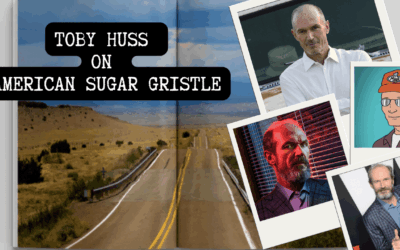
Buy the Book! Get Toby Huss’s American Sugar Gristle Now
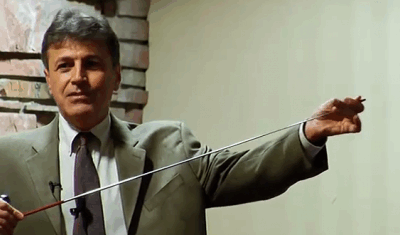
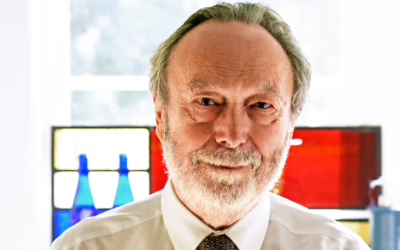
In a captivating podcast episode, acclaimed actor and artist Toby Huss opens up about the profound connections between creativity, trauma processing, and authentic human connection. Best known for his roles in “Halt and Catch Fire” and “King of the Hill,” Huss reveals how his artistic pursuits—particularly his photography book “American Sugargristle”—serve as a form of therapeutic expression and cultural healing.
The Therapeutic Power of Seeing Without Judgment
Huss’s photography project “American Sugargristle” began as a challenge to his own aesthetic biases. After dismissing Palmdale, California as “not photogenic,” he asked himself a transformative question: “Can I change my visual aesthetic to find beauty in places like this?”
This approach mirrors fundamental principles in psychotherapy—particularly the practice of approaching experiences with curiosity rather than judgment. As Huss explains in the podcast, he had to “approach it from a neutral spot” and know that beauty existed even in seemingly unremarkable places.
MDMA Therapy and the Body’s Creative Language
One of the most striking revelations in the conversation is Huss’s experience with therapeutic MDMA sessions over the past six years. He describes how these sessions helped him recognize a connection between a simple squiggly line he’d been unconsciously drawing for 40 years and stored childhood trauma.
“The MDMA therapeutic process was releasing a lot of stored trauma,” Huss shares, explaining how this realization transformed his painting practice. The line that seemed “not legitimate” as art became the foundation for an entire solo exhibition.
This discovery aligns with contemporary somatic therapy approaches, where the body holds and expresses unprocessed experiences. As the podcast host, a licensed social worker, notes: “Intuition and trauma both come from that really subcortical brain stem stuff and we can’t tell them apart.”
Finding Your Medium: A Therapeutic Perspective
The conversation touches on an essential therapeutic concept: finding the right medium for expression. Huss emphasizes the importance of questioning why we choose certain forms of expression: “Is it the right medium if you want to write a play? Maybe a play is the right thing for this.”
The host expands on this from a clinical perspective, describing how they guide clients to “make contact” with their somatic experiences through various creative outlets—whether singing, writing, drawing, or other forms. “You’re going to go on a lot of failed dates,” they explain. “A lot of these are not your medium, but there’s going to be one that you just all of a sudden it’s got to come out that way.”
Alternative Modalities and Cultural Shifts
The discussion highlights the growing acceptance of alternative therapeutic modalities. Both speakers note how conversations about MDMA therapy, brain spotting, and other innovative approaches have become more mainstream. The host describes using brain spotting (a newer form of EMDR) and Emotional Transformation Therapy, which uses colored light frequencies to facilitate healing.
This shift represents a broader cultural movement toward integrating creative and somatic approaches in mental health treatment—moving beyond traditional talk therapy to engage the whole person.
The American Psyche Through an Artist’s Lens
Perhaps most poignantly, Huss’s “American Sugargristle” serves as a meditation on collective trauma and healing. By photographing overlooked American spaces—gas stations, strip malls, anonymous buildings—without cynicism or irony, he creates what he calls “a spiritual bend… this sort of collective idea we all have about what America is.”
His insistence on avoiding condescension (“If there was even one photo that was ironic… it’s all over”) reflects a therapeutic stance of radical acceptance and genuine curiosity about human experience.
Key Takeaways for Mental Health Practitioners and Clients
- Creative expression can reveal unconscious patterns: Huss’s 40-year habit of drawing squiggly lines ultimately connected to childhood experiences through MDMA therapy.
- Changing perspective is therapeutic: The practice of finding beauty in “ugly” places mirrors the therapeutic process of reframing difficult experiences.
- The body holds wisdom: Somatic approaches, whether through MDMA therapy, painting, or other modalities, can access healing that talk therapy alone might miss.
- Authenticity over performance: Huss’s acting philosophy—knowing the character better than anyone—parallels the therapeutic goal of authentic self-knowledge.
- Community and connection transcend differences: The book’s mission to find visual connectivity across divided America speaks to our fundamental need for human connection.
Watch the Full Conversation
This excerpt only scratches the surface of this rich conversation about art, trauma, and the American experience. The full podcast episode delves deeper into Huss’s creative process, his approach to acting iconic characters, and the intersection of performance and authenticity.
Watch the complete interview on YouTube or listen on your favorite podcast platform to explore how creativity and therapy intertwine in unexpected ways.
About the Podcast: Our psychotherapy podcast explores consciousness, creativity, and healing through conversations with artists, thinkers, and innovators who bridge the worlds of art and mental health.













0 Comments