
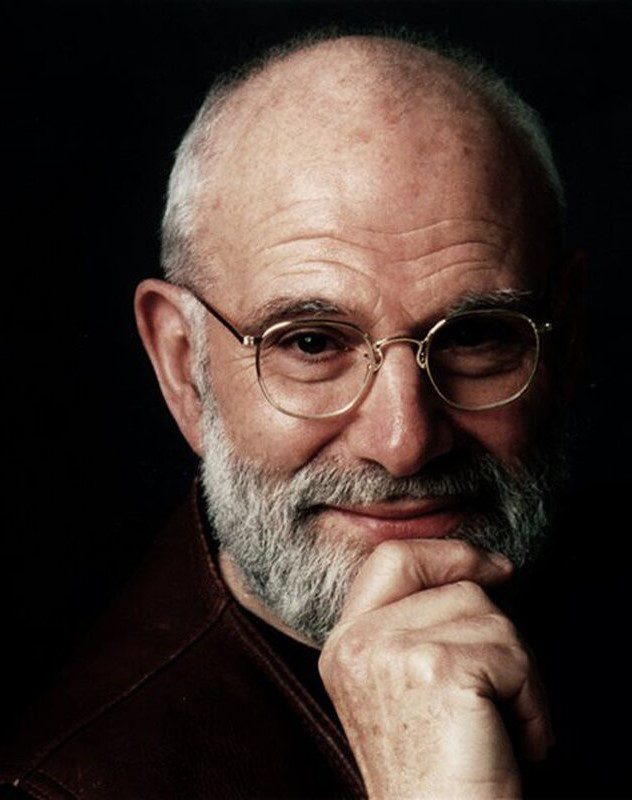
James F. T. Bugental (1915-2008) was a pioneering American psychotherapist and a key figure in the development of existential-humanistic psychology. Over a career spanning more than 50 years, Bugental made significant contributions to the theory and practice of psychotherapy, with a particular focus on the transformative power of authentic presence and the exploration of “life-changing moments” in the therapeutic encounter. This essay provides an overview of Bugental’s key ideas and their enduring influence on the field of psychotherapy.
Biographical Sketch
Bugental was born in 1915 in Fort Wayne, Indiana. He received his Ph.D. in psychology from Ohio State University in 1948 and began his career as a clinical psychologist and professor. In the 1950s, Bugental became increasingly interested in the existential and humanistic approaches to psychotherapy, which emphasized the uniqueness of each individual, the importance of subjective experience, and the capacity for self-determination.
Bugental was a founding member of the Association for Humanistic Psychology (AHP) and served as its president in 1962. He was also a key figure in the development of the existential-humanistic approach to psychotherapy, which integrates insights from existential philosophy with the emphasis on growth, creativity, and self-actualization found in humanistic psychology.
Throughout his career, Bugental maintained a private psychotherapy practice in the San Francisco Bay Area while also teaching at institutions such as Stanford University and the California School of Professional Psychology. He authored several influential books, including “The Search for Authenticity” (1965), “Psychotherapy and Process” (1978), and “The Art of the Psychotherapist” (1987). Bugental continued to write, teach, and practice psychotherapy well into his 80s, leaving a lasting legacy in the field.
Key Ideas and Contributions
Authentic Presence
Central to Bugental’s approach to psychotherapy was the concept of authentic presence – the therapist’s willingness to be fully and genuinely engaged with the client in the here-and-now of the therapeutic encounter. For Bugental, authentic presence involved more than just empathy or active listening; it required the therapist to bring his or her whole self into the relationship, to be open to the full range of human experience, and to meet the client in a spirit of honesty, courage, and vulnerability.
Bugental argued that authentic presence was the foundation of effective psychotherapy, regardless of the specific techniques or theoretical orientation used. By modeling authenticity and inviting the client to do the same, the therapist creates a space for deep exploration, self-discovery, and transformation. Bugental emphasized that this kind of presence requires ongoing self-awareness and personal growth on the part of the therapist, as well as a willingness to take risks and tolerate uncertainty in the therapeutic process.
Life-Changing Moments
Another key theme in Bugental’s work was the significance of “life-changing moments” in psychotherapy – those pivotal instances of insight, catharsis, or interpersonal connection that have the power to radically shift a person’s self-understanding and way of being in the world. Bugental saw these moments as the heart of the therapeutic process, the times when clients come into direct contact with their deepest truths and most authentic possibilities.
In his writings, Bugental explored the factors that contribute to the emergence of life-changing moments, such as the therapist’s authentic presence, the client’s readiness for change, and the synergistic “fit” between therapist and client. He also emphasized the importance of therapists being attuned to these moments when they arise and having the skill and courage to facilitate their unfolding.
For Bugental, life-changing moments were not just significant events within therapy; they were also opportunities for clients to practice a new way of engaging with themselves and the world. By learning to recognize and embrace these moments of intensity, clarity, and choice, clients could develop the capacity for ongoing self-awareness, self-acceptance, and self-directed growth.
The Search for Authenticity
Undergirding Bugental’s emphasis on presence and life-changing moments was a deep concern with the human struggle for authenticity – the lifelong task of discovering and expressing one’s true self in the face of both internal and external obstacles. Drawing on existential themes, Bugental saw authenticity as an ongoing, moment-to-moment choice to be present to oneself and others, to take responsibility for one’s life, and to live with integrity and purpose.
In his book “The Search for Authenticity,” Bugental explored the various ways that people flee from authenticity into self-deception, conformity, and bad faith. He also described the rewards of the authentic life, including a sense of vitality, creativity, and connection to self and others. For Bugental, the therapist’s role was to support clients in their search for authenticity, to challenge their self-limiting patterns and beliefs, and to encourage them to embrace the risks and possibilities of a more genuine way of being.
The Art of the Psychotherapist
In addition to his theoretical contributions, Bugental was also deeply interested in the personal qualities and skills that make for effective psychotherapy. In his book “The Art of the Psychotherapist,” he explored the therapist’s role as a catalyst for change and growth, emphasizing the importance of self-awareness, creativity, intuition, and the capacity to work with the subtleties of the therapeutic relationship.
Bugental saw psychotherapy as a vocation that requires a unique blend of human qualities, including empathy, courage, humility, and a deep respect for the client’s autonomy and potential. He also emphasized the therapist’s ongoing commitment to personal growth and self-exploration, arguing that the depth and integrity of the therapist’s own self-work is a key factor in his or her effectiveness with clients.
Throughout his writings on the art of psychotherapy, Bugental returned to the theme of presence as the foundation of therapeutic skill. For Bugental, the therapist’s capacity to be fully present – to attend to the moment-to-moment unfolding of the client’s experience with openness, flexibility, and depth – was the sine qua non of the healing relationship.
Influence and Legacy
Bugental’s ideas have had a significant impact on the field of psychotherapy, particularly within the existential-humanistic tradition. His emphasis on authentic presence, life-changing moments, and the search for authenticity has influenced generations of therapists and continues to inform contemporary approaches to existential, humanistic, and experiential psychotherapy.
Bugental’s work has also contributed to the ongoing dialogue between psychotherapy and existential philosophy, deepening our understanding of how themes such as freedom, responsibility, and the quest for meaning play out in the context of the therapeutic relationship. His writings on the art of psychotherapy have encouraged therapists to cultivate the personal qualities and skills necessary for deep, transformative work with clients.
Today, Bugental’s legacy lives on through the many therapists, students, and readers who have been touched by his wisdom, humanity, and commitment to the transformative power of authentic human presence. His work reminds us that, at its heart, psychotherapy is a profoundly human encounter – a space where two people come together in the spirit of honesty, courage, and hope, to explore the depths of the psyche and the possibilities of a more authentic, fulfilling life.
As the field of psychotherapy continues to evolve and diversify, Bugental’s core insights about the centrality of presence, the significance of life-changing moments, and the lifelong search for authenticity remain as relevant and vital as ever. His work invites us to embrace the challenges and rewards of the therapeutic vocation with creativity, integrity, and an unwavering commitment to the growth and well-being of those we serve.
James Bugental’s contributions to the theory and practice of existential-humanistic psychotherapy have left an indelible mark on the field. His emphasis on authentic presence, life-changing moments, and the search for authenticity has deepened our understanding of the transformative potential of the therapeutic encounter and the personal qualities and skills necessary for effective psychotherapy.
Bugental’s legacy reminds us that, at its best, psychotherapy is a deeply human endeavor – a space where therapist and client come together in a spirit of honesty, courage, and presence to explore the depths of the psyche and the possibilities of a more authentic, fulfilling life. As we navigate the challenges and opportunities of the 21st century, Bugental’s wisdom and humanity continue to light the way, inviting us to embrace the transformative power of authentic presence and to support our clients in their lifelong search for meaning, purpose, and self-realization.
In a world that often feels fragmented, frenetic, and superficial, Bugental’s work calls us back to the essential – the lived experience of the present moment, the depth of human connection, and the ongoing struggle to live with integrity and purpose. May his insights and example continue to inspire and guide us as we strive to create a more authentic, compassionate, and life-affirming world.














0 Comments