
Metamodernism, Post-Spirituality, and Depth Psychology: Navigating Trauma in the Contemporary Era
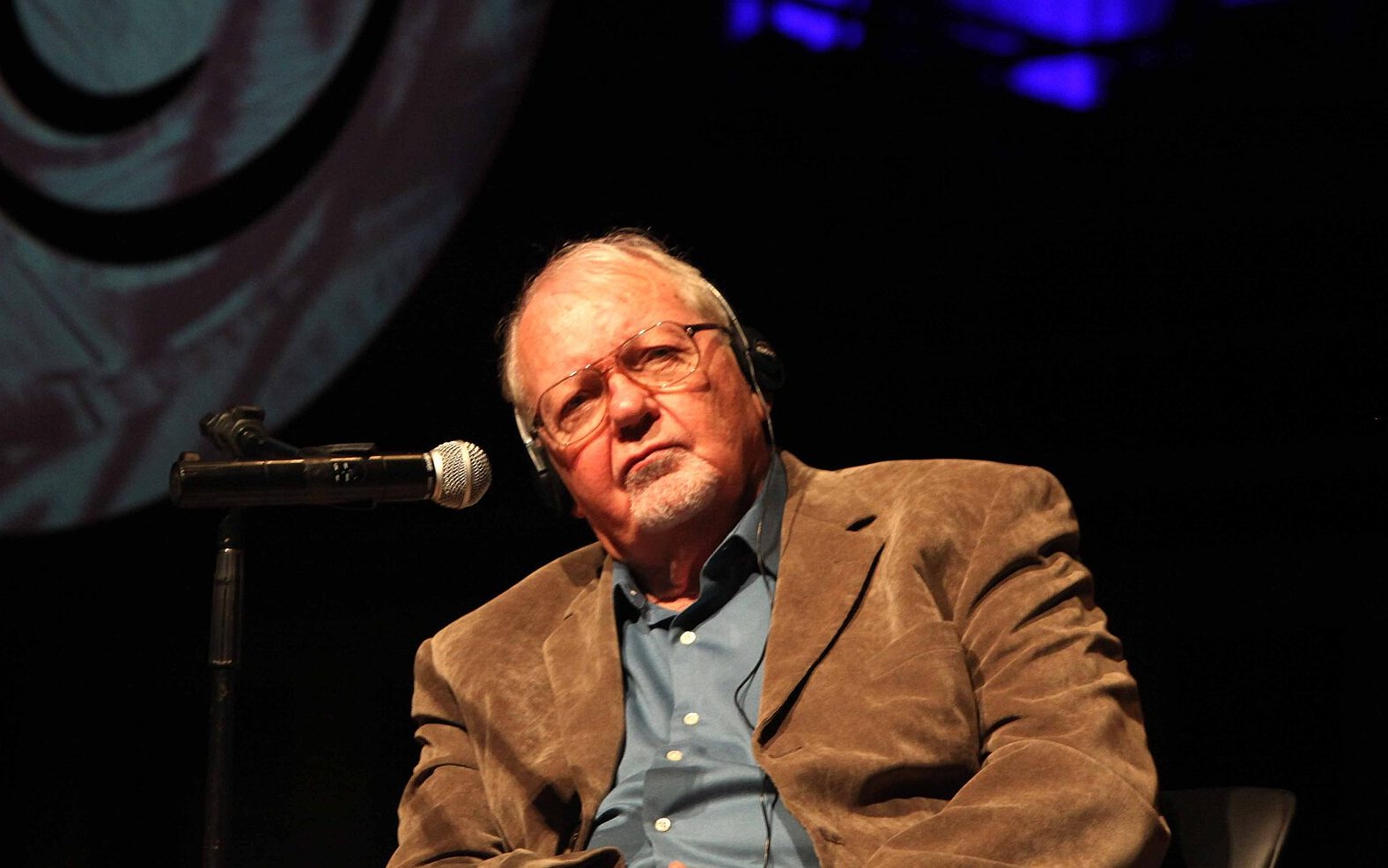
In our increasingly complex and fragmented world, the need for frameworks to understand the psyche, culture, and the spiritual dimensions of human existence has never been greater. Two thinkers who offer profound insights into these realms are cultural theorist Fredric Jameson and depth psychologist Carl Jung. By tracing the evolution of culture through the stages of modernism, postmodernism, and metamodernism, and exploring the role of spirituality and the “transcendent function,” Jameson and Jung provide us with valuable tools for conceptualizing trauma and approaching the practice of psychotherapy in the contemporary era.
The Cultural Logic of Modernism, Postmodernism, and Metamodernism
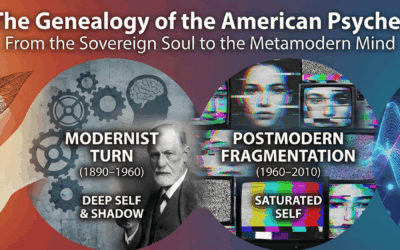
In his seminal work “Postmodernism, or, The Cultural Logic of Late Capitalism,” Fredric Jameson mapped the shifting terrain of culture in the 20th century. He argued that modernism, with its emphasis on experimentation, originality, and the belief in progress, had given way to postmodernism, characterized by pastiche, irony, and a blurring of high and low culture.
Postmodernism, for Jameson, was not merely an aesthetic style, but a reflection of the social and economic conditions of late capitalism. The fragmentation and depthlessness of postmodern culture mirrored the decentralization and globalization of post-industrial society. However, Jameson also recognized the potential for resistance and critique within postmodernism, through strategies like “cognitive mapping” that seek to situate the individual within the vast networks of global capital.
In recent years, a new cultural paradigm has emerged that both builds upon and departs from the postmodern: metamodernism. Theorists like Timotheus Vermeulen and Robin van den Akker describe metamodernism as an oscillation between the modern and the postmodern, between sincerity and irony, hope and melancholy, naivete and knowingness. Metamodernism seeks a return to depth and affect while retaining postmodernism’s skepticism and self-reflexivity.
The Role of Spirituality in a Post-Secular Age
This shift towards metamodernism has coincided with what some have called the “post-secular turn” – a renewed interest in spirituality and religion, albeit in new, hybridized forms. The rigid secularism of modernity has given way to a more fluid and pluralistic approach to the sacred, one that draws from multiple traditions and emphasizes direct experience over dogma.
Here, Jung’s concept of the “transcendent function” becomes particularly relevant. For Jung, the transcendent function was the psyche’s innate capacity to reconcile opposites and achieve a higher level of integration. It is the mechanism by which we access the symbolic, archetypal dimensions of the unconscious and weave them into a coherent narrative of selfhood.
In a post-secular age, the transcendent function takes on a new significance as a way of navigating the complexities of spiritual identity and experience. It allows us to engage with the numinous dimensions of existence without losing our critical faculties or succumbing to literalism. It helps us to forge a middle path between the extremes of religious fundamentalism and reductive materialism.
Trauma in the Metamodern Era
This brings us to the question of trauma – a central concern for both contemporary culture and depth psychology. In many ways, the fragmentation and dislocation of postmodern life can be seen as a collective traumatic response to the upheavals of modernity. The loss of stable identities, communities, and meaning structures has left many individuals adrift in a sea of uncertainty and angst.
Metamodernism, with its emphasis on affect, empathy, and intersubjectivity, offers a potential way through this impasse. By fostering a renewed sense of connection and shared purpose, metamodern sensibilities can help to heal the wounds of postmodern alienation. However, this process is not without its own dangers and challenges.
As Jameson notes, the very technologies and networks that define postmodern culture can also be vectors of trauma, as in the phenomenon of “cybertrauma” – the psychic shock of exposure to violent or disturbing content online. Moreover, the metamodern turn towards sincerity and affect can sometimes manifest as a kind of “trauma kitsch” – a superficial or sentimental engagement with suffering that fails to reckon with its true depth and complexity.
Depth Psychology and the Healing of Trauma
This is where the insights of depth psychology become indispensable. By attending to the symbolic, archetypal dimensions of trauma, and working to integrate them into a meaningful narrative, depth-oriented therapies can facilitate genuine healing and transformation.
Central to this process is the cultivation of what Jung called the “transcendent function” – the psyche’s innate capacity to reconcile opposites and forge new, more integrated modes of being. In the context of trauma, this often involves holding space for the full spectrum of emotions and experiences, without judgment or agenda. It means helping individuals to develop a relationship with their own inner world that is characterized by curiosity, compassion, and acceptance.
At the same time, a depth psychological approach recognizes that trauma is not just an individual phenomenon, but is always embedded within larger cultural, historical, and archetypal contexts. Effective treatment must therefore attend to these collective dimensions, helping individuals to situate their personal experiences within the broader web of human meaning and mythos.
Jameson’s Legacy for Psychotherapy
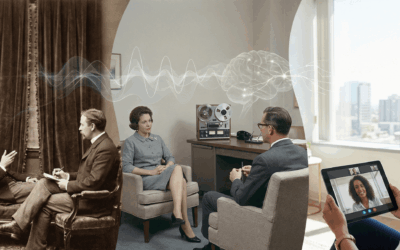
In conclusion, the ideas of thinkers like Fredric Jameson and Carl Jung offer valuable resources for understanding the complex interplay of culture, spirituality, and trauma in the contemporary world. By tracing the evolution of cultural logics from modernism through postmodernism to metamodernism, and exploring the changing role of spirituality in a post-secular age, they provide a rich context for the work of depth psychotherapy.
Ultimately, the goal of this work is not simply the reduction of symptoms or the restoration of prior functioning, but a profound transformation of consciousness. It is about helping individuals to engage more fully and authentically with the whole of their being – to integrate the shattered fragments of self into a more coherent and resilient narrative.
In this sense, depth psychology can be seen as a vital metamodern praxis – a way of bridging the gaps between inner and outer, personal and collective, modern and postmodern. By holding space for the full complexity of human experience, in all its joy and sorrow, its darkness and light, it invites us into an ever-deeper encounter with the real. And it is here, in the crucible of this encounter, that genuine healing and wholeness can emerge.
Key Points
- Fredric Jameson’s analysis of modernism, postmodernism, and the “cultural logic of late capitalism” provides a framework for understanding the evolution of contemporary culture.
- Metamodernism has emerged as a new cultural paradigm that seeks to reconcile the opposites of modernism and postmodernism, emphasizing affect, depth, and oscillation.
- The “post-secular turn” marks a renewed interest in spirituality and religion, albeit in hybridized, experiential forms.
- Carl Jung’s concept of the “transcendent function” offers a model for integrating opposites and accessing the symbolic dimensions of the psyche, which is crucial in navigating post-secular spirituality.
- Trauma is a central concern for contemporary culture, and can be seen as a response to the fragmentation and dislocation of postmodern life.
- Depth psychology offers a framework for healing trauma by attending to its symbolic, archetypal dimensions and situating personal experiences within larger collective contexts.
- The goal of depth psychotherapy is a transformation of consciousness, helping individuals integrate the fragments of self into a more coherent narrative.
- As a metamodern praxis, depth psychology bridges the gaps between inner and outer, personal and collective, inviting a deeper encounter with the real.
Metamodernism and Post Secularism
Navigating the Future of Meta Modern Therapy
Bibliography
- Jameson, Fredric. Postmodernism, or, The Cultural Logic of Late Capitalism. Duke University Press, 1991.
- Jung, C.G. The Transcendent Function. In The Collected Works of C.G. Jung, Vol. 8. Princeton University Press, 1972.
- Vermeulen, Timotheus, and Robin van den Akker. “Notes on Metamodernism.” Journal of Aesthetics & Culture, vol. 2, no. 1, 2010.
- Habermas, Jürgen. “Notes on a Post-Secular Society.” New Perspectives Quarterly, vol. 25, no. 4, 2008, pp. 17-29.
- Hunt, Harry T. “The Secular, the Sacred, and the Recursive: Jung’s Dialectical Developmental Psychology and Its Implications.” Behavioral Sciences, vol. 9, no. 10, 2019.
- Roesler, Christian. “Evidence for the Effectiveness of Jungian Psychotherapy: A Review of Empirical Studies.” Behavioral Sciences, vol. 3, no. 4, 2013, pp. 562-575.
- Stein, Murray. “Individuation.” The Handbook of Jungian Psychology: Theory, Practice and Applications, edited by Renos K. Papadopoulos, Routledge, 2006, pp. 196-214.









0 Comments