
A Comprehensive Guide to Supplements and Herbs
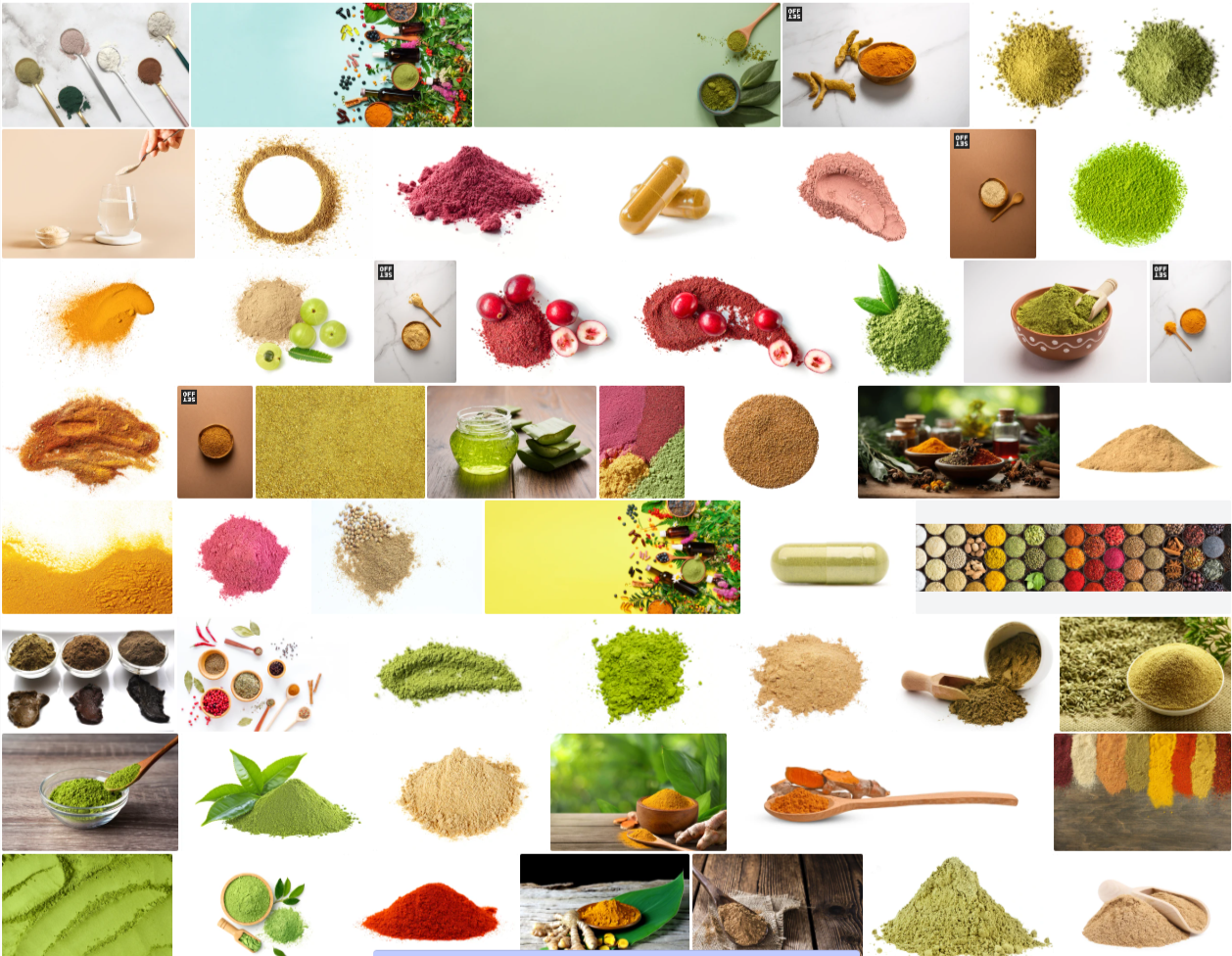
Anxiety disorders are among the most common mental health conditions worldwide, affecting approximately 40 million adults in the United States alone. While conventional treatments like cognitive-behavioral therapy and medication remain the foundation of care, many individuals seek complementary approaches to manage their symptoms. This comprehensive guide explores the evidence behind various natural supplements and herbs for anxiety disorders, providing insights into their potential benefits, mechanisms of action, and important considerations for use.
Understanding Anxiety Disorders
Anxiety disorders encompass several conditions characterized by excessive worry, fear, and related behavioral disturbances that interfere with daily functioning. These include:
- Generalized Anxiety Disorder (GAD)
- Panic Disorder
- Social Anxiety Disorder
- Specific Phobias
- Agoraphobia
While occasional anxiety is a normal part of life, anxiety disorders involve persistent, excessive worry that can worsen over time if left untreated. Physical symptoms often accompany psychological distress, including restlessness, muscle tension, fatigue, difficulty concentrating, irritability, and sleep disturbances.
The pathophysiology of anxiety disorders involves complex interactions between genetic factors, neurotransmitter imbalances, environmental stressors, and psychological processes. Several neurotransmitter systems have been implicated, particularly GABA, serotonin, norepinephrine, and glutamate. These systems represent potential targets for both conventional medications and natural interventions.
Evidence-Based Herbal Remedies for Anxiety
Several herbal supplements have shown promise in reducing anxiety symptoms through various mechanisms. The following herbs have been studied in clinical trials with encouraging results.
Kava (Piper methysticum)
Kava is one of the most researched herbal supplements for anxiety, with multiple randomized controlled trials supporting its efficacy. The active compounds in kava, called kavalactones, appear to work by enhancing GABA activity in the brain, similar to conventional anti-anxiety medications like benzodiazepines, but potentially with fewer side effects.
A systematic review found “strong evidence exists for the use of herbal supplements containing extracts of kava” for treating anxiety symptoms and disorders. Numerous studies demonstrate kava’s efficacy for generalized anxiety disorder, with some showing effects comparable to prescription medications.
However, kava has been associated with rare cases of liver toxicity, leading to restrictions in some countries. Those considering kava should consult healthcare providers, choose high-quality products free of stem and leaf material (which may contain toxic compounds), and avoid combining it with alcohol or other medications that affect the liver.
Passionflower (Passiflora incarnata)
Passionflower has a long history of use for anxiety and insomnia. Like kava, it appears to work by modulating GABA activity in the brain, producing calming effects without significant sedation.
Systematic reviews have found “strong evidence exists for the use of herbal supplements containing extracts of passionflower” for treating anxiety symptoms and disorders. Several clinical trials have demonstrated beneficial effects of passionflower for generalized anxiety, pre-surgical anxiety, and anxiety associated with opiate withdrawal.
In one study, passionflower was compared to oxazepam (a benzodiazepine medication) for generalized anxiety disorder. While both treatments reduced anxiety symptoms, passionflower caused less impairment in job performance compared to the medication. Passionflower is generally well-tolerated, with fewer side effects reported compared to pharmaceutical options.
Lavender (Lavandula angustifolia)
Lavender, particularly in the form of a standardized oral preparation called Silexan, has shown impressive results in treating anxiety disorders. Rather than enhancing GABA activity, lavender appears to modulate voltage-dependent calcium channels and the 5-HT1A serotonin receptor.
A network meta-analysis demonstrated that “Silexan displayed a significant effect on anxiety” compared to placebo treatments. Multiple randomized controlled trials have shown lavender oil to be effective for generalized anxiety disorder, with efficacy comparable to benzodiazepines and fewer side effects.
Lavender can be used in various forms, including oral supplements, essential oils for aromatherapy, and teas. The strongest evidence supports the use of standardized oral preparations, but aromatherapy with lavender essential oil may also provide short-term anxiety relief in specific situations.
Lemon Balm (Melissa officinalis)
Lemon balm is another medicinal herb traditionally used for anxiety, stress, and sleep disorders. Its mechanisms of action include modulation of GABA, inhibition of the enzyme that breaks down GABA, and effects on cholinergic activity.
Research suggests that “supplements containing 1,000–1,500 mg of lemon balm may help ease symptoms of anxiety.” Studies have demonstrated benefits for reducing laboratory-induced stress and improving mood and cognitive performance.
Lemon balm is generally safe and well-tolerated, making it a good option for mild anxiety and stress. It can be consumed as a tea, tincture, or in capsule form, and may be particularly helpful for anxiety that’s accompanied by digestive complaints, as it also has antispasmodic properties for the digestive system.
Ashwagandha (Withania somnifera)
Ashwagandha is an adaptogenic herb with a long history of use in Ayurvedic medicine for stress and anxiety. As an adaptogen, it helps the body resist various stressors and restore balance.
Research has shown that “healthy adults taking 600 mg of ashwagandha daily for 8 weeks had significantly reduced cortisol (stress hormone) levels, perceived stress scores, and reduced anxiety levels” compared to those taking placebo. Multiple clinical trials support its use for stress reduction and anxiety management.
Ashwagandha appears to work through multiple mechanisms, including modulation of stress hormones, anti-inflammatory effects, antioxidant properties, and GABA-mimetic activity. It’s particularly beneficial for anxiety accompanied by fatigue, as it supports adrenal function and energy levels.
Chamomile (Matricaria recutita)
Chamomile has been used traditionally as a gentle calming herb for centuries. Modern research has begun to validate its anxiolytic effects, particularly for generalized anxiety disorder.
A long-term clinical trial investigated chamomile for generalized anxiety disorder and found that it helped prevent relapse of symptoms. The study noted that when relapse did occur in patients taking chamomile, “the symptoms were less severe” compared to those taking placebo.
Chamomile contains flavonoids such as apigenin, which bind to benzodiazepine receptors in the brain, potentially explaining its anxiety-reducing effects. It’s generally very safe, though allergic reactions are possible, particularly in individuals with allergies to related plants in the daisy family.
L-theanine and Green Tea
L-theanine is an amino acid found primarily in green tea leaves. It promotes relaxation without causing drowsiness, making it useful for daytime anxiety management.
Research indicates that L-theanine works through “enhanced alpha brain wave activity and an increased synthesis of GABA,” resulting in “general feelings of wellness and calmness.” Clinical studies have shown L-theanine can reduce psychological and physiological responses to stress and improve attention in high-anxiety individuals.
L-theanine can be consumed by drinking green tea (L-theanine and EGCG from green tea), with about 25-50 mg per cup, or through supplements that provide higher doses (usually 100-200 mg per serving). It’s generally very safe, even at high doses, with no significant side effects reported.
Amino Acids and Peptides for Anxiety Relief
Certain amino acids and their derivatives play important roles in neurotransmitter function and may help reduce anxiety symptoms when supplemented.
L-lysine and L-arginine
Systematic reviews have found “strong evidence exists for the use of combinations of L-lysine and L-arginine as treatments for anxiety symptoms and disorders.” These amino acids appear to affect neurotransmitter function and reduce cortisol levels during stress.
One week of supplementation with L-lysine and L-arginine was found to reduce anxiety symptoms and blunt the rise in stress hormones during a laboratory stress test. These amino acids are generally safe and also serve important roles in other bodily functions, including immune support and cardiovascular health.
GABA (Gamma-Aminobutyric Acid)
GABA is the main inhibitory neurotransmitter in the brain, responsible for reducing neuronal excitability. Low GABA levels or impaired GABA function has been linked to anxiety disorders.
While oral GABA supplements are available, there’s debate about whether GABA taken orally can cross the blood-brain barrier efficiently. Some research suggests that certain forms or combinations may be more effective than others. Despite the theoretical challenges, some individuals report benefits from GABA supplements for anxiety and stress.
5-HTP (5-Hydroxytryptophan)
5-HTP is a precursor to serotonin, a neurotransmitter involved in mood regulation and anxiety. Supplementing with 5-HTP may increase serotonin levels in the brain, potentially helping with anxiety and depression symptoms.
Some studies have shown benefits of 5-HTP for anxiety disorders, though more research is needed. It’s important to note that 5-HTP should not be combined with medications that affect serotonin, such as SSRIs or SNRIs, due to the risk of serotonin syndrome.
Vitamins and Minerals for Anxiety Support
Nutritional deficiencies can contribute to anxiety symptoms, and correcting these deficiencies through supplementation may help improve mental health.
Magnesium
Research suggests that “magnesium-containing supplements are generally well-tolerated with very few reported side effects” and may be effective for anxiety management. Magnesium plays a key role in regulating neurotransmitters and the stress response.
A study published in PLoS One found that participants who took 248 mg of magnesium daily for six weeks experienced significant improvements in anxiety symptoms. Magnesium helps regulate the body’s stress response and supports healthy brain function.
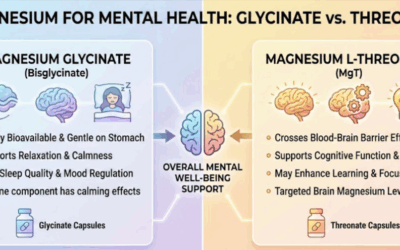
Different forms of magnesium vary in bioavailability and effects. Magnesium glycinate and magnesium threonate are often recommended for anxiety due to their ability to cross the blood-brain barrier and lower risk of digestive side effects compared to other forms.
B Vitamins
The B vitamins play essential roles in brain function and neurotransmitter synthesis. Deficiencies in B vitamins, particularly B6, B9 (folate), and B12, have been linked to increased anxiety and other mood disturbances.
Vitamin B1 (Thiamin), B6, B9 (Folate), and B12 all contribute to proper nervous system function. Supplementation with B vitamins may help reduce anxiety symptoms, particularly in individuals with deficiencies or increased needs due to stress, certain medications, or dietary restrictions.
A B-complex supplement is often recommended rather than single B vitamins, as they work synergistically. However, in cases of specific deficiencies, higher doses of individual B vitamins may be warranted under professional guidance.
Vitamin D
Vitamin D receptors are widespread throughout the brain, suggesting its importance in neurological function. Low vitamin D levels have been associated with increased anxiety and depression.
Vitamin D plays roles in regulating neurotransmitters, reducing inflammation, and supporting immune function, all of which may contribute to its effects on mood and anxiety. Supplementation may be particularly beneficial for individuals with deficiency, which is common, especially in northern climates, during winter months, or in those with limited sun exposure.
Zinc
Zinc is an essential mineral that acts as a cofactor for more than 300 enzymes in the body and plays crucial roles in neurotransmitter systems, particularly GABA and glutamate, which are directly involved in anxiety regulation.
Research has found associations between zinc deficiency and increased anxiety symptoms. Zinc supplementation may help support proper neurotransmitter function and reduce anxiety, particularly in those with deficiency or increased needs.
Omega-3 Fatty Acids and Other Anti-inflammatory Supplements
Inflammation has been implicated in the pathophysiology of various mental health conditions, including anxiety disorders. Supplements with anti-inflammatory properties may help address this underlying mechanism.
Omega-3 Fatty Acids
Omega-3 fatty acids, particularly EPA (eicosapentaenoic acid) and DHA (docosahexaenoic acid), have powerful anti-inflammatory effects and are essential for brain structure and function. Research has found associations between low omega-3 levels and increased anxiety.
Clinical trials have shown that omega-3 supplementation may help reduce anxiety symptoms, potentially through anti-inflammatory effects, regulation of neurotransmitters, and support for the stress response system. The best sources of omega-3s are fish oil supplements or algae-based supplements for vegetarians and vegans.
Curcumin
Curcumin, the active component in turmeric, has potent anti-inflammatory and antioxidant properties. Given the emerging evidence linking inflammation to anxiety disorders, curcumin has gained interest as a potential therapeutic agent.
Preliminary research suggests curcumin may help reduce anxiety symptoms, though more studies specifically on anxiety disorders are needed. Curcumin has poor bioavailability on its own, so supplements often include black pepper extract (piperine) or use specialized delivery systems to enhance absorption.
Adaptogens for Stress Reduction
Adaptogens are a class of herbs that help the body adapt to stress and promote homeostasis. These herbs may be particularly beneficial for anxiety by supporting the body’s stress response systems.
Rhodiola Rosea
Rhodiola is an adaptogenic herb traditionally used to enhance physical and mental performance, reduce fatigue, and manage stress. It appears to work by modulating stress hormones and supporting neurotransmitter balance.
Clinical studies have shown that rhodiola can reduce symptoms of stress and anxiety while improving energy and cognitive function. It may be particularly helpful for anxiety accompanied by fatigue or burnout.
Holy Basil (Tulsi)
Holy basil, also known as tulsi, is an adaptogenic herb with traditional use in Ayurvedic medicine for stress and anxiety. It contains compounds that appear to help normalize cortisol levels and support adrenal function.
Research suggests holy basil may help reduce symptoms of general anxiety and stress-related anxiety. It’s generally well-tolerated and may also provide additional benefits for immune function and metabolic health.
Ginseng
Different varieties of ginseng, including Asian ginseng (Panax ginseng) and American ginseng (Panax quinquefolius), have adaptogenic properties that may help with anxiety and stress management.
Studies suggest that ginsenosides, the active compounds in ginseng, may modulate the stress response, support neurotransmitter function, and provide neuroprotective effects. Different types of ginseng have slightly different properties, with American ginseng generally considered more calming, while Asian ginseng may be more stimulating.
Gut-Brain Axis and Probiotics
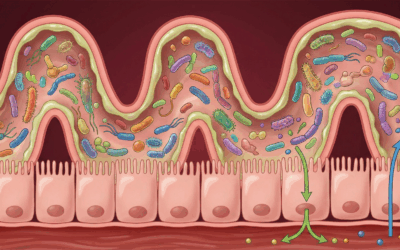
The gut-brain axis refers to the bidirectional communication between the central nervous system and the enteric nervous system, including the role of the gut microbiota. Emerging research suggests that gut health may significantly impact mental health, including anxiety.
Probiotics
Probiotics are live microorganisms that, when administered in adequate amounts, confer health benefits to the host. Certain strains of probiotics appear to influence brain function and mental health through various mechanisms, including neurotransmitter production, immune modulation, and vagal nerve signaling.
Several clinical trials have found that specific probiotic strains or combinations may help reduce anxiety symptoms. The effects appear to be strain-specific, with Lactobacillus and Bifidobacterium species showing the most promise for mental health.
Fermented Foods and Prebiotic Fibers
In addition to probiotic supplements, consuming fermented foods rich in live cultures (such as yogurt, kefir, sauerkraut, and kimchi) may support a healthy gut microbiome and, by extension, mental health.
Prebiotic fibers, which feed beneficial gut bacteria, may also play a role in anxiety management through the gut-brain axis. Foods rich in prebiotic fibers include garlic, onions, leeks, asparagus, bananas, and oats.
Other Promising Supplements for Anxiety
Several other supplements have shown potential for anxiety management through various mechanisms.
N-Acetylcysteine (NAC)
N-acetylcysteine (NAC) is an amino acid derivative that serves as a precursor to glutathione, a powerful antioxidant in the body. NAC also appears to modulate glutamate, a neurotransmitter involved in anxiety.
Clinical trials have shown promising results for NAC in various psychiatric conditions, including anxiety disorders. Its antioxidant properties and effects on glutamate make it a potential therapeutic option for anxiety, particularly when oxidative stress is a contributing factor.
Inositol
Inositol is a naturally occurring compound that plays a role in neurotransmitter signaling within brain cells. It’s particularly involved in the function of serotonin receptors, which are targets of many conventional anti-anxiety medications.
Research has found that inositol supplementation may have modest effects on panic disorder, obsessive-compulsive disorder, and other anxiety conditions. Higher doses (typically 12-18 grams daily) are usually required for therapeutic effects, which can be a practical limitation.
Taurine
Taurine is an amino acid with GABA-like activity that may help reduce anxiety by calming the nervous system. It’s found naturally in some foods, particularly animal products, and is a common ingredient in stress-reducing supplements.
Research on taurine specifically for anxiety is still emerging, but preliminary evidence suggests it may have anxiolytic effects. It’s generally well-tolerated, even at higher doses.
CBD (Cannabidiol)
CBD is a non-psychoactive compound derived from the cannabis plant that has gained significant attention for its potential mental health benefits, including anxiety reduction. Unlike THC, CBD does not produce a “high” and is legal in many jurisdictions when derived from hemp.
Research suggests that “CBD might be beneficial for people with anxiety-related disorders,” though more clinical trials are needed to confirm these results. CBD appears to work through multiple mechanisms, including effects on serotonin receptors, GABA, and endocannabinoid signaling.
Integrative Approaches to Anxiety Management
For optimal results, supplements should be part of a comprehensive approach to anxiety management that may include:
- Evidence-based psychotherapy: Cognitive-behavioral therapy (CBT) and other forms of therapy have strong evidence for anxiety disorders and should typically be considered first-line treatments.
- Mind-body practices: Meditation, yoga, tai chi, and deep breathing exercises can help reduce the physiological manifestations of anxiety and promote relaxation.
- Lifestyle modifications: Regular physical activity, adequate sleep, stress management, reduced caffeine and alcohol intake, and a balanced diet all contribute to better anxiety management.
- Targeted supplementation: Based on individual needs, deficiencies, and symptoms, specific supplements may be added to support overall brain health and potentially enhance the effects of other treatments.
Practical Considerations for Supplement Use
When considering supplements for anxiety, several important factors should be taken into account:
Quality and Standardization
The supplement industry is less regulated than pharmaceuticals, leading to variability in product quality and potency. Choose products from reputable manufacturers that undergo third-party testing for quality, purity, and potency. Look for standardized herbal extracts that contain specified amounts of active compounds.
Dosage and Timing
Effective doses vary widely between supplements and individuals. Start with lower doses and gradually increase as needed and tolerated. Some supplements work better when taken at specific times of day—for example, calming herbs may be most beneficial in the evening, while adaptogens often work best when taken in the morning.
Individual Factors
Consider personal factors such as:
- Current medications and potential interactions
- Existing health conditions that may affect metabolism or safety
- Personal sensitivity to supplements
- Specific anxiety symptoms and triggers
- Genetic factors that may influence response to certain compounds
Professional Guidance
While many supplements can be safely self-administered, consulting with knowledgeable healthcare providers is strongly recommended, especially for:
- Complex health conditions
- Those taking multiple medications
- Severe anxiety that significantly impairs functioning
- Pregnancy or breastfeeding
- Children and adolescents
Functional medicine practitioners, naturopathic doctors, integrative psychiatrists, and clinical herbalists may offer specialized expertise in natural approaches to anxiety management.
Potential Side Effects and Interactions
While natural doesn’t always mean safe, most supplements discussed in this article have favorable safety profiles compared to many pharmaceutical options. However, potential risks include:
- Herb-drug interactions: Many herbs can interact with medications, either reducing their effectiveness or increasing side effects. For example, St. John’s Wort interacts with numerous medications through effects on liver enzymes.
- Individual sensitivities: Some people may experience allergic reactions or unexpected side effects to herbs or supplements that are generally well-tolerated.
- Quality concerns: Contamination, adulteration, or mislabeling can lead to unintended exposure to harmful substances or inconsistent dosing.
- Overreliance on supplements: Using supplements as the sole approach to severe anxiety may delay appropriate treatment and allow symptoms to worsen.
Always discuss supplement use with healthcare providers, especially when taking prescription medications or managing chronic health conditions.
Conclusion
Natural supplements and herbs offer promising complementary approaches for many individuals struggling with anxiety disorders. From adaptogenic herbs that help the body manage stress to specific nutrients that support neurotransmitter function, these natural options target multiple pathways involved in anxiety.
While conventional treatments like psychotherapy and medication remain important options, particularly for severe anxiety, integrating evidence-based natural approaches may enhance outcomes and provide additional tools for comprehensive anxiety management. The growing research in this field continues to expand our understanding of how natural compounds can support mental health and well-being.
For more comprehensive information on specific supplements mentioned in this article, visit the Dictionary of Supplements and Herbs for Mental Health, which provides detailed insights into numerous natural remedies and their potential benefits for psychological wellbeing.
For more information on supplemens for mental health consult our comprehensive guide for micronutrient and supplement therapy and how it can treat specific issues and enhance certain modalities of therapy.
If you’re interested in exploring micronutrient therapy as part of your anxiety treatment plan, Hardy Nutritionals offers a range of products to fit your specific needs. Their Daily Essential Nutrients clinical strength formula provides comprehensive, research-backed dosages in convenient capsule or powder form.
For 15% off in savings, use the offer code “Taproot” at checkout on the Hardy Nutritionals website to receive 15% off your order. @ GetHardy.com
It’s important to remember that while micronutrient therapy can be a powerful tool for managing anxiety, it is not a replacement for professional mental health care. Always consult with a qualified healthcare provider before starting any new supplement regimen, particularly if you have pre-existing health conditions or are taking medications.
Disclaimer: These statements have not been evaluated by the Food and Drug Administration. These products are not intended to diagnose, treat, cure, or prevent any disease. Please consult with a qualified healthcare professional before beginning any supplement regimen, particularly if you are pregnant, nursing, have a medical condition, or are taking medications. The information on this website doesnot constitute medical advice. We recieve a small commision on sales with Hardy Nutritionals through our offer code. Our affiliation does not effect treatment or recomendations made by Taproot authors, therapists or other staff.
Bibliography
- Amsterdam JD, et al. (2020). Putative antidepressant effect of chamomile (Matricaria chamomilla L.) oral extract in subjects with comorbid generalized anxiety disorder and depression. Journal of Affective Disorders, 207:188-194.
- Bloch MH, Hannestad J. (2012). Omega-3 fatty acids for the treatment of depression: systematic review and meta-analysis. Molecular Psychiatry, 17:1272-82.
- Bystritsky A, Kerwin L, Feusner JD. (2008). A pilot study of Rhodiola rosea (Rhodax) for generalized anxiety disorder (GAD). Journal of Alternative and Complementary Medicine, 14(2):175-80.
- Chandrasekhar K, Kapoor J, Anishetty S. (2012). A prospective, randomized double-blind, placebo-controlled study of safety and efficacy of a high-concentration full-spectrum extract of ashwagandha root in reducing stress and anxiety in adults. Indian Journal of Psychological Medicine, 34(3):255-262.
- Dietz C, Mahady GB, Pauli GF, Soejarto DD. (2016). Kakadu plum (Terminalia ferdinandiana) as a sustainable indigenous food resource. Food Reviews International, 32(3):253-271.
- Kaplan BJ, Rucklidge JJ, Romijn A, McLeod K. (2015). The emerging field of nutritional mental health: inflammation, the microbiome, oxidative stress, and mitochondrial function. Clinical Psychological Science, 3(6):964-980.
- Keefe JR, Mao JJ, Soeller I, Li QS, Amsterdam JD. (2016). Short-term open-label chamomile (Matricaria chamomilla L.) therapy of moderate to severe generalized anxiety disorder. Phytomedicine, 23(14):1699-1705.
- Lakhan SE, Vieira KF. (2010). Nutritional and herbal supplements for anxiety and anxiety-related disorders: systematic review. Nutrition Journal, 9:42.
- Lu K, Gray MA, Oliver C, Liley DT, Harrison BJ, Bartholomeusz CF, Phan KL, Nathan PJ. (2004). The acute effects of L-theanine in comparison with alprazolam on anticipatory anxiety in humans. Human Psychopharmacology, 19(7):457-65.
- Sarris J, Panossian A, Schweitzer I, Stough C, Scholey A. (2011). Herbal medicine for depression, anxiety and insomnia: a review of psychopharmacology and clinical evidence. European Neuropsychopharmacology, 21(12):841-860.
- Sarris J, Byrne GJ, Cribb L, et al. (2019). L-theanine in the adjunctive treatment of generalised anxiety disorder: A double-blind, randomised, placebo-controlled trial. Journal of Psychiatric Research, 110:31-37.
- Wang HN, Peng Y, Tan QR, Chen YC, Zhang RG, Qiao YT, Wang HH, Liu L, Kuang F, Wang BR, Zhang ZJ. (2010). Free and Easy Wanderer Plus (FEWP), a polyherbal preparation, ameliorates PTSD-like behavior and cognitive impairments in stressed rats. Progress in Neuro-Psychopharmacology and Biological Psychiatry, 34(8):1348-55.















0 Comments