
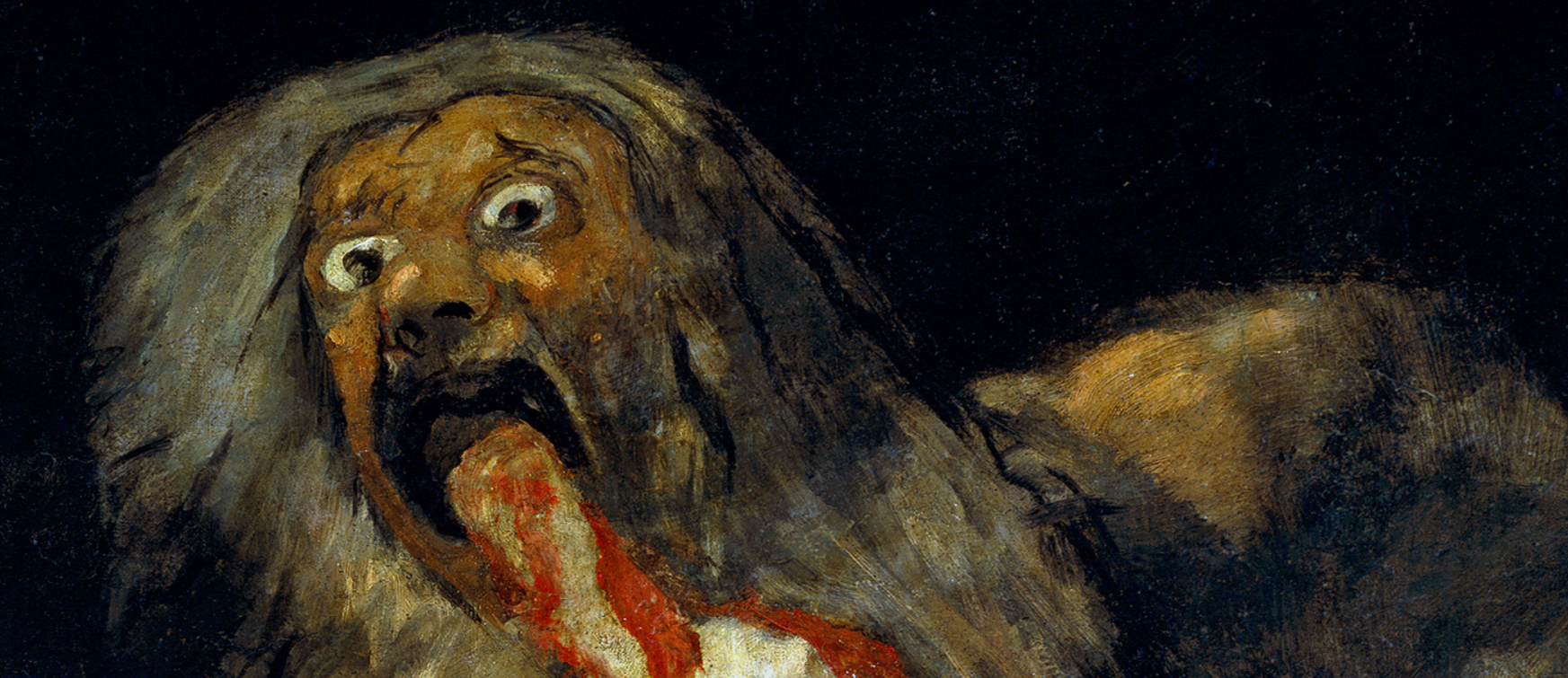
The Absent King: How the Father Wound Creates a Crisis of Authority
In the architecture of the human psyche, the Father Archetype is the pillar of structure, law, and authority. In its healthy form, the Father provides the “container” for the soul’s energy. He initiates the child into the rules of the world, teaches discipline, and bestows a sense of inherent worth that is not dependent on performance. He is the steady hand on the shoulder that says, “You have what it takes. You belong here.”
But for millions, this pillar is cracked, missing, or corroded. The Father Wound is the psychological injury that occurs when a father is physically absent, emotionally unavailable, abusive, or fundamentally weak. This rupture leaves a void where a sense of internal authority should be. Without this internal structure, the adult child is left adrift in a world that feels either terrifyingly chaotic or oppressively demanding. They spend their lives searching for an external authority to validate them, or rebelling against all authority in a desperate bid for autonomy.
The consequences of this wound are not just personal; they are systemic. They manifest in our careers, our leadership styles, and our ability to self-regulate. To heal, we must look beyond the personal father to the archetypal one, and begin the difficult work of self-initiation.
The Archetypal Void: When the King Does Not Bless
To understand the depth of the Father Wound, we must look beyond the personal father to the archetypal one. As explored in our guide to Mature Masculine Archetypes, the “King” archetype represents order, blessing, and generative power. In ancient traditions, it was the father’s role to “bless” the child, to confer upon them the right to exist and to take up space in the world. This is the psychological act of “Coronation.”
When a father fails to do this—through neglect, criticism, or his own unhealed trauma—the child internalizes a profound sense of illegitimacy. They feel like an impostor in their own life. This is not just low self-esteem; it is a fundamental belief that they do not have permission to be powerful, successful, or autonomous. They are, psychologically speaking, uninitiated. They remain stuck in the realm of the “Prince,” waiting for a King who never comes.
This lack of blessing creates a vacuum. Nature abhors a vacuum, and so the psyche attempts to fill it. Unfortunately, without a healthy model, the psyche often defaults to the “Shadow” expressions of the Father archetype: the Tyrant or the Weakling.
Manifestations of the Wound: The Tyrant and The Weakling
The Father Wound rarely manifests in a single way. Often, the psyche splits the un-integrated father energy into two opposing poles, between which the adult child oscillates. This is a classic example of the tension of opposites found in King energy.
1. The Negative Pole: The Tyrant (The Inner Critic)
If the father was critical, demanding, or abusive, the child often internalizes this voice as a ruthless Inner Critic. This manifestation of the Father Wound drives perfectionism, workaholism, and a paralyzing fear of failure. The individual believes their worth is entirely contingent on external achievement.
- The Dynamic: They become their own slave driver, unconsciously trying to finally win the approval of the “Tyrant Father” by out-performing everyone else.
- The Result: No amount of success ever feels like enough, because the wound is not about achievement; it’s about acceptance. High-achieving professionals often suffer from executive burnout because they are running on the fuel of “I am not enough.”
2. The Passive Pole: The Weakling (The “Eternal Boy”)
Conversely, if the father was absent, passive, weak, or swallowed by the mother’s energy, the child may develop what Jung called the Puer Aeternus, or “Eternal Boy” complex.
- The Dynamic: This individual refuses to grow up. They shrink from responsibility, commitment, and discipline. They may be charming and creative, but they lack the “spine” to build a structured life.
- The Result: They are waiting for a “Good Father” to arrive and save them, to give them the direction and structure they never received. They often feel a deep, unspoken shame about their inability to “launch” into adulthood, hiding behind a mask of indifference or rebellion.
The Crisis of Authority in Career and Ambition
Unlike the Mother Wound, the Father Wound plays out most visibly in the realm of work and ambition, which are traditionally associated with the masculine principle of action and structure. We see this in two common patterns of transference:
The Rebel (Rejection of the Father)
This person has a knee-jerk, allergic reaction to any form of authority. Bosses, rules, and institutions are seen as the enemy. They may constantly quit jobs, start conflicts with managers, or sabotage their own success right before a major achievement.
This is an unconscious reenactment of the battle against the “Tyrant Father.” They are proving that “no one can control me,” but in doing so, they fail to build anything lasting for themselves. They confuse rebellion (which is reactive) with autonomy (which is active).
The Compliance Seeker (Search for the Father)
This person is terrified of their own authority and seeks a “surrogate father” in their boss or mentor. They are the quintessential “good employee,” desperate for validation and terrified of making a mistake. They have no internal compass, so they rely entirely on external rules.
They may stay in dead-end jobs for years because leaving feels like a betrayal of the “father figure” they have projected onto their employer. They are paralyzed by the need for permission.
Somatic Healing: Finding the Father in the Body
Because the Father Wound is pre-verbal and deeply rooted in the nervous system’s sense of safety and structure, talk therapy alone is often insufficient. We must engage the body. In Somatic Therapy, we understand that the Father Wound often lives in the body as a lack of “grounding” or “containment.”
The body might feel unmoored, floating, or easily overwhelmed (lack of structure), or it might feel rigid, armored, and tense (over-structure to compensate for the void). Healing involves helping the client find an internal sense of spine and ground. This is the work that Robin Taylor, LICSW-S specializes in—helping clients build an internal “Good Father” that is somatic, not just conceptual.
Somatic Practices for the Father Wound:
- Structural Integration: Working with posture to find a sense of upright dignity without rigidity. Feeling the spine as a source of internal support. When we stand tall without collapsing, we signal to the nervous system that we can hold ourselves.
- Grounding and Resistance: Exercises that involve pushing against a wall or the floor to feel one’s own strength and boundaries. This helps the nervous system register that it has the power to assert itself. It moves the body out of “passive collapse” and into “active agency.”
- Voice Work: Finding the “lower register” of the voice, which is often associated with authority. Many people with a Father Wound speak from their throat or head, fearing the power of their own gut voice. Reclaiming the deep voice is an act of reclaiming the King.
The Path to Initiation
Healing the Father Wound is essentially a process of self-initiation. It is the journey from being a subject of an external authority to becoming the sovereign of one’s own life. This requires grieving the father you didn’t have, withdrawing projections from bosses and institutions, and slowly, patiently building an internal structure that can hold your own power.
It is not about becoming a “tough guy” or a tyrant yourself. It is about accessing the healthy masculine energy of clarity, decisiveness, responsibility, and protection—an energy that is available to people of all genders. When we heal the Father Wound, we stop waiting for permission to live our lives. We give it to ourselves.
If you are ready to stop rebelling against or seeking external authority and start building your own, we invite you to explore this work deeper. Schedule a consultation with Robin Taylor to begin the work of Somatic Therapy for the Father Wound.






0 Comments