
Several medical conditions can cause or worsen psychiatric symptoms: thyroid disease, vitamin B12 deficiency, delirium from an infection, autoimmune encephalitis, Wilson disease, neurosyphilis, and medications such as corticosteroids. A medical workup matters most when symptoms are new, come on suddenly, start at an unusual age, or arrive with confusion, seizures or other neurological signs. Targeted testing helps. Testing everyone for everything does not.
The argument of this page is simple. The search for a hidden medical cause of mental illness has a real and honorable history, and its successes came from following specific clues to a specific disease. Claims that testing for chronic infections, toxins or gene variants will put bipolar disorder, schizophrenia or autism into remission borrow the credibility of those successes without meeting their standard of evidence.
Three real precedents: pellagra, paresis and Brain on Fire
Alabama has its own chapter in this story. In 1906 George H. Searcy recognized pellagra among patients at the Mount Vernon hospital, an annex of Alabama’s Bryce Hospital for the insane, and in 1907 he reported 88 cases with a mortality rate of 64 percent.1 Pellagra was known by its “three Ds” of dermatitis, diarrhea and dementia, with death as the fourth. It spread through Southern mental hospitals, and by 1909 it had passed tuberculosis as the most frequent cause of death at the Georgia State Asylum in Milledgeville. Joseph Goldberger of the U.S. Public Health Service confirmed Searcy’s observation that staff in close daily contact with the patients never caught it, dismissed the idea that it was contagious, and traced it to the diet of the poor. The missing nutrient was later identified as nicotinic acid, or niacin. The historian Alfred Bollet puts the American toll at more than 3 million cases and about 100,000 deaths.1 Some of the “insanity” in those wards was a vitamin deficiency.
General paresis was another great asylum disease. In 1913 Hideyo Noguchi of the Rockefeller Institute and J. W. Moore of New York’s Central Islip State Hospital reported finding the syphilis organism, Treponema pallidum, in 12 of 70 brains from paretic patients at that hospital. Their paper notes that some authorities still disputed that syphilis caused paresis.2 In 1927 the Austrian psychiatrist Julius Wagner-Jauregg received the Nobel Prize in Physiology or Medicine “for his discovery of the therapeutic value of malaria inoculation in the treatment of dementia paralytica,” a fever treatment no one would use today.3
The modern version is anti-NMDA receptor encephalitis, in which antibodies attack a receptor for the neurotransmitter glutamate. In a 2008 series of 100 patients, Josep Dalmau and colleagues found that every patient presented with psychiatric symptoms or memory problems, but most went on to develop neurological signs: 76 had seizures, 88 had decreased consciousness, 86 developed abnormal movements, and 59 percent of those screened had a tumor, most often an ovarian teratoma.4 In a later cohort of 577 patients, most responded to immunotherapy or tumor removal, early treatment predicted better outcomes, and 81 percent of those followed for two years had a good outcome.5 Susannah Cahalan’s 2012 memoir Brain on Fire: My Month of Madness made the illness famous.6
Each was one disease with a specific cause and, eventually, a specific test, and each announced itself with more than psychiatric symptoms: the rash and diarrhea of pellagra, the neurological decline of paresis, the seizures and movement problems of encephalitis. That is the standard a “hidden cause” should have to meet. For how the study of mind and brain drifted apart and reconnected, see our essay on how psychology lost the source of consciousness and neuroscience found it again.
How often a medical illness is the real cause
Less often than the hidden-cause literature implies, and more often than a rushed intake assumes. In a 1978 study, Richard Hall and colleagues gave 658 consecutive psychiatric outpatients a careful medical and laboratory evaluation and found a medical disorder producing the psychiatric symptoms in 9.1 percent of them. The usual presentations were depression, confusion, anxiety, and speech or memory problems; the causes, in order of frequency, were infectious, pulmonary, thyroid, diabetic, blood, liver and central nervous system diseases, and 46 percent of these patients had an illness that neither they nor their doctor knew about. The authors treated visual hallucinations as a sign of medical illness until proved otherwise.7
The exotic causes are rarer. When Belinda Lennox’s team tested 228 young people with first-episode psychosis in England for antibodies against neuronal surface proteins, 9 percent had at least one, against 4 percent of healthy controls, a difference that was not statistically significant. Seven patients, about 3 percent, had NMDA receptor antibodies, against no controls, and they looked clinically no different from the others. Because these patients could not be picked out by their symptoms, the authors concluded that the only way to find them is to screen everyone with first-episode psychosis at first presentation.8 That is a case for one targeted test in one high-risk group, not for broad panels in everyone with a psychiatric diagnosis.
It is also not true that psychiatry ignores causes. The DSM-5 has categories for substance- and medication-induced disorders and for mental disorders due to another medical condition, and published clinical frameworks walk clinicians through ruling them out.9 The problem is uneven practice. Part of it is structural: visits are short, and every diagnosis has to be translated into a code in the ICD coding system that insurance billing depends on, which can reward a named diagnosis more than an open question.
The larger medical failure runs the other way. People with a psychiatric diagnosis tend to get worse physical health care, partly because new physical complaints are put down to their mental illness, a pattern known as diagnostic overshadowing.10 A 2015 meta-analysis of 203 studies found that people with mental disorders die at about 2.2 times the rate of comparison populations, a median of 10 years early, and that about two-thirds of those deaths are from natural causes.11 That, more than any hidden parasite, is the medical neglect worth worrying about.
What is worth ruling out, and the clues that point to it
A good medical screen is driven by the history, not the size of the lab panel. These conditions have the clearest evidence.
Thyroid disease. Richard Asher’s 1949 paper “Myxoedematous Madness” named the psychosis of severe hypothyroidism.12 It still happens. McKee and Brahm summarize a published case of a patient with known hypothyroidism and no psychiatric history who had stopped thyroid medication for four months and was admitted with delusions and visual hallucinations and a TSH above 60, against a normal range of roughly 0.5 to 4.7.9
Vitamin B12 deficiency. B12 deficiency can damage the nervous system before it shows up as anemia. Among 141 consecutive patients with neuropsychiatric problems caused by B12 deficiency, John Lindenbaum’s group found that 40, or 28 percent, had neither anemia nor enlarged red blood cells. Their symptoms included tingling, numbness, unsteady walking, dementia and psychiatric disorders, and their serum B12 was not always clearly low. Methylmalonic acid and homocysteine levels were the more telling tests, and all 39 treated patients who could be followed improved neuropsychiatrically.13 This is the real version of the “normal labs, real deficiency” story that the earlier article attached to MTHFR.
Delirium. A sharp, sudden decline in thinking should be considered delirium until proven otherwise, and in older adults a urinary tract infection is one of the usual suspects.9 Sudden confusion or new hallucinations call for same-day medical care; our list of crisis and emergency resources in Birmingham says where to go.
Medications and substances. Corticosteroids are among the best-documented medication causes. In a U.K. primary-care database covering 372,696 people prescribed oral glucocorticoids, the hazard of mania was 4.35 times, of delirium or confusion 5.14 times, of depression 1.83 times, and of suicide or attempted suicide 6.89 times that of people with the same underlying diseases who did not take them. Risk rose with dose and was higher in people with a previous psychiatric history.14 If a mood change started with a new prescription, tell the prescriber; do not stop the drug on your own. Drugs and alcohol belong on the same list; substance-induced disorders are a DSM category for a reason.9
Wilson disease. This inherited disorder of copper metabolism is rare, but a review found that 30 to 40 percent of patients have psychiatric symptoms when they are diagnosed and 20 percent have already seen a psychiatrist. When the psychiatric symptoms came first, the average time to diagnosis was about 864 days.15
Autoimmune encephalitis. The criteria Francesc Graus and colleagues published in 2016 for possible autoimmune encephalitis begin with memory problems, altered mental status or psychiatric symptoms that develop over less than three months. They then require at least one objective finding: new focal neurological signs, seizures not explained by a known seizure disorder, inflammatory cells in the spinal fluid, or suggestive changes on MRI, and other causes must reasonably be excluded.16 A 2020 international consensus led by Thomas Pollak set out a deliberately conservative approach to suspected autoimmune psychosis, including which tests to run and when immune treatment fits.17
Early neurodegenerative disease. Depression can precede Parkinson disease by years. In a nationwide cohort study, the odds of a Parkinson diagnosis were 3.2 times higher in the first year after a depression diagnosis and still 1.5 times higher 15 to 25 years later.18 Depression or psychosis that begins later in life, or that comes with a tremor, stiffness or slowing, deserves a neurological look.
The clues, then: a first episode with no prior history, sudden onset or onset at an unusual age, confusion or fluctuating alertness, visual hallucinations, seizures, abnormal movements or other neurological signs, a new medication, and physical symptoms the psychiatric diagnosis does not explain. Symptoms that keep failing standard treatment are a reason to revisit the diagnosis, not, by themselves, evidence of a hidden infection.
Infections and the immune system: a real signal, modest effects
The idea that infection and inflammation contribute to mental illness is serious science. In Danish registers covering 3.56 million people, a previous hospital contact for infection was associated with a 62 percent higher risk of a later mood disorder diagnosis, and a previous autoimmune disease with a 45 percent higher risk, with more infections carrying more risk.19 Among 1.1 million Danish children, infections that required hospitalization were associated with an 84 percent higher risk of a later mental disorder diagnosis, and the authors state plainly that the data cannot prove causation.20 People with schizophrenia have about 2.7 times the odds of carrying antibodies to Toxoplasma gondii, the parasite cats carry, a risk in the same range as being born or raised in a city or using cannabis.21 People with schizophrenia also show an unusual antibody response to Epstein-Barr virus.22
An odds ratio of 2.7 or a 60 percent rise in risk describes a factor that shifts rates across a population. It does not mean one person’s bipolar disorder is an infection, or that treating an infection will end it. In the same review that put Toxoplasma at 2.7, the strongest risk factor for schizophrenia was having an affected mother, with a relative risk of about 9.21
PANDAS is the best-known claim that a specific infection triggers a specific psychiatric syndrome. Susan Swedo’s group described 50 children in 1998 whose OCD or tics began abruptly, at a young age, and flared with streptococcal infections.23 Two decades later, a 2019 review called the diagnosis controversial: definitive proof of the autoimmune mechanism is still lacking, and the roles of antibiotics, immune therapies and psychiatric medication have not been settled.24 A child whose OCD appears almost overnight should see a pediatrician promptly, but the treatment question is still open.
Lyme, Bartonella and the trouble with specialty labs
The earlier article’s most dramatic numbers came from this research. Its figure of 43 percent of adults with psychosis carrying Bartonella DNA, against 14 percent of controls, comes from a 2024 study of 116 participants, 44 of them adults with psychosis. Antibody tests found no difference between the groups; only the DNA amplification did. The authors concluded that a large multicenter study is needed, and they disclose that two of them co-founded Galaxy Diagnostics, a company that provides Bartonella testing.25 That justifies a bigger study, not an order for the test.
The claim that 92 percent of children with pediatric bipolar disorder had tick-borne infections comes from a retrospective chart review of 37 patients from one private practice in New Jersey, a state where Lyme disease is common. There was no comparison group, the 92 percent counted any evidence of tick-borne exposure, and the author calls for controlled studies.26
The 14-year-old boy whose psychosis resolved with antimicrobials is a single case report. He had been psychotic for 18 months despite four hospitalizations, several medication combinations and immunosuppressive treatment. Bartonella was diagnosed after skin lesions appeared, on research-basis DNA testing, with a negative antibody test, and he improved gradually on combination antimicrobials and stopped his psychiatric medications.27 One case shows something can happen, not how often it does.
Long antibiotic courses for persistent symptoms attributed to Lyme disease have been tested directly and have not worked. In two randomized trials, 30 days of intravenous ceftriaxone followed by 60 days of oral doxycycline did no better than placebo.28 In a European trial of 281 patients, 12 more weeks of oral antibiotics after a two-week intravenous course added nothing over placebo.29 The CDC has described septic shock, including a death, bone infection, C. difficile colitis and a paraspinal abscess in patients treated for “chronic Lyme disease,” and notes that at least five randomized, placebo-controlled studies have found that prolonged intravenous antibiotics do not substantially improve long-term outcomes.30
When tick exposure and symptoms make Lyme disease plausible, the CDC recommends two-step antibody testing with FDA-cleared assays, notes false positives in people with Epstein-Barr virus, syphilis or rheumatoid arthritis, and will not recommend new tests until the FDA clears them.31 Fringe ideas sometimes point at something real, as we argue in our essay on the useful mistakes of fringe psychology. The test is whether they survive controlled study. Prolonged antibiotics for symptoms attributed to Lyme disease did not, and the Bartonella and pediatric bipolar findings have not yet been put to that test.
MTHFR, glutathione and the supplement aisle
The MTHFR gene codes for an enzyme in the folate pathway. A 2007 meta-analysis found that people with two copies of the common C677T variant had modestly higher odds of depression (odds ratio 1.36), schizophrenia (1.44) and bipolar disorder (1.82).32 Associations that size help population research and tell one person very little. The American College of Medical Genetics and Genomics has concluded that MTHFR polymorphism testing has minimal clinical utility and recommends against ordering it as part of a routine workup for blood clots, the setting where it was frequently ordered.33
The earlier article also said MTHFR variants leave people unable to use B12 despite normal blood levels and cut glutathione production by up to 90 percent. We found no support for either claim. The B12 problem it was reaching for is real, but it is detected with methylmalonic acid and homocysteine, not a gene test.13
L-methylfolate, the active form of folate, has some trial evidence as an add-on to antidepressants. In two randomized trials in people who had not responded fully to an SSRI, the first, which started at a lower dose, found no benefit. The second and smaller trial, 75 patients on the higher dose throughout, did find one, with about six people treated for each additional response.34 Patients were not selected by MTHFR genotype. One positive trial is a signal, not a recommendation; any change like this belongs with your prescriber.
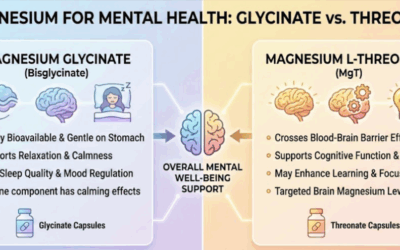
N-acetylcysteine (NAC) shows how a promising pilot shrinks under further testing. A 2012 pilot trial randomized 33 children with autism and found a large improvement in irritability over placebo among the 29 with follow-up data; it did not report an 80 percent reduction, and its authors called for larger trials.35 Two later trials aimed at core autism symptoms were negative: a 2016 trial found no effect on social impairment even though NAC raised blood glutathione, and a 2017 trial of 98 children found no difference from placebo on any outcome, though its authors note that the lower dose they used may have mattered.36, 37 A 2021 meta-analysis of five randomized trials found modest improvements in irritability and hyperactivity but none in repetitive behavior, and its authors said more evidence is needed before a general recommendation.38 That makes NAC a possible add-on for irritability to raise with a child’s prescriber, and nothing in it supports the earlier article’s claim that low glutathione is why autism develops. Our reviews of NAD+ for mental health and magnesium L-threonate versus glycinate take the same approach: report the trials, and leave dosing to a prescriber.
Reversal claims: the Bredesen protocol and the ketogenic diet
Dale Bredesen’s personalized protocol for cognitive decline, which he first called metabolic enhancement for neurodegeneration (MEND) and now calls ReCODE, for reversal of cognitive decline,39 rests on uncontrolled reports. The often-quoted hippocampus that went from the 17th to the 75th percentile belonged to one patient among 10 in a 2016 case series with no comparison group.40 A 2022 pilot treated 25 patients for nine months and reported better cognitive scores, again without a control group, and its authors, Bredesen among them, concluded that a randomized controlled trial is warranted.41 Until such a trial is done, “reversing Alzheimer’s” is a hypothesis.
Metabolic psychiatry is a real research program, and the ketogenic diet is its main test. Early work was uncontrolled, such as a 2024 single-arm pilot in 23 people with schizophrenia or bipolar disorder that reported better metabolic markers and psychiatric ratings after four months.42 The first randomized trials have now been published. In a 2026 trial in people with schizophrenia-spectrum or bipolar I disorder, one month of the diet improved weight, and at the margin of statistical significance HbA1c and insulin resistance, compared with a usual diet; the gains in symptoms and cognition were measured after four months against participants’ own baselines, in a phase with no control group.43 In a U.K. trial of 88 adults with treatment-resistant depression, both the ketogenic diet and a healthy control diet produced large drops in depression scores. The ketogenic group improved by about two more points on the PHQ-9 at six weeks, a difference at the edge of statistical significance that was no longer significant at 12 weeks, and the authors called its clinical relevance uncertain.44
That is hopeful but modest, a long way from “complete remission through dietary changes alone.” A ketogenic diet is a medical intervention: anyone on psychiatric medication should plan it with their prescriber, and the U.K. trial gave participants weekly dietitian support. We also cut the earlier article’s sections on aluminum, iron genes and pesticides: they concerned dementia and Parkinson disease, and their journal links pointed to unrelated papers.
What this looks like in therapy
A therapist does not order the thyroid panel, but we are often the clinician who sees someone most often, which puts us in a good position to notice the timeline. At intake we ask about medical history, medications and recent changes, alcohol and drug use, sleep, recent illness, and whether symptoms came on gradually or overnight. When something does not fit, such as a first episode of psychosis with no history, new confusion, or a mood change that began with a new medication, we ask the client to see their physician or psychiatrist and, with permission, we talk with that doctor directly.
The hidden-cause story also has a psychological pull worth naming. It has the shape of a quest myth: a hidden enemy, a search, and a return to the life before the illness. For someone who has been told, openly or not, that their suffering reflects weak character, a biological culprit can feel like exoneration, and that wish deserves respect. It can also become a way of postponing grief for a life that has changed, and an expensive one, when each negative result leads to the next specialty panel. In depth-psychological terms, the enemy is placed wholly outside the self, which can protect against despair and can also postpone the slower work of living with what is there.
In therapy we try to hold both. We help people write down clear questions for their doctors, think through what a test result would change before paying for it, and notice when the search has started to replace living. We also work on what any serious diagnosis brings, such as shame, fear and strain on a marriage, alongside whatever medical treatment is right. For people who have been through psychosis, we have written separately about what working with psychosis teaches about trauma. When a medical condition is part of the picture, our therapy for chronic illness, chronic pain and Long COVID is built for working alongside a medical team rather than replacing it.
If you live in the Birmingham area and have a psychiatric diagnosis that has never quite made sense, start with a careful conversation with your primary care doctor or psychiatrist about your history and the timeline of your symptoms. If you want help with the emotional side of that process, or with depression alongside a medical condition, you can read about our depression treatment in Hoover or contact us to ask whether we are a good fit.
References
- Bollet, A. J. (1992). Politics and pellagra: The epidemic of pellagra in the U.S. in the early twentieth century. Yale Journal of Biology and Medicine, 65(3), 211–221. https://pmc.ncbi.nlm.nih.gov/articles/PMC2589605/
- Noguchi, H., & Moore, J. W. (1913). A demonstration of Treponema pallidum in the brain in cases of general paralysis. Journal of Experimental Medicine, 17(2), 232–238. https://doi.org/10.1084/jem.17.2.232
- Nobel Prize Outreach. (n.d.). The Nobel Prize in Physiology or Medicine 1927. NobelPrize.org. https://www.nobelprize.org/prizes/medicine/1927/summary/
- Dalmau, J., Gleichman, A. J., Hughes, E. G., Rossi, J. E., Peng, X., Lai, M., Dessain, S. K., Rosenfeld, M. R., Balice-Gordon, R., & Lynch, D. R. (2008). Anti-NMDA-receptor encephalitis: Case series and analysis of the effects of antibodies. The Lancet Neurology, 7(12), 1091–1098. https://doi.org/10.1016/S1474-4422(08)70224-2
- Titulaer, M. J., McCracken, L., Gabilondo, I., Armangué, T., Glaser, C., Iizuka, T., Honig, L. S., Benseler, S. M., Kawachi, I., Martinez-Hernandez, E., Aguilar, E., Gresa-Arribas, N., Ryan-Florance, N., Torrents, A., Saiz, A., Rosenfeld, M. R., Balice-Gordon, R., Graus, F., & Dalmau, J. (2013). Treatment and prognostic factors for long-term outcome in patients with anti-NMDA receptor encephalitis: An observational cohort study. The Lancet Neurology, 12(2), 157–165. https://doi.org/10.1016/S1474-4422(12)70310-1
- Cahalan, S. (2012). Brain on fire: My month of madness. Free Press.
- Hall, R. C. W., Popkin, M. K., Devaul, R. A., Faillace, L. A., & Stickney, S. K. (1978). Physical illness presenting as psychiatric disease. Archives of General Psychiatry, 35(11), 1315–1320. https://doi.org/10.1001/archpsyc.1978.01770350041003
- Lennox, B. R., Palmer-Cooper, E. C., Pollak, T., Hainsworth, J., Marks, J., Jacobson, L., Lang, B., Fox, H., Ferry, B., Scoriels, L., Crowley, H., Jones, P. B., Harrison, P. J., & Vincent, A. (2017). Prevalence and clinical characteristics of serum neuronal cell surface antibodies in first-episode psychosis: A case-control study. The Lancet Psychiatry, 4(1), 42–48. https://doi.org/10.1016/S2215-0366(16)30375-3
- McKee, J., & Brahm, N. (2016). Medical mimics: Differential diagnostic considerations for psychiatric symptoms. Mental Health Clinician, 6(6), 289–296. https://doi.org/10.9740/mhc.2016.11.289
- Jones, S., Howard, L., & Thornicroft, G. (2008). “Diagnostic overshadowing”: Worse physical health care for people with mental illness. Acta Psychiatrica Scandinavica, 118(3), 169–171. https://doi.org/10.1111/j.1600-0447.2008.01211.x
- Walker, E. R., McGee, R. E., & Druss, B. G. (2015). Mortality in mental disorders and global disease burden implications: A systematic review and meta-analysis. JAMA Psychiatry, 72(4), 334–341. https://doi.org/10.1001/jamapsychiatry.2014.2502
- Asher, R. (1949). Myxoedematous madness. BMJ, 2(4627), 555–562. https://doi.org/10.1136/bmj.2.4627.555
- Lindenbaum, J., Healton, E. B., Savage, D. G., Brust, J. C. M., Garrett, T. J., Podell, E. R., Margell, P. D., Stabler, S. P., & Allen, R. H. (1988). Neuropsychiatric disorders caused by cobalamin deficiency in the absence of anemia or macrocytosis. New England Journal of Medicine, 318(26), 1720–1728. https://doi.org/10.1056/NEJM198806303182604
- Fardet, L., Petersen, I., & Nazareth, I. (2012). Suicidal behavior and severe neuropsychiatric disorders following glucocorticoid therapy in primary care. American Journal of Psychiatry, 169(5), 491–497. https://doi.org/10.1176/appi.ajp.2011.11071009
- Zimbrean, P. C., & Schilsky, M. L. (2014). Psychiatric aspects of Wilson disease: A review. General Hospital Psychiatry, 36(1), 53–62. https://doi.org/10.1016/j.genhosppsych.2013.08.007
- Graus, F., Titulaer, M. J., Balu, R., Benseler, S., Bien, C. G., Cellucci, T., Cortese, I., Dale, R. C., Gelfand, J. M., Geschwind, M., Glaser, C. A., Honnorat, J., Höftberger, R., Iizuka, T., Irani, S. R., Lancaster, E., Leypoldt, F., Prüss, H., Rae-Grant, A., . . . Dalmau, J. (2016). A clinical approach to diagnosis of autoimmune encephalitis. The Lancet Neurology, 15(4), 391–404. https://doi.org/10.1016/S1474-4422(15)00401-9
- Pollak, T. A., Lennox, B. R., Müller, S., Benros, M. E., Prüss, H., Tebartz van Elst, L., Klein, H., Steiner, J., Frodl, T., Bogerts, B., Tian, L., Groc, L., Hasan, A., Baune, B. T., Endres, D., Haroon, E., Yolken, R., Benedetti, F., Halaris, A., . . . Bechter, K. (2020). Autoimmune psychosis: An international consensus on an approach to the diagnosis and management of psychosis of suspected autoimmune origin. The Lancet Psychiatry, 7(1), 93–108. https://doi.org/10.1016/S2215-0366(19)30290-1
- Gustafsson, H., Nordström, A., & Nordström, P. (2015). Depression and subsequent risk of Parkinson disease: A nationwide cohort study. Neurology, 84(24), 2422–2429. https://doi.org/10.1212/WNL.0000000000001684
- Benros, M. E., Waltoft, B. L., Nordentoft, M., Østergaard, S. D., Eaton, W. W., Krogh, J., & Mortensen, P. B. (2013). Autoimmune diseases and severe infections as risk factors for mood disorders: A nationwide study. JAMA Psychiatry, 70(8), 812–820. https://doi.org/10.1001/jamapsychiatry.2013.1111
- Köhler-Forsberg, O., Petersen, L., Gasse, C., Mortensen, P. B., Dalsgaard, S., Yolken, R. H., Mors, O., & Benros, M. E. (2019). A nationwide study in Denmark of the association between treated infections and the subsequent risk of treated mental disorders in children and adolescents. JAMA Psychiatry, 76(3), 271–279. https://doi.org/10.1001/jamapsychiatry.2018.3428
- Torrey, E. F., Bartko, J. J., & Yolken, R. H. (2012). Toxoplasma gondii and other risk factors for schizophrenia: An update. Schizophrenia Bulletin, 38(3), 642–647. https://doi.org/10.1093/schbul/sbs043
- Dickerson, F., Jones-Brando, L., Ford, G., Genovese, G., Stallings, C., Origoni, A., O’Dushlaine, C., Katsafanas, E., Sweeney, K., Khushalani, S., & Yolken, R. (2019). Schizophrenia is associated with an aberrant immune response to Epstein–Barr virus. Schizophrenia Bulletin, 45(5), 1112–1119. https://doi.org/10.1093/schbul/sby164
- Swedo, S. E., Leonard, H. L., Garvey, M., Mittleman, B., Allen, A. J., Perlmutter, S., Dow, S., Zamkoff, J., Dubbert, B. K., & Lougee, L. (1998). Pediatric autoimmune neuropsychiatric disorders associated with streptococcal infections: Clinical description of the first 50 cases. American Journal of Psychiatry, 155(2), 264–271. https://doi.org/10.1176/ajp.155.2.264
- Wilbur, C., Bitnun, A., Kronenberg, S., Laxer, R. M., Levy, D. M., Logan, W. J., Shouldice, M., & Yeh, E. A. (2019). PANDAS/PANS in childhood: Controversies and evidence. Paediatrics & Child Health, 24(2), 85–91. https://doi.org/10.1093/pch/pxy145
- Delaney, S., Robveille, C., Maggi, R. G., Lashnits, E., Kingston, E., Liedig, C., Murray, L., Fallon, B. A., & Breitschwerdt, E. B. (2024). Bartonella species bacteremia in association with adult psychosis. Frontiers in Psychiatry, 15, Article 1388442. https://doi.org/10.3389/fpsyt.2024.1388442
- Greenberg, R. (2025). Investigating the frequency of tick-borne infections in a case series of 37 youth diagnosed with pediatric bipolar disorder. Frontiers in Child and Adolescent Psychiatry, 4, Article 1685016. https://doi.org/10.3389/frcha.2025.1685016
- Breitschwerdt, E. B., Greenberg, R., Maggi, R. G., Mozayeni, B. R., Lewis, A., & Bradley, J. M. (2019). Bartonella henselae bloodstream infection in a boy with pediatric acute-onset neuropsychiatric syndrome. Journal of Central Nervous System Disease, 11, Article 1179573519832014. https://doi.org/10.1177/1179573519832014
- Klempner, M. S., Hu, L. T., Evans, J., Schmid, C. H., Johnson, G. M., Trevino, R. P., Norton, D., Levy, L., Wall, D., McCall, J., Kosinski, M., & Weinstein, A. (2001). Two controlled trials of antibiotic treatment in patients with persistent symptoms and a history of Lyme disease. New England Journal of Medicine, 345(2), 85–92. https://doi.org/10.1056/NEJM200107123450202
- Berende, A., ter Hofstede, H. J. M., Vos, F. J., van Middendorp, H., Vogelaar, M. L., Tromp, M., van den Hoogen, F. H., Donders, A. R. T., Evers, A. W. M., & Kullberg, B. J. (2016). Randomized trial of longer-term therapy for symptoms attributed to Lyme disease. New England Journal of Medicine, 374(13), 1209–1220. https://doi.org/10.1056/NEJMoa1505425
- Marzec, N. S., Nelson, C., Waldron, P. R., Blackburn, B. G., Hosain, S., Greenhow, T., Green, G. M., Lomen-Hoerth, C., Golden, M., & Mead, P. S. (2017). Serious bacterial infections acquired during treatment of patients given a diagnosis of chronic Lyme disease: United States. MMWR. Morbidity and Mortality Weekly Report, 66(23), 607–609. https://doi.org/10.15585/mmwr.mm6623a3
- Centers for Disease Control and Prevention. (2024, May 15). Clinical testing and diagnosis for Lyme disease. https://www.cdc.gov/lyme/hcp/diagnosis-testing/index.html
- Gilbody, S., Lewis, S., & Lightfoot, T. (2007). Methylenetetrahydrofolate reductase (MTHFR) genetic polymorphisms and psychiatric disorders: A HuGE review. American Journal of Epidemiology, 165(1), 1–13. https://doi.org/10.1093/aje/kwj347
- Hickey, S. E., Curry, C. J., & Toriello, H. V. (2013). ACMG practice guideline: Lack of evidence for MTHFR polymorphism testing. Genetics in Medicine, 15(2), 153–156. https://doi.org/10.1038/gim.2012.165
- Papakostas, G. I., Shelton, R. C., Zajecka, J. M., Etemad, B., Rickels, K., Clain, A., Baer, L., Dalton, E. D., Sacco, G. R., Schoenfeld, D., Pencina, M., Meisner, A., Bottiglieri, T., Nelson, E., Mischoulon, D., Alpert, J. E., Barbee, J. G., Zisook, S., & Fava, M. (2012). L-methylfolate as adjunctive therapy for SSRI-resistant major depression: Results of two randomized, double-blind, parallel-sequential trials. American Journal of Psychiatry, 169(12), 1267–1274. https://doi.org/10.1176/appi.ajp.2012.11071114
- Hardan, A. Y., Fung, L. K., Libove, R. A., Obukhanych, T. V., Nair, S., Herzenberg, L. A., Frazier, T. W., & Tirouvanziam, R. (2012). A randomized controlled pilot trial of oral N-acetylcysteine in children with autism. Biological Psychiatry, 71(11), 956–961. https://doi.org/10.1016/j.biopsych.2012.01.014
- Wink, L. K., Adams, R., Wang, Z., Klaunig, J. E., Plawecki, M. H., Posey, D. J., McDougle, C. J., & Erickson, C. A. (2016). A randomized placebo-controlled pilot study of N-acetylcysteine in youth with autism spectrum disorder. Molecular Autism, 7, Article 26. https://doi.org/10.1186/s13229-016-0088-6
- Dean, O. M., Gray, K. M., Villagonzalo, K.-A., Dodd, S., Mohebbi, M., Vick, T., Tonge, B. J., & Berk, M. (2017). A randomised, double blind, placebo-controlled trial of a fixed dose of N-acetyl cysteine in children with autistic disorder. Australian & New Zealand Journal of Psychiatry, 51(3), 241–249. https://doi.org/10.1177/0004867416652735
- Lee, T. M., Lee, K. M., Lee, C. Y., Lee, H. C., Tam, K. W., & Loh, E. W. (2021). Effectiveness of N-acetylcysteine in autism spectrum disorders: A meta-analysis of randomized controlled trials. Australian & New Zealand Journal of Psychiatry, 55(2), 196–206. https://doi.org/10.1177/0004867420952540
- Rao, R. V., Kumar, S., Gregory, J., Coward, C., Okada, S., Lipa, W., Kelly, L., & Bredesen, D. E. (2021). ReCODE: A personalized, targeted, multi-factorial therapeutic program for reversal of cognitive decline. Biomedicines, 9(10), Article 1348. https://doi.org/10.3390/biomedicines9101348
- Bredesen, D. E., Amos, E. C., Canick, J., Ackerley, M., Raji, C., Fiala, M., & Ahdidan, J. (2016). Reversal of cognitive decline in Alzheimer’s disease. Aging, 8(6), 1250–1258. https://doi.org/10.18632/aging.100981
- Toups, K., Hathaway, A., Gordon, D., Chung, H., Raji, C., Boyd, A., Hill, B. D., Hausman-Cohen, S., Attarha, M., Chwa, W. J., Jarrett, M., & Bredesen, D. E. (2022). Precision medicine approach to Alzheimer’s disease: Successful pilot project. Journal of Alzheimer’s Disease, 88(4), 1411–1421. https://doi.org/10.3233/JAD-215707
- Sethi, S., Wakeham, D., Ketter, T., Hooshmand, F., Bjornstad, J., Richards, B., Westman, E., Krauss, R. M., & Saslow, L. (2024). Ketogenic diet intervention on metabolic and psychiatric health in bipolar and schizophrenia: A pilot trial. Psychiatry Research, 335, Article 115866. https://doi.org/10.1016/j.psychres.2024.115866
- Abram, S. V., Kyner, J. M., Vu, A., Naeem, Z., Sethi, S., Jacob, M. S., Fryer, S. L., Mathalon, D. H., & Ford, J. M. (2026). Metabolic improvements with a ketogenic diet correlate with symptom improvement in psychosis: A randomized controlled trial. Schizophrenia Bulletin, 52(4), Article sbag082. https://doi.org/10.1093/schbul/sbag082
- Gao, M., Kirk, M., Knight, H., Lash, E., Michalopoulou, M., Guess, N., Stevens, R., Browning, M., Weich, S., Burnet, P. W. J., Jebb, S. A., & Aveyard, P. (2026). A ketogenic diet for treatment-resistant depression: A randomized clinical trial. JAMA Psychiatry, 83(4), 331–340. https://doi.org/10.1001/jamapsychiatry.2025.4431













0 Comments