

A dopamine detox, or dopamine fast, means going without pleasurable stimulation for hours or days (phones, social media, games, junk food, porn) on the theory that this “resets” your dopamine. It cannot. Your brain keeps making dopamine whatever you do. The idea began in 2019 as psychologist Cameron Sepah’s catchy name for a cognitive behavioral habit technique. Taken literally, it is pseudoscience.
The trend gets the chemistry wrong and the behavior half right. Heavy, engineered stimulation does not drain a tank of dopamine. It trains a learning system that predicts rewards and generates wanting, and the scrolling is often doing a second job: keeping boredom, anxiety, loneliness or grief out of awareness. The parts of a “fast” that help are old behavioral psychology. The parts that fail treat pleasure as a toxin and ignore the feeling the habit was managing.
Where dopamine fasting came from
The psychologist Cameron Sepah coined “dopamine fasting” in a 2019 LinkedIn article titled “The Definitive Guide to Dopamine Fasting 2.0.” He pitched it in Silicon Valley terms: “Just as intermittent fasting has become all the rage in Silicon Valley, I have created ‘Dopamine Fasting 2.0’ as the antidote to our overstimulated age.”1 His targets were narrow, specific impulsive behaviors such as emotional eating and excessive internet and social media use, and he said the name was not meant literally. The point was never to lower dopamine. It was to use cognitive behavioral techniques to cut down on compulsive behaviors.1, 2
The name outran the method. Online, “dopamine detox” came to mean giving up pleasure in general. Some practitioners recommend abstaining from eating, talking, the internet, television, video games, alcohol and nicotine, and claim this will reset dopamine levels.2 In 2021 the Stanford addiction psychiatrist Anna Lembke published Dopamine Nation, a bestseller that carried the dopamine vocabulary to a wide audience; the book’s own description calls the smartphone “the modern-day hypodermic needle.”3 A 2022 commentary in Lifestyle Medicine reviewed Sepah’s protocol, traced it to CBT techniques used for addictions, called for studies of whether the fast itself works, and warned that a self-guided version could do harm if someone used it in place of care for a serious disorder.4
The appeal is older than neuroscience. Fasting from food, speech or comfort has a place in Judaism, Christianity, Islam, Hinduism and Buddhism, as the Northwestern University neuroscientist Talia Lerner pointed out to The Scientist.2 Religious fasts are usually pointed at something beyond the person fasting: God, a community, a season of repentance, the hungry. The dopamine fast keeps the renunciation and drops the orientation. What remains is a purity ritual in chemical dress, in which pleasure is a contaminant, the body is a system to flush, and the reward is better focus at work. It is also worth noticing where the idea came from. The same Silicon Valley culture that built feeds tuned for engagement produced a self-discipline protocol for coping with them, and the problem moved quietly from product design to individual willpower.
The trend also spread the way most mental health content spreads, through short videos that compress a field into a slogan. When clinicians rated the 100 most popular TikTok videos about ADHD, 52 were misleading, and most of the misleading ones were posted by people who were not health care providers.5 (A figure you may have seen, that 83.7 percent of TikTok mental health advice is misleading, comes from a 2022 analysis of 500 videos by PlushCare, a telehealth company, published on its own blog rather than in a peer-reviewed journal.6)
What dopamine actually does
Dopamine is not the pleasure chemical. Some of the clearest evidence came from Kent Berridge of the University of Michigan and his colleague Terry Robinson. In 1998 they reported that rats whose dopamine in the nucleus accumbens and neostriatum had been depleted by up to 99 percent still showed normal “liking” reactions to sugar and normal “disliking” reactions to bitter quinine. Their conclusion was that dopamine is needed for “wanting” a reward, not for “liking” it.7 Pleasure itself seems to come from small “hedonic hot spots.” In one, a site of roughly a cubic millimeter in the shell of the nucleus accumbens, stimulating mu-opioid receptors amplified rats’ liking for sweetness.8 Berridge and Morten Kringelbach’s 2015 review concluded that the mesolimbic dopamine system, long the textbook pleasure center, “may not generate pleasure after all.”9
Dopamine’s best-known job is teaching. In the 1980s and 1990s Wolfram Schultz recorded dopamine neurons in monkeys. An unexpected reward made them fire. Once the animal learned that a cue predicted the reward, the burst moved to the cue and the reward itself produced no change. If the expected reward failed to arrive, the neurons briefly went quiet.2, 10 In 1997 Schultz, Peter Dayan and P. Read Montague argued that this output signals errors in the prediction of future rewards and can be understood through quantitative theories of learning: more reward than expected produces a burst, exactly what was expected produces baseline activity, and less than expected produces a dip.10, 11 The work is sometimes described as Nobel Prize-winning. It did not win a Nobel. Schultz shared the 2017 Brain Prize with Dayan and Ray Dolan, and the 2018 Gruber Neuroscience Prize with Ann Graybiel and Okihide Hikosaka.12, 13
The picture has grown more complicated since. Some dopamine neurons respond to aversive events, and dopamine may help the brain learn predictions in general, not only predictions about reward.2 The larger point holds: dopamine helps the brain learn what to expect and what to go after. That fits a wider view of the brain as a prediction engine, which is the theme of Anil Seth’s work on the predictive brain.
None of this makes ordinary dopamine release suspicious. A 1998 PET study at Hammersmith Hospital in London found evidence that playing a video game released dopamine in the human striatum, with more release in better players. The authors described it as the first demonstration of behavioral conditions under which dopamine is released in humans.14 Healthy activities release dopamine too; without it, as Cleveland Clinic psychologist Susan Albers puts it, we would not bother to eat, exercise or socialize.1 Dopamine release is what learning from experience looks like.
Why you cannot detox dopamine
There is no toxin to remove. Only about 400,000 to 600,000 of the human brain’s more than 80 billion neurons make dopamine, but they project widely and serve movement, motivation and learning.2 Dopamine neurons keep a steady baseline of activity, with bursts and dips riding on top of it.10 Real dopamine loss is a disease. Post-mortem studies of people with Parkinson’s disease found dopamine depleted in specific brain regions, and by 1961 doctors were testing its precursor, L-DOPA, as treatment.2 A day without your phone does not move you toward or away from that.
The more sophisticated version of the claim is that overstimulation dulls dopamine receptors and a break lets them recover. That idea has real roots in addiction research. PET studies led by Nora Volkow found three things in people addicted to drugs: fewer D2 dopamine receptors in the striatum, in early and in protracted withdrawal; a blunted dopamine response to the drug itself; and a strong dopamine response to cues associated with it.15 In rats repeatedly given cocaine, parts of the dopamine system stay altered for a month or more of abstinence.2 But drugs of addiction act on the dopamine signal directly; Schultz describes them as generating, hijacking and amplifying it.10 Whether anything comparable happens with heavy phone use has not been shown. A review of the smartphone addiction literature found too little support to call it an addiction at all and recommended the term “problematic use” instead.16 For how substances themselves reshape what feels normal, see our piece on addiction and the neuroscience of feeling normal.
Direct human evidence that an everyday behavior alters dopamine receptor availability does exist, for sleep loss. In a 2012 PET study of 20 healthy adults, one night without sleep reduced D2/D3 receptor availability in the ventral striatum in a pattern consistent with receptor downregulation, and the drop went along with feeling less alert and more sleepy.17 If late-night scrolling is costing you sleep, that is a better-documented route to changes in dopamine signaling than the stimulation itself.
One practical warning. If you take a medication that acts on dopamine, such as a stimulant for ADHD, an antipsychotic or a Parkinson’s drug, a detox has nothing to do with it. Do not stop or change a dose on your own; talk to your prescriber. The University of Iowa neurologist Nandakumar Narayanan, who treats Parkinson’s disease, told The Scientist that his worry is people trying to lower their dopamine by means other than behavior: “There are dangers in messing with this system.”2
Why feeling “fried” is still real
People reach for dopamine language because something real is happening. A 2025 meta-analysis in Psychological Bulletin pooled 71 studies with 98,299 participants and found that heavier short-form video use was associated with poorer attention (r = −.38) and inhibitory control (r = −.41), and more weakly with poorer mental health overall (r = −.21), most clearly stress and anxiety.18 It is sometimes described as an “APA meta-analysis.” It was published in an APA journal, and the studies it pooled are correlational. They cannot tell us whether the videos erode attention, whether people with scattered attention gravitate to the videos, or both.
The reward-learning part is also real. An analysis of more than a million posts from over 4,000 people found that posting behavior followed the rules of reward learning: people spaced their posts to maximize the rate of likes they received, and an online experiment confirmed that social rewards causally shaped behavior.19 In adolescents scanned while viewing a simulated Instagram feed, photos shown with many likes drew more activity in reward-processing regions, and the teens were more likely to like those photos themselves.20 None of that requires a depleted brain. It requires a normal learning system placed in an environment built to teach it something.
What it learns is a matter of expectation. If your evenings are calibrated to a feed that delivers something new every few seconds, a novel or a slow conversation arrives as a worse-than-expected offer. An older model helps here. Richard Solomon and John Corbit’s opponent-process theory of 1974 proposed that pleasant and unpleasant states are automatically opposed by counter-processes that grow stronger with use and weaker with disuse.21 It is a psychological model, not a measurement of dopamine, but it fits the flat, irritable hour after a binge, and it offers the most defensible reason a break could help: the counter-reaction has time to fade.
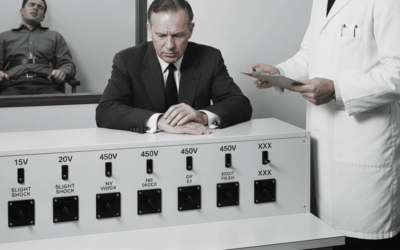
Then there is the job the habit is doing. Across 23 correlational studies, problematic smartphone use was consistently related to depression, with at least medium effect sizes, and to anxiety, with small ones.22 Daniel Kardefelt-Winther’s model of compensatory internet use proposes that people often go online to escape real-life problems or relieve low moods, which would explain why some keep at it despite the costs.23 And being alone with our thoughts is harder than it sounds. Across 11 studies, people generally did not enjoy spending 6 to 15 minutes alone with nothing to do but think, and many chose to give themselves mild electric shocks rather than sit with their thoughts.24 This is a plausible reason the strict, silent-room fast is so hard, and why it can end in a rebound. It removes the coping strategy and leaves the person alone with exactly what the coping was for. The same question sits under other online trends, such as whether bed rotting is rest or a shutdown response.
What helps instead
The neuroscientists The Scientist interviewed were not against taking a break from scrolling, drinking or binge-watching; their objection was to crediting dopamine for whatever good it does.2 Sepah’s original idea, stripped of the dopamine branding, is ordinary behavior change, and it is a reasonable place to start. Albers, the Cleveland Clinic psychologist, breaks it into steps. Pick one behavior, not pleasure in general. Decide on a period or a window, such as no social media before a certain hour or 20 minutes a day. Put a satisfying activity in its place. Keep notes on what triggers the urge and how it rises and falls through the day.1
Expect modest results, and pay attention to what fills the gap. In a randomized experiment, deactivating Facebook for four weeks increased offline activities such as socializing with family and friends and raised self-reported well-being.25 In a 2025 trial, blocking mobile internet on smartphones for two weeks improved mental health, well-being and an objective measure of sustained attention, and the gains were partly explained by how people spent the time instead: more in-person socializing, exercise and time outdoors.26 The pooled evidence is less tidy. One meta-analysis of 20 randomized trials found a small positive effect of social media breaks on well-being; a preregistered meta-analysis of 10 studies with 4,674 participants found no significant effect on positive mood, negative mood or life satisfaction.27, 28 A break helps some people some of the time. It is not a reset.
Change takes longer than a weekend. In a study of 96 volunteers building a new daily habit, the estimated time to reach near-maximum automaticity ranged from 18 to 254 days, and missing a single day did not derail the process.29 The University of Calgary neuroscientist Stephanie Borgland made the same point to The Scientist about dopamine fasting: “To change a habit, you need to have new learning, which takes time.”2 Make the old behavior less convenient (the phone charging in another room, the app off the home screen) and the new one easier, and plan on months.
Work with the urge rather than against it. In a trial of 123 college smokers exposed to smoking cues, brief instruction in “urge surfing,” watching a craving rise and pass without acting on it, did not reduce the urges themselves, but the people who learned it smoked fewer cigarettes over the following week.30 That is a realistic goal for a phone habit too: the pull may not go away soon, but your response to it can change.
Breathing, cold water, exercise and sleep
The earlier version of this post recommended “vagal toning” through slow breathing, cold exposure and humming, among other practices. The evidence for these varies a great deal, and it is worth being specific.
Breathing practices have the best support of the list. A meta-analysis of 12 randomized trials of breathwork with 785 adults found that it was associated with lower self-reported stress than control conditions (g = −0.35), with similar effects on anxiety and depressive symptoms, though most trials carried a moderate risk of bias and the authors warned against hype.31 In one month-long remote trial, five minutes a day of “cyclic sighing,” with long exhales, improved mood and lowered breathing rate more than the same time spent in mindfulness meditation.32 Heart rate variability biofeedback, which pairs paced breathing with live feedback from a heart-rate sensor, showed large reductions in self-reported stress and anxiety across 24 mostly small studies with 484 participants in all, with the caveat that better-controlled trials are needed.33 The “vagal tone” vocabulary that usually comes with these practices leans on polyvagal theory, whose core premises have been sharply disputed; Paul Grossman argues that its central measure, respiratory sinus arrhythmia, is being mistaken for vagal tone itself.34 The modest claim, that structured breathing practices lower self-reported stress in short-term trials, stands without the theory.
Cold water is where dopamine marketing comes back in through the side door. A 2000 study of young men sitting in 14°C water up to the neck for an hour found that plasma dopamine rose by 250 percent and noradrenaline by 530 percent.35 That is dopamine in the blood, outside the brain, during a long and intense exposure; it says little about reward circuitry, whatever cold-plunge marketing implies. A 2025 meta-analysis of 11 studies found that cold-water immersion reduced stress at 12 hours but not immediately, at one hour or at 24 or 48 hours, improved sleep quality and quality of life, and did not improve mood, with few randomized trials and narrow study populations.36 Cold water also carries real risk: a review of the field lists it as a precursor to drowning, cardiac arrest and hypothermia, and notes that some claimed benefits rest on anecdote.37 If you have a heart condition, ask your doctor first, and do not swim in cold water alone. Humming has even less behind it, a few small heart rate variability studies of yogic humming breath, so I have left it out.
Exercise and sleep are less fashionable and better supported. A 2024 network meta-analysis of 218 randomized trials in people with clinically significant depression found moderate reductions in symptoms for walking or jogging, yoga and strength training compared with active controls, though certainty was low or very low because only one trial was rated at low risk of bias.38 Sleep loss, as above, has direct evidence of changing dopamine receptor availability.17 If something in your life deserves the word “reset,” it is probably your sleep schedule.
What this looks like in therapy
When someone comes to therapy saying they need a dopamine detox, the first question is not how many hours they spend on the phone. It is what the phone is doing for them. A therapist will usually map the sequence: when the urge comes, what happened just before, what feeling was present, what the scrolling relieved and what it cost. Often the answer is specific. Scrolling starts at the moment a hard task begins, or when the house goes quiet at night, or after a conversation with a parent. That sequence is the treatment target, more than the app.
Part of the work is ruling things in or out. Anhedonia, the loss of interest or pleasure, is a core symptom of major depression, and decades of research on dopamine’s role in it have produced frequently contradictory findings. Michael Treadway and David Zald argue that this is partly because “can’t enjoy things” and “can’t get started” are different problems; dopamine is tied mainly to the motivational side.39 That distinction matters clinically, and it is one reason flatness that persists after cutting back deserves an assessment, not a stricter fast (see our page on depression treatment in Hoover). Chronic distractibility may be ADHD, and an informal adult ADHD screener is a reasonable first step before a full evaluation. Feeling numb rather than bored can point toward depression, trauma or dissociation, which we write about in what happens when we can’t feel emotion. And when use keeps escalating despite real losses, or travels with drinking or drug use, it belongs in an addiction framework with appropriate care.
The rest of the work is building the capacity to stay with what the phone was keeping away. In somatic work that means noticing the urge as a body state, a tightness or restlessness, and staying with it a little longer each time, within the range of arousal a person can tolerate without being flooded or shutting down. Daniel Siegel’s work on integration and regulation is a good map for this. In parts-based work the phone-grabbing impulse is treated less as a bad habit to suppress and more as a protective part with a job, and the aim is to understand what it protects before asking it to stand down. We have written more about how these depth, somatic and predictive models of the self fit together. And there is often an existential layer. Some people scroll because the life they are living no longer fits them, and the quiet makes that hard to ignore. The goal is not a pleasure-free life. It is a wider range of things that feel worth doing, including some slow ones.
If you have already cut back and still feel flat, scattered or numb, that is worth taking seriously. Our therapists in Hoover work with the nervous-system side of this through somatic therapy, alongside depth and parts-based approaches, in person and by teletherapy across Alabama. You can reach us here to ask whether it is a good fit.
References
- Cleveland Clinic. (2024, September 9). Dopamine detoxes don’t work: Here’s what to do instead. Health Essentials. https://health.clevelandclinic.org/dopamine-detox
- Thomasy, H. (2025, January 31). Debunking the dopamine detox trend. The Scientist. https://www.the-scientist.com/debunking-the-dopamine-detox-trend-72036 (Original work published July 31, 2024)
- Lembke, A. (2021). Dopamine nation: Finding balance in the age of indulgence. Dutton.
- Fei, Y. Y., Johnson, P. A., Omran, N. A. L., Mardon, A., & Johnson, J. C. (2022). Maladaptive or misunderstood? Dopamine fasting as a potential intervention for behavioral addiction. Lifestyle Medicine, 3(1), e54. https://doi.org/10.1002/lim2.54
- Yeung, A., Ng, E., & Abi-Jaoude, E. (2022). TikTok and attention-deficit/hyperactivity disorder: A cross-sectional study of social media content quality. The Canadian Journal of Psychiatry, 67(12), 899–906. https://doi.org/10.1177/07067437221082854
- PlushCare Content Team. (2025, December 15). How accurate is mental health advice on TikTok? PlushCare. https://plushcare.com/blog/tiktok-mental-health
- Berridge, K. C., & Robinson, T. E. (1998). What is the role of dopamine in reward: Hedonic impact, reward learning, or incentive salience? Brain Research Reviews, 28(3), 309–369. https://doi.org/10.1016/S0165-0173(98)00019-8
- Peciña, S., & Berridge, K. C. (2005). Hedonic hot spot in nucleus accumbens shell: Where do μ-opioids cause increased hedonic impact of sweetness? The Journal of Neuroscience, 25(50), 11777–11786. https://doi.org/10.1523/JNEUROSCI.2329-05.2005
- Berridge, K. C., & Kringelbach, M. L. (2015). Pleasure systems in the brain. Neuron, 86(3), 646–664. https://doi.org/10.1016/j.neuron.2015.02.018
- Schultz, W. (2016). Dopamine reward prediction error coding. Dialogues in Clinical Neuroscience, 18(1), 23–32. https://doi.org/10.31887/DCNS.2016.18.1/wschultz
- Schultz, W., Dayan, P., & Montague, P. R. (1997). A neural substrate of prediction and reward. Science, 275(5306), 1593–1599. https://doi.org/10.1126/science.275.5306.1593
- The Brain Prize. (n.d.). Learning and reward. Lundbeck Foundation. Retrieved November 8, 2026, from https://brainprize.org/winners/learning-and-reward-2017
- Gruber Foundation. (2018). 2018 Gruber Neuroscience Prize. Yale University. https://gruber.yale.edu/prize/2018-gruber-neuroscience-prize
- Koepp, M. J., Gunn, R. N., Lawrence, A. D., Cunningham, V. J., Dagher, A., Jones, T., Brooks, D. J., Bench, C. J., & Grasby, P. M. (1998). Evidence for striatal dopamine release during a video game. Nature, 393(6682), 266–268. https://doi.org/10.1038/30498
- Volkow, N. D., Wang, G.-J., Fowler, J. S., Tomasi, D., & Telang, F. (2011). Addiction: Beyond dopamine reward circuitry. Proceedings of the National Academy of Sciences, 108(37), 15037–15042. https://doi.org/10.1073/pnas.1010654108
- Panova, T., & Carbonell, X. (2018). Is smartphone addiction really an addiction? Journal of Behavioral Addictions, 7(2), 252–259. https://doi.org/10.1556/2006.7.2018.49
- Volkow, N. D., Tomasi, D., Wang, G.-J., Telang, F., Fowler, J. S., Logan, J., Benveniste, H., Kim, R., Thanos, P. K., & Ferré, S. (2012). Evidence that sleep deprivation downregulates dopamine D2R in ventral striatum in the human brain. The Journal of Neuroscience, 32(19), 6711–6717. https://doi.org/10.1523/JNEUROSCI.0045-12.2012
- Nguyen, L., Walters, J., Paul, S., Monreal Ijurco, S., Rainey, G. E., Parekh, N., Blair, G., & Darrah, M. (2025). Feeds, feelings, and focus: A systematic review and meta-analysis examining the cognitive and mental health correlates of short-form video use. Psychological Bulletin, 151(9), 1125–1146. https://doi.org/10.1037/bul0000498
- Lindström, B., Bellander, M., Schultner, D. T., Chang, A., Tobler, P. N., & Amodio, D. M. (2021). A computational reward learning account of social media engagement. Nature Communications, 12, 1311. https://doi.org/10.1038/s41467-020-19607-x
- Sherman, L. E., Payton, A. A., Hernandez, L. M., Greenfield, P. M., & Dapretto, M. (2016). The power of the like in adolescence: Effects of peer influence on neural and behavioral responses to social media. Psychological Science, 27(7), 1027–1035. https://doi.org/10.1177/0956797616645673
- Solomon, R. L., & Corbit, J. D. (1974). An opponent-process theory of motivation: I. Temporal dynamics of affect. Psychological Review, 81(2), 119–145. https://doi.org/10.1037/h0036128
- Elhai, J. D., Dvorak, R. D., Levine, J. C., & Hall, B. J. (2017). Problematic smartphone use: A conceptual overview and systematic review of relations with anxiety and depression psychopathology. Journal of Affective Disorders, 207, 251–259. https://doi.org/10.1016/j.jad.2016.08.030
- Kardefelt-Winther, D. (2014). A conceptual and methodological critique of internet addiction research: Towards a model of compensatory internet use. Computers in Human Behavior, 31, 351–354. https://doi.org/10.1016/j.chb.2013.10.059
- Wilson, T. D., Reinhard, D. A., Westgate, E. C., Gilbert, D. T., Ellerbeck, N., Hahn, C., Brown, C. L., & Shaked, A. (2014). Just think: The challenges of the disengaged mind. Science, 345(6192), 75–77. https://doi.org/10.1126/science.1250830
- Allcott, H., Braghieri, L., Eichmeyer, S., & Gentzkow, M. (2020). The welfare effects of social media. American Economic Review, 110(3), 629–676. https://doi.org/10.1257/aer.20190658
- Castelo, N., Kushlev, K., Ward, A. F., Esterman, M., & Reiner, P. B. (2025). Blocking mobile internet on smartphones improves sustained attention, mental health, and subjective well-being. PNAS Nexus, 4(2), pgaf017. https://doi.org/10.1093/pnasnexus/pgaf017
- Liu, Y., Mohamad, E. M. W., Azlan, A. A., & Tan, Y. (2025). Am I happier without you? Social media detox and well-being: A meta-analysis of randomized controlled trials. Behavioral Sciences, 15(3), 290. https://doi.org/10.3390/bs15030290
- Lemahieu, L., Vander Zwalmen, Y., Mennes, M., Koster, E. H. W., Vanden Abeele, M. M. P., & Poels, K. (2025). The effects of social media abstinence on affective well-being and life satisfaction: A systematic review and meta-analysis. Scientific Reports, 15, 7581. https://doi.org/10.1038/s41598-025-90984-3
- Lally, P., van Jaarsveld, C. H. M., Potts, H. W. W., & Wardle, J. (2010). How are habits formed: Modelling habit formation in the real world. European Journal of Social Psychology, 40(6), 998–1009. https://doi.org/10.1002/ejsp.674
- Bowen, S., & Marlatt, A. (2009). Surfing the urge: Brief mindfulness-based intervention for college student smokers. Psychology of Addictive Behaviors, 23(4), 666–671. https://doi.org/10.1037/a0017127
- Fincham, G. W., Strauss, C., Montero-Marin, J., & Cavanagh, K. (2023). Effect of breathwork on stress and mental health: A meta-analysis of randomised-controlled trials. Scientific Reports, 13, 432. https://doi.org/10.1038/s41598-022-27247-y
- Balban, M. Y., Neri, E., Kogon, M. M., Weed, L., Nouriani, B., Jo, B., Holl, G., Zeitzer, J. M., Spiegel, D., & Huberman, A. D. (2023). Brief structured respiration practices enhance mood and reduce physiological arousal. Cell Reports Medicine, 4(1), 100895. https://doi.org/10.1016/j.xcrm.2022.100895
- Goessl, V. C., Curtiss, J. E., & Hofmann, S. G. (2017). The effect of heart rate variability biofeedback training on stress and anxiety: A meta-analysis. Psychological Medicine, 47(15), 2578–2586. https://doi.org/10.1017/S0033291717001003
- Grossman, P. (2023). Fundamental challenges and likely refutations of the five basic premises of the polyvagal theory. Biological Psychology, 180, 108589. https://doi.org/10.1016/j.biopsycho.2023.108589
- Šrámek, P., Šimečková, M., Janský, L., Šavlíková, J., & Vybíral, S. (2000). Human physiological responses to immersion into water of different temperatures. European Journal of Applied Physiology, 81(5), 436–442. https://doi.org/10.1007/s004210050065
- Cain, T., Brinsley, J., Bennett, H., Nelson, M., Maher, C., & Singh, B. (2025). Effects of cold-water immersion on health and wellbeing: A systematic review and meta-analysis. PLOS ONE, 20(1), e0317615. https://doi.org/10.1371/journal.pone.0317615
- Tipton, M. J., Collier, N., Massey, H., Corbett, J., & Harper, M. (2017). Cold water immersion: Kill or cure? Experimental Physiology, 102(11), 1335–1355. https://doi.org/10.1113/EP086283
- Noetel, M., Sanders, T., Gallardo-Gómez, D., Taylor, P., del Pozo Cruz, B., van den Hoek, D., Smith, J. J., Mahoney, J., Spathis, J., Moresi, M., Pagano, R., Pagano, L., Vasconcellos, R., Arnott, H., Varley, B., Parker, P., Biddle, S., & Lonsdale, C. (2024). Effect of exercise for depression: Systematic review and network meta-analysis of randomised controlled trials. BMJ, 384, e075847. https://doi.org/10.1136/bmj-2023-075847
- Treadway, M. T., & Zald, D. H. (2011). Reconsidering anhedonia in depression: Lessons from translational neuroscience. Neuroscience & Biobehavioral Reviews, 35(3), 537–555. https://doi.org/10.1016/j.neubiorev.2010.06.006




















0 Comments