
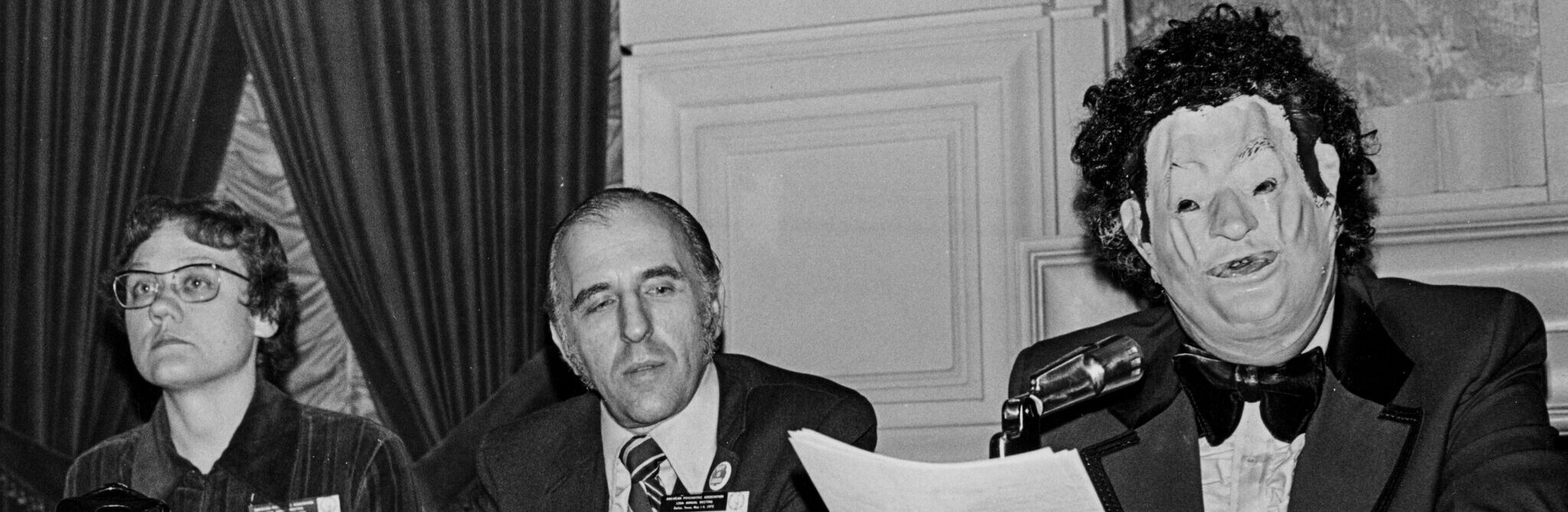
Dr. H appears masked at a psychiatry conference to condemn the pathologizing of homosexuality
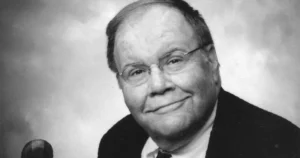
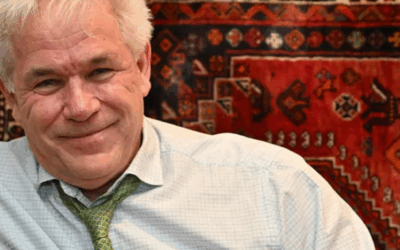
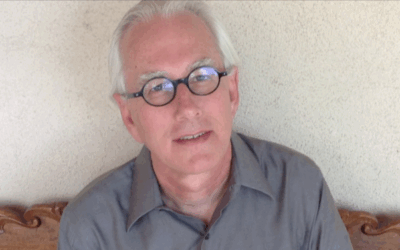
The real Dr. H, Dr. John Fryer
Who was Dr. H Anonymous?
Dr. John E. Fryer, known as Dr. H. Anonymous, played a pivotal role in the history of psychiatry and the fight against the stigmatization of homosexuality. In 1972, Dr. Fryer delivered a groundbreaking speech at the American Psychiatric Association (APA) annual meeting, challenging the classification of homosexuality as a mental disorder. Wearing a mask and using a voice-altering microphone to protect his identity, Dr. Fryer spoke about the experiences of gay psychiatrists and the need for change in the profession’s stance on homosexuality.
His courageous act, along with the efforts of other activists and allies, contributed to the eventual removal of homosexuality from the Diagnostic and Statistical Manual of Mental Disorders (DSM) in 1973. This marked a significant shift in the understanding and treatment of sexual orientation within the mental health field.
However, nearly five decades later, the psychotherapy profession continues to grapple with many of the same underlying issues that Dr. Fryer sought to address. While overt discrimination based on sexual orientation has diminished, more subtle forms of bias and structural problems persist, affecting not only LGBTQ+ individuals but the field as a whole.
The Influence of Social Hierarchies and Popular Notions of “Health”
One of the key issues highlighted in the provided content is the way in which social hierarchies and popular notions of what constitutes “healthy” behavior can unduly influence the practice of psychotherapy. Just as the psychiatric establishment of Dr. Fryer’s time pathologized homosexuality based on prevailing social norms and prejudices, today’s therapists may be swayed by cultural trends and biases that do not necessarily reflect scientific evidence or the best interests of their patients.
For example, the increasing medicalization of mental health and the emphasis on rapid symptom reduction through psychopharmacology and brief, manualized therapies can be seen as a reflection of a broader societal emphasis on efficiency, productivity, and conformity. This approach may prioritize the management of surface-level symptoms over the exploration of deeper psychological and existential concerns, leading to a kind of “fast food” model of mental health care that fails to address the root causes of distress.
Moreover, the pressure to conform to dominant cultural narratives about success, happiness, and normality can lead therapists to inadvertently reinforce unhealthy or unrealistic expectations, rather than helping patients to develop a more authentic and self-directed sense of well-being. This can be particularly problematic for marginalized communities, whose experiences and values may not align with mainstream cultural norms.
The Need for Critical Reflexivity and Ethical Discernment
To counter the influence of social hierarchies and popular notions of health, therapists must cultivate a strong sense of critical reflexivity and ethical discernment. This involves being attuned to the ways in which one’s own cultural assumptions and biases may shape one’s clinical judgment, and actively working to challenge and expand one’s worldview.
It also means being willing to question and resist dominant paradigms and practices that may not serve the best interests of patients, even if they are widely accepted or endorsed by professional organizations. This requires a commitment to ongoing education, self-reflection, and dialogue with colleagues and patients from diverse backgrounds and perspectives.
Ultimately, the goal of psychotherapy should not be to simply reinforce prevailing social norms or to help patients conform to narrow definitions of health and happiness, but rather to support them in developing a more authentic, fulfilling, and meaningful sense of self and purpose. This may involve challenging dominant cultural narratives and exploring alternative ways of being and relating that are more congruent with a patient’s unique values, experiences, and aspirations.
The Importance of Theoretical and Methodological Diversity
Another key issue raised in the provided content is the need for greater theoretical and methodological diversity within the psychotherapy profession. The increasing emphasis on evidence-based practice and the dominance of cognitive-behavioral approaches has led to a narrowing of the field and a neglect of other valuable perspectives and techniques.
While empirical research is certainly important, an overreliance on quantitative outcome measures and standardized treatment protocols can lead to a kind of reductionism that fails to capture the complexity and nuance of human experience. It can also discourage innovation and creativity, as therapists may feel pressure to conform to established norms and practices rather than exploring new approaches that may be better suited to the needs of their patients.
To counter this trend, it is important for the profession to embrace a wider range of theoretical orientations and therapeutic modalities, including those that emphasize the relational, experiential, and existential dimensions of human experience. This includes approaches such as psychodynamic, humanistic, and somatic therapies, as well as newer modalities that incorporate insights from neuroscience, mindfulness, and multicultural psychology.
By fostering a more diverse and inclusive therapeutic landscape, the profession can better serve the needs of a wide range of patients and communities, and continue to evolve and innovate in response to emerging challenges and opportunities.
The Role of Advocacy and Social Justice
Finally, the legacy of Dr. John E. Fryer highlights the importance of advocacy and social justice as integral components of the psychotherapy profession. Just as Dr. Fryer used his platform to challenge the oppressive policies and practices of his time, today’s therapists have a responsibility to speak out against systemic inequities and to work towards creating a more just and inclusive society.
This involves not only providing culturally competent and affirming care to marginalized communities, but also engaging in broader efforts to challenge structural barriers to mental health and well-being. This may include advocating for policies that expand access to care, promoting diversity and inclusion within the profession, and collaborating with community organizations and social movements that are working towards social change.
It also means being willing to examine and confront the ways in which the profession itself may be complicit in perpetuating oppressive systems and ideologies, and actively working to dismantle them. This requires a commitment to ongoing self-reflection, dialogue, and action, both within and outside of the therapy room.
Legacy of Dr. John Fryer
The legacy of Dr. John E. Fryer serves as a powerful reminder of the transformative potential of individual and collective action in the face of institutional oppression and scientific dogma. His courage and conviction helped to catalyze a sea change in the understanding and treatment of sexual orientation, paving the way for greater acceptance and inclusion of LGBTQ+ individuals within the mental health field and society at large.
At the same time, his story also highlights the ongoing challenges and limitations of the psychotherapy profession, particularly in the face of increasing medicalization, theoretical and methodological narrowing, and the persistence of social and cultural inequities.
As we reflect on Dr. Fryer’s contributions and the current state of the field, it is clear that the work of creating a more just, inclusive, and effective mental health system is far from over. It requires a sustained commitment to critical reflexivity, theoretical and methodological diversity, advocacy, and social justice, as well as a willingness to challenge entrenched beliefs and practices that no longer serve the needs of patients or the profession as a whole.
Ultimately, the legacy of Dr. John E. Fryer is one of hope and possibility, reminding us of the power of individual voices to inspire collective change and the enduring importance of speaking truth to power in the pursuit of a more compassionate and equitable world. As therapists, we have a unique opportunity and responsibility to carry forward this legacy, by working to create a profession that truly honors the complexity, diversity, and resilience of the human spirit.


















0 Comments