
Key Takeaways: Treating Physician Burnout
- The “Hidden” Diagnosis: Distinguishes between clinical burnout, depression, and Moral Injury—the distress caused by working within a broken system.
- The “Super-Helper” Complex: Explores the personality traits (perfectionism, stoicism) that make doctors vulnerable to collapse.
- Clinical Interventions: Details how somatic therapies (Brainspotting, SE) and cognitive frameworks (CBT/DBT) are adapted for high-functioning medical professionals.
- Systemic Reality: Acknowledges that resilience training alone is insufficient without addressing the “double bind” of modern healthcare.
 Healing the Healer: A Therapist’s Guide to Treating Physician Burnout
As a therapist specializing in supporting healthcare professionals, I have witnessed firsthand the devastating impact of physician burnout. The unique challenges faced by physicians—including 80-hour workweeks, high-stakes decision-making, and the emotional strain of witnessing suffering—can take a heavy toll on their mental and emotional well-being. Burnout is not a sign of weakness or personal failure, but rather a natural physiological response to the cumulative, chronic stress of the medical profession.
In my work with physicians, I have seen the transformative power of therapy in helping them overcome burnout and rediscover a sense of purpose. However, treating doctors requires a specific nuance. They are often “professional patients”—highly intelligent, deeply skeptical of vulnerability, and trained to suppress their own needs. As a therapist, my role is to provide a safe, non-judgmental space to deconstruct the “Iron Doctor” persona and build resilience.
We Have a Clinician who Treats Physician Burnout at Taproot Therapy Collective – Check Him Out Here
Part 1: The Anatomy of Burnout vs. Moral Injury
Before we can treat the problem, we must name it correctly. In the medical community, the term “burnout” is increasingly viewed as victim-blaming, as it implies the physician lacks resilience. A more accurate framework often involves Moral Injury.
| Symptom Category | Clinical Burnout | Moral Injury (Systemic Trauma) |
| Emotional State | Exhaustion, depletion, “running on fumes.” | Anger, betrayal, shame, feeling complicit in a broken system. |
| Attitude toward Patients | Depersonalization, cynicism, viewing patients as “tasks.” | Guilt over not being able to provide the care patients deserve due to insurance/time constraints. |
| Self-Perception | Reduced personal accomplishment, imposter syndrome. | Loss of moral compass, spiritual crisis (“Why am I doing this?”). |
Recognizing these signs is critical. Depersonalization is often a defense mechanism against trauma. When a physician becomes cynical, it is often because their “empathy tank” is empty. This can lead to medical errors and a deterioration of the patient-provider relationship.
Part 2: The Psychology of the Physician
Why are doctors so susceptible? It often begins long before medical school. Personality Psychology reveals that many physicians share traits of high conscientiousness, perfectionism, and a “Super-Helper” complex.
The Culture of Stoicism
Medical training (residency) is often a form of hazing that rewards the suppression of biological needs (sleep, food, bathroom breaks). This creates a False Self—a professional mask that is invincible. Therapy must gently dismantle this mask to access the human being underneath. This aligns with the Jungian concept of the Persona vs. the Shadow.
Part 3: Therapeutic Strategies for Recovery
Overcoming physician burnout requires a multi-faceted approach. Standard “talk therapy” is sometimes insufficient because doctors can intellectualize their feelings. We often need Bottom-Up (somatic) approaches.
1. Somatic Therapies: Releasing the Trauma
Physicians carry the trauma of “bad outcomes”—the patient who died, the code that failed. This trauma lives in the body.
* Somatic Experiencing: Helps the physician physically discharge the “freeze” response accumulated after years of suppressing emotion in the ER or OR.
* Brainspotting: Uses eye positions to access the subcortical brain, allowing doctors to process haunting visual memories of trauma without having to “retell the story” verbally.
2. Cognitive and Dialectical Approaches
Physicians are often stuck in “fix-it” mode.
* DBT (Dialectical Behavior Therapy): Teaches “Radical Acceptance”—accepting the reality of the healthcare system without approving of it. It provides skills for distress tolerance when a patient outcome is out of their control.
* Cognitive Reframing: Challenging the “God Complex.” Physicians often feel responsible for life and death. Therapy helps right-size this responsibility to “I am responsible for the effort, not the outcome.”
3. Neurofeedback and Brain Mapping
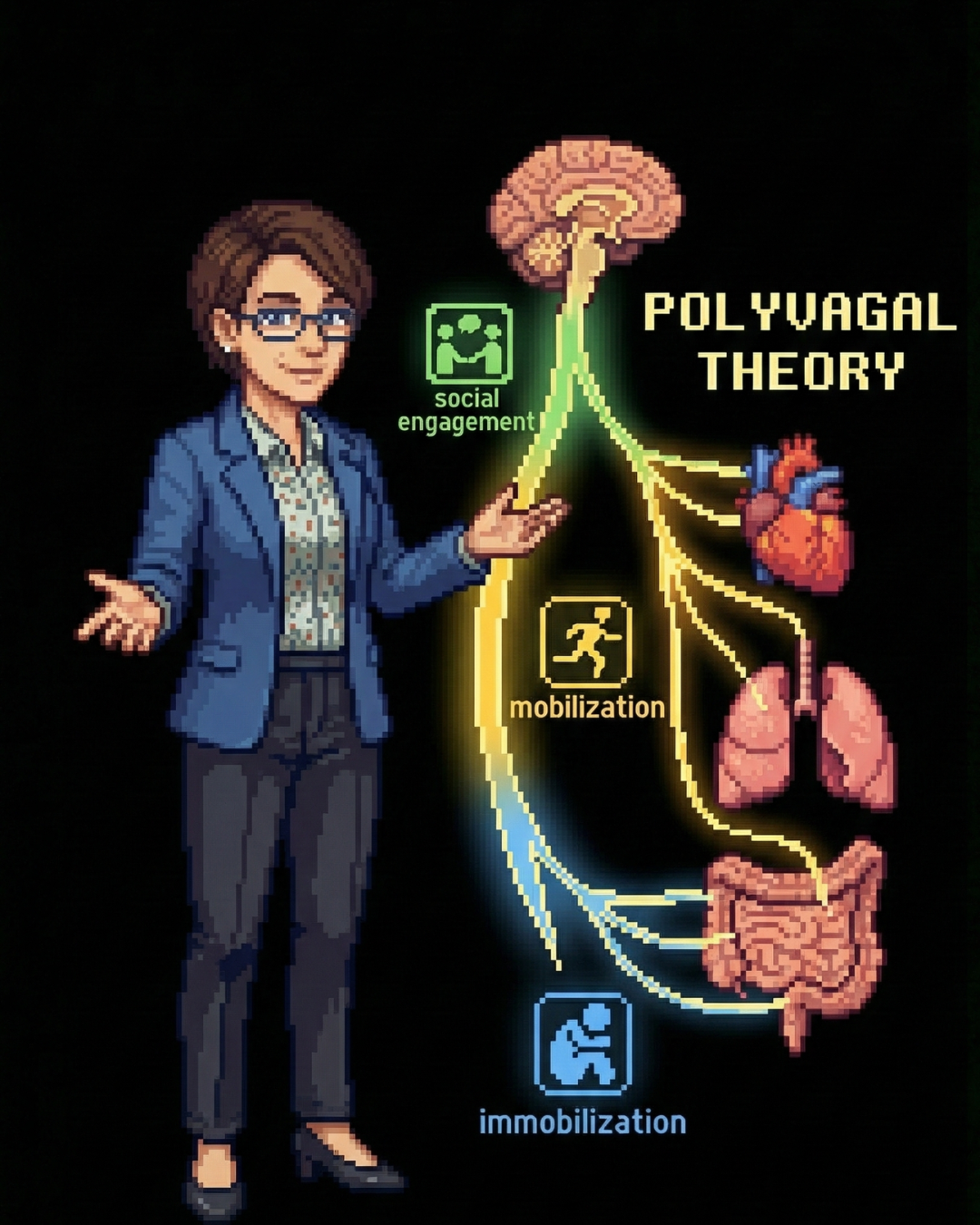
High-stress environments rewire the brain into a state of chronic hyper-arousal (Beta waves). QEEG Brain Mapping allows us to show the physician their own brain activity. Using Neurofeedback, we can train the brain to shift from “Emergency Mode” to “Rest and Digest” mode, improving sleep and reducing anxiety.
Part 4: Reclaiming the Soul of Medicine
Burnout is often a crisis of meaning. When the administrative burden outweighs the joy of healing, the physician loses their “Why.”
Prioritizing the Self
This involves setting boundaries. It means learning to say “no” to extra shifts, fighting against administrative creep, and carving out time for hobbies. We often use Lifespan Integration to help physicians reconnect with the younger version of themselves—the person who entered medicine with a passion to heal—before the system crushed them.
Building a Support System
Isolation is the enemy. We encourage physicians to seek peer support groups where they can speak the “language of medicine” without needing to explain the trauma to civilians. Validating the horror and the humor of medical life is essential for processing.
Conclusion: The Healer Needs Healing
As a society, we must value and prioritize the emotional well-being of our healthcare professionals. Recognizing the immense sacrifices they make is not enough; we must provide them with the therapeutic resources to process that sacrifice.
By addressing the cost of caring and investing in the emotional well-being of our healthcare professionals, we can create a healthcare system that is not only effective but sustainable. If you are a physician reading this, know that your burnout is not a failure of character. It is a signal that your humanity is intact, and it is asking for attention.
Book a Confidential Consultation for Physician Burnout
Explore Depth Psychology and Trauma Treatments
Taproot Therapy Collective Podcast
Advanced Trauma Therapies
- Brainspotting: A revolutionary tool for processing visual trauma in medical professionals.
- Somatic Experiencing: Moving trauma out of the body’s nervous system.
- EMDR: Eye Movement Desensitization for clinical PTSD.
- Somatic Trauma Mapping: Locating where stress lives in the body.
- Neurofeedback: Retraining the brain for calm and focus.
Personality & Psychological Systems
- Personality Psychology: Understanding the traits of the high achiever.
- Parts Based Therapy: Working with the “Inner Critic” and the “Perfectionist.”
- DARVO & Systemic Abuse: Recognizing gaslighting in institutional settings.
- DBT: Skills for distress tolerance and emotional regulation.
Bibliography
- Shanafelt, T. D., et al. (2012). Burnout and satisfaction with work-life balance among US physicians relative to the general US population. Archives of Internal Medicine.
- Dean, W., & Talbot, S. G. (2019). Moral injury and burnout in medicine: A year of lessons learned.
- Maslach, C., & Leiter, M. P. (2016). Understanding the burnout experience: recent research and its implications for psychiatry. World Psychiatry.
- Drummond, D. (2015). Physician Burnout: Its Origin, Symptoms, and Five Main Causes. Family Practice Management.
Disclaimer: This article is for educational purposes only and does not constitute medical advice. If you are experiencing a mental health emergency, please contact a professional immediately.
















0 Comments