
Who was Gordon Alport?
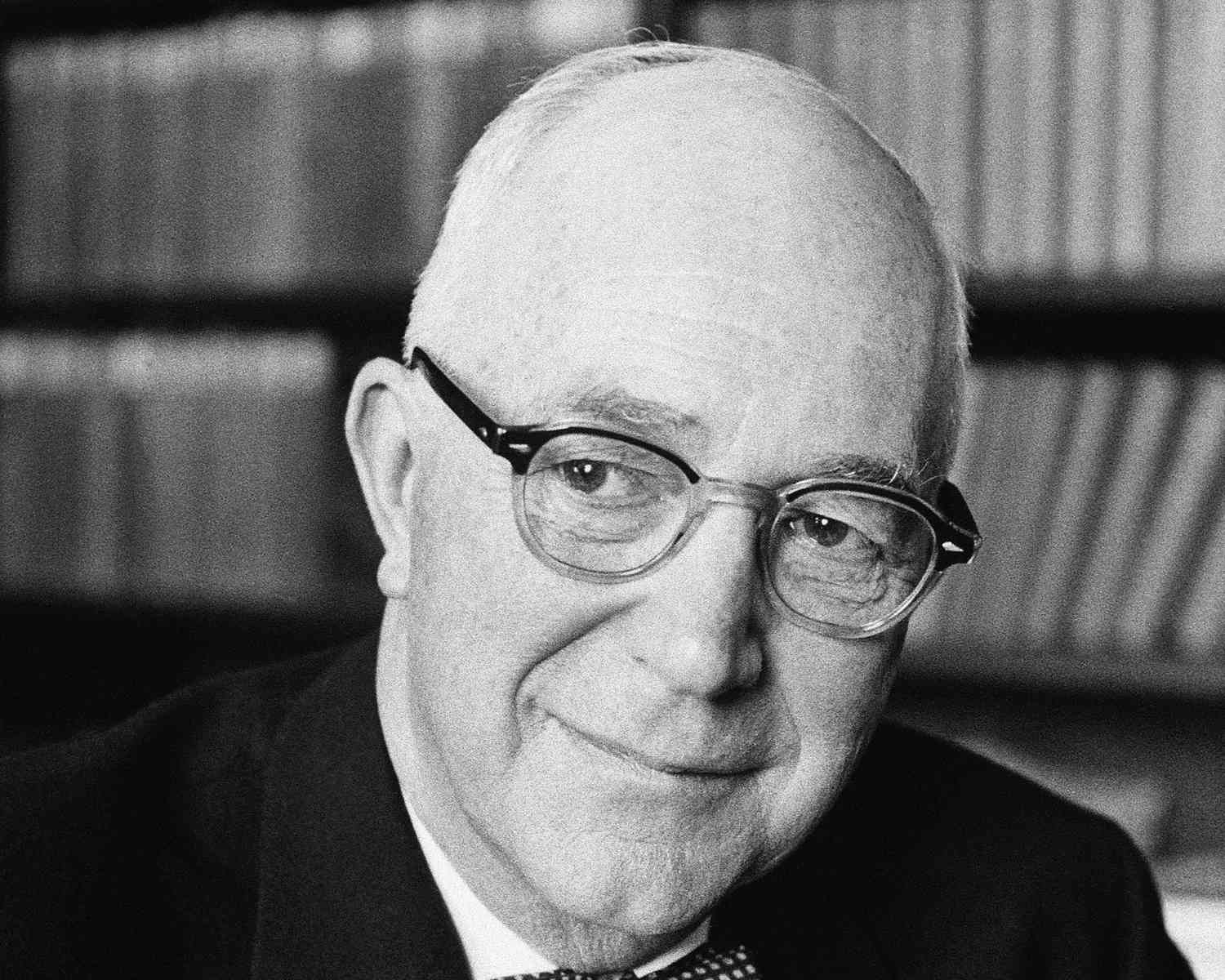
Gordon Allport (1897-1967) was a pioneering American psychologist who made significant contributions to the study of personality, social psychology, and the psychology of religion. He is best known for his trait theory of personality, which emphasizes the importance of individual differences and the unique patterns of traits that define each person’s personality. Allport’s work helped to establish personality psychology as a major field of study and influenced generations of researchers and practitioners.
-
Early Life and Academic Career
1.1. Childhood and Education
Gordon Willard Allport was born on November 11, 1897, in Montezuma, Indiana. He was the youngest of four sons born to John Edwards Allport, a country doctor, and Nellie Edith Wise, a schoolteacher. Allport’s early life was marked by a love of learning and a strong interest in human nature, influenced by his parents’ intellectual curiosity and commitment to education.
Allport excelled academically and graduated second in his high school class. He went on to study economics and philosophy at Harvard University, where he was influenced by the work of Hugo Münsterberg, a pioneer in applied psychology. Allport earned his bachelor’s degree in 1919 and his Ph.D. in psychology from Harvard in 1922.
1.2. Early Research and Academic Appointments
After completing his doctorate, Allport spent a year studying in Europe, where he was exposed to the work of Sigmund Freud, Carl Jung, and other prominent psychologists of the time. Upon returning to the United States, he took a position as an instructor at Dartmouth College, where he taught for two years before returning to Harvard as an assistant professor in 1924.
At Harvard, Allport established himself as a leading figure in the field of personality psychology. He was promoted to associate professor in 1926 and full professor in 1942, a position he held until his retirement in 1967. Throughout his career, Allport was known for his interdisciplinary approach, drawing on insights from philosophy, sociology, and anthropology to inform his psychological theories.
Key Contributions to Psychology
2.1. Trait Theory of Personality
Allport’s most significant contribution to psychology was his trait theory of personality. Unlike many of his contemporaries, who focused on universal dimensions of personality, Allport emphasized the importance of individual differences and the unique patterns of traits that define each person’s personality.
Allport defined traits as predispositions to respond in particular ways to various stimuli. He argued that traits are relatively stable over time and across situations, and that they form the basic building blocks of personality. Allport distinguished between three types of traits:
- Cardinal traits: Dominant traits that exert a pervasive influence on an individual’s behavior and define their personality (e.g., narcissism, altruism).
- Central traits: A smaller number of important traits that shape an individual’s behavior in many situations (e.g., honesty, shyness).
- Secondary traits: Less influential traits that are more specific to particular situations or contexts (e.g., a preference for certain foods).
Allport’s trait theory challenged the prevailing psychoanalytic and behaviorist approaches to personality, which emphasized unconscious drives and environmental determinants of behavior. Instead, he argued for a more holistic and idiographic approach that recognized the complexity and uniqueness of each individual’s personality.
2.2. The Study of Prejudice and The Nature of Prejudice
Allport made significant contributions to the study of prejudice and intergroup relations. In his landmark book, The Nature of Prejudice (1954), Allport defined prejudice as “an antipathy based on faulty and inflexible generalization” and explored the psychological, social, and cultural factors that contribute to its development and maintenance.
Allport argued that prejudice is rooted in the natural human tendency to categorize and stereotype, but that it is also shaped by social and historical factors such as competition for resources, unequal power relations, and the transmission of cultural norms. He proposed a contact hypothesis, which suggests that intergroup contact under certain conditions (e.g., equal status, common goals) can reduce prejudice and promote positive intergroup attitudes.
The Nature of Prejudice had a profound impact on the field of social psychology and continues to be widely cited and studied today. Allport’s ideas have informed research on stereotyping, discrimination, and intergroup relations, and have been applied in various settings to promote social justice and reduce prejudice.
2.3. The Psychology of Religion and The Individual and His Religion
Allport also made significant contributions to the psychology of religion. In his book The Individual and His Religion (1950), Allport explored the psychological functions of religious belief and practice, and distinguished between two types of religious orientation: intrinsic and extrinsic.
According to Allport, individuals with an intrinsic religious orientation view religion as an end in itself, and their religious beliefs and practices are central to their sense of meaning and identity. In contrast, those with an extrinsic orientation view religion as a means to other ends, such as social status or personal comfort, and their religious involvement is more superficial and utilitarian.
Allport’s distinction between intrinsic and extrinsic religious orientations has been widely studied and debated in the psychology of religion, and has informed research on the relationship between religion and mental health, prosocial behavior, and other outcomes. His work helped to establish the psychology of religion as a legitimate field of study and laid the foundation for subsequent research on religious development, conversion, and other topics.
Legacy and Impact
3.1. Influence on Personality Psychology
Allport’s trait theory of personality had a profound impact on the field of personality psychology. His emphasis on individual differences and the unique patterns of traits that define each person’s personality challenged the prevailing focus on universal dimensions of personality and helped to establish personality psychology as a major field of study.
Allport’s work influenced subsequent generations of personality researchers, including Raymond Cattell and Hans Eysenck, who developed their own trait theories and assessment tools. His ideas also informed the development of the Big Five model of personality, which has become the dominant framework for describing and measuring personality traits in contemporary psychology.
3.2. Contributions to Social Psychology
Allport’s contributions to the study of prejudice and intergroup relations had a significant impact on the field of social psychology. His contact hypothesis, which proposes that intergroup contact under certain conditions can reduce prejudice, has been extensively studied and applied in various settings, from schools to workplaces to international conflicts.
Allport’s ideas have informed research on stereotyping, discrimination, and intergroup relations, and have been used to develop interventions to promote social justice and reduce prejudice. His work has also influenced public policy and legal decisions related to desegregation, affirmative action, and other issues.
3.3. The Psychology of Religion
Allport’s contributions to the psychology of religion helped to establish the field as a legitimate area of study and laid the foundation for subsequent research on religious development, conversion, and other topics. His distinction between intrinsic and extrinsic religious orientations has been widely studied and debated, and has informed research on the relationship between religion and mental health, prosocial behavior, and other outcomes.
Allport’s work also challenged the prevailing view of religion as a neurotic or immature defense mechanism, and emphasized the potential for religion to promote personal growth, meaning, and moral development. His ideas have influenced the development of positive psychology and the study of virtues and character strengths.
-
Conclusion
Gordon Allport’s contributions to psychology have had a lasting impact on the field and continue to shape research and practice today. His trait theory of personality, his work on prejudice and intergroup relations, and his contributions to the psychology of religion have each left an indelible mark on their respective subfields and have influenced generations of scholars and practitioners.
Allport’s emphasis on individual differences and the unique patterns of traits that define each person’s personality challenged the prevailing focus on universal dimensions of personality and helped to establish personality psychology as a major field of study. His ideas have informed the development of influential personality theories and assessment tools, and continue to guide research on the structure and development of personality.
In the field of social psychology, Allport’s work on prejudice and intergroup relations has had a profound impact on our understanding of the psychological, social, and cultural factors that contribute to the development and maintenance of prejudice. His contact hypothesis has been widely studied and applied, and his ideas have informed efforts to promote social justice and reduce prejudice in various settings.
Finally, Allport’s contributions to the psychology of religion helped to establish the field as a legitimate area of study and laid the foundation for subsequent research on religious development, conversion, and other topics. His ideas challenged prevailing views of religion as a neurotic or immature defense mechanism, and emphasized the potential for religion to promote personal growth, meaning, and moral development.
As we reflect on the legacy of Gordon Allport, we are reminded of the enduring impact that a single scholar can have on the field of psychology and beyond. His ideas continue to inspire and inform research and practice, and his commitment to understanding the complexities of human personality, prejudice, and religion serves as a model for generations of psychologists to come.
Bibliography
- Allport, G. W. (1937). Personality: A psychological interpretation. Holt, Rinehart & Winston. – This influential book by Allport presents his theory of personality, emphasizing the uniqueness and individuality of each person.
- Allport, G. W. (1954). The nature of prejudice. Addison-Wesley. – A seminal work where Allport examines the psychological roots of prejudice and discrimination, proposing ways to combat them.
- Allport, G. W. (1961). Pattern and growth in personality. Holt, Rinehart & Winston. – Expands on Allport’s theory of personality development and the dynamic nature of individual growth.
- Allport, G. W. (1968). The person in psychology: Selected essays. Beacon Press. – A collection of Allport’s essays that reflect his views on personality, social psychology, and the study of individuals.
- Allport, G. W. (1971). Attitudes and social behavior. University of Chicago Press. – Discusses Allport’s research on attitudes, their formation, and their influence on social behavior.
- Allport, G. W. (1985). Becoming: Basic considerations for a psychology of personality. Yale University Press. – Published posthumously, this book explores Allport’s later thoughts on personality development and the philosophical foundations of psychology.
- Allport, G. W. (1991). Letters from Jenny: A love story. Harvard University Press. – A collection of letters between Gordon Allport and his wife, documenting their personal lives and providing insights into Allport’s character and interests beyond academia.
- Smith, M. B. (Ed.). (1997). Gordon Allport’s personality theory: A cultural perspective. Erlbaum. – A compilation of scholarly articles that examine Allport’s theories in the context of cultural influences on personality development.
Read More Depth Psychology Articles:
Taproot Therapy Collective Podcast
Influential Psychologists





















0 Comments