
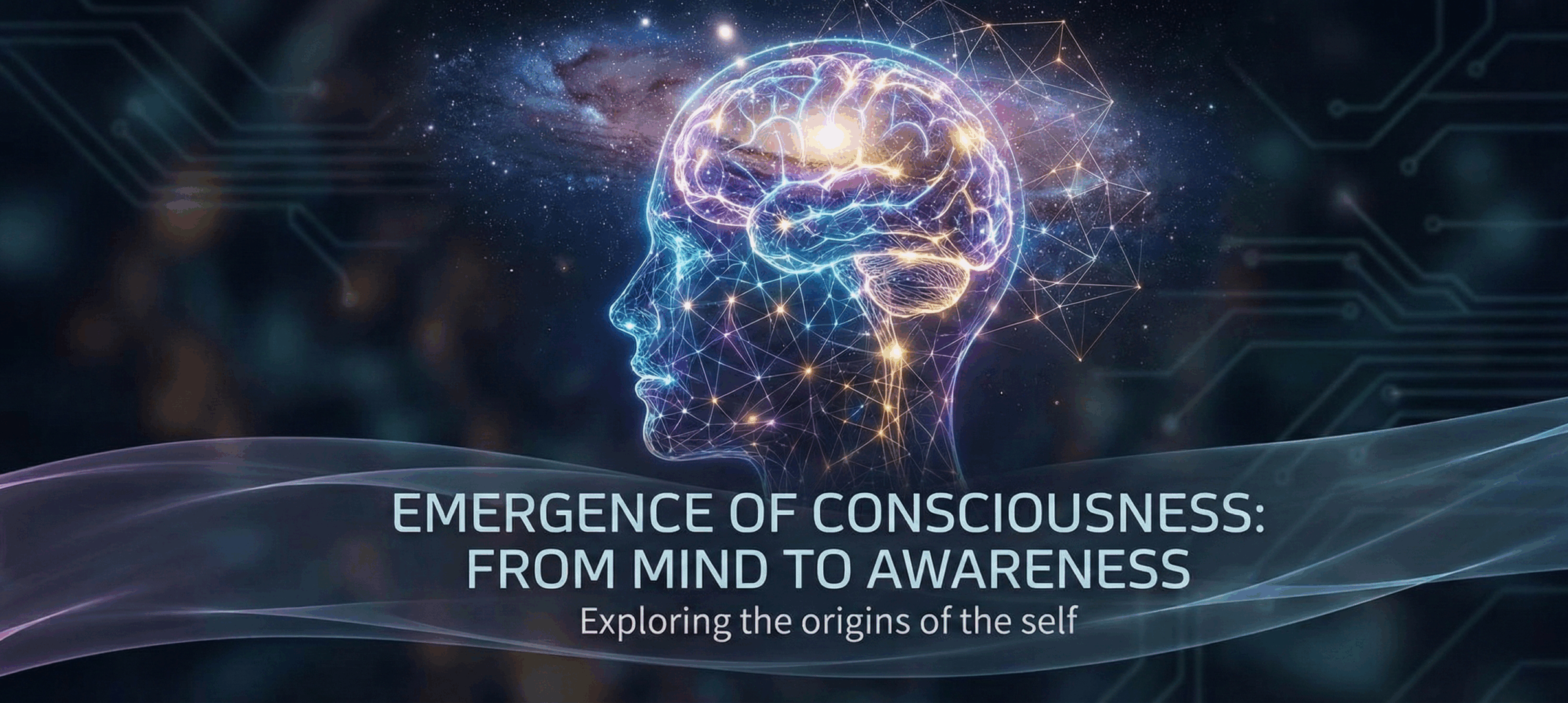
Something extraordinary is happening in consciousness research right now. After decades of incremental progress and philosophical stalemate, 2025—designated by the United Nations as the International Year of Quantum Science and Technology—has delivered a cascade of findings that fundamentally challenge how we understand the nature of mind, awareness, and subjective experience.
For those of us working in psychotherapy, these aren’t merely academic curiosities. The question of what consciousness is—how it emerges, where it resides, and what physical processes sustain it—shapes everything from how we conceptualize trauma to why certain interventions work. When a client sits across from us describing their inner experience, we’re engaging with consciousness directly. Understanding its mechanics isn’t abstract; it’s foundational to the healing work we do.
This comprehensive exploration examines the three major paradigms currently competing to explain consciousness: mechanical (computational) theories, quantum theories, and field theories. We’ll look at the empirical evidence that emerged in 2024-2025, explore what these findings mean for clinical practice, and consider how the apparent convergence of these perspectives might reshape therapeutic approaches in the coming years.
The Crisis of the Computational Mind: When the Brain-as-Computer Metaphor Breaks Down
For most of the past fifty years, neuroscience has operated under what we might call the “computational orthodoxy”—the assumption that consciousness emerges from the brain’s information processing in much the same way that software emerges from computer hardware. This view feels intuitively right to many people. After all, neurons fire or don’t fire (like binary switches), signals propagate through networks, and increasingly complex processing produces increasingly complex outputs.
Two dominant theories crystallized within this paradigm, and their clash—and mutual failure—in 2025 has opened cracks in the computational foundation that many researchers once considered unshakeable.
Global Neuronal Workspace Theory: The Theater of the Mind
Global Neuronal Workspace Theory (GNWT), developed by neuroscientist Stanislas Dehaene and Jean-Pierre Changeux, offers an elegant architectural model of consciousness. Imagine the brain as a vast theater. Most cognitive processing happens backstage—unconsciously, in parallel, across specialized modules handling vision, language, memory, and motor control. These backstage processes compete for access to the stage.
Consciousness, in this model, is what happens when information makes it onto the stage—when it’s “broadcast” to a global workspace, primarily located in the prefrontal cortex, where it becomes available to all other systems. This explains why we can report conscious experiences, store them in memory, and use them to guide deliberate action. The signature of consciousness, according to GNWT, is a sudden “ignition” of prefrontal activity around 300-500 milliseconds after a stimulus—a measurable neural event called the P3b potential.
For therapists, GNWT has intuitive appeal. It aligns with our clinical experience of helping clients bring unconscious material into conscious awareness—literally moving psychological content from “backstage” to “center stage.” The concept of cognitive broadcasting also maps onto how insight seems to work: when something clicks into conscious awareness, it suddenly becomes available for integration with everything else the client knows.
Integrated Information Theory: Consciousness as Structure
Integrated Information Theory (IIT), developed by neuroscientist Giulio Tononi, approaches consciousness from an entirely different direction. Rather than asking what the brain does, IIT asks what properties a system must have to support experience.
Tononi’s answer centers on integration—specifically, the amount of information generated by a system that cannot be reduced to the information generated by its parts. This is measured mathematically as Phi (Φ). A system with high Phi has irreducible wholeness; its parts are so interconnected that the whole genuinely exceeds the sum of its parts. According to IIT, consciousness doesn’t arise from processing information—it is integrated information.
Crucially, IIT locates the physical substrate of consciousness not in the prefrontal cortex but in the “posterior hot zone”—the densely interconnected grid of parietal, occipital, and temporal cortex. This region’s massive recurrent connectivity creates the integration IIT requires. The prefrontal cortex, by contrast, functions more like a feed-forward network—good for cognitive control but not the seat of experience itself.
For clinical work, IIT offers a different lens. It suggests that the quality of consciousness depends on the structural organization of the system supporting it. Dissociation, for instance, might represent a fragmentation of integration—a lowering of Phi that literally divides the unity of experience. Trauma’s impact on brain connectivity could be understood as damaging the very architecture that makes unified consciousness possible.
The COGITATE Verdict: Both Theories Fail
To resolve the conflict between GNWT and IIT, the scientific community organized one of the most ambitious “adversarial collaborations” ever attempted. The COGITATE consortium brought together proponents of both theories to design experiments that would definitively test their competing predictions. Involving 256 participants across multiple international laboratories, using fMRI, MEG, and intracranial EEG, the study was meant to settle the debate.
The results, analyzed through 2024 and published in Nature Human Behaviour, delivered a verdict that satisfied no one: both theories failed to fully predict the data.
GNWT’s failure was particularly striking. When subjects passively perceived stimuli without having to report them, the prefrontal “ignition” that supposedly marks consciousness often didn’t occur. The signature that GNWT identified as the hallmark of conscious experience turned out to be the signature of reporting conscious experience—the cognitive act of translating experience into thought or speech. This suggests that access and experience might be separate mechanisms, a distinction GNWT struggles to accommodate.
IIT fared somewhat better—the posterior hot zone did show consistent activation during conscious perception—but its dynamical predictions failed. IIT predicted that neurons representing a conscious percept must maintain sustained synchronization for as long as the experience persists. Instead, the data showed only transient synchronization at stimulus onset, followed by desynchronization, even while subjects reported continuous experience. If IIT’s math were correct, the experience should have dissolved when synchrony collapsed. It didn’t.
The implications for the field are profound. As the researchers at the University of Oxford summarized, this suggests that looking for consciousness solely in neuronal firing patterns may be fundamentally limited—”akin to analyzing the traffic flow of a city to understand the conversations happening in the cars.”
The Quantum Revolution: From Fringe Theory to Laboratory Fact
While computational theories struggle with what philosophers call the “binding problem”—how disparate neural activities merge into a single, unified experience—quantum theories have long proposed that quantum coherence might provide the physical basis for this unity. For decades, this perspective was marginalized, dismissed as neurological mysticism. Critics, most notably physicist Max Tegmark, argued that the brain is far too “warm, wet, and noisy” for quantum effects to survive—thermal agitation would destroy quantum states in femtoseconds, orders of magnitude too fast to matter for neural processing.
The years 2024 and 2025 have witnessed a dramatic reversal. New evidence has validated the core predictions of quantum consciousness theories, transforming them from philosophical speculation into testable biological hypothesis.
Orchestrated Objective Reduction: Penrose and Hameroff’s Framework
The most influential quantum theory is Orchestrated Objective Reduction (Orch OR), developed by mathematical physicist Sir Roger Penrose and anesthesiologist Stuart Hameroff. The theory rests on two pillars: a biological structure (microtubules) and a physical process (objective reduction).
Microtubules are cylindrical protein polymers that form the internal scaffolding of every cell, including neurons. But they’re far more than passive structural supports. Hameroff proposed that microtubules act as the “nervous system of the neuron”—processing information at the intracellular level through the switching of tubulin protein conformations. The interior of these tubes creates a hydrophobic (water-excluding) channel that might protect quantum states from the environmental noise that skeptics claimed would destroy them.
Penrose’s contribution comes from quantum physics itself. In standard quantum mechanics, a particle exists in “superposition”—multiple states simultaneously—until it’s “observed,” at which point it collapses into a single definite state. Penrose argued that this observer-dependent collapse is unphysical. Instead, he proposed that collapse is an objective event driven by gravity. When the mass in a superposition creates a significant enough difference in spacetime geometry, the instability triggers spontaneous collapse.
In the brain, according to Orch OR, these collapses are “orchestrated” by biological inputs—synaptic activity, protein interactions, resonant frequencies in the microtubule network. Each collapse is a discrete moment of conscious experience. Rapid sequences of these collapses create what we experience as the continuous stream of consciousness.
The Shielding Mechanism: How Quantum States Survive
The perennial objection to Orch OR has been decoherence. How can a delicate quantum state survive for the milliseconds required for neural processing in a warm biological environment?
Recent research has provided a compelling answer through the phenomenon of superradiance. When groups of quantum emitters—such as the aromatic tryptophan rings within tubulin proteins—interact with a common electromagnetic field, they can emit light coherently and create what’s called a “subradiant” state. This collective quantum behavior effectively decouples the system from environmental noise, protecting coherence far longer than physicists previously thought possible.
Studies published in 2024-2025 have confirmed that microtubule networks can support these superradiant states, enabling long-range quantum coherence that may span across neurons. This “optical network” within the cytoskeleton could enable information transfer at speeds far exceeding electrochemical signaling—potentially explaining how consciousness achieves its remarkable unity across the entire brain.
The Anesthesia Breakthrough: Proof of Concept
The most powerful validation of quantum consciousness came from an unexpected source: anesthesia research. If consciousness originates in quantum vibrations within microtubules, then general anesthesia—our only reliable method for turning consciousness off—should work by disrupting those vibrations.
For over a century, the mechanism of anesthesia was understood through the Meyer-Overton correlation, which showed that anesthetic potency correlates with lipid solubility. This implied action on membrane proteins or lipid bilayers—a purely classical mechanism. In 2025, researchers at Wellesley College overturned this assumption with an elegantly simple experiment.
The research team used a drug called epothilone B, which stabilizes microtubules—”stiffening” their lattice structure—but doesn’t affect membrane receptors. They administered this drug to rats, then exposed them to isoflurane, a common anesthetic gas.
The results were striking: rats treated with epothilone B became significantly resistant to anesthesia. They required higher doses to lose consciousness and recovered faster than controls. If anesthesia worked solely through membrane receptors, stabilizing the microtubules should have had no effect. The fact that “locking” the microtubules blocked the anesthetic’s action implies that anesthetics must work by disrupting the dynamic oscillations of the cytoskeleton—exactly what Orch OR predicts.
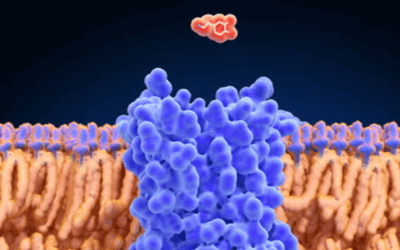
This finding, published in eNeuro, provides the first direct causal link between cytoskeletal dynamics and the state of consciousness. The anesthetic gas molecules appear to bind to hydrophobic pockets in tubulin, dampening the quantum vibrations required for conscious awareness. When microtubules were artificially stabilized, the anesthetic couldn’t dampen these vibrations effectively, and consciousness persisted.
The Field Paradigm: Consciousness as a Fundamental Feature of Reality
As mechanical and quantum theories contend with their respective challenges, a third category has gained significant traction in 2025: field theories. These models propose that consciousness isn’t a computation, and isn’t merely a cellular quantum event, but rather a fundamental physical field—analogous to gravity or electromagnetism—that permeates the universe.
Universal Consciousness: The Brain as Receiver
In late 2025, physicist Maria Strømme introduced a radical model that shifts consciousness from an emergent property of the brain to a fundamental building block of the universe. Departing from her background in nanotechnology, Strømme argues that our sensation of being a separate, bounded individual is an illusion created by biological hardware interacting with a universal background field.
In this framework, the brain functions as a transceiver—a transmitter/receiver—not a generator. It evolved to filter the universal consciousness field into a localized, coherent stream of data necessary for survival. The analogy is a radio picking up a specific frequency from a field of radio waves. The radio produces the sound we hear, but it doesn’t generate the signal; it selects from and decodes what’s already there.
This model offers intriguing explanations for phenomena that materialist neuroscience has struggled to address:
Terminal lucidity—the puzzling phenomenon where patients with severe dementia or brain damage suddenly regain clarity and memory shortly before death—might occur because the degrading brain (the filter) loses its blocking capacity, allowing “atypical access” to the universal field. As the interference structure of the “self” breaks down, paradoxically, more information becomes available.
Near-death experiences might reflect what happens when the filter dissolves completely during clinical death: the localized consciousness “returns to the ocean,” experiencing the expansion, interconnection, and sense of omniscience that NDE reports consistently describe across cultures.
For therapists, this framework resonates with concepts from depth psychology—Jung’s collective unconscious, Grof’s perinatal matrices, or the transpersonal experiences accessed through holotropic breathwork. It suggests that consciousness expansion isn’t creating new experience but removing filters that normally restrict access to broader fields of awareness.
The Electromagnetic Field of Mind
A more physically grounded field theory is the Conscious Electromagnetic Information (CEMI) theory, developed by Johnjoe McFadden. This theory proposes that the brain’s endogenous electromagnetic field—generated by the synchronous firing of neurons—is itself the physical substrate of consciousness.
McFadden distinguishes between digital and analog computation. Neurons perform digital computation: they fire or don’t fire, creating discrete, localized signals. But the electromagnetic field generated by this firing performs analog computation—continuous, unified, integrating information across space instantly at the speed of light. This solves the binding problem without requiring quantum entanglement. The field is inherently unified; it doesn’t need to be “bound” together because it was never separate.
Crucially, CEMI argues that this field isn’t just a byproduct of neural activity (like steam from a train) but exerts “downward causation” on the neurons themselves. Through a process called ephaptic coupling, the global electromagnetic field influences the firing probability of individual neurons, creating a feedback loop. The whole influences the parts, which generate the whole. This provides a physical mechanism for something like “agency” or “free will”—the field (the integrated experience) steering the neurons (the components) to guide the organism.
Recent studies using Optically Pumped Magnetometers (OPMs)—quantum sensors that can detect the brain’s magnetic fields with unprecedented precision—have mapped the fine structure of these fields during cognitive tasks. The data reveals that these fields contain high-fidelity information that correlates with conscious decision-making, supporting the idea that the field is functionally relevant, not just noise.
The Physics of Feeling: Spin, Light, and the Quantum Biology of Mind
Beyond the biological substrate, 2025 research has revealed surprising roles for fundamental physical forces in consciousness—specifically, nuclear spin and biophotons.
The Isotope Anomaly: When Chemistry Isn’t Enough
In classical chemistry, isotopes of an element behave identically because they have the same number of electrons—the particles responsible for chemical bonding. Isotopes differ only in neutron count, which affects nuclear mass and spin but not chemical reactivity. If the brain were purely chemical, isotopes should have identical effects.
They don’t. Recent studies have shown that xenon isotopes with different nuclear spins have significantly different anesthetic potencies, despite identical chemical properties. Similarly, lithium-6 and lithium-7—both used to treat bipolar disorder—have measurably different effects on hyperactivity in animal models.
Since the only difference between these isotopes is nuclear spin—a quantum property—the brain must be utilizing a mechanism sensitive to spin dynamics. This points toward quantum coherence and the radical pair mechanism—the same quantum effect that enables birds to navigate using Earth’s magnetic field—playing a role in human consciousness.
The implications extend to clinical practice. It suggests that consciousness is fundamentally coupled to magnetic fields and quantum spin dynamics, potentially explaining why some people report sensitivity to electromagnetic environments and why certain neuromodulation approaches that work with magnetic fields (like TMS) can have such profound effects on mental states.
Biophotons: The Brain’s Inner Light
Though enclosed in the darkness of the skull, neurons continuously emit ultraweak photons—particles of light called biophotons. Long dismissed as metabolic waste from oxidative stress, these emissions are now being reconsidered as a legitimate communication channel.
A provocative 2025 study demonstrated a “spectral redshift” in glutamate-induced biophotonic activity across species. As one moves up the evolutionary ladder of intelligence—from amphibians to rodents to primates to humans—the emitted biophotons shift significantly toward the red and near-infrared spectrum. This shift matters because brain tissue scatters blue and ultraviolet light but is relatively transparent to red and near-infrared wavelengths. Evolution appears to have optimized this emission for transmission through neural tissue.
Research indicates that myelinated axons may function as biological fiber optic cables—waveguides that allow light-speed information transfer bypassing the relative slowness of electrochemical signaling. This “optical neural network” could be the physical mechanism for the instantaneous global synchronization observed in conscious states. While the electrochemical network handles deliberate processing, the biophotonic network might handle the rapid binding of unified experience.
This research resonates with light-based therapeutic approaches like Emotional Transformation Therapy, which uses specific light frequencies to modulate emotional and psychological states. The discovery that the brain itself communicates through light opens new avenues for understanding why such interventions might work at the neurobiological level.
Mapping the Architecture: The Connectome and What It Reveals
These theoretical debates are increasingly grounded in the most detailed physical maps of the brain ever produced. The 2025 release of the high-resolution mouse connectome by the MICrONS consortium and the Allen Institute has provided the “hardware schematics” against which consciousness theories must now be tested.
This project reconstructed 120,000 neurons and over half a billion connections in a cubic millimeter of mouse cortex—a dataset of extraordinary complexity and detail. Several findings stand out:
The connectome revealed an unexpectedly high density of recurrent feedback loops. In many cortical areas, “backward” connections (feedback) actually outnumber “forward” connections (feedforward). This architectural feature strongly favors theories like IIT and Orch OR that rely on recursion and feedback to build experiential complexity. Simple feedforward networks—like most current artificial neural networks—lack this recursive density.
Research utilizing this data has shown that brain connectivity patterns act as unique “fingerprints” that can predict specific mental functions. This structural determinism suggests that the physical architecture of neural connections constrains what kinds of consciousness a brain can support—a finding with implications for understanding developmental differences, the effects of trauma on brain connectivity, and why some therapeutic approaches work better for some individuals than others.
New Tools for Seeing Consciousness: The Technology Revolution
Progress in consciousness research is inseparable from our ability to measure brain states. 2025 has introduced revolutionary technologies that allow us to observe the brain at scales and frequencies previously invisible.
The Dodecanogram: Measuring the Quantum Brain
Standard EEG is limited to relatively low frequencies, typically below 100 Hz. But if microtubule vibrations (predicted by Orch OR) occur in the megahertz to terahertz range, standard tools can’t detect them. The newly developed Dodecanogram (DDG) addresses this limitation, detecting brain activity across twelve orders of magnitude in frequency—from milliseconds to nanoseconds.
The findings have been remarkable. The DDG has detected distinct spectral signatures in high-frequency ranges that correlate with conscious states. Even more intriguingly, brain activity appears to be fractal—patterns in the slow Hz range observable with standard EEG are self-similar reflections of patterns in the fast MHz range associated with microtubule dynamics. This provides the first potential direct measurement of the “quantum underground” of the brain, linking the slow biological clock of neural firing to the fast quantum clock of cytoskeletal vibration.
Quantum Sensors: The OPM Revolution
Traditional magnetoencephalography (MEG) requires massive, expensive machines cooled with liquid helium to near absolute zero. Optically Pumped Magnetometers (OPMs) represent a quantum leap forward—lightweight sensors using alkali atoms in a vapor state that operate at room temperature and can be placed directly on the scalp.
OPMs exploit quantum coherence in their sensor atoms: when magnetic fields from firing neurons interact with the sensor, they alter the quantum spin states of alkali atoms, which changes how much laser light passes through the vapor. This provides extraordinarily sensitive detection of the brain’s magnetic activity.
The advantages are significant: subjects can move naturally, interact with their environment, and perform realistic tasks while being measured. Signal-to-noise ratios improve dramatically over conventional EEG. For testing field theories of consciousness—like McFadden’s CEMI—OPMs offer a direct way to map the fine-grained electromagnetic patterns that might constitute the physical substrate of awareness.
Engineering Consciousness: From Theory to Intervention
To truly validate a theory, one must be able to manipulate its proposed mechanism. 2025 has seen the rise of non-invasive neuromodulation techniques that target the specific substrates proposed by different consciousness theories—opening new therapeutic possibilities.
Temporal Interference Stimulation: Reaching Deep Structures
Temporal interference (TI) stimulation represents an elegant solution to a long-standing problem: how to stimulate deep brain structures without surgery. The technique uses two high-frequency electric fields (for example, 2000 Hz and 2010 Hz) applied to the scalp. These frequencies are too fast for neurons to respond to individually—they pass through the cortex without effect. But where the two fields intersect deep in the brain, they create a “beat frequency” equal to their difference (10 Hz in this example), which does activate neurons.
This allows researchers to selectively stimulate structures like the thalamus—a key hub in GNWT’s global workspace—without invasive procedures. Clinical trials are now investigating whether TI stimulation can restore consciousness in patients with disorders of consciousness, directly testing whether activating specific network hubs can “turn on” awareness.
Transcranial Ultrasound: Vibrating the Cytoskeleton
Transcranial ultrasound stimulation (TUS) offers a tool for testing Orch OR directly. Ultrasound consists of mechanical vibrations, and low-intensity TUS can be tuned to megahertz frequencies—the theoretical resonant frequency of microtubules.
Hameroff and colleagues have argued that TUS works by physically vibrating the cytoskeleton, potentially modulating quantum coherence. Studies have shown that TUS can influence mood states, improve cognition in Alzheimer’s patients, and even facilitate recovery from coma. Since ultrasound interacts weakly with cell membranes but strongly with the rigid microtubule lattice, these effects support the cytoskeletal theory of consciousness over purely synaptic models.
Clinical Implications: What This Means for Psychotherapy
For clinicians, these developments aren’t merely theoretical. They point toward a more nuanced understanding of consciousness that has direct implications for therapeutic practice.
Reconceptualizing Dissociation
If consciousness depends on integrated information (IIT) or unified field dynamics (CEMI), dissociation might be understood not just as a psychological defense but as a physical fragmentation of the mechanisms that produce unified awareness. Trauma doesn’t just create psychological splits; it may literally alter the brain’s capacity for integration at the architectural level. This suggests that effective trauma treatment must address not just memory and meaning but the restoration of integrative capacity—something that somatic and body-based approaches may accomplish more directly than purely verbal therapies.
Understanding Altered States
The field paradigm—particularly Strømme’s universal consciousness model—offers a framework for understanding the therapeutic value of altered states. If the brain normally functions as a filter, reducing universal awareness to a manageable trickle, then practices that temporarily loosen this filter (meditation, breathwork, psychedelic-assisted therapy) don’t create new experiences so much as they expand access to existing information. This aligns with clinical observations that such states often bring insight, integration, and healing through expanded perspective rather than through adding new content.
The Mind-Body Connection
The discovery that consciousness has roots in the cytoskeleton—the structural basis of every cell in the body—provides a scientific foundation for understanding somatic approaches to mental health. If microtubules throughout the body are participating in quantum processes related to awareness, the sharp division between “mental” and “physical” health becomes untenable. Body-oriented interventions aren’t just affecting psychological content through physical metaphor; they may be directly modulating the physical substrate of consciousness itself.
Light-Based and Frequency-Based Interventions
The evidence for biophotonic communication and electromagnetic field consciousness suggests that interventions using light, sound, and electromagnetic frequencies may have more direct effects on consciousness than previously understood. Techniques that work with color, light frequencies, or brainwave entrainment might be operating on the physical medium of awareness itself, not merely providing symbolic or relaxation effects. This opens avenues for developing and refining frequency-based therapeutic approaches with clearer theoretical foundations.
Toward a Unified Model: The Tripartite Framework
The evidence emerging in 2025 increasingly points toward a hybrid understanding—one that integrates insights from all three paradigms:
The Quantum Substrate: Cytoskeletal microtubules and radical pair systems utilize quantum coherence and spin dynamics to generate what might be called “protoconsciousness”—the fundamental capacity for experience. This is the target of anesthetics, the level at which the lights of awareness are switched on or off.
The Field Integrator: The brain’s endogenous electromagnetic field and biophotonic networks integrate quantum activity across the entire organ at light speed, creating the unity and binding of experience. This is where the raw capacity for awareness becomes unified, coherent experience.
The Classical Processor: The synaptic connectome and global workspace process this integrated field to generate output, memory, and the narrative of self. This is where experience becomes thought, where awareness becomes agency, where the stream of consciousness is shaped into the story we tell ourselves about who we are.
This tripartite model suggests that consciousness isn’t located at any single level but emerges from the interaction of all three—quantum events giving rise to field dynamics, which in turn shape and are shaped by classical neural processing. Each level offers points of intervention, and effective therapy may ultimately require approaches that address multiple levels simultaneously.
Looking Forward: The Research Frontier
The “adversarial collaboration” model exemplified by COGITATE has demonstrated that simple confirmation isn’t enough—theories must make falsifiable predictions and survive rigorous testing. The next phase of research will likely focus on several critical questions:
How exactly do quantum oscillations in microtubules couple with classical neuronal firing? Understanding this interface is essential for developing targeted interventions that could modulate consciousness at its source.
Can we develop room-temperature measurement of quantum coherence in living tissue? This would allow verification of theoretical predictions in vivo, moving quantum consciousness from inference to direct observation.
What happens to consciousness when organisms are isolated from external electromagnetic fields? Strømme’s universal field model predicts degradation of consciousness when “disconnected” from the environment—a testable if challenging proposition.
As researchers at The Quantum Insider have noted, decision-making appears to require both quantum and classical processes—neither alone is sufficient. This suggests that the future of consciousness research lies not in proving one paradigm right and others wrong, but in understanding how multiple levels of physical organization work together to create the remarkable phenomenon of subjective experience.
The End of Speculation, The Beginning of Engineering
We stand at a remarkable inflection point. For millennia, consciousness was the province of philosophers and mystics. For the past century, it has been the subject of scientific investigation, albeit often frustrated by the limits of our tools and theories. In 2025, we’re entering something new: the era of consciousness engineering.
The mechanical paradigm revealed the architecture but couldn’t explain the experience. The quantum paradigm identified a plausible physical mechanism but struggled to connect it to higher cognition. The field paradigm offered unity but seemed to invoke mysterious substances. Now, these perspectives are converging. We’re beginning to see how quantum events in the cytoskeleton might generate electromagnetic fields that in turn are processed by classical neural networks—a layered system where consciousness emerges from the interaction of all levels.
For those of us in the healing professions, this convergence matters deeply. It suggests that consciousness isn’t a ghost in the machine or an illusion to be explained away, but a fundamental feature of properly organized physical systems—perhaps of the universe itself. It implies that our work with clients’ conscious experience is engaging with something real at the most basic level of physical reality. And it points toward new possibilities for intervention, healing, and human flourishing as we learn to work with consciousness at all its levels.
The hard problem—why there is experience at all—remains unsolved. But the physical problem—identifying the machinery—is rapidly becoming transparent. We know more about the substrates of consciousness today than at any point in human history, and the pace of discovery is accelerating. For therapists willing to engage with this science, the coming years promise not just better understanding, but better tools for the work of healing minds.
Joel is a Licensed Independent Clinical Social Worker (LICSW-S) and Clinical Director of Taproot Therapy Collective in Birmingham, Alabama. His practice specializes in integrated brain-based approaches for complex trauma, including brainspotting, EMDR, Emotional Transformation Therapy, and neuromodulation. He writes regularly on the intersection of neuroscience, depth psychology, and clinical practice.











0 Comments