
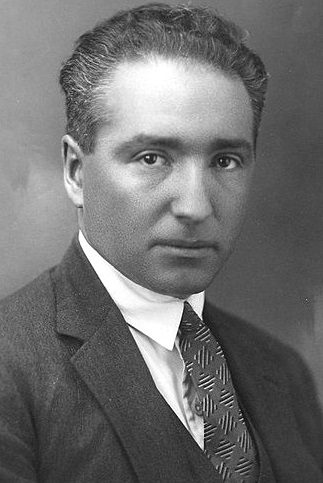
Who Was Wilhelm Reich?
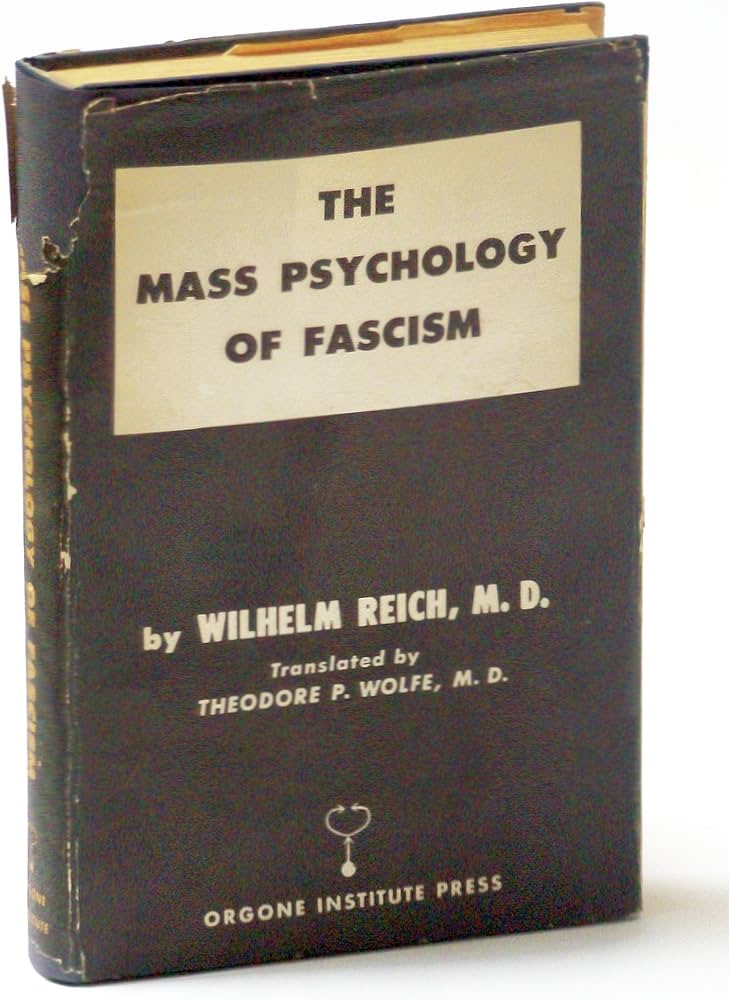
 Wilhelm Reich, a prominent psychoanalyst and philosopher, made significant contributions to the understanding of fascism through his groundbreaking work, “The Mass Psychology of Fascism.” Despite the enduring wisdom of his analysis, Reich’s ideas faced numerous challenges and controversies during his lifetime. In this article, we will explore Reich’s perspective on fascism, the problems with his adoption by both psychoanalysts and communists, and the lasting impact of his work on political psychology and social theory.
Reich’s Analysis of Fascism
In “The Mass Psychology of Fascism,” Reich argued that fascism emerges from the suppression of natural human desires and emotions, particularly sexual desires. He believed that the authoritarian family structure, coupled with the repressive nature of capitalist societies, creates individuals who are prone to accepting and supporting fascist ideologies.
According to Reich, the rigid character structures that result from emotional and sexual repression make people vulnerable to the appeal of authoritarianism. These character structures, which he termed “character armoring,” serve as a defense mechanism against the individual’s own repressed desires and the pressures of society.
Reich posited that fascist leaders exploit the masses’ repressed emotions and desires by providing an outlet for their expression through nationalism, racism, and militarism. By channeling these repressed energies into a sense of belonging and purpose within a hierarchical and authoritarian system, fascist regimes gain the support and obedience of the population.
Challenges and Controversies
Despite the profound insights offered by Reich’s analysis, his ideas faced significant challenges and controversies during his lifetime. These problems stemmed from his unique position at the intersection of psychoanalysis and Marxist theory, which made him a controversial figure among both psychoanalysts and communists.
Psychoanalysts’ Rejection
Many psychoanalysts of Reich’s time found his ideas too radical and unconventional. His emphasis on the role of sexual repression in shaping political ideologies diverged from the more narrow, intrapsychic focus of classical psychoanalysis. Reich’s incorporation of Marxist concepts and his insistence on the importance of social and economic factors in psychological development were seen as a deviation from the established psychoanalytic canon.
Moreover, Reich’s critique of the traditional family structure and his advocacy for sexual liberation challenged the prevailing social norms and the conservative values held by many psychoanalysts. As a result, Reich’s theories were often met with skepticism, dismissal, or outright hostility from the psychoanalytic community.
Communist Opposition
On the other hand, Reich’s ideas also faced resistance from orthodox Marxists and communist thinkers. They often criticized his work for placing too much emphasis on individual psychology and sexual liberation, arguing that these factors were secondary to the primary importance of class struggle and economic determinism.
Communists viewed Reich’s focus on personal transformation and the liberation of repressed desires as a distraction from the more pressing issues of social and political revolution. They argued that Reich’s theories undermined the unity and discipline required for effective political action and that his ideas were incompatible with the collectivist vision of communist ideology.
Enduring Wisdom and Impact
Despite the challenges and controversies surrounding Reich’s work, his analysis of fascism continues to offer valuable insights and enduring wisdom. His concept of character armoring and his emphasis on the interconnectedness of personal, emotional, and political factors in shaping social phenomena have had a lasting impact on various fields, including political psychology, somatic psychology, and social theory.
Reich’s ideas have influenced subsequent generations of scholars and activists who have built upon his work to develop a more nuanced understanding of the psychological dynamics underlying political ideologies and social movements. His critique of the authoritarian personality and his analysis of how emotional suppression can lead to the acceptance of oppressive political systems remain highly relevant in contemporary discussions of populism, extremism, and the rise of authoritarian tendencies worldwide.
Moreover, Reich’s emphasis on the importance of personal liberation and the need to address the root causes of emotional and sexual repression has contributed to the development of various therapeutic approaches, such as body psychotherapy and somatic experiencing. These approaches recognize the close relationship between psychological well-being and physical health, and seek to promote healing and self-awareness through the integration of mind and body.
In recent years, there has been a renewed interest in Reich’s work, as scholars and practitioners seek to apply his insights to the challenges of the 21st century. His analysis of fascism and his critique of the social and psychological factors that contribute to the rise of authoritarian regimes remain highly relevant in an era marked by increasing political polarization, economic inequality, and social unrest.
Conclusion Wilhelm Reich’s analysis of fascism, as presented in “The Mass Psychology of Fascism,” offers a profound and thought-provoking perspective on the psychological underpinnings of authoritarian ideologies. Despite the challenges and controversies that surrounded his ideas during his lifetime, Reich’s work continues to provide enduring wisdom and valuable insights into the complex interplay between individual psychology and political systems.
While Reich’s unconventional approach and his synthesis of psychoanalytic and Marxist concepts made him a controversial figure among both psychoanalysts and communists, his legacy has had a lasting impact on various fields, including political psychology, somatic psychology, and social theory. His emphasis on the interconnectedness of personal, emotional, and political factors in shaping social phenomena remains highly relevant in understanding the challenges of our times.
As we continue to grapple with the rise of authoritarianism, populism, and extremism in various parts of the world, revisiting Reich’s work can offer valuable perspectives on the psychological dynamics that underlie these phenomena. By recognizing the importance of addressing the root causes of emotional and sexual repression, and by promoting personal liberation and social transformation, we can work towards creating a more just, equitable, and compassionate society.
In conclusion, Wilhelm Reich’s analysis of fascism, while controversial during his lifetime, offers enduring wisdom and important insights that continue to shape our understanding of the complex relationship between individual psychology and political systems. As we navigate the challenges of the 21st century, engaging with Reich’s ideas can help us develop a more comprehensive and nuanced approach to promoting personal and collective well-being.
Bibliography:
- Reich, W. (1933). The Mass Psychology of Fascism. New York: Farrar, Straus and Giroux.
- Sharaf, M. (1994). Fury on Earth: A Biography of Wilhelm Reich. New York: Da Capo Press.
- Bennett, P. W. (2010). The persecution of Dr. Wilhelm Reich by the government of the United States. International Forum of Psychoanalysis, 19(1), 51-65.
- Corrington, R. S. (2003). Wilhelm Reich: Psychoanalyst and Radical Naturalist. New York: Farrar, Straus and Giroux.
- Greenfield, J. (1974). Wilhelm Reich vs. the U.S.A. New York: W.W. Norton & Company.
- Higgins, M., & Raphael, C. M. (Eds.). (1967). Reich Speaks of Freud. New York: Farrar, Straus and Giroux.
- Katerndahl, D. A. (2005). The Mass Psychology of Fascism: Wilhelm Reich. Family Medicine, 37(2), 132-133.
- Roeckelein, J. E. (2006). Wilhelm Reich (1897–1957). Elsevier’s Dictionary of Psychological Theories, 524-525.
- Lowen, A. (1975). Bioenergetics: The Revolutionary Therapy That Uses the Language of the Body to Heal the Problems of the Mind. New York: Coward, McCann & Geoghegan.
- Boadella, D. (1974). Wilhelm Reich: The Evolution of His Work. Chicago: Henry Regnery Company.
- Pietikainen, P. (2021). Wilhelm Reich: An Infant of His Time. In Madness: A History (pp. 392-395). Routledge.
- Turner, C. (2011). Adventures in the Orgasmatron: How the Sexual Revolution Came to America. New York: Farrar, Straus and Giroux.
- Cohen, N. W. (Ed.). (1982). Psychoanalysis and the Natural Sciences (Vol. 5). MSS Information Corporation.
- Ollendorff, I. O. (1969). Wilhelm Reich: A Personal Biography. New York: St. Martin’s Press.
- Elsdon, D. M. (2016). The Mass Psychology of Fascism: Wilhelm Reich’s Classic Work. International Journal of Health Services, 46(1), 198-201.
























0 Comments