

Beyond Simple Diagnoses: Navigating Complex, Comorbid Neurological Profiles
In traditional psychiatry, clinical mapping has historically treated conditions as isolated, single-variable issues. A patient is given a checklist for ADHD, a manual for Autism, or a protocol for Generalized Anxiety Disorder, as if these traits exist in hermetically sealed compartments.
In clinical reality, human neurology is deeply intricate, highly fluid, and profoundly interconnected.
When analyzing complex neurological profiles, clinical isolation is a disservice to the patient. True neurodevelopmental complexity rarely presents as a solitary diagnosis. Instead, clinicians see an overlapping matrix of traits: an individual navigating AuDHD (the intersection of Autism and ADHD), an autistic patient experiencing severe OCD rigidity, or a person with severe executive dysfunction dealing with the cyclical, structural challenges of Bipolar Disorder.
Furthermore, this complexity is not strictly psychological. There is a profound biological correlation between neurodivergence and systemic physical variations, such as the highly documented link between Autism, ADHD, hypermobility, and Ehlers-Danlos Syndrome (EDS).
At Taproot Therapy Collective, we recognize that when you possess a complex neurological profile, you are forced to carry a massive, chronic allostatic load—the physiological wear and tear on a nervous system that must constantly manualize behaviors to survive in a world built for a neurotypical baseline.
The Structural Intersection of Comorbidity
When multiple neurodevelopmental or psychiatric conditions co-occur, they do not simply sit next to each other; they actively alter how each condition manifests. This structural interplay creates unique, often contradictory cognitive and sensory experiences that frequently break standard diagnostic models.
1. The AuDHD Paradox (Autism + ADHD)
The co-occurrence of Autism and ADHD is one of the most common—yet clinically mismanaged—neurological matrixes. This profile creates an internal tug-of-war within the central nervous system:
-
The ADHD component constantly seeks novelty, dopamine, stimulation, and rapid transitions.
-
The Autistic component deeply requires predictability, routine, low sensory stimulation, and absolute sameness.
When one system’s needs are met, the other is often thrown into a state of distress. If the individual pursues novelty to satisfy their ADHD, the autistic nervous system can rapidly tip into sensory overload or a protective shutdown. Conversely, if they stick to a rigid routine to calm their autism, the ADHD brain becomes profoundly under-stimulated, causing severe executive paralysis and depression.
2. Neurodivergent OCD and Anxiety
In neurotypical profiles, Obsessive-Compulsive Disorder is frequently driven by ego-dystonic intrusive thoughts. In an autistic or ADHD profile, however, obsessive behaviors often evolve as a subcortical defense mechanism. When an individual experiences chronic sensory trauma and executive chaos from navigating unaccommodating spaces—whether within the competitive academic pressures of the UAB medical sector or traditional corporate structures in Birmingham—the brain utilizes rigidity and compulsions as a desperate attempt to manufacture safety and predictability for a red-lined nervous system.
3. The Masking Exhaustion and Gender Differences
A major diagnostic hurdle is that complex profiles are frequently masked, particularly in women, late-diagnosed adults, and non-binary individuals. High cognitive capacity allows individuals to manually track social cues, simulate neurotypical eye contact, and suppress stimming behaviors.
However, this masking requires an immense expenditure of metabolic energy from the prefrontal cortex. Because this energy is borrowed from your vital executive functioning reserves, masked neurodivergence almost inevitably manifests in adulthood as chronic, treatment-resistant depression, fibromyalgia, unexplained chronic pain, and profound neurodivergent burnout.
The Neurobiology of Symptom Overlap
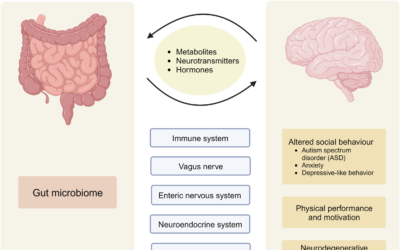
Because the brain utilizes shared neural pathways to process attention, emotional regulation, and sensory information, symptoms can rarely be cleanly attributed to a single cause.
| Clinical Presentation | Potential ADHD Mechanism | Potential Autistic Mechanism | Potential Trauma/C-PTSD Root |
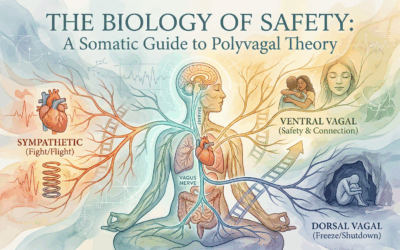
| Executive Paralysis | Chronic dopamine deficiency in the prefrontal cortex leading to task-initiation failure. | Task paralysis caused by a lack of explicit, structured predictability or sensory dread. | A dorsal vagal shutdown response where the nervous system freezes to preserve energy under threat. |
| Emotional Dysregulation | Amygdala hyper-reactivity combined with a lack of top-down inhibition from the prefrontal cortex. | Intense sensory overwhelm or a meltdown triggered by an invisible accumulation of environmental friction. | Flashback activation or an unbuffered survival response to an environmental trigger mirroring past invalidation. |
| Social Withdrawal | Overwhelm from the working-memory load required to sustain long, uninteresting social interactions. | Profound exhaustion from manually decoding non-verbal communication and masking natural autistic traits. | A protective, avoidant survival strategy designed to insulate the self from interpersonal threat or rejection. |
Shifting From Siloed Treatment to Bottom-Up Integration
Because traditional, siloed mental health approaches isolate symptoms, they often fail individuals with complex profiles. Prescribing standard behavioral modifications to an exhausted, burnt-out neurodivergent individual often functions as a form of clinical invalidation—it demands that the patient utilize more executive energy when their cognitive tank is already entirely dry.
True support requires an integrated, personalized framework that prioritizes the physiological state of the nervous system first.
Advanced Somatic and Subcortical Modalities
At Taproot Therapy Collective, our clinicians specialize in neuro-affirming, “bottom-up” modalities that process distress below the conscious mind, restoring structural balance to the autonomic nervous system:
-
qEEG Brain Mapping and Neurofeedback: Rather than guessing based on behavioral checklists, we can map the brain’s unique electrical activity. This allows us to see exactly where cognitive fatigue, hyperarousal, or executive deficits live in your neural networks, guiding targeted protocols to build neurological stamina.
-
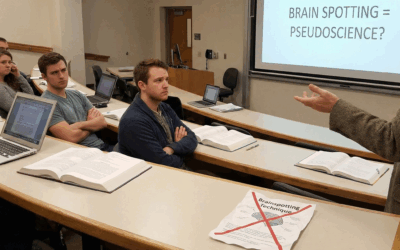
Brainspotting and EMDR: For a neurodivergent person, living in an invalidating world is an inherently traumatic experience. We utilize Brainspotting and EMDR to bypass the exhausted prefrontal cortex, accessing the subcortical midbrain to safely process the deep emotional fatigue and implicit trauma of chronic masking.
-
Somatic Experiencing (SE): Because neurodevelopmental complexity often co-occurs with sensory processing sensitivities, stress is held deeply in the body. SE guides patients to safely track internal physical sensations (interoception), allowing the body to gently discharge trapped survival energy and expand its overall Window of Tolerance.
-
Parts-Based Therapy (IFS): We work directly with the internal “parts” of the psyche that developed to protect you—such as the hyper-perfectionist parts, the over-achieving managers, or the parts that use dissociation to escape sensory pain. IFS helps unburden these exhausted protector systems, allowing your authentic, untamed self to lead.
Cultivating Neuro-Affirming Environments
Healing from the exhaustion of a complex profile is not about fixing a broken brain; it is about recognizing your biological boundaries and restructuring your life to honor your neurological reality.
This requires shifting from a deficit-based model to a strength-based perspective. The unique wiring that causes executive dysfunction also frequently drives deep hyper-focus, profound creative synthesis, systemic problem-solving capabilities, and intense passion for specific areas of interest.
True systemic wellness involves advocating for necessary workplace or educational adjustments—such as flexible scheduling, sensory-friendly environments, and explicit, direct communication. It means connecting with neurodivergent communities where your unmasked, authentic self is validated rather than paths of conformity being demanded. Your neurology is not a pathology to be cured; it is an intricate, valid, and profound way of experiencing the world.
Crisis Resources and Community Healthcare Networks
If you are experiencing acute emotional distress, navigating a systemic mental health crisis, or seeking inclusive, neuro-affirming and specialized healthcare within the greater Birmingham and St. Clair County areas, the following authoritative resources are available:
Immediate Crisis Intervention
-
Crisis Center Birmingham (24/7 Support Line): (205) 323-7777 – Immediate, confidential care for emotional distress, trauma, and acute crises.
-
National Suicide & Crisis Lifeline: Dial 988 – Free, 24/7 statewide crisis support.
-
UAB Psychiatry Emergency Services: (205) 934-7008 – Urgent psychiatric evaluation and medical crisis intervention at UAB Hospital.
-
Rape Response Line (Crisis Center Bham): (205) 323-7273 – 24/7 dedicated support for survivors of sexual assault.
-
Alabama Domestic Violence Hotline: 1-800-650-6522 – 24/7 statewide crisis intervention and shelter resources.
-
Veterans Crisis Line: Dial 988 (Press 1) – Dedicated, immediate support for veterans in distress.
LGBTQ+ Affirming & Relationship Diversity Support
-
Magic City Acceptance Center (MCAC): Providing affirmative programming, adult support networks, and community spaces for the LGBTQ+ population in Birmingham.
-
Steel City Spectrum: Dedicated to providing comprehensive resources and community support for transgender and gender-nonconforming individuals.
-
Inclusive Therapists Directory: An online registry connecting individuals with localized, poly-friendly, non-monogamy affirming, and neuro-divergent centered clinicians in Hoover and Birmingham.
Low-Cost & Community Mental Health Access
-
United Way of Central Alabama (Dial 2-1-1): Connecting residents to low-cost mental health care, housing assistance, and essential community resources.
-
Impact Family Counseling: Offering sliding-scale therapeutic services for families navigating anxiety, depression, and trauma.
-
Oasis Counseling for Women and Children: Specializing in low-cost, trauma-informed individual and family therapy.
If you are looking for specialized, somatic trauma therapy or advanced neuro-processing tools like qEEG brain mapping designed to support your complex neurological profile, contact our clinical team at Taproot Therapy Collective to schedule a depth-oriented, neuro-affirming intake.


















0 Comments