
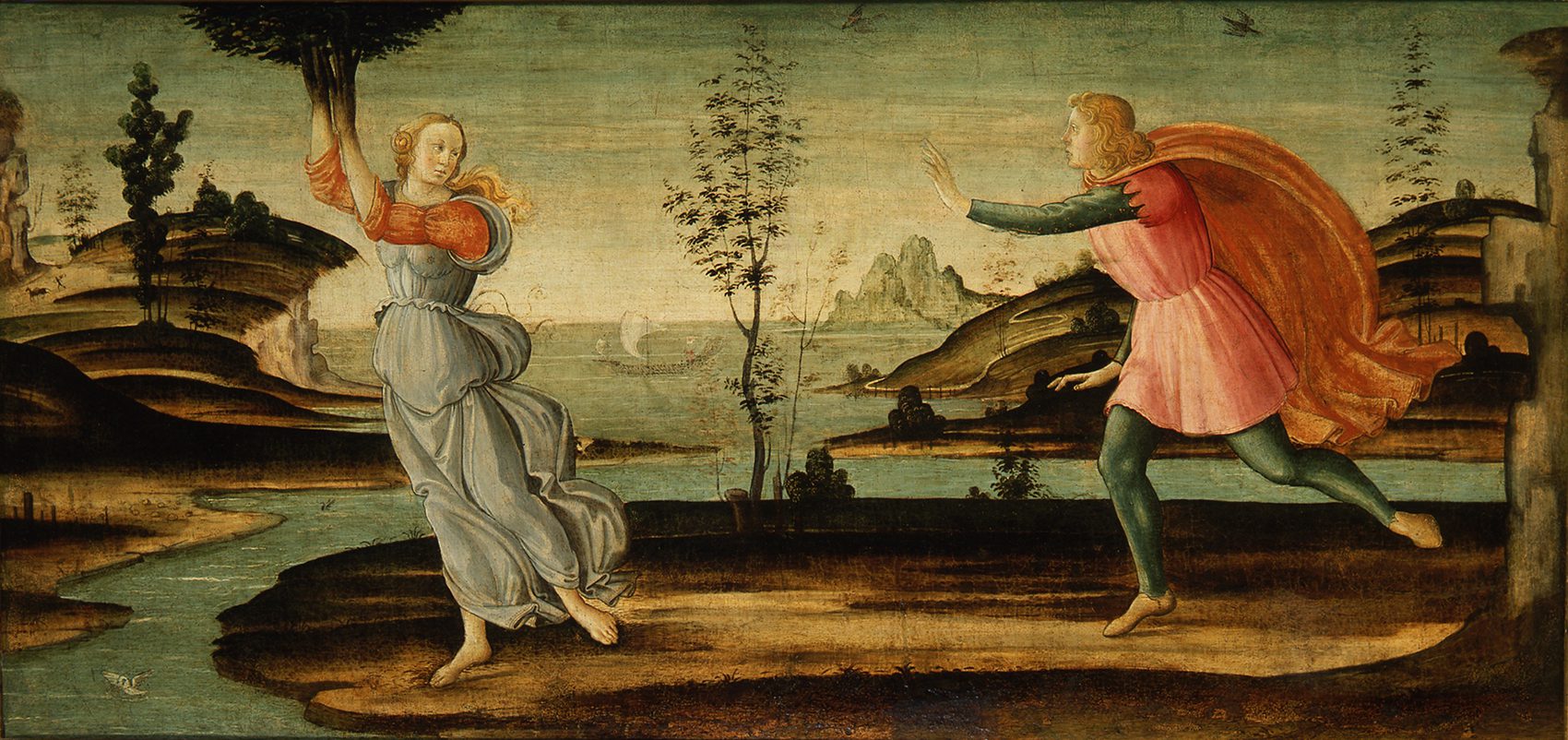
Have you ever wondered why you keep attracting the same type of person, even when you consciously want something different? Or why that initial spark of attraction sometimes leads to the most challenging relationships? The answer lies deep in your unconscious mind, in what Carl Jung called the “shadow”—the parts of yourself you haven’t fully acknowledged or integrated.
The Magnetic Pull of the Shadow
In relationships, we don’t just fall in love with another person—we fall in love with parts of ourselves we’ve projected onto them. This process, known as shadow projection, is one of the most powerful and least understood forces in romantic attraction.
Understanding how this works requires knowing that we all contain what Hal and Sidra Stone called multiple “selves” within our psyche. Through their Voice Dialogue work, the Stones discovered that we typically develop only a few of these inner selves while disowning others. The disowned selves become part of our shadow—and ironically, these are often the very qualities we find most attractive in romantic partners.
As Jung observed, we tend to be most strongly attracted to people who embody qualities we’ve disowned in ourselves. The “bad boy” or “wild child” often represents the rebellious, spontaneous parts of ourselves we’ve learned to suppress. The overly responsible, caregiving partner might carry our own need to be taken care of—a need we’ve never allowed ourselves to feel.
In your top-performing article on anima and animus, we explore how these projections specifically manifest between genders, but the principle applies to any disowned self we haven’t integrated.
When the Golden Shadow Becomes Love at First Sight
Sometimes our shadow contains positive qualities we’ve never developed. Jung called this the “golden shadow”—talents, strengths, or ways of being that we admire in others but don’t recognize in ourselves.
Understanding the golden shadow reveals why certain people seem to literally glow with attractiveness to us. When we meet someone who embodies our golden shadow, the attraction can feel magical, destined. We’re drawn to their confidence, creativity, or emotional expressiveness because these are dormant potentials within us, seeking recognition and development.
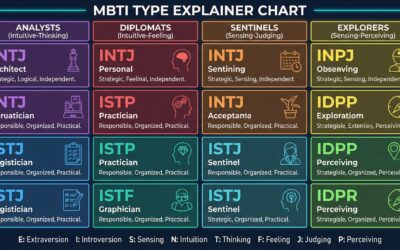
The Beebe Model Insight: John Beebe’s groundbreaking work shows us that our psychological type structure creates predictable patterns of golden shadow projection. If you’re a thinking type who’s never developed your feeling function, you’ll be magnetically drawn to people who lead with emotional intelligence. If you’re a sensing type who’s underdeveloped your intuitive side, you’ll find yourself falling for visionaries and dreamers. Beebe’s eight-function model maps exactly which qualities we’re likely to project as golden shadow based on our psychological type.
The Dark Side of Shadow Attraction
But shadow projection cuts both ways. We don’t just project our gold—we also project our darkness. The very qualities that initially attract us can become sources of intense conflict as the relationship progresses.
Research on why we marry our shadow reveals this troubling pattern: we’re unconsciously drawn to people who carry both our disowned gifts and our disowned wounds.
Consider Sarah, who was drawn to Mark’s emotional intensity and passion. What she didn’t recognize was that she had learned to suppress her own emotional nature, viewing it as “too much” or “inappropriate.” Mark became the container for all the feelings she couldn’t allow herself to have. Initially, this felt liberating—through him, she could experience emotional aliveness without owning it. But eventually, his emotional nature began to trigger her own suppressed feelings, leading to conflict and resentment.
Voice Dialogue Understanding: The Stones would say that Sarah had developed her “Rational Self” and “Pleaser Self” while disowning her “Passionate Self” and “Emotional Self.” Mark embodied these disowned selves perfectly—which created both the initial attraction and the eventual conflict. Until Sarah could own and integrate her own emotional intensity, she would continue to be both drawn to and threatened by it in others.
The Anima and Animus in Attraction
Jung’s concepts of the anima (the feminine aspect in men) and animus (the masculine aspect in women) add another layer to understanding attraction. We’re often drawn to people who embody our contrasexual soul image—the inner opposite-gender figure that represents our path to wholeness.
Modern Jungian analysts like John Beebe have expanded our understanding of how these projections work through his eight-function model. Beebe’s research shows that our shadow functions—those aspects of our personality we haven’t fully developed—often get projected onto romantic partners. When we meet someone whose dominant functions match our shadow functions, the attraction can feel magnetic and destined.
A man might be attracted to a woman who embodies his anima’s qualities of intuition, emotional depth, or creative expression. A woman might be drawn to a man who carries her animus projection of strength, direction, or intellectual clarity. The challenge comes when we expect our partner to always embody these projections, rather than relating to them as complete, complex individuals.
The Voice Dialogue Perspective: Psychologists Hal and Sidra Stone revolutionized how we understand these inner dynamics through their Voice Dialogue work. They discovered that we all contain multiple “selves” or subpersonalities within us. In relationships, we often fall in love with someone who embodies the selves we’ve disowned or never developed. The person who seems “perfectly confident” attracts us because they’re expressing our own undeveloped confidence. The partner who appears “emotionally available” draws us in because they’re living out our own suppressed emotional nature.
Breaking the Cycle: From Projection to Integration
The goal isn’t to eliminate projection—it’s natural and inevitable in early attraction. The key is learning to recognize it and gradually withdraw our projections as the relationship matures.
Learning to identify your shadow patterns is the first step toward conscious relationship. But understanding your psychological type structure—through frameworks like John Beebe’s model—can help you predict exactly which qualities you’re likely to project onto partners.
Signs you might be in shadow projection include:
- Intense, immediate attraction that feels “meant to be”
- Feeling like your partner completes you or makes you whole
- Extreme reactions (positive or negative) to specific traits in your partner
- Repeatedly attracting similar personality types despite conscious intentions
- Feeling lost or empty when your partner doesn’t embody the projected qualities
The Voice Dialogue Approach: Hal and Sidra Stone’s work offers practical tools for this integration. Instead of trying to change your partner, you learn to dialogue with your own disowned selves. You can literally have conversations with your inner “Confident Self,” “Vulnerable Self,” or “Wild Self”—developing these aspects within yourself rather than seeking them in others.
The Path to Conscious Relationship
Shadow work in relationships involves several key practices:
1. Self-Awareness: Notice what initially attracted you to your partner. What qualities did they seem to possess that you found irresistible? These likely represent projected aspects of your own psyche.
2. Integration: Begin developing those same qualities within yourself. If you were attracted to their confidence, how can you cultivate your own? If their emotional expressiveness drew you in, what would it look like to honor your own feelings?
3. Differentiation: Learn to see your partner as separate from your projections. This doesn’t diminish love—it deepens it by allowing you to love them for who they actually are, not who you need them to be.
The Beebe Model Application: John Beebe’s work shows that each psychological type has predictable shadow functions that we project onto others. If you understand your type structure, you can anticipate which qualities you’re likely to project and work to develop them internally instead.
Voice Dialogue Practice: The Stone’s approach involves regular “self meetings” where you consciously dialogue with your disowned selves. Rather than seeking your confident self in a partner, you can develop a relationship with your own inner confidence. This transforms relationships from need-based to choice-based.
Working with shadow integration exercises can help you identify and reclaim these projected parts systematically.
The Gifts of Shadow Integration
When we begin to reclaim our projections, several things happen:
- Attraction becomes more conscious: You start choosing partners based on genuine compatibility rather than unconscious need
- Conflict decreases: Many relationship conflicts stem from projected expectations that no one person can fulfill
- Individual wholeness increases: You develop the very qualities you once sought in others
- Love deepens: Relating to your partner as a separate person allows for genuine intimacy rather than merger
Beyond Projection: Mature Love
Jung believed that the ultimate goal of relationships wasn’t just personal happiness, but individuation—the lifelong process of becoming your most authentic, whole self. When we understand our shadow projections, relationships become laboratories for growth rather than just sources of satisfaction.
Professional Jungian therapy can guide this complex process of projection withdrawal and self-integration, helping you transform unconscious attraction patterns into conscious, mature love.
This doesn’t mean relationships become less passionate or magical. Instead, they become more real, more sustainable, and ultimately more fulfilling. When you love someone for who they are rather than who you project them to be, you create space for both of you to grow, change, and evolve together.
The Voice Dialogue Gift: What Hal and Sidra Stone discovered is that when both partners understand their inner selves, relationships become conscious collaborations rather than unconscious projections. Instead of each person carrying certain selves for the other, both partners can access their full range of selves as needed.
Conclusion: Embracing the Dance
Understanding shadow projection doesn’t eliminate its power—it transforms it. Rather than being unconsciously driven by these forces, you can dance with them consciously. You can appreciate the initial magnetism while also doing the deeper work of integration and growth.
Remember: the people we’re most drawn to are often our greatest teachers. They show us not only what we long for, but what we’re capable of becoming. The question is whether we’ll use that teaching to blame them for not being what we projected, or to grow into the wholeness we’re truly seeking.
For deeper exploration of these concepts, consider working with a Jungian-trained therapist who can help you navigate the complex territory of projection, shadow work, and conscious relationship. Understanding your psychological type through Beebe’s model or exploring your inner selves through Voice Dialogue work can accelerate this transformation from unconscious attraction to conscious love.











0 Comments