
What is the Lover Archetype?
Origins and Characteristics
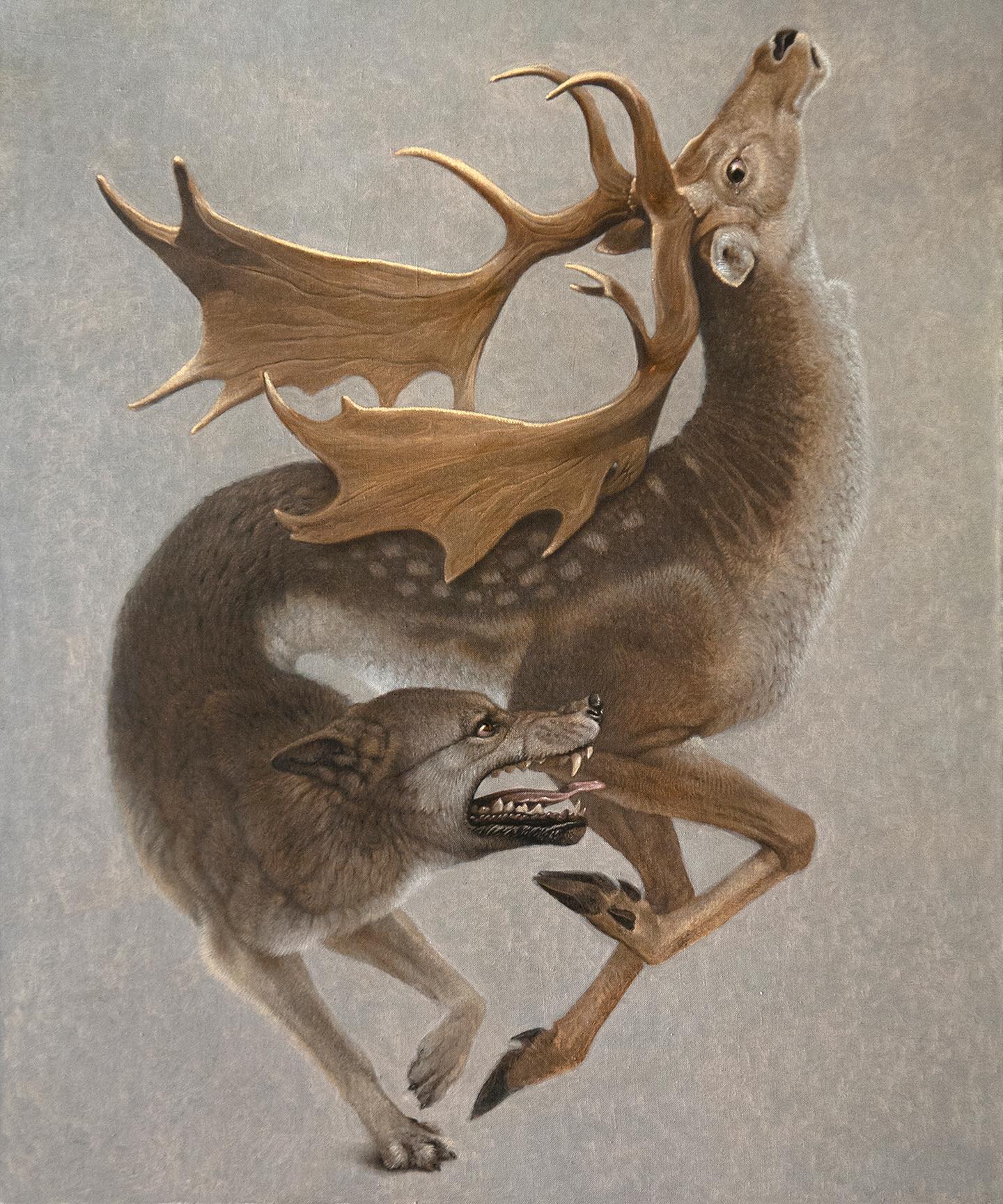
The Lover archetype represents the universal human desire for intimacy, passion, and connection. Present in various forms throughout history, the Lover embodies the pursuit of love, beauty, and sensual pleasure [1]. This article explores the origins, characteristics, and significance of the Lover archetype, examining its role in shaping human culture and consciousness.
Explore all the Archetypes
The Lover Archetype in Parts-Based Therapies
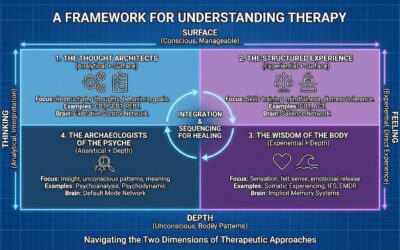
In parts-based therapies like Internal Family Systems (IFS), Schema Therapy, and Voice Dialogue, the Lover archetype can be understood as a distinct part or subpersonality within an individual’s psyche [2].
In IFS, the Lover may manifest as a passionate, romantic part that seeks connection and intimacy. However, if burdened, the Lover part may become codependent or engage in unhealthy relationships [3].
Schema Therapy views the Lover as an aspect of the Healthy Adult mode, promoting adaptive intimacy and self-love. Maladaptive schemas like Abandonment or Emotional Deprivation may distort the Lover’s expression [4].
Voice Dialogue recognizes the Lover as a unique voice that can be dialogued with to access inner passion and sensuality. Imbalances may occur if the Lover voice dominates or is suppressed by other voices [5].
The Lover’s Role in the Hero’s Journey
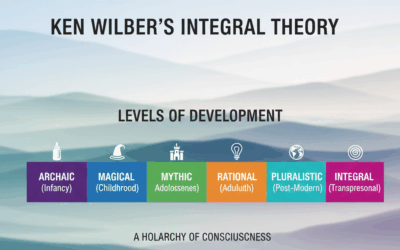
In the Hero’s Journey, the Lover archetype often appears as the hero’s romantic interest or as a symbol of the hero’s inner desire for wholeness and integration [6]. The Lover’s presence motivates the hero to grow and transform, ultimately leading to a deeper understanding of love and connection.
The Role of the Lover in Prehistory and Ancient History
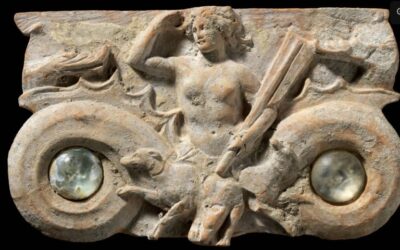
In prehistoric times, the Lover archetype was embodied in fertility goddesses and sexual rites, representing the primal forces of attraction and procreation [7]. Ancient civilizations celebrated Lover deities like Aphrodite (Greece), Inanna (Mesopotamia), and Kama (India), honoring the power of love and desire [8].
The Lover in Literature and Art
The Lover archetype has been a central figure in literature and art, from the love poetry of Sappho to the romantic novels of Jane Austen [9]. Lover characters like Romeo and Juliet, Tristan and Isolde, and Elizabeth Bennet and Mr. Darcy have captured the hearts of audiences, embodying the timeless pursuit of love and connection [10].
The Lover in Psychology and Personal Development
Psychologists like Carl Jung and Erich Fromm recognized the importance of the Lover archetype for personal growth and self-actualization [11]. The Lover encourages individuals to embrace their emotional needs, develop intimate relationships, and cultivate self-love and acceptance [12].
The Shadow Side of the Lover
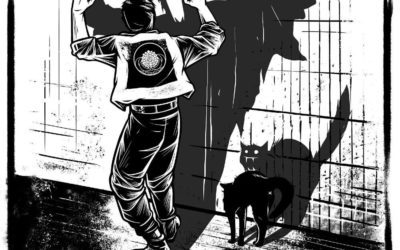
The Lover’s shadow may manifest as a codependent or obsessive individual, seeking love and validation at the expense of personal autonomy [13]. Integrating the Lover requires balancing the desire for connection with the need for self-love and independence [14].
The Lover in Relationships, Careers, and Life
The Lover archetype influences various aspects of life, from personal relationships to career choices. Lover-oriented individuals may thrive in fields that involve creativity, beauty, or interpersonal connection, such as the arts, counseling, or hospitality [15].
Interpersonal Neurobiology and Somatic Experience
The Lover archetype shapes our somatic experience, influencing the emotions we tend to emphasize or avoid. Overidentifying with the Lover may lead to feelings of neediness or a fear of abandonment, while neglecting this archetype may result in a sense of emotional disconnection and difficulty forming intimate bonds [16].
Trauma and the Lover Archetype
Trauma related to the Lover archetype can manifest as a fear of intimacy, difficulty trusting others, or a tendency to engage in unhealthy relationships. Enmeshment with the Lover may lead to codependency and a loss of personal identity, while avoidance can result in a sense of emotional isolation and difficulty experiencing pleasure [17].
The Lover in Politics and Religion
In politics, the Lover archetype is often invoked to promote unity, compassion, and social harmony. However, the shadow Lover may use the language of love to manipulate or control others [18]. In religion, the Lover appears as the mystic or devotee who seeks union with the divine through love and surrender [19].
The Balanced Lover: Benefits and Opportunities
When balanced, the Lover archetype enables individuals to form deep, meaningful connections, experience joy and pleasure, and cultivate self-love and acceptance. Embracing the Lover can lead to increased emotional intelligence, creativity, and the ability to create a more loving and compassionate world [20].
The Lover in the Modern World
In today’s rapidly changing world, the Lover archetype serves as a reminder of the importance of human connection and emotional fulfillment. The modern Lover must navigate the challenges of digital communication, changing relationship dynamics, and the pursuit of self-love in an increasingly complex world [21].
The Lover Archetype’s Role in the Evolution of Human Culture and Consciousness
The Lover archetype has been a driving force in the evolution of human culture and consciousness. By embodying the pursuit of love, beauty, and connection, the Lover has shaped art, literature, and the very fabric of human relationships. As we continue to evolve, the Lover archetype reminds us of the transformative power of love and the importance of cultivating deep, meaningful connections [22].
The Lover Archetype in Posture and Somatic Experience
Those embodying the Lover archetype may have a graceful, sensual posture that reflects their appreciation for beauty and desire for connection. They may experience a sense of warmth, flow, and aliveness in their body when engaging in acts of love and intimacy. However, when the Lover feels rejected or disconnected, they may experience somatic symptoms such as tightness in the chest, a sense of emptiness, or physical pain in the heart area.
Enneagram and MBTI Correlations with the Lover Archetype
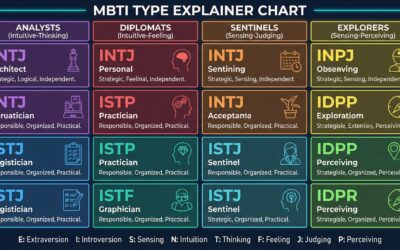
Enneagram: Type 2 (The Helper), Type 4 (The Individualist) MBTI: ENFJ (Extraverted, Intuitive, Feeling, Judging), INFP (Introverted, Intuitive, Feeling, Perceiving)
The Lover Archetype in Screenwriting and Fiction Plotting
The Lover often plays the role of the romantic interest, the seducer, or the passionate artist in stories. They may be driven by a desire for intimacy, beauty, and sensual pleasure, often facing challenges such as heartbreak, jealousy, or the pursuit of an unattainable love.
The Power of the Lover
The Lover archetype represents the transformative power of love, intimacy, and emotional connection. By understanding and embracing the Lover within, we can tap into a boundless source of creativity, compassion, and personal growth, contributing to a more loving and interconnected world [23].
Bibliography
- Ackerman, D. (1995). A natural history of love. Vintage Books.
- Schwartz, R. C. (1995). Internal family systems therapy. Guilford Press.
- Earley, J. (2009). Self-therapy: A step-by-step guide to creating wholeness and healing your inner child using IFS. Pattern System Books.
- Young, J. E., Klosko, J. S., & Weishaar, M. E. (2006). Schema therapy: A practitioner’s guide. Guilford Press.
- Stone, H., & Stone, S. (2011). Embracing ourselves: The voice dialogue manual. New World Library.
- Campbell, J. (1949). The hero with a thousand faces. New World Library.
- Gimbutas, M. (2001). The living goddesses. University of California Press.
8. Dalley, S. (2000). Myths from Mesopotamia: Creation, the flood, Gilgamesh, and others. Oxford University Press.
9. Fisher, H. (2004). Why we love: The nature and chemistry of romantic love. Henry Holt and Company.
10. Sternberg, R. J. (1998). Love is a story: A new theory of relationships. Oxford University Press.
11. Jung, C. G. (1968). The archetypes and the collective unconscious. Princeton University Press.
12. Fromm, E. (2000). The art of loving. Continuum.
13. Zweig, C., & Abrams, J. (1991). Meeting the shadow: The hidden power of the dark side of human nature. Tarcher.
14. Hendrix, H. (1992). Keeping the love you find: A guide for singles. Pocket Books.
15. Pearson, C. S. (1991). Awakening the heroes within: Twelve archetypes to help us find ourselves and transform our world. HarperCollins.
16. Siegel, D. J. (2010). Mindsight: The new science of personal transformation. Bantam Books.
17. Herman, J. L. (2015). Trauma and recovery: The aftermath of violence–from domestic abuse to political terror. Basic Books.
18. Hooks, B. (2000). All about love: New visions. William Morrow.
19. Underhill, E. (1990). Mysticism: A study in the nature and development of spiritual consciousness. Image Books.
20. Johnson, R. A. (1985). We: Understanding the psychology of romantic love. HarperOne.
21. Ansari, A., & Klinenberg, E. (2016). Modern romance. Penguin Books.
22. Lewis, T., Amini, F., & Lannon, R. (2001). A general theory of love. Vintage Books.
23. Sanford, J. A. (1980). The invisible partners: How the male and female in each of us affects our relationships. Paulist Press.







0 Comments