

Accelerated Resolution Therapy (ART): Subcortical Memory Reconsolidation and Rapid Trauma Resolution
Within the evolving paradigm of neurobiological and trauma-informed psychiatry, Accelerated Resolution Therapy (ART) has emerged as a premier, short-term psychotherapeutic intervention. Developed in 2008 by licensed family therapist Laney Rosenzweig, ART challenges legacy psychiatric assumptions regarding the timeline required to heal psychological trauma.
Rather than engaging in months or years of traditional, top-down cognitive processing, ART targets the subcortical regions of the brain where traumatic memories are physically trapped. By combining precise protocols of bilateral eye movements with the neurological mechanism of memory reconsolidation, ART facilitates significant, measurable relief from Complex PTSD (C-PTSD), severe anxiety, and professional burnout—frequently within one to five sessions.
The Neurobiology of Memory Reconsolidation
To appreciate why ART operates with such rapid clinical efficacy, one must understand how the central nervous system stores traumatic events.
When an individual experiences an overwhelming threat—whether acute bodily harm or the chronic, localized systemic stress of navigating high-pressure systems like the UAB healthcare sector—the brain’s high-stress response disables normal memory storage.
Under normal conditions, the hippocampus processes experiences into an organized, chronological narrative. During trauma, however, excess cortisol and adrenaline cause the hippocampus to go offline. The memory is instead fragmented and lodged directly into the amygdala (the brain’s alarm system) and the somatosensory cortex as raw, emotionally charged visual images, physical sensations, and autonomic triggers.
Because these fragments lack a chronological timestamp, any current trigger causes the brain stem and body to react as if the trauma is recurring in the present moment.
The Reconsolidation Window
For decades, traditional psychology believed that once a memory was consolidated, its emotional text was permanently fixed. Modern neuroscience has disproven this. When a memory is actively recalled, it enters a transient, chemically malleable state known as the reconsolidation window.
During this brief window, the memory is physically vulnerable to modification before it is stored away again. ART explicitly capitalizes on this window through a highly structured, two-pronged approach:
-
Desensitization via Lateral Eye Movements: While the client holds the traumatic image in their mind, the clinician guides their gaze through rapid, left-to-right horizontal eye movements. This bilateral stimulation triggers an immediate down-regulation of the sympathetic nervous system, stripping the survival panic away from the visual scene.
-
Voluntary Image Rescripting: Once the physiological charge is cleared, the client uses their creative imagination to change the visual narrative of the memory. They do not change the factual knowledge that the event occurred, but they replace the distressing, intrusive subcortical imagery with an adaptive, self-determined alternative. The brain then reconsolidates the memory patch into long-term storage in its new, non-threatening form.
The Theoretical Synthesis of ART
ART is an integrative model that synthesizes components of several established therapeutic modalities into a streamlined, highly prescriptive manualized protocol.
-
EMDR (Eye Movement Desensitization and Reprocessing): While both models utilize lateral eye movements to stimulate interhemispheric communication and reduce emotional distress, ART changes the delivery mechanism. EMDR relies heavily on free association and extended verbal processing of shifting thoughts. ART is strictly focused on visual imagery and bodily sensations, requiring minimal verbalization of the trauma from the client.
-
Cognitive Behavioral Therapy (CBT): ART achieves the core objective of CBT—the restructuring of distorted, negative appraisals (“I am unsafe,” “I am broken”)—but it does so from the bottom up. By calming the body and changing the visual script first, the cognitive shift occurs naturally without the need for intellectual debate.
-
Somatic and Mindfulness Therapies: ART recognizes that trauma lives in the muscles, fascia, and autonomic nervous system. The protocol builds active blocks where clients track internal physical responses (interoception) and use targeted regulation techniques to discharge trapped survival energy before proceeding.
-
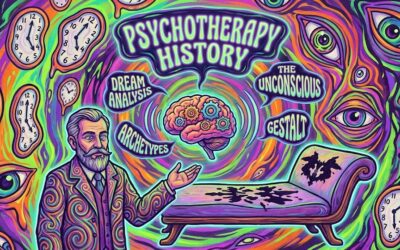
Gestalt Imagery: The active use of visualization, metaphor, and present-focused awareness in ART mirrors Gestalt principles, allowing the client to safely manipulate and externalize internalized psychological conflicts.
Clinical Adaptations: The Mechanics of an ART Session
An ART session is a highly structured, collaborative process designed to keep the client firmly within their Window of Tolerance, ensuring they can process the trauma without becoming flooded or disassociated.
+------------------------------------------------------------+
|                       1. PREPARATION                       |
|  • Establish safe container and clinical rapport.          |
|  • Provide neurobiological psychoeducation on eye shifts.  |
+------------------------------------------------------------+
                              │
                              ▼
+------------------------------------------------------------+
|                        2. PROCESSING                       |
|  • Access the traumatic image to open reconsolidation.    |
|  • Administer rapid bilateral eye movements.               |
|  • Track and discharge somatic distress in the body.       |
+------------------------------------------------------------+
                              │
                              ▼
+------------------------------------------------------------+
|                       3. RESCRIPTING                       |
|  • Direct client to utilize Voluntary Image Rescripting.   |
|  • Replace distressing subcortical slides with adaptive images|
+------------------------------------------------------------+
                              │
                              ▼
+------------------------------------------------------------+
|                       4. INTEGRATION                       |
|  • Consolidate cognitive gains and reinforce new script.   |
|  • Ensure memory is filed without its physiological sting. |
+------------------------------------------------------------+
Efficacy and Contexts of Practice
A robust, expanding body of randomized controlled trials establishes ART as an elite, evidence-based intervention. It is officially integrated into major institutional healthcare networks, including the Veterans Health Administration (VHA), where it is utilized to treat severe combat-related PTSD, complex military sexual trauma, and acute moral injury.
Because ART does not require the client to explicitly narrate the traumatic event out loud to the clinician, it dramatically reduces the attrition rates commonly seen in exposure-based therapies. It is highly valued across diverse clinical environments, including private practice settings, substance abuse rehabilitation programs, and crisis centers, due to its unique combination of clinical depth and rapid completion timelines.
| Treatment Attribute | Accelerated Resolution Therapy (ART) | Traditional Talk Therapy / CBT |
| Primary Brain Target | Subcortical (Limbic system, Midbrain, Amygdala) | Cortical (Neocortex, Prefrontal Cortex) |
| Verbal Demands | Minimal; trauma can be processed completely silently | High; requires detailed narrative and verbal exploration |
| Average Timeline | 1 to 5 sessions per specific traumatic memory | 12 to 24+ weeks of ongoing cognitive restructuring |
| Somatic Component | High; constant monitoring and clearing of body distress | Minimal; primarily focused on logic, thoughts, and behaviors |
The Integration of ART Into Modern Depth Practice
At Taproot Therapy Collective, we recognize that no singular modality holds the monopoly on human healing. ART represents a monumental leap forward in rapid symptom reduction, acting as an exceptional tool to clear acute blocks, panic loops, and entrenched phobias.
However, true existential wellness often requires pairing these rapid somatic clearings with long-term depth psychology, Internal Family Systems (IFS), and parts work.
Once ART has successfully stripped the traumatic charge away from your past and expanded your physiological Window of Tolerance, you finally possess the cognitive resources required to engage in deep self-discovery, unburden your protective coping mechanisms, and consciously construct an authentic identity that is no longer dictated by survival.














0 Comments