
Understanding Neurodivergent Burnout: When the Cognitive Tank Runs Dry
Neurodivergent burnout is not simply a reaction to a bad week or a stressful project. It is a profound, physiological depletion of the central nervous system. When the demands of navigating a neurotypical world continually exceed an individual’s cognitive and emotional resources, the body eventually forces a shutdown.
While clinical burnout can affect anyone, it physically manifests with greater intensity in neurodivergent individuals, particularly those managing multiple co-occurring conditions like ADHD, Autism, and OCD. At Taproot Therapy Collective, we recognize that this exhaustion is not a sign of failure or laziness. It is the natural consequence of chronic allostatic load—the cumulative wear and tear on a nervous system that is forced to constantly adapt to environments not designed for its unique wiring.
The Neurology of Masking and Overwhelm
To understand neurodivergent burnout, we must look at how the brain allocates energy. Many neurodivergent individuals utilize a survival strategy known as “masking” or camouflaging. This involves consciously suppressing natural behaviors, forcing neurotypical eye contact, or manually overriding sensory discomfort to appear “socially acceptable.”
This process requires a massive amount of metabolic energy from the prefrontal cortex, the brain region responsible for executive function. When the prefrontal cortex is constantly working overtime to mask neurodivergent traits, it leaves very little energy for emotional regulation, working memory, or task initiation.
Over time, this chronic stress shifts the autonomic nervous system into a state of hyperarousal. Eventually, the system simply cannot sustain the effort. The body drops into a dorsal vagal state—a biological preservation mode characterized by extreme fatigue, dissociation, and a severe loss of previously mastered skills.
How Burnout Manifests Across Neurotypes
Burnout is highly individualized, but it often magnifies the core struggles of an individual’s specific neurological profile. For those managing complex or comorbid conditions, the intersection of these symptoms can feel entirely paralyzing.
-
Autism: Burnout often triggers a sharp increase in sensory processing pain. Environments that were previously tolerable—like a bustling Hoover grocery store or a noisy office—become physically agonizing. Individuals frequently experience an agonizing loss of adaptive skills, mutism, and a desperate need for absolute isolation.
-
ADHD: The defining feature of ADHD burnout is profound executive dysfunction. The brain’s dopamine pathways become so depleted that task initiation becomes nearly impossible, leading to extreme executive paralysis, severe emotional dysregulation, and intense shame.
-
OCD and Anxiety: When the nervous system is overwhelmed, the brain desperately seeks control. This can cause a sudden, severe escalation in intrusive thoughts, compulsive behaviors, and rigid adherence to routines.
-
Depression: Burnout deepens depressive states, leading to anhedonia—a complete loss of interest in “special interests” or hyper-fixations that previously brought joy and regulation.
Triggers in the Modern Environment
Recognizing the environmental and systemic triggers of burnout is the first step toward intervention. The demands of modern life frequently run counter to the needs of a neurodivergent nervous system.
Whether you are navigating the rigorous academic pressures within the UAB medical system, managing corporate expectations along the 280 corridor, or simply dealing with the relentless sensory input of the Birmingham metro area, chronic environmental friction takes a toll. Common catalysts include:
-
Prolonged Masking: Maintaining a neurotypical facade in unsupportive work or academic environments.
-
Sensory Trauma: Chronic exposure to unsuitable lighting, noise, or spatial arrangements without adequate recovery time.
-
Life Transitions: Major shifts, such as starting a new job, moving, or relationship changes, which disrupt crucial regulatory routines.
-
Lack of Accommodations: Navigating systems that demand conformity rather than offering flexibility.
Clinical Approaches to Healing Burnout
Standard “talk therapy” is rarely sufficient for treating neurodivergent burnout because the exhaustion lives in the body, not just the mind. Suggesting a neurodivergent person “just practice better self-care” often feels deeply invalidating. True recovery requires somatic and subcortical interventions that restore a sense of safety to the nervous system.
Our clinical team utilizes specialized, neuro-affirming modalities to address the root of the exhaustion:
-
Somatic Experiencing (SE): We help clients gently discharge the stuck survival energy associated with chronic masking. By tracking bodily sensations, individuals learn to recognize the early physiological cues of overwhelm before a full shutdown occurs.
-
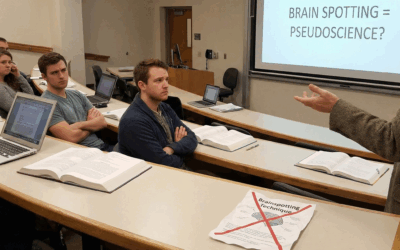
Brainspotting: This brain-body therapy bypasses the exhausted prefrontal cortex to access the subcortical brain. It is highly effective for processing the deep emotional fatigue and implicit trauma of living in an invalidating world.
-
Internal Family Systems (IFS): We work with the “manager” parts of the psyche that believe relentless masking is the only way to stay safe. IFS helps unburden these exhausted protector parts, allowing the authentic self to lead.
-
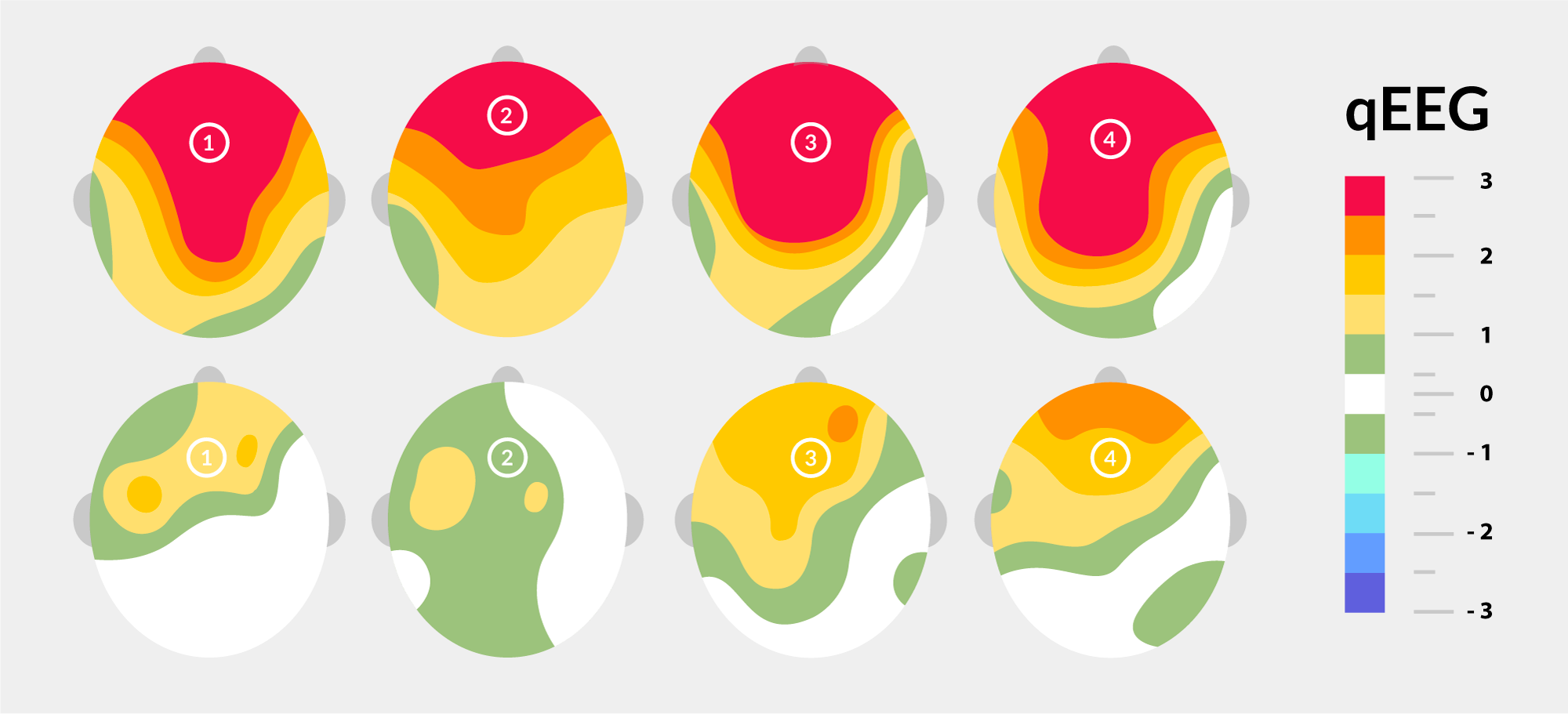
qEEG Brain Mapping and Neurostimulation: By visually mapping the brain’s electrical activity, we can identify specific areas of cognitive fatigue and hyperarousal. This allows us to tailor interventions that help balance brainwaves and restore cognitive stamina.
Building a Sustainable, Authentic Life
Recovery from neurodivergent burnout is not about getting back to your previous level of masking; it is about building a life that honors your actual neurological capacity. This requires radical acceptance of your limits and a commitment to unlearning internalized ableism.
Healing involves designing sensory-friendly home spaces, communicating boundaries without guilt, and allowing yourself to engage in regulating, unmasked behaviors. It means advocating for necessary accommodations in the workplace or classroom, recognizing that flexibility is a clinical necessity, not a luxury.
Experiencing neurodivergent burnout means you have been fighting a profound, invisible battle. It is a biological signal that your environment must change, not a sign that you are broken. With neuro-affirming clinical support, you can rebuild your resilience and learn to navigate the world without sacrificing your authentic self.
Crisis Resources and Community Support in Birmingham
Navigating neurodivergence and mental health challenges can be overwhelming. If you or a loved one are in acute distress, or if you are looking for inclusive community support in the greater Birmingham area, the following resources are available.
Immediate Crisis Support
-
Crisis Center Birmingham (24/7): (205) 323-7777 – Immediate support for emotional distress and mental health crises.
-
National Suicide Prevention Lifeline: Dial 988 – Available 24/7 for support across Alabama.
-
UAB Psychiatric Emergency Services: (205) 934-7008 – Immediate psychiatric evaluation and crisis intervention.
-
Veterans Crisis Line: Dial 988 (Press 1) – Specialized emotional support for veterans.
-
Rape Response Line: (205) 323-7273 – 24/7 support for survivors of sexual assault.
-
Alabama Domestic Violence Hotline: 1-800-650-6522 – Statewide support for individuals experiencing domestic violence.
LGBTQ+ and Neurodivergent Community Support
-
Magic City Acceptance Center (MCAC): Provides affirmative programs, support groups, and community events for LGBTQ+ youth and adults in Birmingham.
-
PFLAG Birmingham: Support groups and advocacy resources for the families and friends of LGBTQ+ individuals.
-
Steel City Spectrum: A dedicated resource supporting the transgender and gender-nonconforming communities in the Birmingham metro area.
If you are ready to explore somatic, trauma-informed therapy tailored to your unique neurological profile, reach out to our clinical team at Taproot Therapy Collective. We are dedicated to providing depth-oriented, neuro-affirming care to the Birmingham community.















0 Comments