
Trauma and the Brain:

Trauma, whether stemming from emotional abuse, narcissistic abuse, chronic pain, or other experiences, can have a profound impact on the brain and body. Psychologists and therapists are increasingly recognizing the importance of trauma-informed therapy in treating mental health issues like anxiety, depression, PTSD, and more.
The Neurobiological Impact of Trauma
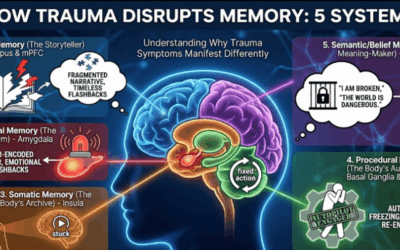
Trauma can alter the brain’s structure and function, particularly in regions like the amygdala, hippocampus, and prefrontal cortex. These changes can lead to symptoms such as:
- Hypervigilance and heightened startle response
- Intrusive thoughts and memories
- Emotional dysregulation and reactivity
- Dissociation and numbing
- Chronic pain and somatic complaints
By understanding the neurobiological impact of trauma, therapists can develop targeted interventions to help clients heal.
Therapeutic Approaches for Trauma
Several evidence-based therapeutic modalities have been shown to be effective in treating trauma:
- EMDR (Eye Movement Desensitization & Reprocessing): Processes traumatic memories and experiences.
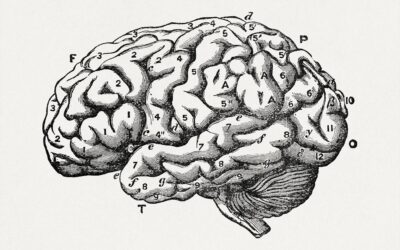
- Brainspotting: Targets and releases trauma held in the body’s subcortical regions, including the Brodmann areas.
- Cognitive Behavioral Therapy (CBT): Identifies and challenges trauma-related thoughts and beliefs.
- Somatic Experiencing: Helps release trauma stored in the body through gentle, guided exercises.
- Neurofeedback: Trains the brain to regulate itself more effectively, reducing trauma symptoms.
Alternative approaches like equine therapy, art therapy, meditation, and mindfulness can also support trauma recovery by promoting relaxation, self-awareness, and emotional processing.
Trauma-Informed Therapy Across the Lifespan
Trauma-informed therapy is relevant across the lifespan and in various settings:
- Play therapy for children who have experienced trauma
- Trauma-focused CBT for teenagers
- Couples therapy to address relationship trauma and attachment injuries
- Family therapy to heal intergenerational trauma
- Group therapy for survivors of specific traumas (e.g., sexual assault, military combat)
By tailoring interventions to the client’s developmental stage and context, therapists can promote healing and resilience.
Healing is Possible
If you have experienced trauma, know that healing is possible. Trauma-informed therapists can help you process your experiences, regulate your emotions, and build a sense of safety and empowerment. Reach out today to start your journey of healing.
The Future of Trauma Treatment: Mindfulness, Somatic Approaches, and Beyond
As our understanding of the neurobiological impacts of trauma continues to evolve, so too do the therapeutic approaches available to support healing. In recent years, there has been a growing recognition of the importance of mindfulness and somatic approaches in treating trauma. These therapies go beyond traditional talk therapy to address the deep-rooted, often unconscious impacts of trauma on the mind and body.
Brainspotting
Brainspotting are powerful trauma therapies that use bilateral stimulation and focused mindfulness to help the brain process and integrate traumatic memories. By bypassing the conscious mind and directly accessing the subcortical regions where trauma is stored, these approaches can facilitate deep healing and release.
Somatic Approaches
Somatic therapies like Somatic Experiencing and Sensorimotor Psychotherapy recognize the body’s central role in trauma and healing. By gently guiding clients to notice and track physical sensations, release chronic muscle tension, and engage in mindful movement, these approaches can help regulate the nervous system, process traumatic activation, and restore a sense of safety and embodiment.
Parts-Based Therapies
Parts-based therapies like Internal Family Systems (IFS) acknowledge that the psyche is made up of different “parts” or subpersonalities, each with its own unique perspective, emotions, and coping strategies. By bringing mindful, compassionate awareness to these parts and facilitating inner dialogue and integration, parts-based therapies can help trauma survivors heal from the inside out.
Mindfulness-Based Interventions
Mindfulness-based interventions like Mindfulness-Based Stress Reduction (MBSR), Mindfulness-Based Cognitive Therapy (MBCT), and Dialectical Behavior Therapy (DBT) emphasize the cultivation of present-moment awareness, self-compassion, and emotional regulation skills. By integrating mindfulness into trauma treatment, therapists can help clients develop the inner resources needed to navigate the challenges of trauma recovery.
Healing the Traumatized Brain
The impact of trauma on the brain can be profound, but healing is possible. By working with a trauma-informed therapist and exploring evidence-based approaches that integrate mindfulness, somatic awareness, and other holistic techniques, individuals can rewire their brains for greater resilience, peace, and well-being.
If you are a therapist working with trauma survivors, consider incorporating these cutting-edge approaches into your practice. And if you are an individual struggling with the aftermath of trauma, know that there are powerful, neurobiologically-informed therapies available to support you on your healing journey. Reach out to a trauma-informed therapist today to begin your path to greater wholeness and resilience. Your brain, mind, and body will thank you.















0 Comments