
What is Alexithymia?
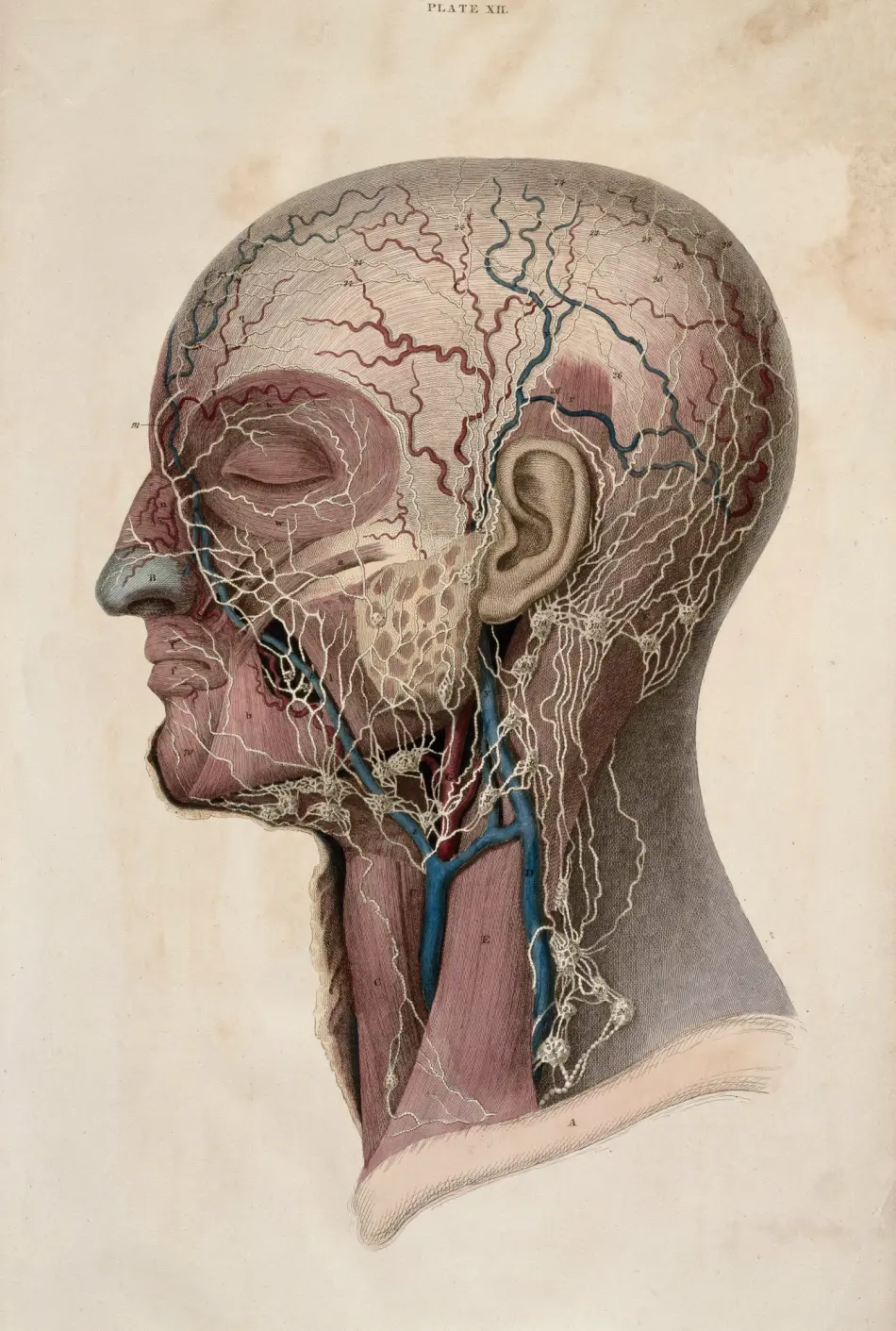
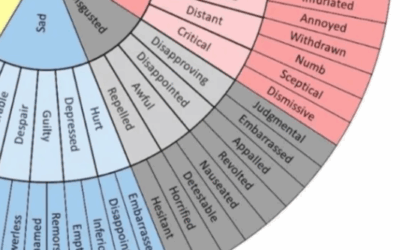
Alexithymia is a condition characterized by difficulties identifying and describing one’s own emotions. People with alexithymia have trouble recognizing, processing and regulating their feelings. This can lead to challenges in relationships, self-awareness, and overall emotional and mental well-being.
Alexithymia is not the same as being a sociopath or psychopath. Rather than an inability to feel empathy, people with alexithymia do experience emotions, sometimes very intensely. However, they struggle to recognize and verbalize those feelings. When emotions become overwhelming, people with alexithymia may turn to impulsive or compulsive behaviors to cope, since they lack the ability to process their feelings in a reflective, mindful way.
The Connection to Trauma and Dissociation
Alexithymia often co-occurs with trauma and dissociation. Experiencing abuse, neglect or other traumatic events, especially in childhood, can disrupt the development of emotional awareness and regulation skills. Trauma survivors may dissociate from their emotions as a self-protective mechanism. Over time, this disconnection from feelings can solidify into alexithymia.
Dissociation involves detaching from one’s thoughts, feelings, memories or sense of identity. It exists on a continuum, from mild spacing out to more severe dissociative disorders. Both alexithymia and dissociation serve as ways to avoid or escape from overwhelming emotions related to trauma. However, they can become dysfunctional and interfere with healing when overused as long-term coping strategies.
Therapies for Alexithymia, Trauma and Dissociation
Traditional talk therapy that focuses on emotional insight and catharsis may not be the most effective approach for treating alexithymia. Trying to get someone to discuss and process feelings they struggle to identify in the first place can be counterproductive. It may leave them feeling more dysregulated and prone to impulsive behaviors.
Instead, therapies that work more indirectly with trauma and focus on developing coping skills tend to be more beneficial for alexithymia. Some promising approaches include:
EMDR (Eye Movement Desensitization and Reprocessing):
EMDR uses bilateral stimulation, such as eye movements or tapping, while bringing to mind traumatic memories. This allows the brain to reprocess disturbing experiences in an adaptive way, without flooding the person with intense emotions.
Somatic Experiencing:
This body-based therapy aims to release trauma stored in the nervous system.By paying attention to physical sensations in a gradual, titrated way, somatic experiencing helps people develop greater awareness of their emotions and increases their window of tolerance for difficult feelings.
Brainspotting:
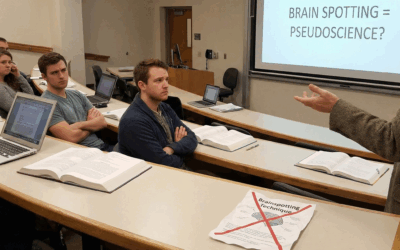
Brainspotting uses focused eye positions to target unprocessed trauma in the subcortical brain. Identifying and maintaining visual focus on a “brainspot” while thinking about a traumatic experience allows deeper regions of the brain to process emotions and memories that are normally less accessible to the conscious mind.
Lifespan Integration:
This gentle, body-based therapy aims to heal past trauma by imaginally visiting phases of one’s life while receiving soothing bilateral stimulation. Lifespan integration helps build self-awareness and a more coherent autobiographical narrative, without activating the person too intensely.
Emotion-Focused Therapy:
EFT combines Gestalt and person-centered therapy to increase emotional intelligence and self-compassion. Chair work and focusing help people with alexithymia reconnect with their feelings and unmet needs in a safe, titrated manner. EFT also teaches specific emotion regulation skills.
The common thread among these approaches is that they work indirectly and somatically with trauma, rather than relying on insight and emotional expression alone. By titrating exposure to difficult emotions and emphasizing the development of self-regulation skills, these therapies can help people with alexithymia gradually increase their emotional awareness and resilience.
If you struggle with alexithymia, dissociation or trauma, seeking out a therapist trained in one of these modalities can be a great first step. With patience and practice, it is possible to reconnect with your emotions and develop healthier ways of coping with life’s challenges. Healing is possible – and you deserve to feel more whole, embodied and emotionally alive.













0 Comments