
Executive Summary: The Neurophysiology of Kundalini
The Clinical Definition: Kundalini is not merely a spiritual metaphor; it is a physiological event involving the reorganization of the Autonomic Nervous System (ANS). It represents the rapid metabolization of trauma stored in the limbic system.
Key Scientific Concepts:
- The Vagus Nerve & The Serpent: The “rising energy” correlates with the transition from Dorsal Vagal shutdown to Ventral Vagal social engagement (Polyvagal Theory).
- Physio-Kundalini Syndrome: A verified clinical phenomenon documented by Itzhak Bentov involving sensory-motor cortex stimulation and spontaneous body tremors (Kriyas).
- Developmental Repair: Following Anodea Judith, the activation of “chakras” mirrors the sequential healing of Eriksonian developmental stages (Trust, Autonomy, Initiative).
Clinical Warning: Without containment, this process can mimic mania or psychosis. Differential diagnosis by a transpersonal therapist is essential.
What is a Kundalini Awakening? A Neurobiological and Depth Psychological Guide

In the lexicon of modern spirituality, “Kundalini” is often treated as a mystical abstraction. However, for the clinician and the experiencer, it is a biological earthquake. It describes a sudden, intense surge of bio-electrical energy along the spinal column that can result in tremors, heat, and radical shifts in consciousness.
From the perspective of Jungian Psychology and modern neurobiology, Kundalini is the Individuation Process accelerated. It is the somatic release of the unconscious. At Taproot Therapy Collective, we utilize the framework of Spiritual Emergency (coined by Dr. Stanislav Grof) to help clients integrate these high-voltage experiences without pathologizing them.
Part I: The Neuroscience of the “Inner Fire”
Is Kundalini “real”? Research into the physiology of meditation suggests that the ancient yogis were mapping the Autonomic Nervous System (ANS).
1. Itzhak Bentov and the Micromotion Model
Biomedical engineer Itzhak Bentov proposed that the “Kundalini” sensation is caused by the Ballistocardiogram—the vibration of the body caused by the heartbeat.
In deep meditation, the heart-aorta system creates a standing wave that resonates in the ventricles of the brain. This mechanical vibration stimulates the Sensory-Motor Cortex, creating the sensation of a “current” or “snake” moving up the spine. This is not magic; it is the bio-physics of deep relaxation.
2. Polyvagal Theory and the “Serpent”
The path of Kundalini (Sushumna Nadi) mirrors the path of the Vagus Nerve.
* The Root (Dorsal Vagal): Corresponds to the “Freeze” response and survival terror.
* The Rising: As trauma releases, the nervous system shifts out of “Freeze,” often passing through “Sympathetic” activation (shaking/heat), before stabilizing in the “Ventral Vagal” state (Social Engagement/Compassion).
The “Awakening” is the nervous system coming back online after years of traumatic shutdown.
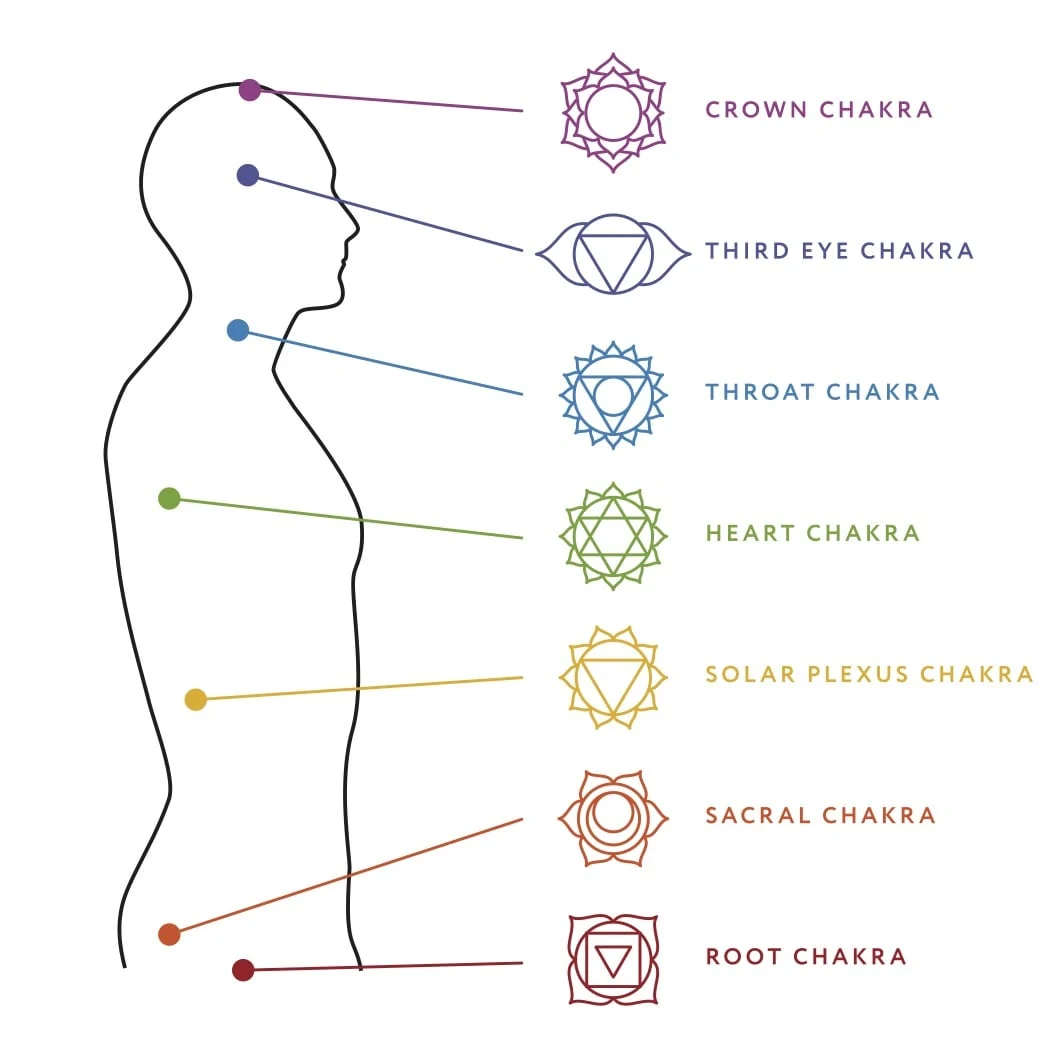
Part II: Anodea Judith and Developmental Repair
Psychologist Anodea Judith bridges the gap between Eastern maps and Western developmental psychology. She posits that the Chakras represent Developmental Stages of childhood. When Kundalini rises, it forces the psyche to re-visit and heal arrested development.
The Architecture of the Soul
- Root Chakra (Age 0-1) – Trust vs. Mistrust:
Corresponds to the adrenal cortex. If there was early neglect, this center is blocked by Fear. Awakening here feels like intense heat in the legs or pelvic floor, signaling the repair of basic safety. - Sacral Chakra (Age 6mo-2yrs) – Separation-Individuation:
Corresponds to the gonads. Blocked by Guilt. Awakening releases repressed sexual energy or unresolved grief about separation. - Solar Plexus (Age 1.5-4yrs) – Autonomy vs. Shame:
Corresponds to the pancreas/gut brain. Blocked by Shame. This is the seat of the Ego. When energy hits here, the client recovers their agency and “gut instinct.” - Heart Chakra (Age 4-7yrs) – Initiative vs. Guilt:
Corresponds to the thymus. Blocked by Grief. The biological bridge between the survival brain (lower chakras) and the thinking brain (upper chakras).
Part III: Clinical Risks – “The Physio-Kundalini Syndrome”
In 1976, psychiatrist **Lee Sannella** documented “Physio-Kundalini Syndrome”—a cluster of symptoms often misdiagnosed as psychosis. It is crucial for clinicians to distinguish between a spiritual process and a manic episode.
Signs of Spiritual Emergency vs. Psychosis
| Symptom | Kundalini / Spiritual Emergency | Manic Psychosis |
|---|---|---|
| Insight | Client observes the process (“I feel like energy is moving”). Maintains an observing ego. | Client identifies with the process (“I AM God”). Loss of observing ego. |
| Somatic Symptoms | Specific heat, spine tremors (Kriyas), involuntary yoga postures. | General agitation, sleeplessness, hyperactivity. |
| History | Often precipitated by intense meditation, yoga, or trauma work. | Often cyclical or biochemical in origin. |
Treatment Protocol: If a client is in the throes of a Kundalini crisis, the treatment is Grounding. We stop all meditative practices. We encourage eating heavy protein, physical labor, and connection with nature to “bring the energy down” from the head.
Part IV: Conclusion – The Path to Integration
A Kundalini awakening is the nervous system attempting to upgrade its “operating system” to handle higher voltage (Consciousness). It is messy, dangerous, and beautiful. In Jungian terms, it is the Self pushing the Ego toward wholeness.
If you are navigating this terrain, you do not need a guru; you need a grounded nervous system. Therapy provides the “container” that allows this alchemical process to complete itself safely.
Scientific & Clinical References
- Bentov, I. (1977). Stalking the Wild Pendulum: On the Mechanics of Consciousness. Dutton. (See: The Physio-Kundalini Syndrome).
- Judith, A. (1996). Eastern Body, Western Mind: Psychology and the Chakra System as a Path to the Self. Celestial Arts.
- Jung, C. G. (1932). The Psychology of Kundalini Yoga: Notes of the Seminar Given in 1932. Princeton University Press.
- Grof, S., & Grof, C. (1989). Spiritual Emergency: When Personal Transformation Becomes a Crisis. TarcherPerigee.
- Sannella, L. (1987). The Kundalini Experience: Psychosis or Transcendence. Integral Publishing.


















0 Comments