
An Integrative Psychotherapy Perspective
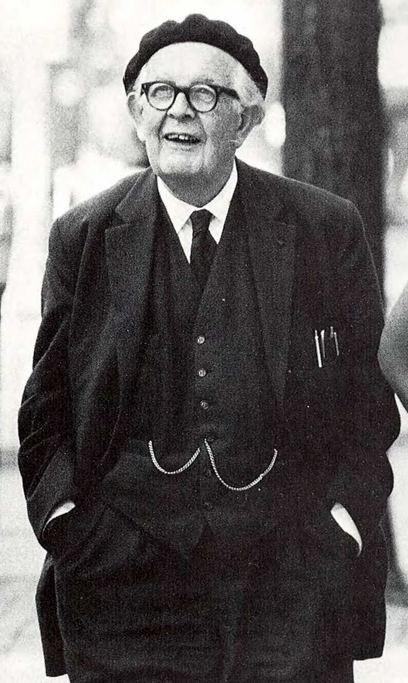 As integrative psychotherapists, we are constantly striving to create meaningful connections with our clients and facilitate positive change in their lives. However, despite our best efforts, there are times when our attempts to connect or promote growth seem to fall short. It’s natural to view these moments as failures, but what if we could reframe them as valuable opportunities for learning and self-correction? By adopting a perspective similar to Jean Piaget’s revolutionary approach of examining errors and finding patterns in them, we can unlock new possibilities for our therapeutic practices and ultimately better serve our clients.
Main Points and Key Ideas:
Integrative psychotherapists can reframe therapeutic “failures” as opportunities for learning and self-correction
Jean Piaget’s approach of examining errors to find patterns can be applied to psychotherapy
Different types of trauma are stored in different types of brain memory, requiring specific therapeutic approaches
Therapists should attune to clients’ personality types and thought preferences to tailor interventions
The Beebe model offers insights into how cognitive functions and archetypes influence personality and interpersonal dynamics
Cultivating a growth mindset is essential for therapists to embrace challenges and improve their practice
Expanding therapeutic toolkits allows for more flexible and responsive interventions
Recognizing what we don’t know and understanding why is crucial for both therapists and clients
Self-awareness and confronting ignorance can lead to more authentic and transformative therapeutic experiences
Continuous learning and adapting approaches are key to effective integrative psychotherapy
The Piaget Perspective: Finding Meaning in Mistakes
Jean Piaget, the renowned Swiss psychologist, made significant contributions to our understanding of cognitive development in children. One of his most groundbreaking ideas was the importance of closely analyzing children’s mistakes rather than simply discarding them as “noise” or irrelevant data. Piaget recognized that these errors provided valuable insights into the underlying thought processes at different stages of development. This could be viewed as studying knowledge through negative space, or studying the known through the ignorance of what we don’t know.
As integrative psychotherapists, we can apply this principle to our own work by viewing our failures to connect with clients or the clients’ lack of progress as pivot points that can guide us toward more effective interventions. By closely examining these “failures” and looking for patterns, we can gain a deeper understanding of our clients’ unique needs and adapt our approaches accordingly.
Understanding the Complexity of Trauma
One key aspect to consider when working with clients who have experienced trauma is that different types of trauma are stored in different types of brain memory, each requiring specific therapeutic approaches to facilitate healing. For example, implicit memories, such as those associated with early childhood trauma, are often stored in the body and may not be easily accessed through traditional talk therapy. In such cases, body-based interventions like somatic experiencing or EMDR (Eye Movement Desensitization and Reprocessing) may prove more effective in releasing these deeply rooted traumas.
As integrative psychotherapists, it’s essential to have a wide range of tools at our disposal to address the various types of trauma our clients may have experienced. By recognizing the limitations of certain approaches and being willing to pivot to more suitable interventions, we can create a more comprehensive and effective healing experience for our clients.
Attuning to Personality Types and Thought Preferences
Just as different types of trauma require different therapeutic approaches, individuals with different personality types and thought preferences may respond better to certain ideological lenses or therapeutic modalities. For instance, a client with a more analytical mindset may find cognitive-behavioral therapy (CBT) more appealing, while someone with a more intuitive or emotional nature may resonate with humanistic or experiential approaches.
By attuning to these individual differences and being willing to pivot our approaches when needed, we can create a more personalized and effective therapeutic experience for each client. This requires a deep understanding of various therapeutic modalities and the flexibility to adapt our interventions based on the client’s unique needs and preferences.
Cultivating a Growth Mindset
To effectively embrace therapeutic failures as opportunities for learning and self-correction, integrative psychotherapists must cultivate a growth mindset. This involves approaching challenges with curiosity and openness, rather than viewing them as personal shortcomings or indictments of our therapeutic abilities.
By regularly reflecting on our sessions and identifying patterns of disconnection or resistance, we can develop a more refined understanding of each client’s unique needs and preferences. This process of self-reflection and continuous learning is essential for our growth as therapists and our ability to provide the best possible care for our clients.
Expanding Our Therapeutic Toolkits
In addition to cultivating a growth mindset, integrative psychotherapists can enhance their ability to pivot and adapt by seeking training in a diverse range of modalities and techniques. By expanding our therapeutic toolkits, we can be more flexible and responsive in our approach, tailoring our interventions to best suit each client’s needs.
This might involve pursuing training in body-based interventions, such as somatic experiencing or EMDR, to better address implicit trauma memories. Or, it could mean deepening our understanding of various personality typologies, such as the Enneagram or the Myers-Briggs Type Indicator, to better attune to our clients’ unique psychological makeup.
By continually expanding our knowledge and skills, we can more easily pivot when one approach isn’t yielding the desired results and offer our clients a more comprehensive and effective therapeutic experience.
The Importance of Knowing What We Don’t Know
While cultivating a growth mindset and expanding our therapeutic toolkits are crucial, perhaps the most important thing for both therapists and clients is to recognize what we don’t know. This self-awareness is the first step toward genuine growth and learning. However, beyond simply acknowledging our knowledge gaps, it is even more vital to understand why we don’t know what we don’t know.
By exploring the roots of our ignorance, we can begin to dismantle the barriers that prevent us from acquiring new knowledge and insights. This process of self-reflection and inquiry is the antidote to ignorance and the key to unlocking our full potential for growth and transformation.
For therapists, this means continually questioning our assumptions, biases, and blind spots, and actively seeking out new perspectives and approaches. By modeling this humble and curious stance, we can inspire our clients to do the same, fostering a therapeutic relationship built on mutual learning and discovery.
For clients, recognizing what they don’t know and why can be a powerful catalyst for change. By exploring the underlying beliefs, experiences, and defense mechanisms that shape their worldview, clients can begin to challenge limiting patterns and embrace new possibilities for growth and healing.
Ultimately, by prioritizing self-awareness and a willingness to confront our ignorance, both therapists and clients can create a more authentic and transformative therapeutic experience. This shared commitment to learning and growth is the foundation of a truly integrative approach to psychotherapy.
On Ignorance
Embracing therapeutic failures as opportunities for growth and self-correction is a powerful way for integrative psychotherapists to enhance their practice and better serve their clients. By adopting a Piaget-inspired perspective of closely examining errors and finding patterns in them, we can gain valuable insights into the underlying factors that may be hindering progress.
Through attuning to the unique needs of each client, utilizing frameworks like the Beebe model, and being willing to pivot our approaches when necessary, we can create a more personalized and effective therapeutic experience. This requires cultivating a growth mindset, continually expanding our therapeutic toolkits, and engaging in ongoing self-reflection and learning.
However, the most crucial aspect of this process is recognizing what we don’t know and, more importantly, why we don’t know it. By actively exploring our ignorance and its roots, both therapists and clients can foster a therapeutic relationship built on mutual learning, growth, and transformation.
Ultimately, by viewing failures as opportunities for growth and prioritizing self-awareness and a willingness to confront our ignorance, we can become more skilled and compassionate therapists, better equipped to support our clients on their journey toward healing and personal evolution. As integrative psychotherapists, it is our responsibility to embrace this mindset of continuous learning and growth, so that we may offer our clients the highest quality of care and empower them to unlock their full potential.
Bibliography:
Piaget, J. (1952). The Origins of Intelligence in Children. New York: International Universities Press.
Van der Kolk, B. A. (2014). The Body Keeps the Score: Brain, Mind, and Body in the Healing of Trauma. New York: Viking.
Rogers, C. R. (1961). On Becoming a Person: A Therapist’s View of Psychotherapy. Boston: Houghton Mifflin.
Beebe, J. (2006). Evolving the Eight-Function Model. TypeFace, 17(2), 1-19.
Dweck, C. S. (2006). Mindset: The New Psychology of Success. New York: Random House.
Levine, P. A. (1997). Waking the Tiger: Healing Trauma. Berkeley, CA: North Atlantic Books.
Jung, C. G. (1971). Psychological Types. Princeton, NJ: Princeton University Press.
Norcross, J. C., & Goldfried, M. R. (Eds.). (2005). Handbook of Psychotherapy Integration. New York: Oxford University Press.
Siegel, D. J. (2010). Mindsight: The New Science of Personal Transformation. New York: Bantam Books.
Yalom, I. D. (2002). The Gift of Therapy: An Open Letter to a New Generation of Therapists and Their Patients. New York: HarperCollins.
Read More Depth Psychology Articles:
Taproot Therapy Collective Podcast
Cognitive and Behavioral Psychologists

















0 Comments