Neuroscience and the Brain: Understanding the Intersection of Mind and Body
This category explores the fascinating field of neuroscience and its implications for understanding the human brain, particularly in relation to trauma, mental health, and therapeutic practices. By delving into the neural mechanisms that underlie our emotions and behaviors, we gain valuable insights into how to effectively address psychological challenges and promote healing.
The Neuroscience of Trauma Understanding how trauma affects the brain is crucial for effective treatment. This section examines the ways in which traumatic experiences alter neural pathways and influence emotional regulation. Learn about the interplay between the limbic system and the prefrontal cortex and how therapies can help rewire these connections. How Do We Find the Roots of Trauma in the Deep Brain? explores the impact of trauma on brain function and highlights therapeutic approaches that target these effects.
Brainspotting Therapy A unique approach to trauma treatment, brainspotting taps into the brain’s natural healing capabilities. This subsection discusses how this method utilizes the connection between eye position and emotional processing to facilitate trauma resolution. Discover the potential of this innovative therapy in The Somatic and Neurological Experience of Brainspotting Therapy, which explains how brainspotting can effectively address traumatic memories.
Memory Reconsolidation in Therapy Memory reconsolidation is a critical process that allows the brain to update and modify existing memories. This section highlights how therapeutic techniques can leverage this phenomenon to promote healing from trauma. Memory Reconsolidation and Recontextualization delves into how memories are reshaped during therapy, offering new insights into emotional healing.
Neuroscience and Somatic Therapies Understanding the body’s role in processing trauma is essential for comprehensive treatment. This subsection explores how somatic therapies can enhance the effectiveness of traditional therapeutic modalities. Somatic Therapies and Trauma discusses the integration of body-centered approaches in trauma therapy, emphasizing the importance of addressing physical sensations alongside emotional experiences.
The Impact of Neurofeedback Neurofeedback is an emerging therapeutic tool that trains individuals to regulate brain activity. This section looks at how neurofeedback can aid in the treatment of various psychological issues, including anxiety and PTSD. Learn more about this innovative approach in The Benefits of Neurofeedback in Therapy, which outlines its applications and effectiveness in mental health treatment.
Understanding Neuroplasticity Neuroplasticity refers to the brain’s ability to reorganize itself by forming new neural connections. This concept is crucial in therapy, as it underpins the potential for recovery and change. Harnessing Neuroplasticity for Healing explores how therapeutic interventions can promote neuroplasticity and facilitate healing from trauma.
The Role of Emotion in Brain Function Emotions play a significant role in brain activity and overall mental health. This subsection discusses the relationship between emotional regulation and brain function, offering insights into how therapies can address emotional dysregulation. Explore the complexities of this relationship in The Connection Between Emotion and Brain Function, which discusses strategies for enhancing emotional regulation.
Integrative Approaches to Mental Health An integrative approach combines various therapeutic modalities to address mental health comprehensively. This section highlights how understanding neuroscience can inform these integrative practices. Integrating Neuroscience with Therapeutic Practices discusses the benefits of combining neuroscience with different therapeutic frameworks to improve client outcomes.
Neuroscience in Self-Care and Personal Development Understanding how the brain works can enhance self-care practices and personal development. This subsection explores practical strategies based on neuroscientific principles. Check out Neuroscience and Personal Growth for insights on applying neuroscience to improve well-being.
Current Research and Trends in Neuroscience The field of neuroscience is constantly evolving, with new research shedding light on various aspects of brain function and mental health. This section provides updates on the latest findings and trends in neuroscience. Stay informed with Recent Advances in Neuroscience Research as we explore how these advancements can influence therapeutic practices.
Visit Taproot Therapy Collective at
2025 Shady Crest Dr. Suite 203,
Hoover, AL 35216
or call (205) 598-6471.
Web: www.GetTherapyBirmingham.com
Podcast: https://gettherapybirmingham.podbean.com/
Why Taproot Therapy Collective recommends Hardy Nutritionals Daily Essential Nutrients for treatment-resistant mood disorders, ADHD, and emotional dysregulation. Discovered not through advertising but through patients whose bipolar disorder and other conditions finally responded. Over 40 peer-reviewed studies support the NutraTek chelation technology. Use code TAPROOT at gethardy.com for 15% off for life.
An In-Depth Exploration of What Brainspotting Does in the Brain Brainspotting is a relatively new psychotherapy approach that combines elements of psychodynamic, somatic, and mindfulness-based therapies to facilitate deep emotional healing and trauma resolution [1]....
In 1927, a French novelist wrote a letter to the most famous doctor in Vienna. Romain Rolland had won the Nobel Prize in Literature. He had spent years studying the Indian mystic Ramakrishna, and he wanted to tell Sigmund Freud that psychoanalysis had missed...
You're sitting across from a patient. They're talking about something ordinary. Scheduling conflicts. Work stress. Nothing obviously emotional. And then you feel it. A heaviness in your chest. A tightness in your throat. Something is coming. Thirty seconds later,...
When someone receives a diagnosis like bipolar disorder, schizophrenia, severe OCD, or even autism, they're usually told it's a lifelong condition. They're given medications to manage symptoms and counseled to accept that this is simply how their brain works. Parents...
Your feed is full of it: influencers claiming they "detoxed their dopamine" and now feel amazing. Tech bros swearing that 24 hours without screens reset their brain chemistry. Wellness gurus selling dopamine fasting protocols that promise mental clarity, focus, and...
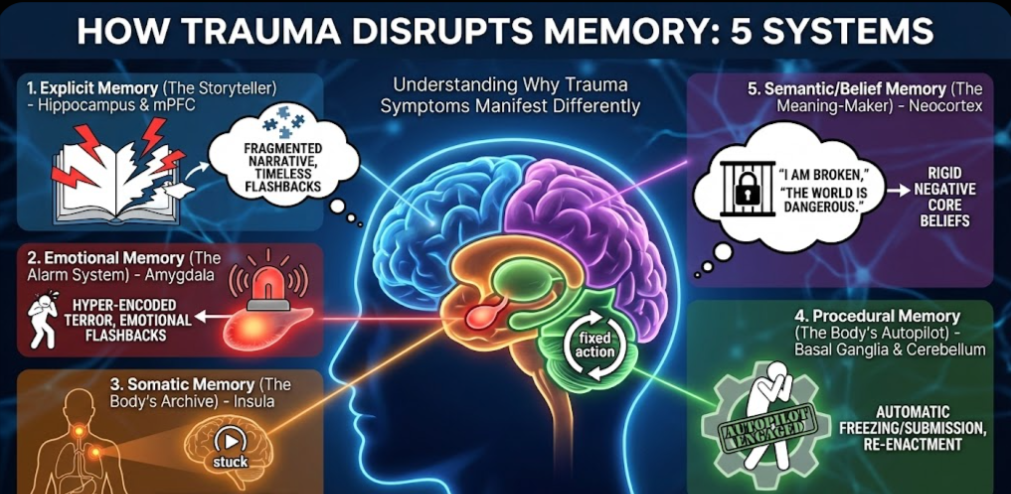
You remember what you had for breakfast yesterday, but you can't recall years of your childhood. You have no visual memory of the assault, yet your body freezes when someone stands too close. You know the car accident happened, but when you try to tell the story, it...
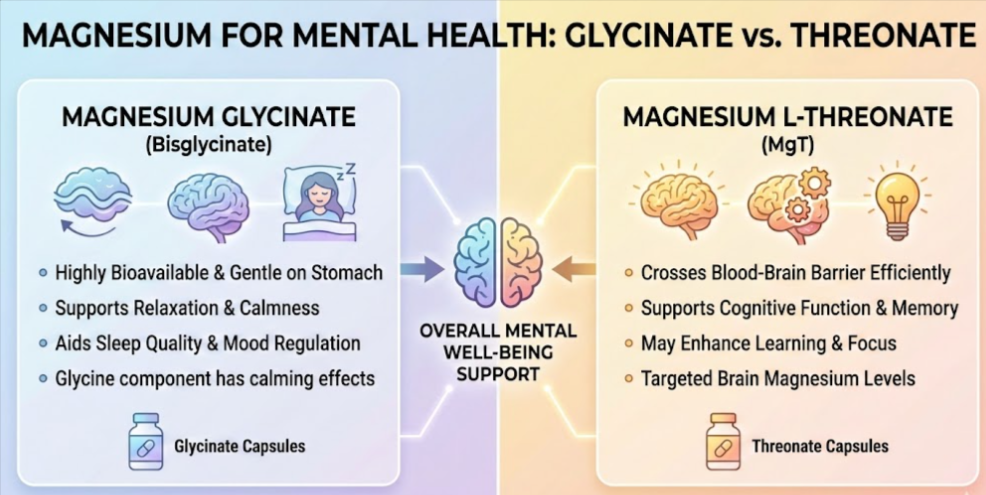
A Clinician's Comprehensive Analysis of Magnesium Forms, Absorption Science, and How to Optimize Your Nervous System By Joel Blackstock, LICSW-S | Clinical Director, Taproot Therapy Collective 1. The Magnesium Crisis in Mental Health If you're reading this, you've...
On the strange convergence between cutting-edge physics and ancient healing wisdom, and why the collapse of a wavefunction might be the best model we have for the moment a client finally changes. There is an old joke in clinical circles that when psychotherapy is...
From exposure therapy's limitations to the somatic revolution, from EMDR's established efficacy to Brainspotting's emerging promise, and why the future of trauma treatment lies in matching the therapy to the brain. The field of trauma treatment is undergoing a...