
The Inflamed Brain: Why Depression is a Metabolic Crisis
Rejecting the "chemical imbalance" myth. Discover the neuro-immune reality of the Gut-Brain Axis and why you cannot talk your way out of a systemic biological fire.
If you have spent years in traditional "talk therapy" or navigating the pharmaceutical merry-go-round of SSRIs without achieving lasting relief from clinical depression, you are not failing at therapy. The paradigm treating you has failed.
For decades, the medical-industrial complex heavily marketed the "chemical imbalance" theory—the idea that depression was simply a deficiency of serotonin in the brain. This allowed the mass corporatization of psychiatric medication. But a revolution in modern neuroscience has entirely shattered this isolationist view. We now possess undeniable clinical evidence that the brain is intimately connected to the gut microbiome, the immune system, and the body’s inflammatory response.
At Taproot Therapy Collective in Birmingham, AL, we view mental health through the lens of neurobiology. The data forces us to ask a radical, paradigm-shifting question: Is treatment-resistant depression actually an allergic reaction to systemic inflammation?
The Mechanism: Microglia and "Sickness Behavior"
When the human body detects an intruder, it launches an inflammatory response to neutralize it. In the short term, this is a brilliant biological adaptation. But when inflammation becomes chronic—driven by severe emotional trauma, environmental toxins, or poor metabolic health—it aggressively crosses the blood-brain barrier.
1. Microglial Activation
Once inflammatory cytokines enter the brain, they attack the microglia (the brain's dedicated immune cells). The brain literally shifts into a defensive, inflamed posture.
2. The "Flu" Protocol (Sickness Behavior)
Think about the last time you had a severe flu. You felt lethargic, unmotivated, foggy, and desperate to withdraw from social contact. Evolutionarily, your body forces you into isolation to conserve metabolic energy for healing.
3. The Depressive Mimic
Chronic inflammation tricks the brain into being "permanently sick." You experience the crushing lethargy, the cognitive blunting, and the social withdrawal of a severe virus, but without the fever. The psychiatric establishment labels this "Clinical Depression."
This biological reality is exactly why standard CBT fails traumatized, inflamed patients. You cannot "reframe" your thoughts to cure a brain on fire, any more than you can logic a swollen knee into reducing its inflammation.
The Gut-Brain Axis: Where the Fire Starts
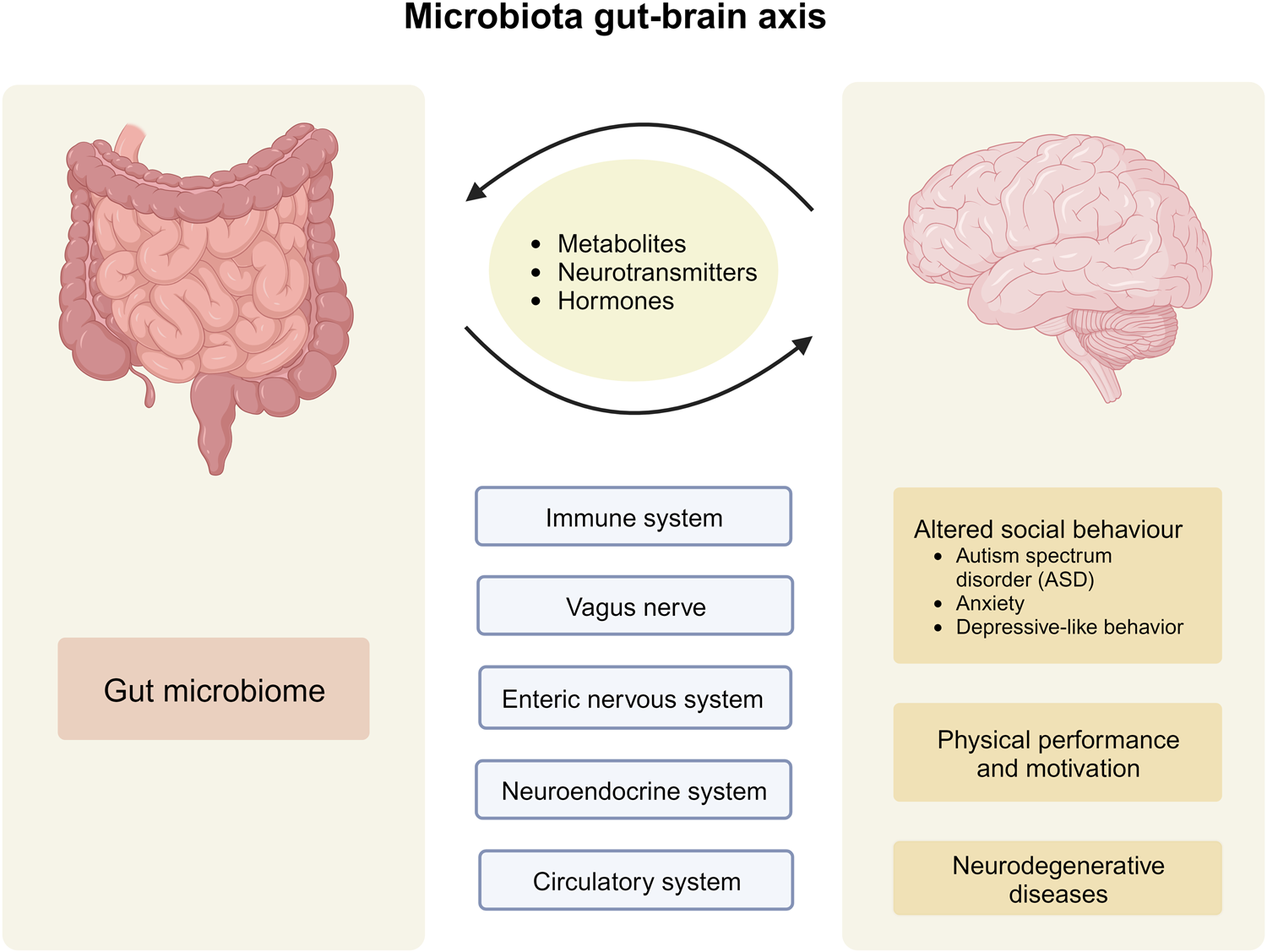
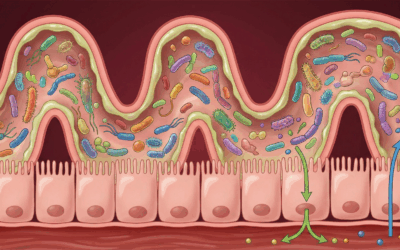
The "Gut-Brain Axis" is the bi-directional communication superhighway connecting your central nervous system to your enteric nervous system (the "second brain" located in your gut). This highway is paved by the Vagus Nerve, but the primary traffic consists of immune cells and neurotransmitters.
Astonishingly, up to 95% of your body's serotonin is manufactured in your intestines. What you consume does not merely fuel your body; it physically constructs your mood. While every nervous system is unique, specific metabolic disruptors are notorious for triggering neuro-inflammation:
- The Zonulin Response (Leaky Gut): For sensitive individuals, environmental stressors and certain proteins trigger the release of zonulin, which opens the tight junctions of the intestinal lining. This allows undigested food particles to escape into the bloodstream, putting the immune system on high alert and manifesting physically as severe anxiety.
- Dysbiosis: High systemic stress and processed sugars feed harmful gut bacteria, crowding out the beneficial flora responsible for manufacturing GABA and dopamine.
The Antidote: Clinical Nutritional Psychiatry
If metabolic dysfunction is the poison, targeted clinical nutrition is the medicine. By systematically reducing inflammation and rebuilding the gut lining, patients frequently experience the lifting of "brain fog" that decades of talk therapy failed to resolve. This is the foundation of Nutritional Psychiatry.
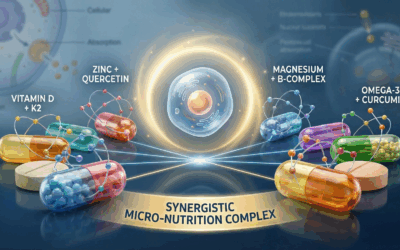
Methylation Drivers
Vitamin B12 and Folate are essential for methylation—the biological process that synthesizes neurotransmitters. A deficiency here perfectly mimics severe depression, cognitive decline, and paranoia.
Zinc
Critical for regulating the autonomic stress response. Low zinc levels in the bloodstream are strongly and repeatedly linked to treatment-resistant depression in clinical trials.
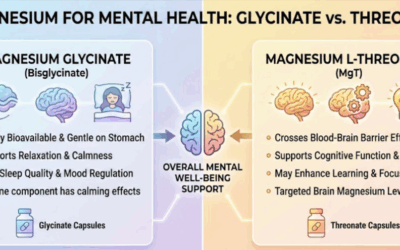
Magnesium
The nervous system's biological relaxant. It blocks excess cortisol from damaging hippocampal brain tissue. The vast majority of patients with severe panic disorders present with profound magnesium deficiency.
Omega-3 Fatty Acids
The brain is composed of 60% fat. Omega-3s act as powerful, natural anti-inflammatories, building flexible cell membranes that are highly receptive to serotonin signaling.
Integrating the Brain and Body at Taproot
Mental health is not "all in your head." It is in your vagus nerve, your immune system, and your metabolic pathways. At Taproot Therapy Collective, we refuse to treat depression purely as a psychological failure. We integrate holistic nutrition with advanced neurobiology.
By utilizing QEEG Brain Mapping, Dr. Jason Mishalanie can objectively identify the diffuse electrical slowing that characterizes an inflamed brain. Clinical Director Joel Blackstock and our trauma specialists then work to integrate somatic healing—calming the nervous system so the body can finally shift out of chronic biological defense.
Stop Treating the Symptom. Heal the System.
If you have been treating your severe depression solely as a psychological issue without success, it is time to map the physiological roots of your suffering.
Schedule a Neurobiological Assessment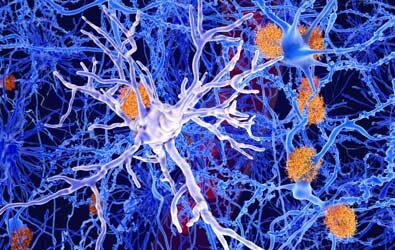













0 Comments