
What is Coherence Therapy?
 Overview
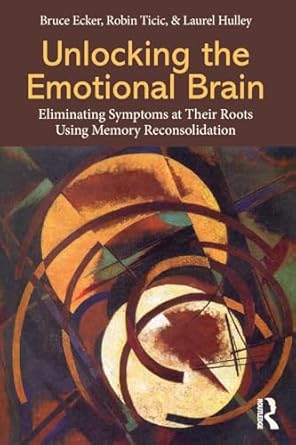
Coherence Therapy is a groundbreaking therapeutic approach that works with the brain’s emotional learning and memory systems to swiftly resolve a wide range of psychological problems. Developed by psychotherapists Bruce Ecker and Laurel Hulley, Coherence Therapy is based on the latest neuroscience of how the brain changes, learns and forms lasting memories.
The central insight of Coherence Therapy is that symptoms of depression, anxiety, compulsive behaviors, and other psychological issues are actually ingenious adaptations created by the emotional brain to protect us from perceived threats. These symptoms are generated by implicit memories and emotional learnings formed during difficult or traumatic experiences, usually outside of conscious awareness.
Although highly counterintuitive, the emotional brain produces symptoms because from its perspective, the symptoms are necessary for our survival. Until the underlying emotional memories are accessed and updated, the brain continues to generate the symptoms, as dysfunctional as they may be.
Coherence Therapy works by helping clients experientially access these emotional implicit memories so they can be transformed and reprocessed. By bringing awareness, compassion, and understanding to the emotional “truth” within the symptoms, profound shifts occur spontaneously as the brain creates new emotional learnings. This allows natural, organic change to occur deeply and rapidly, without effortful counteracting or overriding of symptoms.
The Neuroscience of Emotional Implicit Memory
Coherence Therapy is grounded in research on memory reconsolidation, a neurobiological process that allows the brain to unlock and modify the neural circuits of emotional learnings and responses. Memory reconsolidation is the brain’s innate process for updating outmoded emotional learnings with new ones.
In Coherence Therapy, the therapist guides clients to find the specific memories and emotional schemas maintaining their symptoms. These schemas are then activated experientially within the therapy session. Simultaneously, experiences incompatible with the schemas are found and cultivated. The juxtaposition of the original schema with mismatching information unlocks the neural circuits of the constraining memory, allowing them to be durably dissolved and replaced with new, more adaptive emotional learnings.
This process of memory reconsolidation allows transformational change to occur at the root cause level, liberating clients’ psychological and behavioral responses from the dictates of outmoded implicit emotional schemas. Change unfolds effortlessly as the deep emotional brain comes into coherence with the conscious mind and current reality.
The Therapy Process
Coherence Therapy follows a guided process of discovery to help clients access and reprocess the emotional implicit memories generating their symptoms:
- Symptom identification and evoking: Symptoms are elicited experientially in the session to access the underlying emotional learnings.
- Retrieval of emotional schemas: The specific emotional learnings and implicit memories connected to the symptoms are retrieved into explicit awareness.
- Integration of contrary knowledge: Experiences that contradict the emotional learnings are found and integrated with them, catalyzing memory reconsolidation.
- Verification of change: The therapist guides an experiential check to verify the profound shifts resulting from the memory reconsolidation process.
Therapists pace this process according to clients’ readiness and emotional capacity. With an attuned, empathic therapist, the process feels organic and non-overwhelming, even when working with highly traumatic memories. Coherence Therapy aims to foster a sense of safety, warmth, and collaboration throughout.
Key Concepts and Techniques
Several key concepts and techniques are central to the practice of Coherence Therapy:
- Symptom coherence: The view that symptoms are produced coherently according to the person’s unconscious emotional learnings and memories, not just meaningless malfunctions.
- Emotional implicit memory: The storehouse of learnings and adaptive responses formed in emotionally intense or traumatic experiences, operating largely outside awareness.
- Pro-symptom position: The experiential accessing of the cogent emotional “truth” within the symptom that necessitates it and has been requiring it.
- Overt statement: The succinct, emotionally potent verbalization of the core emotional learning or schema maintaining a symptom.
- Juxtaposition experiences: The cultivation of knowledge and experiences that contradict or disconfirm the core emotional schema, for integration with it.
- Memory reconsolidation: The brain’s innate process for unwiring and nullifying the circuits of emotional learnings in implicit memory, allowing for deep, lasting change.
These techniques allow Coherence Therapy to foster transformational emotional change with a wide range of clinical issues including depression, anxiety, trauma, low self-worth, perfectionism, compulsions, couples’ problems, and more. The approach has been used effectively in brief and longer-term therapy in individual, couples’ and family modalities.
Research and Evidence Base
A growing body of research supports the efficacy of Coherence Therapy and its central mechanism of change, memory reconsolidation. Numerous studies have demonstrated the effectiveness of using memory reconsolidation-based processes to eliminate conditioned fears, phobias and PTSD symptoms in both animals and humans.
Controlled research studies of Coherence Therapy have shown strong effects in reducing symptoms of depression, anxiety and other presenting issues. Brain imaging studies have revealed changes in neural activity correlated with shifts in emotional processing after Coherence Therapy sessions.
Additionally, detailed case studies describe and demonstrate the step-by-step methodology of Coherence Therapy as applied to various issues, documenting the rapid positive changes resulting from the approach. Case studies are also highly useful for training therapists in the therapy’s techniques.
More large-scale controlled studies are needed to rigorously determine the efficacy of Coherence Therapy in comparison with other treatment approaches. However, current evidence and clinical reports consistently suggest that Coherence Therapy is a powerful, effective modality for catalyzing lasting change.
Precursors and Historic Influences
Coherence Therapy emerged in the 1990s from its co-founders’ years of studying the process of profound change in psychotherapy. It synthesizes insights and methods from a variety of precursor approaches:
- Constructivism: The idea that individuals actively construct and construe their own subjective realities, which underlies Coherence Therapy’s view of symptoms as expressions of unconscious emotional meanings.
- Depth psychology: The appreciation of unconscious processes and emotional complexes outside awareness, as emphasized in psychodynamic and Jungian approaches.
- Experiential therapies: The practice of working experientially to access and shift emotional material in the present moment, as found in Gestalt therapy and focusing.
- Systemic therapies: The understanding of problems as embedded in relational and interactional contexts, as espoused by family therapy and multilevel approaches.
- Neuroscience: The integration of findings from neuroscience, memory research and learning theory to ground the process of change in current scientific frameworks.
Coherence Therapy weaves together strands from these various lineages, while offering a new synthesis centered around the process of memory reconsolidation. It represents an experiential, constructivist depth approach updated and refined in light of contemporary neuroscience and research.
Timeline of Development
- Early 1990s: Bruce Ecker and Laurel Hulley begin studying profound change events across therapeutic approaches to identify common factors.
- Late 1990s: The core methodology of Coherence Therapy, initially called “depth-oriented brief therapy,” is developed and elaborated.
- 2000s: Early trainings in Coherence Therapy are offered as the approach spreads among clinicians. Memory reconsolidation research emerges, providing neuroscientific support.
- 2005: The approach is renamed Coherence Therapy to highlight its central focus on the coherence of symptom production.
- 2010s: Coherence Therapy gains increasing recognition internationally as books, articles and conference presentations disseminate the approach. Formal research studies are conducted supporting its efficacy.
- 2020s: Coherence Therapy is increasingly adopted as a transtheoretical approach compatible with various therapeutic styles. It continues to be elaborated in terms of clinical applications, theoretical writings, and research.
The development of Coherence Therapy is an ongoing process as the approach evolves based on clinical experience, theoretical advancement, research findings, and interdisciplinary dialogue. Recent developments include the integration of Coherence Therapy with related approaches like Internal Family Systems, as well as the application of the framework beyond individual psychotherapy to fields like education and social change.
The growth and spread of Coherence Therapy are likely to continue as more clinicians discover its efficacy and more clients benefit from its transformative potential. As a scientifically grounded yet deeply humanistic approach, Coherence Therapy offers a powerful therapeutic framework for the 21st century and beyond.
Relationship to Broader Trends in Psychotherapy
The development of Coherence Therapy can be seen as both a reaction to and an outgrowth of broader trends in the psychotherapy field:
- Emphasis on nonpathologizing frameworks: Coherence Therapy arose in part as a reaction against the pathologizing and objectifying tendencies of the medical model in psychotherapy. It rejects the view of symptoms as dysfunctions, instead honoring their coherence and protection. This aligns with the growth of humanistic, constructivist and postmodern approaches that recognize and work with clients’ subjective meaning-making.
- Focus on experiential process: Coherence Therapy places strong emphasis on working experientially in the present moment to access and shift material that may not be consciously articulated. This reflects the increasing influence of experiential approaches within psychotherapy that prioritize embodied experience, emotional process, and here-and-now interactions over intellectual insight alone.
- Integration of neuroscience: Coherence Therapy is part of the broader trend of psychotherapies incorporating findings from neuroscience to update their models of change and ground them in current scientific frameworks. It draws particularly on research on memory reconsolidation and the neurobiology of emotional learning to inform its methodology of transformational change.
- Emphasis on therapeutic efficiency: In an era of decreasing resources and increasing demand for mental health services, Coherence Therapy’s potential for catalyzing rapid, lasting change aligns with the field’s growing emphasis on therapeutic efficiency and cost-effectiveness. Its constructivist depth approach offers a possible best-of-both-worlds synthesis between the depth of psychodynamic approaches and the relative brevity of newer cognitive-behavioral and integrative models.
At the same time, Coherence Therapy’s process-oriented, experiential emphasis can be seen as a counterpoint to the growing influence of standardized, manualized treatment protocols. It places strong value on therapist creativity, flexibility and attunement in guiding the process of discovery to unlock clients’ emotional truth and healing. In this way, it resists the routinization or one-size-fits-all approach of some contemporary psychotherapy models, instead recognizing the uniqueness of each individual’s emotional reality and process of transformation.
Ultimately, Coherence Therapy represents an integrative framework aimed at distilling and potentiating therapeutic change based on core emotional, neurobiological and relational processes that cut across presenting issues, theoretical orientations and treatment modalities. As such, it offers a transtheoretical model for understanding and facilitating the deep, lasting shifts that are the promise and potential of effective psychotherapy – honoring the long tradition of therapeutic wisdom while remaining vitally engaged with current scientific discovery.
Options for Treatment
Coherence Therapy offers an empowering and liberating approach to psychological healing and change. By working with the brain’s core process of memory reconsolidation, it allows the profound wisdom of the emotional brain to emerge and update itself from within.
The greatest strength of Coherence Therapy lies in its ability to unleash the mind’s innate drive towards coherence, healing and growth. By bringing awareness, warmth and understanding to the emotional truth within the most puzzling and painful of symptoms, Coherence Therapy catalyzes the brain’s natural movement towards integration and well-being.
As neuroscience advances our understanding of the brain’s capacity for change, Coherence Therapy stands at the forefront, providing an approach grounded in research and a deep faith in the healing wisdom and potential alive in each individual. For therapists and clients alike, it provides a path of transformation that is at once deeply science-based and profoundly humanizing.















0 Comments