
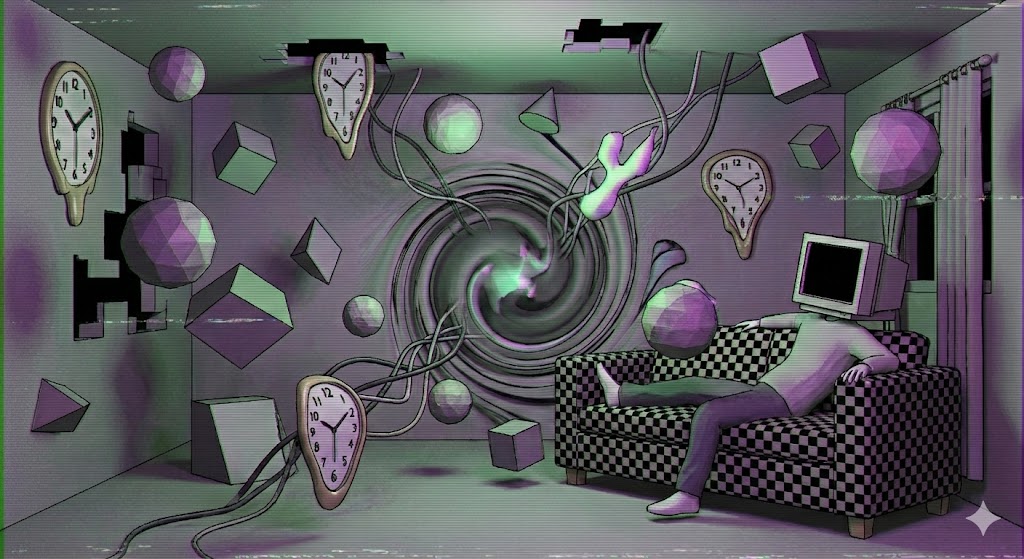
We tend to think of mental illness as a biological fact like a broken leg or a virus. We assume that schizophrenia or depression looks the same in 2024 as it did in 1024. But history tells a different story. If you look at the timeline of psychosis and the specific content of people’s delusions you see a mirror of the culture itself. The things we go crazy about are the things our society is most afraid of.
In the Medieval period psychosis was religious. People were possessed by demons or they saw angels. The world was a battleground between God and the Devil and when the mind broke it broke along those lines. By the 1950s and the Cold War the demons had been replaced by spies. The delusions were about the CIA and the KGB and hidden microphones.
In the 1970s as technology advanced we started to see the Science Fiction delusion. People believed they were being controlled by lasers or satellites or aliens. Today in the 2020s we see the Truman Show delusion. People believe they are being filmed or that they are the main character in a reality show. This is the psychosis of the internet age where we are constantly performing for an invisible audience.
The Neoliberal Capture
Just as our delusions change so does our treatment. And the biggest shift in modern history happened in the 1980s.
In the 1970s President Jimmy Carter gave his famous Crisis of Confidence speech. He suggested that maybe the American myth of endless consumption was broken and we needed to find a new way to live. The country hated it.
We elected leaders who told us that there was no such thing as society only individuals. This was the birth of Neoliberalism in mental health. We dismantled the community mental health centers that had been built to support people in their neighborhoods. We replaced them with a privatized medicalized model. We decided that suffering was not a reaction to a sick world but a broken biological part in an individual machine.
The Shell Game of Symptoms
This shift turned therapy into a shell game. We became obsessed with symptom reduction. If you are anxious take this pill. If you are depressed do this worksheet.
But often we are just moving the pea under a different shell. We repress the anxiety with medication but it pops up as addiction. We treat the addiction but it pops up as a personality disorder. We are not treating the root cause because the root cause is often the culture itself.
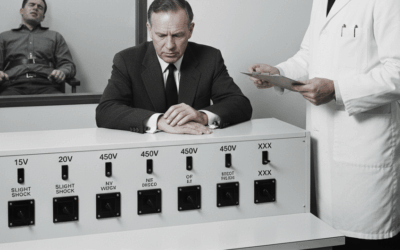
The fragility of our diagnostic authority was exposed famously by the Rosenhan Experiment in 1973. Researchers sent healthy people into psychiatric hospitals with a single instruction to say they hear a voice saying Thud. They were all diagnosed with schizophrenia. This experiment proved that psychiatry often does not see the person. It sees the label.
From Spheres to Foam
So where do we go from here? The philosopher Peter Sloterdijk offers a powerful image for our time. He says that we used to live in Spheres. These were large shared bubbles of meaning like religions and nations and cosmic orders that held us all together.
But the modern world has burst those spheres. We now live in Foam. Foam is a cluster of millions of tiny fragile bubbles. We are close to each other but we are separated by thin films. We are connected but isolated. We have to create our own little micro climates of meaning because the big climate is gone.
This is why we feel so precarious. A sphere is strong but foam is fragile.
Sailing vs. Swimming
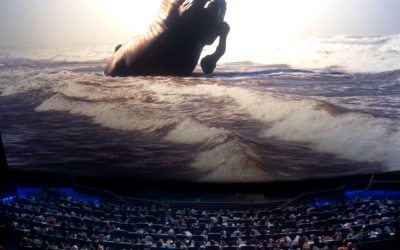
For a long time therapy was about teaching people to swim. We thought if we just taught them the right strokes they could keep their heads above water. But the sea has changed. The waves are too high. The storm of modern culture is too violent. You cannot swim in this ocean anymore.
We have to teach patients to sail. Sailing is different. You do not fight the water. You use the wind. You use the very forces that are trying to capsize you to move forward. You accept that you are not in control of the ocean but you can learn to steer the boat.
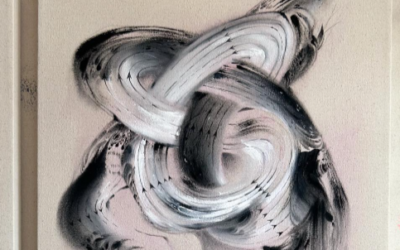
We need to create a Third Space in therapy. A place that stands outside of the foam. A place where patients can be messy and irrational and contradictory. We need to use the language of the negative space.
Poetry often captures this better than psychology. Consider Robert Penn Warren’s poem Riddle in the Garden. He describes a peach as a soft gray bulge that is also a blister. To touch life is to be blistered by it. Therapy is not about removing the blister. It is about learning that the blister and the fruit are the same thing.
This is the future of therapy. It is integrative. It is humble. It respects the biology of the brain stem and the poetry of the soul. We are all out here in the foam together. The best we can do is help each other build a boat that floats.














0 Comments