
Are Chakras Based In Psychology?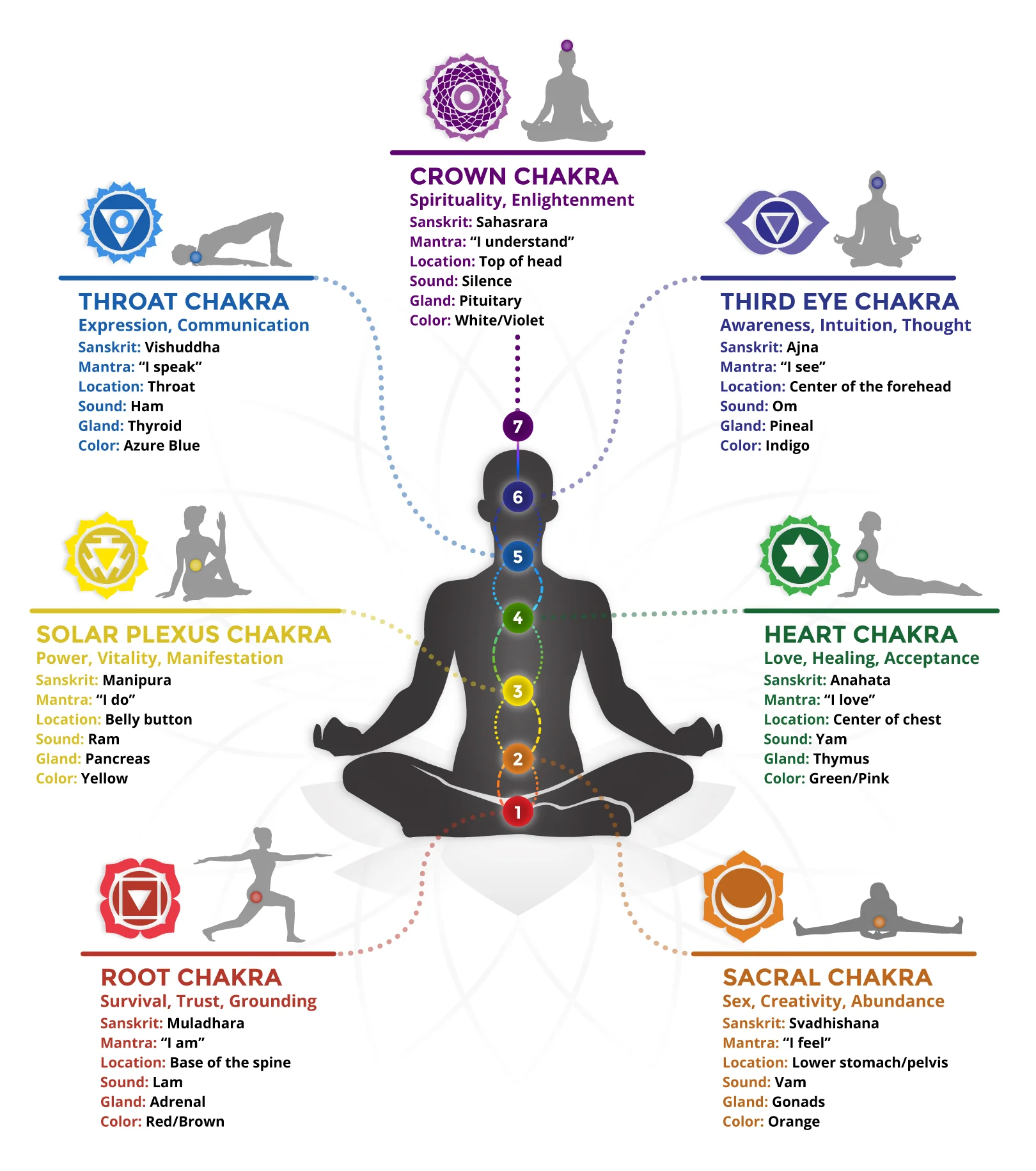
In various mystical and spiritual traditions, the concept of chakras holds a central place in understanding the body’s energy systems and their connection to physical, emotional, and spiritual well-being. Chakras are believed to be spinning wheels of energy located along the spine, each associated with specific qualities, elements, and aspects of human experience. This article explores the seven main chakras, their characteristics, and their significance in mystical practices.
The Seven Chakras
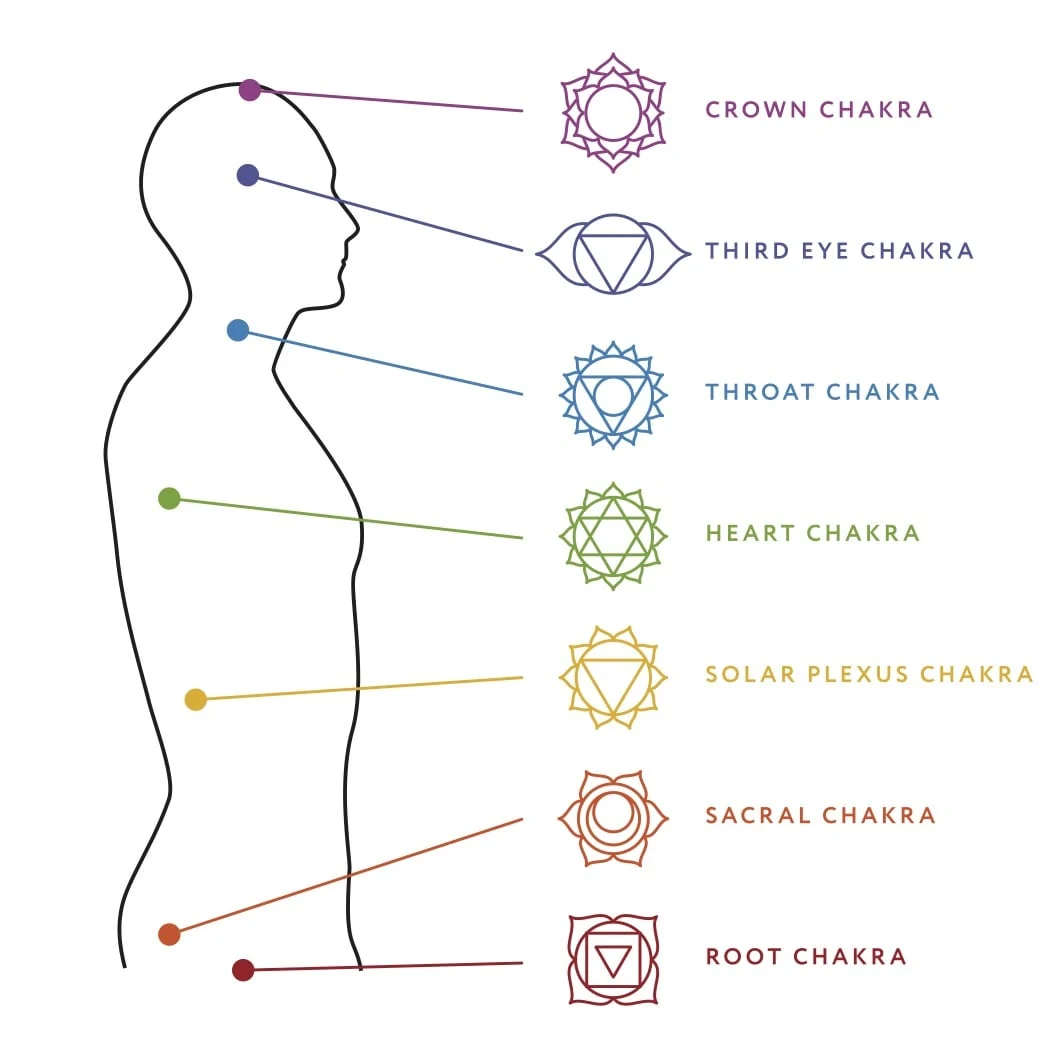
[Image of the seven chakras chart with colors and locations]
- Root Chakra (Muladhara): Located at the base of the spine, the root chakra is associated with stability, grounding, and basic needs. It is linked to the element of earth and the color red.
- Sacral Chakra (Svadhisthana): Situated just below the navel, the sacral chakra is related to creativity, sexuality, and emotional fluidity. It is associated with the element of water and the color orange.
- Solar Plexus Chakra (Manipura): Located above the navel, the solar plexus chakra is connected to personal power, self-esteem, and transformation. It is linked to the element of fire and the color yellow.
- Heart Chakra (Anahata): Centered in the chest, the heart chakra is associated with love, compassion, and emotional balance. It is related to the element of air and the color green.
- Throat Chakra (Vishuddha): Located in the throat, the throat chakra is connected to communication, self-expression, and truth. It is associated with the element of ether and the color blue.
- Third Eye Chakra (Ajna): Situated between the eyebrows, the third eye chakra is linked to intuition, wisdom, and spiritual insight. It is associated with the color indigo.
- Crown Chakra (Sahasrara): Located at the top of the head, the crown chakra is connected to spiritual connection, enlightenment, and unity consciousness. It is associated with the color violet or white.
Chakras in Mystical Practices
- Yoga: Many yogic practices, such as asanas (postures), pranayama (breathing techniques), and meditation, are designed to balance and harmonize the chakras, promoting physical health, emotional well-being, and spiritual growth.
- Energy Healing: Various energy healing modalities, such as Reiki and Healing Touch, work with the chakra system to identify and address energetic imbalances that may contribute to physical, emotional, or spiritual distress.
- Meditation: Chakra-focused meditation practices often involve visualizing each chakra as a spinning wheel of colored light, using mantras or affirmations to activate and balance the energy centers.
- Ayurveda: In Ayurvedic medicine, the chakras are seen as part of the subtle body, influencing the flow of prana (life force energy) and the balance of the doshas (constitutional types).
It’s important to note that the interpretation and significance of chakras may vary across different traditions and lineages. Some practitioners view the chakras as literal energy centers, while others see them as symbolic representations of different aspects of human experience.
Exploring the chakra system can be a powerful tool for self-discovery, personal growth, and spiritual development. By bringing awareness to these energy centers and working to balance and harmonize them, individuals may experience greater physical vitality, emotional resilience, and spiritual connection.
As with any spiritual practice, it’s essential to approach the study of chakras with an open mind, a discerning eye, and respect for the cultural and historical contexts from which these teachings originate. By integrating the wisdom of the chakra system into a holistic approach to well-being, individuals can cultivate a deeper understanding of themselves and their place in the greater web of life.
Post-Jungian Developments and the Chakra System
Recent developments in psychotherapy and neuroscience have begun to bridge the gap between ancient wisdom traditions and modern scientific understanding. Two notable approaches, Emotional Transformation Therapy (ETT) and Brainspotting, offer intriguing parallels to the chakra system, potentially validating its timeless insights through contemporary research and practice.
Emotional Transformation Therapy (ETT) and Chakras
Developed by Steven Vazquez, Emotional Transformation Therapy (ETT) is a therapeutic approach that combines light therapy, eye movement techniques, and verbal processing to facilitate rapid emotional and physiological changes. ETT’s framework shows remarkable similarities to the chakra system:
- Color Associations: ETT uses specific colors of light to stimulate different emotional and physiological responses, mirroring the color associations of the chakras. For example:
- Red light (Root Chakra) is used to address issues related to survival and grounding.
- Green light (Heart Chakra) is employed to work on emotional healing and balance.
- Blue light (Throat Chakra) is utilized to enhance communication and self-expression.
- Energy Centers: ETT recognizes the existence of energy centers in the body that correspond closely to the chakra locations. Vazquez’s work suggests that these centers can be accessed and influenced through specific eye positions and light stimulation.
- Holistic Approach: Like the chakra system, ETT emphasizes the interconnectedness of physical, emotional, and spiritual aspects of well-being, addressing issues at multiple levels simultaneously.
- Transformation and Balance: Both ETT and chakra work focus on transforming stuck energy and restoring balance to the system as a whole, promoting overall health and well-being.
Brainspotting and Chakra Wisdom
- Energy Points: Brainspotting identifies specific eye positions, called “brainspots,” that correlate with emotional and physiological activation. These spots could be seen as analogous to the energy centers described in the chakra system.
- Body-Mind Connection: Like chakra work, Brainspotting emphasizes the deep connection between the body and mind, recognizing that physical sensations and eye positions can provide access to emotional and psychological material.
- Processing Trauma: Both Brainspotting and chakra healing practices aim to process and release trapped energy or trauma, promoting healing and integration.
- Attunement: Brainspotting emphasizes the importance of attunement between therapist and client, similar to the concept of energy alignment in chakra work.
- Spiritual Dimension: While Brainspotting is primarily a psychological technique, many practitioners and clients report experiences of spiritual insight and connection during sessions, echoing the spiritual aspects of chakra work.
Validating Timeless Wisdom
The parallels between these modern therapeutic approaches and the ancient chakra system suggest several important points:
- Scientific Validation: The effectiveness of ETT and Brainspotting in clinical practice provides indirect support for the chakra system’s model of energy centers and their influence on well-being.
- Universality of Experience: The similarities between these diverse approaches hint at universal aspects of human experience and healing that transcend cultural and temporal boundaries.
- Integration of Approaches: The convergence of ancient wisdom and modern techniques opens up possibilities for integrative approaches that combine the best of both worlds.
- Expanded Understanding: Modern approaches like ETT and Brainspotting offer new ways to understand and work with the principles underlying the chakra system, potentially enhancing its application in contemporary contexts.
- Mind-Body-Spirit Connection: These parallels reinforce the importance of addressing health and well-being from a holistic perspective that includes physical, emotional, and spiritual dimensions.
Conclusion
The emergence of therapeutic approaches like Emotional Transformation Therapy and Brainspotting provides intriguing support for the timeless wisdom encapsulated in the chakra system. While these modern techniques do not directly reference chakras, their underlying principles and observed effects align remarkably well with the ancient understanding of energy centers and their influence on human well-being.
This convergence of ancient wisdom and contemporary practice offers exciting possibilities for deepening our understanding of human consciousness and healing. It suggests that the chakra system, far from being merely a relic of esoteric tradition, may offer valuable insights that are only now being rediscovered and validated through modern scientific and therapeutic approaches.
As research in these areas continues to evolve, we may find even more connections between ancient spiritual practices and cutting-edge psychological and neurobiological understandings. This integration of timeless wisdom and modern knowledge holds great promise for developing more effective, holistic approaches to healing and personal growth in the 21st century and beyond.
Want to talk to someone about Chakras? Send Alice and email.
Mystics and Gurus











0 Comments