

How to Spot an Addiction Rehab Scam: A Guide to Finding Real Care
Seeking inpatient treatment for substance abuse is a courageous, life-saving decision. But the residential addiction industry is poorly regulated, heavily corporatized, and filled with predatory marketing. Here is how to protect yourself and your loved ones.
When you are in the middle of a family crisis, desperate to find an inpatient drug or alcohol treatment center, it is incredibly easy to fall prey to sophisticated marketing. A quick Google search will yield thousands of glossy websites promising luxury amenities, "30-day cures," and idyllic beachfront recovery.
Unfortunately, according to federal healthcare watchdogs and recent 2026 medical investigations, a massive percentage of the residential rehab industry has been acquired by private equity firms. Many of these centers operate on a "revolving door" model—focusing on maximizing insurance billing for urinalysis and keeping beds full, rather than providing the deep neurobiological and psychiatric care required for lasting sobriety.
At Taproot Therapy Collective in Birmingham, AL, we do not operate a residential inpatient rehab. We are a specialized outpatient neuro-therapy clinic. However, we frequently treat patients who have been traumatized by predatory rehab centers (the notorious "Florida Shuffle"). To ensure you or your loved one receives actual medical care, you must know how to spot the red flags.
The Red Flags: Identifying Predatory Rehabs
Warning Signs of a Rehab Scam
If a residential treatment center's admissions representative exhibits any of the following behaviors on a phone call, hang up immediately:
- Patient Brokering & Free Flights: If a facility offers to illegally fly you across the country for free, pay your insurance premiums, or waive your deductible, they are likely engaging in "patient brokering"—treating you as a commodity to extract out-of-network insurance payouts.
- Selling Luxury Over Medicine: If the brochure highlights the private chef, equine therapy, and infinity pool, but makes no mention of ASAM (American Society of Addiction Medicine) credentials, psychiatric staff, or trauma protocols, it is a resort, not a hospital.
- The "One-Size-Fits-All" 12-Step Mandate: 12-Step programs (AA/NA) are highly valuable, free community support groups. But if a facility charges $30,000 a month and their primary "treatment" consists solely of driving patients to local AA meetings and enforcing rigid abstinence without medical oversight, you are being scammed.
- No On-Site Medical Detox: Alcohol and benzodiazepine withdrawal can be fatal. If a facility does not have 24/7 medical staff to manage acute withdrawal and relies on "going cold turkey," it is fundamentally unsafe.
The Green Flags: Evaluating Real Clinical Care
Substance Use Disorder is not a moral failing or a lack of willpower; it is a severe injury to the autonomic nervous system. A legitimate inpatient rehab treats addiction as a highly complex neurobiological and psychiatric condition.
What to Look For in an Inpatient Center
When interviewing a potential residential facility, ask the admissions staff to provide concrete proof of the following:
- Dual-Diagnosis Capabilities: The vast majority of addiction is driven by unhealed PTSD, profound anxiety, or clinical depression. A legitimate rehab has licensed trauma therapists and psychiatrists on staff to treat the underlying cause, not just the substance use.
- Evidence-Based Modalities: They utilize legitimate, trauma-informed clinical interventions (such as EMDR, Somatic therapy, or Dialectical Behavior Therapy), rather than just "group sharing" or punitive confrontation tactics.
- Medical-Assisted Treatment (MAT): They offer FDA-approved medications (like Buprenorphine or Naltrexone) when clinically appropriate to manage severe biological cravings, rather than enforcing a dogmatic "medication-free" ideology.
- Robust Discharge Planning: A good rehab knows that 30 days is not a cure. They will actively coordinate with specialized outpatient therapists in your hometown to ensure you have a "step-down" plan the moment you leave their facility.
The Crucial Next Step: Intensive Outpatient Aftercare
Inpatient rehab is designed to safely detox your body and stabilize you during a crisis. It is not designed to permanently rewire your brain. The real work of recovery begins the day you discharge.
When you return home, your nervous system will be highly dysregulated, and the triggers that drove your addiction will still exist. This is where Taproot Therapy Collective steps in. Led by specialists like Kristi Wood, LICSW, we provide the elite, outpatient neuro-somatic care required to maintain long-term sobriety.
Repair the Brain (QEEG)
Substances damage the brain's reward centers. We use QEEG mapping and neurostimulation to biologically repair these pathways, lowering anxiety and reducing cravings without medication.
Process the Trauma
We use deep subcortical processing like Brainspotting and EMDR to heal the original trauma you were drinking or using to escape, removing the psychological need to self-medicate.
Regulate the Body
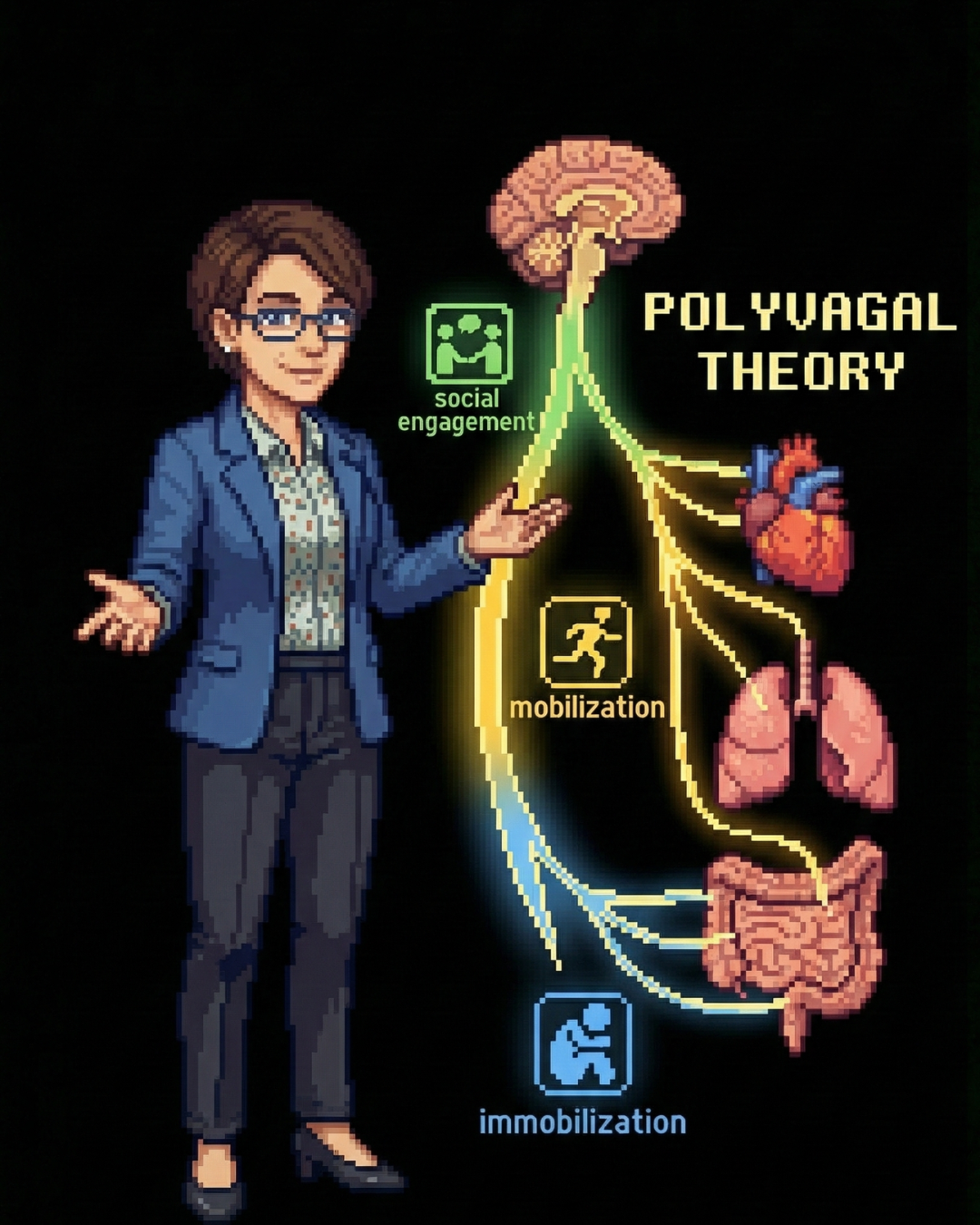
Through Somatic Experiencing, we teach your nervous system how to safely tolerate stress and intense emotions so you don't feel forced to reach for a chemical off-switch.
Metabolic Support
Addiction strips the brain of vital nutrients. We utilize Hardy Nutritionals' clinical micronutrients to rebuild neurotransmitter production and heavily mitigate Post-Acute Withdrawal Syndrome (PAWS).
Finally, understand that recovery is heavily influenced by your relational ecosystem. A comprehensive outpatient plan must address toxic interpersonal dynamics, such as navigating partners who use DARVO (Deny, Attack, and Reverse Victim and Offender) tactics, which can easily trigger a relapse. To explore these deeper psychological mechanisms, we invite you to explore the Taproot Therapy Collective Podcast.
Ready for the Next Phase of Recovery?
If you have recently completed an inpatient rehab program, or if you are looking for intensive neurobiological trauma care to help you maintain your sobriety while living your daily life, we are here to help.
Schedule an Outpatient Consultation
















0 Comments