
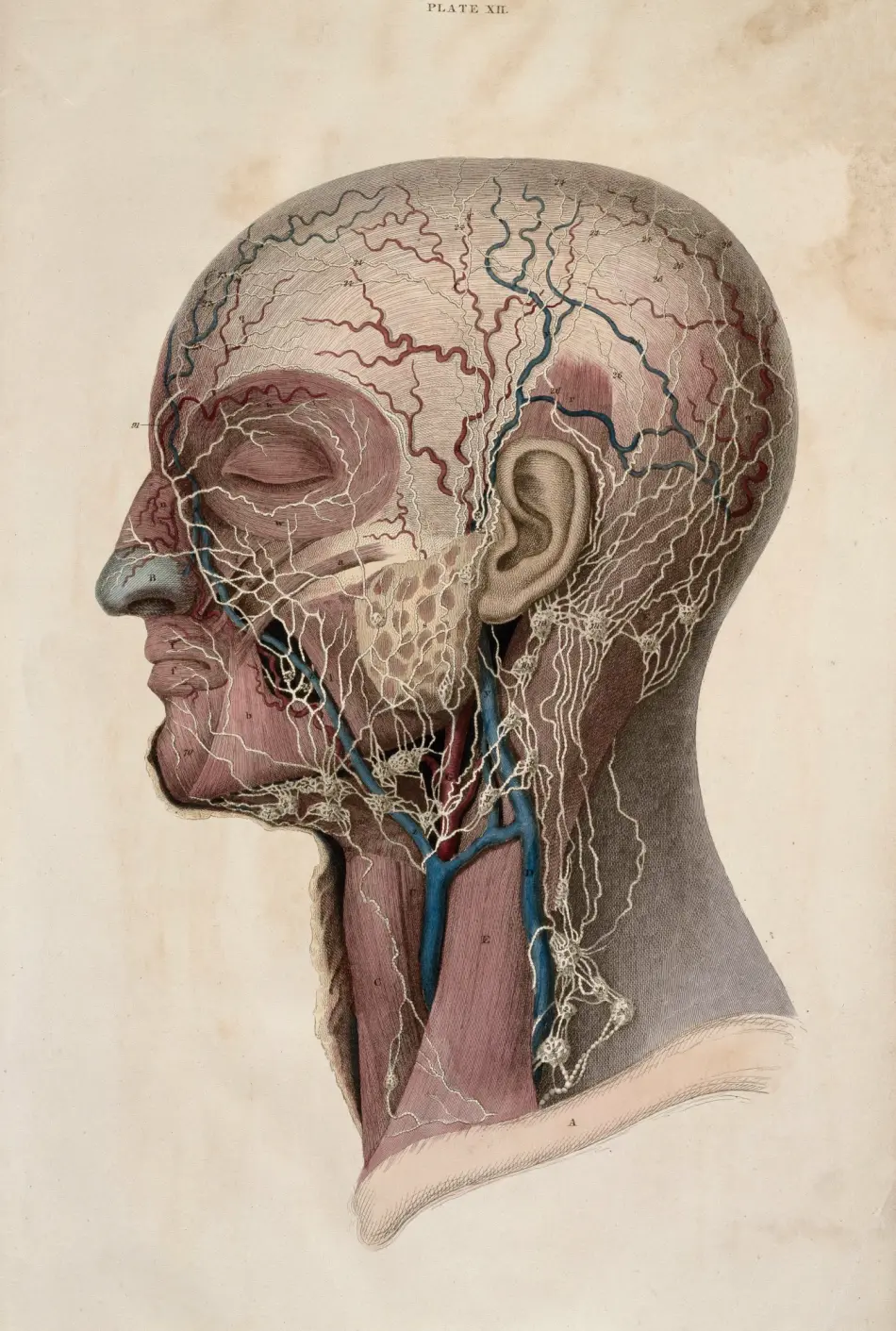
For PTSD, trauma-focused forms of cognitive behavioral therapy, such as cognitive processing therapy and prolonged exposure, have far more trial evidence than any somatic therapy, and so does EMDR. Somatic Experiencing and related body-based methods have a handful of small randomized trials with mixed results. Somatic work can be a reasonable choice or add-on, especially when talk-based treatment has stalled, but it has not been shown to work better.
The argument of this page is that the move from CBT toward somatic therapy is a shift in demand and in how people describe their suffering, not yet a shift in the evidence. Clients are right that trauma shows up in the body as well as in beliefs, and right that the standard treatments leave many people with symptoms. They are not yet right that body-based methods do better. Therapists who offer somatic work, as my practice does, owe clients that distinction in plain words.
An earlier version of this article argued the opposite: that a market of trauma survivors had already delivered its verdict on CBT, and that somatic and “neuro-experiential” therapies were winning because they worked. It rested on market forecasts, Reddit threads, marketing blogs for therapists and several journal citations that do not exist as given. This version keeps the question and replaces the sources.
What actually shifted
Some of the shift is easy to see. Bessel van der Kolk’s The Body Keeps the Score (2014) stayed a bestseller for years and gave a wide public a vocabulary for trauma as something held in the body.1 The title phrase comes from his 1994 paper in the Harvard Review of Psychiatry on memory and the psychobiology of posttraumatic stress.2 That paper’s reliance on implicit memory drew a detailed critique from the psychologist Richard McNally in Remembering Trauma (2003).3 The book has drawn critics of its own. In a 2024 article, Keith Cox and R. Trent Codd called van der Kolk and Peter Levine “not consistently science-based” and described their enormous influence with the public and with individual providers as a main contributor to the fact that most people with PTSD do not receive science-based treatment.4 The book’s popularity and its scientific standing are separate questions, and the popularity is what reached clients.
Training has grown alongside demand. Somatic Experiencing, Sensorimotor Psychotherapy, Brainspotting and Lifespan Integration each run their own training sequences, and many private-practice therapists, including clinicians at Taproot, have taken them. What nobody has is good data on how much of this work is delivered, to whom, or with what results. A 2024 paper called private practice and private-pay care an understudied setting in implementation science and listed the effect of direct-to-consumer marketing on demand for evidence-based treatment among the open research questions.5
The earlier version put numbers on the shift: PTSD-treatment market forecasts in the tens of billions of dollars, a 90% jump in UK searches for “somatic therapy” and 160 million TikTok views. I have removed them. The market figures came from commercial forecasts sold to businesses, and none measures which therapy a client chooses. The search and TikTok figures were credited to a magazine article whose cited address now redirects to an unrelated fashion story. Interest in somatic therapy has clearly grown; by how much, this page cannot honestly say.
The earlier version also called this the “fourth wave” of psychotherapy, after a “humanistic and mindfulness-based” third wave. That mixes two histories. “Third wave” was Steven Hayes’s 2004 term for acceptance- and mindfulness-based behavior therapies, such as ACT and DBT, within the behavioral tradition.6 Humanistic therapy is a separate lineage. “Fourth wave” has no agreed definition; people use it for whatever they expect to come next. The site’s brief history of psychotherapy from Freud to the fourth wave covers the longer story.
What “CBT for trauma” means, and what the guidelines say
Arguments against CBT for trauma often target a version that trauma researchers do not recommend: a therapist disputing “irrational thoughts” while the client’s body stays braced. The treatments with the best evidence are trauma-focused. Cognitive processing therapy works on the specific beliefs a trauma left behind, such as self-blame or the conviction that no one can be trusted. Prolonged exposure has the client revisit the memory aloud and in detail, and gradually approach the places and situations they have been avoiding. Prolonged exposure rests on emotional processing theory, which Edna Foa and Michael Kozak set out in 1986: a fear memory changes when it is activated and new, incompatible information is taken in while it is active.7 Exposure sessions are physically intense, and the change they aim for shows up as falling arousal in the body as much as in a revised thought.
The major guidelines agree on the core. The American Psychological Association’s PTSD guideline strongly recommends CBT, cognitive processing therapy, cognitive therapy and prolonged exposure. It conditionally recommends brief eclectic psychotherapy, EMDR and narrative exposure therapy, and its panel noted that newer trials could move EMDR and narrative exposure therapy up to a strong recommendation.8 The 2023 guideline from the U.S. Departments of Veterans Affairs and Defense recommends prolonged exposure, cognitive processing therapy or EMDR, and prefers these manualized psychotherapies to medication.9 A 2020 meta-analysis of 114 randomized trials with 8,171 participants found robust, clinically important effects for trauma-focused CBT and for EMDR, with cognitive processing therapy, cognitive therapy and prolonged exposure the best supported.10 The site looks at the debate over EMDR in Is EMDR pseudoscience? Neither guideline recommends Somatic Experiencing, Sensorimotor Psychotherapy or Brainspotting.
“Gold standard” is a contested label even among researchers. Daniel David, Ioana Cristea and Stefan Hofmann argued in 2018 that CBT earns the title because it is the most researched psychotherapy, no other has been shown to be systematically superior to it, and its mechanisms of change are the most studied, while granting clear room for improvement.11 Falk Leichsenring and Christiane Steinert had argued in JAMA the year before for plurality in treatment and research, and David’s group summarized the objection this way: many CBT trials are of low quality or compare CBT with weak controls such as waitlists.11, 12 Both points can stand. For trauma the honest claim is narrower: trauma-focused CBT and EMDR are the best-tested options, not the only legitimate ones.
Top-down versus bottom-up is a weaker split than it sounds
The somatic case usually rests on a contrast. CBT is “top-down”: it starts with the thinking cortex and tries to reason with the alarm system. Somatic therapy is “bottom-up”: it starts with sensation and the autonomic nervous system and lets meaning follow. As a description of where a session puts its attention, the contrast is useful. As a description of the brain, it is too neat.
Take the claim, common in somatic writing and repeated in the earlier version of this article, that the amygdala “does not respond to logic.” Joseph LeDoux, whose fear-conditioning research made the amygdala famous, now separates the brain’s threat system from the feeling of fear. With Daniel Pine he proposed a two-system view: one set of circuits, including the amygdala, detects threat and drives defensive behavior and the bodily changes that go with it, while the conscious feeling of fear depends on a different set of circuits.13 On that account neither talk nor body has a private line to a single trauma switch. Both routes act on the same linked system of threat detection, bodily arousal and interpretation.
The overlap shows up in practice too. In 2015 the developers of seven evidence-based PTSD treatments, among them Foa, Patricia Resick and Francine Shapiro, were asked what their methods had in common. They named psychoeducation, emotion regulation and coping skills, imaginal exposure, cognitive processing and meaning making, work with emotions, and memory processes.14 A good somatic session uses several of these. Somatic Experiencing’s “titration,” approaching distressing material in small doses, and “pendulation,” moving between activation and settling, are its tools for emotion regulation during contact with the memory.15 Levine and his co-authors write that this back-and-forth distinguishes SE from exposure therapies, which do not tend to avoid extremes of activation. That is a real difference in method. It is also a difference of degree. A randomized trial has compared SE with prolonged exposure in military veterans, but the only report from it I could find is a qualitative study of 30 participants, in which people in both arms described the work as dominated by bodily experience; I found no published outcome results.16
The body-based tradition is older than the current interest. Wilhelm Reich’s Character Analysis (1933) described “character armor,” habitual patterns of behavior, speech and posture that serve as defenses, and his later idea of muscular armor fed into body psychotherapy.17 Alexander Lowen, who studied with Reich in New York in the 1940s, later developed bioenergetic analysis with John Pierrakos and popularized it in his 1975 book Bioenergetics. Peter Levine developed the ideas behind Somatic Experiencing from the 1970s and brought them to a general audience in Waking the Tiger (1997).18 He drew on Eugene Gendlin’s “felt sense,” the bodily, not-yet-worded sense of a situation that Gendlin described in Focusing (1978); the site has a timeline of Gendlin’s life and work.19 Pat Ogden’s Sensorimotor Psychotherapy, set out in Trauma and the Body (2006), brought attention to posture, movement and sensation into talk therapy.20
What the evidence says about somatic and experiential methods
Somatic Experiencing has the most research of the named somatic methods, and it is still thin. Its developers describe it as working through interoception, the sense of the body’s internal state, and proprioception, the sense of position and movement.15 The first known randomized trial of SE for PTSD, published in 2017 by Danny Brom and colleagues, assigned 63 people to 15 weekly sessions or a waitlist and found large effects on PTSD symptoms (Cohen’s d of 0.94 to 1.26) and on depression.21 A waitlist is a weak comparison, because it does not control for attention, expectation or the simple experience of weekly time with a caring professional.
Two Danish trials in people with chronic low back pain and PTSD symptoms compared SE added to usual care against usual care alone. The first, with 91 patients, found that SE reduced the number of PTSD symptoms, though its authors wrote that the overall effect was less than expected and “the clinical importance of the effects can be questioned.”22 The second, with 114 patients, found no added benefit on any outcome.23 A 2021 scoping review of 16 studies found “preliminary evidence for positive effects of SE on PTSD-related symptoms,” judged overall study quality mixed, and called for “unbiased RCT-research.”24 Practitioners and clients in those studies named resource-orientation and the use of touch as the method’s distinctive key factors. Taproot offers SE, and our page on Somatic Experiencing therapy in Hoover covers the practical side.
The broader category does somewhat better, and still not well. A 2023 update of a meta-analysis of body- and movement-oriented interventions for PTSD pooled 29 studies and found a moderate effect on PTSD symptoms (Hedges’ g = 0.50), with very high heterogeneity and some concerns or high risk of bias in all but one study.25 Trauma-sensitive yoga has one of the better trials, run by van der Kolk’s own group: 64 women with chronic, treatment-resistant PTSD were assigned to 10 weekly yoga classes or a women’s health education class, and at the end 52% of the yoga group no longer met PTSD criteria, compared with 21% of controls.26 A pilot trial of a 20-session group based on Sensorimotor Psychotherapy, in 32 women with childhood trauma, found gains in body awareness, anxiety and receptivity to soothing compared with a waitlist.27
Brainspotting, which David Grand says he developed in 2003 out of his EMDR work, holds that “where you look affects how you feel”: a fixed eye position linked to activation is thought to give access to unprocessed material. Its proposed mechanism, which involves the midbrain, was published in Medical Hypotheses as a hypothesis, not as a tested finding.28 The clinical evidence is thin. In a 2017 study co-authored by Grand, 76 adults seeking help after a traumatic event received three 60-minute sessions of either EMDR (23 people) or Brainspotting (53). Self-reported PTSD symptoms fell in both groups, with larger effect sizes for EMDR (Cohen’s d of 1.19 to 1.76) than for Brainspotting (0.74 to 1.04).29 The abstract describes no random assignment, and the method’s developer is an author. A non-randomized comparison of unequal groups cannot show that the two work equally well, as the earlier version of this article claimed. The other controlled comparison I could find is a 2022 Italian study in which 40 psychologists and physicians, not patients, each processed four distressing memories, one apiece with a single 40-minute session of EMDR, Brainspotting, body-scan meditation or book reading. Distress ratings fell more after EMDR and Brainspotting than after the other two.30 That is an interesting laboratory result in a non-clinical sample and nothing more yet. I found no randomized trial comparing Brainspotting with an established PTSD treatment in patients. Taproot offers Brainspotting, and our Brainspotting therapy page has the practical details.
Lifespan Integration, developed by Peggy Pace, takes the client through repeated passes of a “timeline” of their life up to the present.31 The method’s official site says this proves to the client’s “body-mind” that the trauma happened in past time, and also says LI is “more effective than traditional talk therapies” and that multiple studies show its efficacy.32 The controlled evidence is one small pilot trial. In a 2022 Swedish study, 36 female participants with PTSD after a single sexual assault were randomized to one 90- to 140-minute session of a modified form of LI or to a waitlist; three weeks later, 72% of those analyzed in the treatment group no longer scored in the PTSD range, against 6% on the waitlist.33 The authors made their recommendation conditional on replication, and a waitlist comparison with three weeks of follow-up cannot show that LI beats an active treatment. The rest of the published outcome research consists of single-case studies, such as a 2021 hermeneutic single-case study of one 12-year-old who received nine sessions.34 Neither kind of study supports the site’s comparative claim against talk therapy. The earlier version described LI’s mechanism as memory reconsolidation; that is a hypothesis practitioners offer, not something LI studies have tested. Taproot offers LI as well; our Lifespan Integration page has the practical details.
Many somatic therapists explain their work through Stephen Porges’s polyvagal theory, introduced in 1994 and published in Psychophysiology the following year.35 In its developed form the theory ties a ventral vagal state of social engagement, a sympathetic state of mobilization and a dorsal vagal state of shutdown to an evolutionary hierarchy. The vocabulary has clinical use: clients recognize shutdown and agitation when someone names them. The physiology is another matter. In 2023 the psychophysiologist Paul Grossman reviewed the theory’s five basic premises and argued that each is untenable or highly implausible given the available evidence; Porges disputes the critique.36 A therapist can use “shutdown” and “mobilization” as descriptions without claiming the vagus nerve works the way the theory says.
| Approach | Best evidence so far | What it shows | Main limits |
|---|---|---|---|
| Trauma-focused CBT (CPT, CT, PE) | Many RCTs, meta-analyses, guideline recommendations | Clinically important symptom reduction | Many people keep symptoms; dropout |
| EMDR | RCTs and meta-analyses; recommended by APA (conditionally) and VA/DoD | Clinically important symptom reduction | Conditional, not strong, APA recommendation |
| Somatic Experiencing | Three RCTs with PTSD outcomes and a scoping review | One large effect against a waitlist, one positive result of questioned clinical importance, one null result | Small samples, weak controls, mixed quality; no published outcome comparison with exposure therapy |
| Body- and movement-oriented methods, including yoga | Meta-analysis of 29 studies | Moderate pooled effect on PTSD symptoms | Very high heterogeneity, high risk of bias |
| Brainspotting | One non-randomized comparison with EMDR; one single-session study in non-patients | Symptom reduction, with smaller effects than EMDR; lower distress ratings than meditation or reading | No randomized trial against an established PTSD treatment |
| Lifespan Integration | One small waitlist-controlled pilot of a one-session modified version; single-case studies | Large short-term drop in PTSD symptoms; change in individual cases | Not replicated; no comparison with an active treatment |
Why the demand is real anyway
None of this means that clients who want something other than CBT are confused. The standard treatments help many people and leave many others behind. Maria Steenkamp and colleagues reviewed the military and veteran trials in JAMA in 2015. Cognitive processing therapy and prolonged exposure produced large within-group improvements, and 49% to 70% of patients improved meaningfully, but about two-thirds still met criteria for PTSD after treatment, and the trauma-focused therapies were only marginally better than non-trauma-focused comparison treatments. The authors concluded that “nonresponse rates have been high.”37
Dropout is the other half. A 2020 meta-analysis put the pooled dropout rate from PTSD therapy trials at 16% and found it higher for therapies with a trauma focus.38 An earlier meta-analysis found an average of 18% and no difference by trauma focus when active treatments were compared within the same study, although trauma-focused therapies lost more patients than present-centered therapy.39 The fear that exposure retraumatizes people has some direct evidence against it, though not a large body of it. In one study of 76 women with chronic PTSD treated with prolonged exposure, only a minority had a reliable temporary worsening, and those who did improved as much as the rest and were no more likely to drop out.40 Even so, a treatment that asks you to walk straight toward the worst thing that happened to you is a hard sell, and some people will not take it.
Complex trauma sharpens the problem. ICD-11 now recognizes complex PTSD, which adds affect dysregulation, a negative self-concept and disturbed relationships to the core PTSD symptoms. A 2019 meta-analysis of 51 trials found that CBT, exposure alone and EMDR all outperformed usual care on PTSD symptoms in samples likely to have these features, with moderate or larger effects on self-concept and relationships where data existed. People whose trauma began in childhood did worse, and the advantage over non-specific comparison treatments was smaller.41 That is a real gap. It is the gap that somatic, parts-based and relational therapies are trying to fill, and the site’s guide to complex PTSD discusses it at length. Trying to fill a gap is not the same as having filled it.
Preference matters, and it is not a soft point. A 2018 meta-analysis of 53 studies and more than 16,000 clients found that giving people the kind of treatment they preferred was associated with fewer dropouts (odds ratio 1.79) and somewhat better outcomes (d = 0.28).42 A client who will not complete prolonged exposure gets nothing from its effect size. That is a legitimate reason to offer a well-delivered alternative, as long as the client knows what the evidence is for each option.
What this looks like in therapy
Most of the time the real choice is not CBT or somatic therapy. It is a sequence and a mix, worked out with the client. In practice that comes down to four habits.
Assess before choosing. PTSD after a single event, complex trauma from years of childhood danger, a dissociative presentation and a chronic pain picture with trauma in the background are different problems with different evidence. Someone with PTSD after a car wreck who has never tried a trauma-focused treatment should hear that cognitive processing therapy, prolonged exposure and EMDR have the strongest evidence, and should be offered one of them or referred to someone who does them well.
Build regulation early. Many trauma clients cannot yet tolerate talking about what happened. Noticing the feet on the floor and the breath, finding where alarm sits in the chest, and learning to come back down from rising arousal are forms of the emotion regulation that the developers of the major PTSD treatments named as a shared ingredient. Somatic methods teach these skills well. Here the somatic and cognitive traditions are doing the same job with different words.
Choose a route to the memory that the person can use. Some clients do well narrating the trauma. Others come closer to it through sensation, image or eye position than through a story, and Somatic Experiencing, Brainspotting, EMDR and Lifespan Integration let them approach the memory without a full verbal account. When we offer the less-tested methods, we say what they are: approaches with a clinical rationale and early, limited research, chosen because they fit this person, not because they have been shown to work better.
Measure and change course. A standard checklist such as the PCL-5, repeated every few weeks, tells both people in the room whether the approach is working.43 If a somatic approach is not moving symptoms after a fair trial, the honest response is to change course, including toward a trauma-focused protocol the client was reluctant to try at first.
Clients sometimes arrive having read that talk therapy “can’t reach” trauma. That is not what the trials show. Others arrive having been through CBT that never touched the trauma at all, or touched it too fast. Both experiences are real, and neither settles the question for the next person. The work is to find a version of treatment this person can actually do, and to keep checking whether it helps.
If you are in Alabama and weighing these options, our page on somatic therapy in Birmingham is a reasonable place to start. Wherever you go, including to us, bring this article to the first appointment and ask the therapist what the evidence is for what they are offering.
References
- van der Kolk, B. A. (2014). The body keeps the score: Brain, mind, and body in the healing of trauma. Viking.
- van der Kolk, B. A. (1994). The body keeps the score: Memory and the evolving psychobiology of posttraumatic stress. Harvard Review of Psychiatry, 1(5), 253–265. https://doi.org/10.3109/10673229409017088
- McNally, R. J. (2003). Remembering trauma. Belknap Press of Harvard University Press.
- Cox, K. S., & Codd, R. T. (2024). Advocates of research-supported treatments for PTSD are losing in lots of ways: What are we going to do about it? Research on Social Work Practice, 34(4), 347–359. https://doi.org/10.1177/10497315231206754
- Frank, H. E., Cruden, G., & Crane, M. E. (2024). Private practice, private insurance, and private pay mental health services: An understudied area in implementation science. Administration and Policy in Mental Health and Mental Health Services Research, 51(1), 1–6. https://doi.org/10.1007/s10488-023-01306-6
- Hayes, S. C. (2004). Acceptance and commitment therapy, relational frame theory, and the third wave of behavioral and cognitive therapies. Behavior Therapy, 35(4), 639–665. https://doi.org/10.1016/S0005-7894(04)80013-3
- Foa, E. B., & Kozak, M. J. (1986). Emotional processing of fear: Exposure to corrective information. Psychological Bulletin, 99(1), 20–35. https://doi.org/10.1037/0033-2909.99.1.20
- Guideline Development Panel for the Treatment of PTSD in Adults, American Psychological Association. (2019). Summary of the clinical practice guideline for the treatment of posttraumatic stress disorder (PTSD) in adults. American Psychologist, 74(5), 596–607. https://doi.org/10.1037/amp0000473
- Schnurr, P. P., Hamblen, J. L., Wolf, J., Coller, R., Collie, C., Fuller, M. A., Holtzheimer, P. E., Kelly, U., Lang, A. J., McGraw, K., Morganstein, J. C., Norman, S. B., Papke, K., Petrakis, I., Riggs, D., Sall, J. A., Shiner, B., Wiechers, I., & Kelber, M. S. (2024). The management of posttraumatic stress disorder and acute stress disorder: Synopsis of the 2023 U.S. Department of Veterans Affairs and U.S. Department of Defense clinical practice guideline. Annals of Internal Medicine, 177(3), 363–374. https://doi.org/10.7326/M23-2757
- Lewis, C., Roberts, N. P., Andrew, M., Starling, E., & Bisson, J. I. (2020). Psychological therapies for post-traumatic stress disorder in adults: Systematic review and meta-analysis. European Journal of Psychotraumatology, 11(1), Article 1729633. https://doi.org/10.1080/20008198.2020.1729633
- David, D., Cristea, I., & Hofmann, S. G. (2018). Why cognitive behavioral therapy is the current gold standard of psychotherapy. Frontiers in Psychiatry, 9, Article 4. https://doi.org/10.3389/fpsyt.2018.00004
- Leichsenring, F., & Steinert, C. (2017). Is cognitive behavioral therapy the gold standard for psychotherapy? The need for plurality in treatment and research. JAMA, 318(14), 1323–1324. https://doi.org/10.1001/jama.2017.13737
- LeDoux, J. E., & Pine, D. S. (2016). Using neuroscience to help understand fear and anxiety: A two-system framework. American Journal of Psychiatry, 173(11), 1083–1093. https://doi.org/10.1176/appi.ajp.2016.16030353
- Schnyder, U., Ehlers, A., Elbert, T., Foa, E. B., Gersons, B. P. R., Resick, P. A., Shapiro, F., & Cloitre, M. (2015). Psychotherapies for PTSD: What do they have in common? European Journal of Psychotraumatology, 6(1), Article 28186. https://doi.org/10.3402/ejpt.v6.28186
- Payne, P., Levine, P. A., & Crane-Godreau, M. A. (2015). Somatic experiencing: Using interoception and proprioception as core elements of trauma therapy. Frontiers in Psychology, 6, Article 93. https://doi.org/10.3389/fpsyg.2015.00093
- Harwood-Gross, A., Elias, S., Lerner, K., Nacasch, N., Lawi, C., Brom, D., & Barak, A. (2025). Veterans’ experiences of somatic experiencing and prolonged exposure therapies for post-traumatic stress disorder: A qualitative analysis. Psychology and Psychotherapy: Theory, Research and Practice, 98(1), 175–192. https://doi.org/10.1111/papt.12570
- Reich, W. (1949). Character analysis (T. P. Wolfe, Trans.; 3rd ed., enl.). Orgone Institute Press. (Original work published 1933)
- Levine, P. A., & Frederick, A. (1997). Waking the tiger: Healing trauma. North Atlantic Books.
- Gendlin, E. T. (1978). Focusing. Everest House.
- Ogden, P., Minton, K., & Pain, C. (2006). Trauma and the body: A sensorimotor approach to psychotherapy. W. W. Norton.
- Brom, D., Stokar, Y., Lawi, C., Nuriel-Porat, V., Ziv, Y., Lerner, K., & Ross, G. (2017). Somatic Experiencing for posttraumatic stress disorder: A randomized controlled outcome study. Journal of Traumatic Stress, 30(3), 304–312. https://doi.org/10.1002/jts.22189
- Andersen, T. E., Lahav, Y., Ellegaard, H., & Manniche, C. (2017). A randomized controlled trial of brief Somatic Experiencing for chronic low back pain and comorbid post-traumatic stress disorder symptoms. European Journal of Psychotraumatology, 8(1), Article 1331108. https://doi.org/10.1080/20008198.2017.1331108
- Andersen, T. E., Ellegaard, H., Schiøttz-Christensen, B., Mejldal, A., & Manniche, C. (2020). Somatic Experiencing® for patients with low back pain and comorbid posttraumatic stress symptoms: A randomised controlled trial. European Journal of Psychotraumatology, 11(1), Article 1797306. https://doi.org/10.1080/20008198.2020.1797306
- Kuhfuß, M., Maldei, T., Hetmanek, A., & Baumann, N. (2021). Somatic experiencing: Effectiveness and key factors of a body-oriented trauma therapy: A scoping literature review. European Journal of Psychotraumatology, 12(1), Article 1929023. https://doi.org/10.1080/20008198.2021.1929023
- van de Kamp, M. M., Scheffers, M., Emck, C., Fokker, T. J., Hatzmann, J., Cuijpers, P., & Beek, P. J. (2023). Body- and movement-oriented interventions for posttraumatic stress disorder: An updated systematic review and meta-analysis. Journal of Traumatic Stress, 36(5), 835–848. https://doi.org/10.1002/jts.22968
- van der Kolk, B. A., Stone, L., West, J., Rhodes, A., Emerson, D., Suvak, M., & Spinazzola, J. (2014). Yoga as an adjunctive treatment for posttraumatic stress disorder: A randomized controlled trial. The Journal of Clinical Psychiatry, 75(6), e559–e565. https://doi.org/10.4088/JCP.13m08561
- Classen, C. C., Hughes, L., Clark, C., Hill Mohammed, B., Woods, P., & Beckett, B. (2021). A pilot RCT of a body-oriented group therapy for complex trauma survivors: An adaptation of sensorimotor psychotherapy. Journal of Trauma & Dissociation, 22(1), 52–68. https://doi.org/10.1080/15299732.2020.1760173
- Corrigan, F., & Grand, D. (2013). Brainspotting: Recruiting the midbrain for accessing and healing sensorimotor memories of traumatic activation. Medical Hypotheses, 80(6), 759–766. https://doi.org/10.1016/j.mehy.2013.03.005
- Hildebrand, A., Grand, D., & Stemmler, M. (2017). Brainspotting – the efficacy of a new therapy approach for the treatment of posttraumatic stress disorder in comparison to eye movement desensitization and reprocessing. Mediterranean Journal of Clinical Psychology, 5(1). https://doi.org/10.6092/2282-1619/2017.5.1376
- D’Antoni, F., Matiz, A., Fabbro, F., & Crescentini, C. (2022). Psychotherapeutic techniques for distressing memories: A comparative study between EMDR, brainspotting, and body scan meditation. International Journal of Environmental Research and Public Health, 19(3), Article 1142. https://doi.org/10.3390/ijerph19031142
- Pace, P. (2015). Lifespan integration: Connecting ego states through time. Eirene Imprint.
- Lifespan Integration. (n.d.). Lifespan Integration. Retrieved November 8, 2026, from https://lifespanintegration.com/
- Rajan, G., Wachtler, C., Lee, S., Wändell, P., Philips, B., Wahlström, L., Svedin, C. G., & Carlsson, A. C. (2022). A one-session treatment of PTSD after single sexual assault trauma. A pilot study of the WONSA MLI project: A randomized controlled trial. Journal of Interpersonal Violence, 37(9–10), NP6582–NP6603. https://doi.org/10.1177/0886260520965973
- Rensch, C., Kwee, J., Rossen, L., & McDonald, M. (2021). Lifespan Integration therapy with trauma-exposed children: A hermeneutic single case efficacy study. Journal of Child & Adolescent Trauma, 14(3), 401–413. https://doi.org/10.1007/s40653-021-00359-9
- Porges, S. W. (1995). Orienting in a defensive world: Mammalian modifications of our evolutionary heritage. A polyvagal theory. Psychophysiology, 32(4), 301–318. https://doi.org/10.1111/j.1469-8986.1995.tb01213.x
- Grossman, P. (2023). Fundamental challenges and likely refutations of the five basic premises of the polyvagal theory. Biological Psychology, 180, Article 108589. https://doi.org/10.1016/j.biopsycho.2023.108589
- Steenkamp, M. M., Litz, B. T., Hoge, C. W., & Marmar, C. R. (2015). Psychotherapy for military-related PTSD: A review of randomized clinical trials. JAMA, 314(5), 489–500. https://doi.org/10.1001/jama.2015.8370
- Lewis, C., Roberts, N. P., Gibson, S., & Bisson, J. I. (2020). Dropout from psychological therapies for post-traumatic stress disorder (PTSD) in adults: Systematic review and meta-analysis. European Journal of Psychotraumatology, 11(1), Article 1709709. https://doi.org/10.1080/20008198.2019.1709709
- Imel, Z. E., Laska, K., Jakupcak, M., & Simpson, T. L. (2013). Meta-analysis of dropout in treatments for posttraumatic stress disorder. Journal of Consulting and Clinical Psychology, 81(3), 394–404. https://doi.org/10.1037/a0031474
- Foa, E. B., Zoellner, L. A., Feeny, N. C., Hembree, E. A., & Alvarez-Conrad, J. (2002). Does imaginal exposure exacerbate PTSD symptoms? Journal of Consulting and Clinical Psychology, 70(4), 1022–1028. https://doi.org/10.1037/0022-006X.70.4.1022
- Karatzias, T., Murphy, P., Cloitre, M., Bisson, J., Roberts, N., Shevlin, M., Hyland, P., Maercker, A., Ben-Ezra, M., Coventry, P., Mason-Roberts, S., Bradley, A., & Hutton, P. (2019). Psychological interventions for ICD-11 complex PTSD symptoms: Systematic review and meta-analysis. Psychological Medicine, 49(11), 1761–1775. https://doi.org/10.1017/S0033291719000436
- Swift, J. K., Callahan, J. L., Cooper, M., & Parkin, S. R. (2018). The impact of accommodating client preference in psychotherapy: A meta-analysis. Journal of Clinical Psychology, 74(11), 1924–1937. https://doi.org/10.1002/jclp.22680
- Blevins, C. A., Weathers, F. W., Davis, M. T., Witte, T. K., & Domino, J. L. (2015). The Posttraumatic Stress Disorder Checklist for DSM-5 (PCL-5): Development and initial psychometric evaluation. Journal of Traumatic Stress, 28(6), 489–498. https://doi.org/10.1002/jts.22059

















0 Comments